What resort managers told us about oil and island travel in Thailand for 2026
Reassurance that the geopolitical situation between the US and Iran regarding oil supplies are not affecting tourism and travel

Global oil markets have been in chaos since late March 2026. Escalating tensions in the Middle East choked traffic through the Strait of Hormuz, sending the Singapore refined diesel benchmark from around US$92 per barrel to US$238 per barrel in weeks. Thailand’s Oil Fuel Fund burned through 42 billion baht in subsidies before the government let diesel float to 40.74 baht per litre on April 1, the highest retail price in the country’s history.
So what does that actually mean for your holiday on Koh Samui, Koh Tao, or Koh Phi Phi?
We reached out to resort managers across Thailand’s ten most-visited islands to find out what is happening, and for anyone planning Thailand island travel in 2026, their answers are more reassuring than the headlines suggest.
What is actually happening with global fuel?
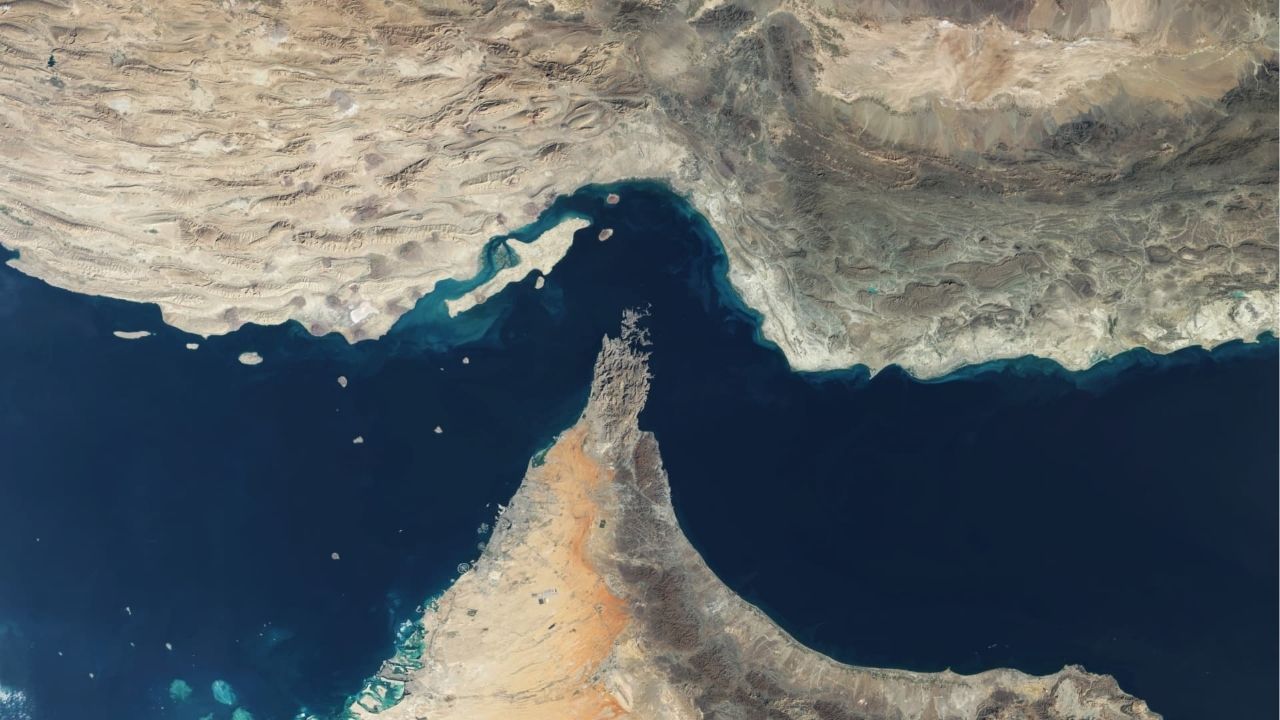
Thailand imports roughly 952,000 barrels of oil per day above what it produces domestically, so global price swings hit the domestic market directly. Diesel sat below 30 baht per litre through most of early 2026 before jumping to 47.74 baht by early April. Petrol crossed 43.58 baht, and standard unleaded exceeded 43.95 baht.
For islands, the concern is not whether fuel exists. It is how rising costs flow through ferry fares, tour boat pricing, electricity tariffs, and the cost of goods. Each island sits at the end of a supply chain with a sea crossing on the final leg. That “island premium” is real, and in April 2026, it is under more pressure than usual when it comes to travel in Thailand.
Island by island: what resort managers are saying
Koh Samui
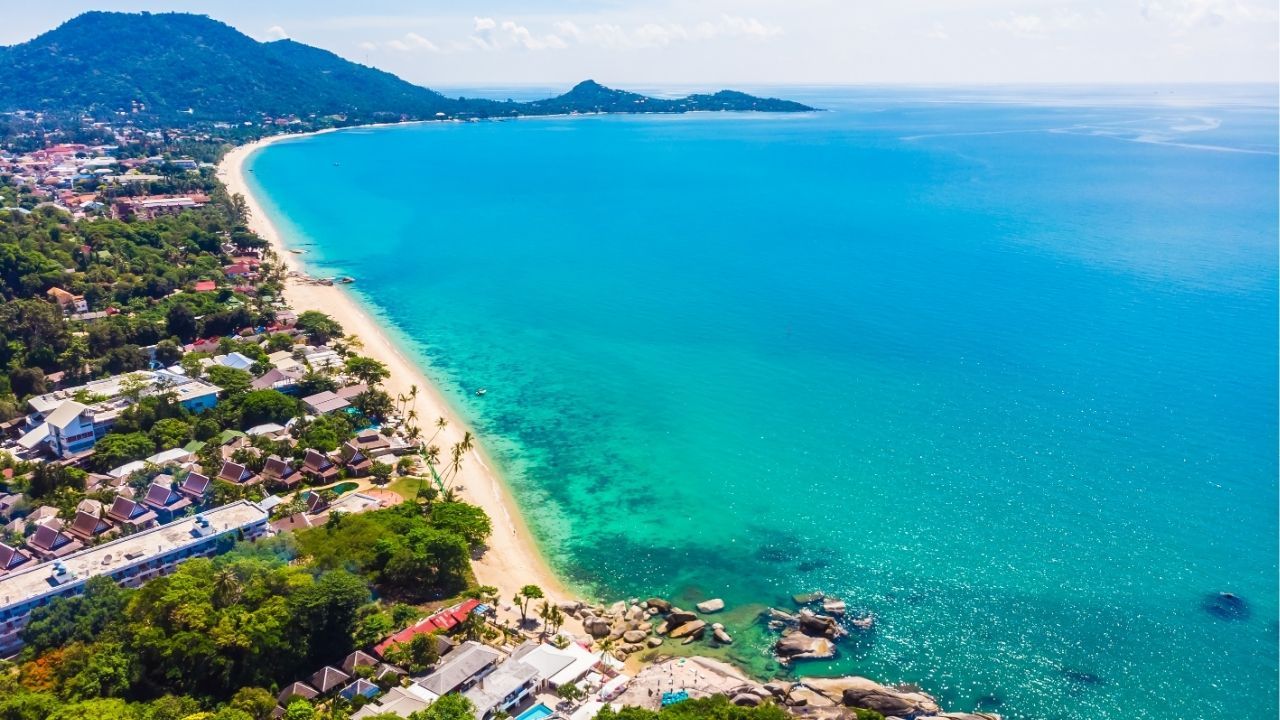
Koh Samui is grid-connected and EGAT-supplied, with multiple Shell, PTT, and Esso stations operating across the island. It is the most infrastructure-resilient of Thailand’s major island destinations, though ferry fares from Donsak Pier have already risen, passenger tickets from the mainland now cost 210 baht, up from 180 baht, with the increase explicitly linked to higher diesel costs by Seatran Ferry management.


For guests staying at established resorts, the situation is settled. Tristan Kuehneisen, General Manager of Silavadee Pool Spa Resort, claims…
“Silavadee Pool Spa Resort is operating as normal. All facilities, services, and guest experiences are fully available, and we continue to deliver the high standards of comfort, service, and hospitality our guests expect. All transportation services, including airport transfers, private transfers, and tours, are operating smoothly.
“Our team remains in close coordination with trusted local partners to ensure seamless arrangements for our guests at all times. Koh Samui continues to be a welcoming destination with well-functioning infrastructure, quality hospitality, and a wide range of experiences for visitors.”
Note: Ferry schedules from Donsak are running normally. Budget an extra 30 baht per person for the crossing compared to early 2026 fares.
Phuket
Phuket is connected to the mainland by a road bridge, which fundamentally changes its supply chain exposure compared to every other island on this list. Fuel deliveries do not depend on sea crossings, and the island’s size supports a fully diversified energy infrastructure, including growing solar installations.
That said, Phuket is not immune to cost pressure. Research from Prince of Songkla University estimates that energy accounts for 39 to 48 per cent of transport costs and around 24 per cent of hotel operating expenses on the island. A sustained 50 per cent energy price rise, which current diesel levels are approaching, would push total hotel operating costs up by around 25.7 per cent. Those costs are beginning thttps://aseannow.com/thailand-news/thailand-diesel-crisis-spirals-as-prices-surge-fund-near-collapse-r1000/o flow through to room rates and excursion pricing.
In Phuket, Janjira Nanakorn (Jenny), Marketing Manager of the Renaissance Phuket Resort & Spa, states that everything in Phuket is running as normal.
Is your resort operating normally right now? “Yes, the resort is operating as normal.”
Can guests access boats, transfers, and tours without any problems? “As of now, there have been no issues.”
What would you like tourists to know before they visit Samui? “We recommend guests plan ahead for a smooth and enjoyable trip.”
Note: Internal transport costs have risen like other islands in Thailand you will travel to. Cross-island taxi fares from Karon Beach to the airport now run 300 to 700 baht. The Phuket Smart Bus (100 to 200 baht) remains the most cost-effective option for airport connections.
Koh Phangan
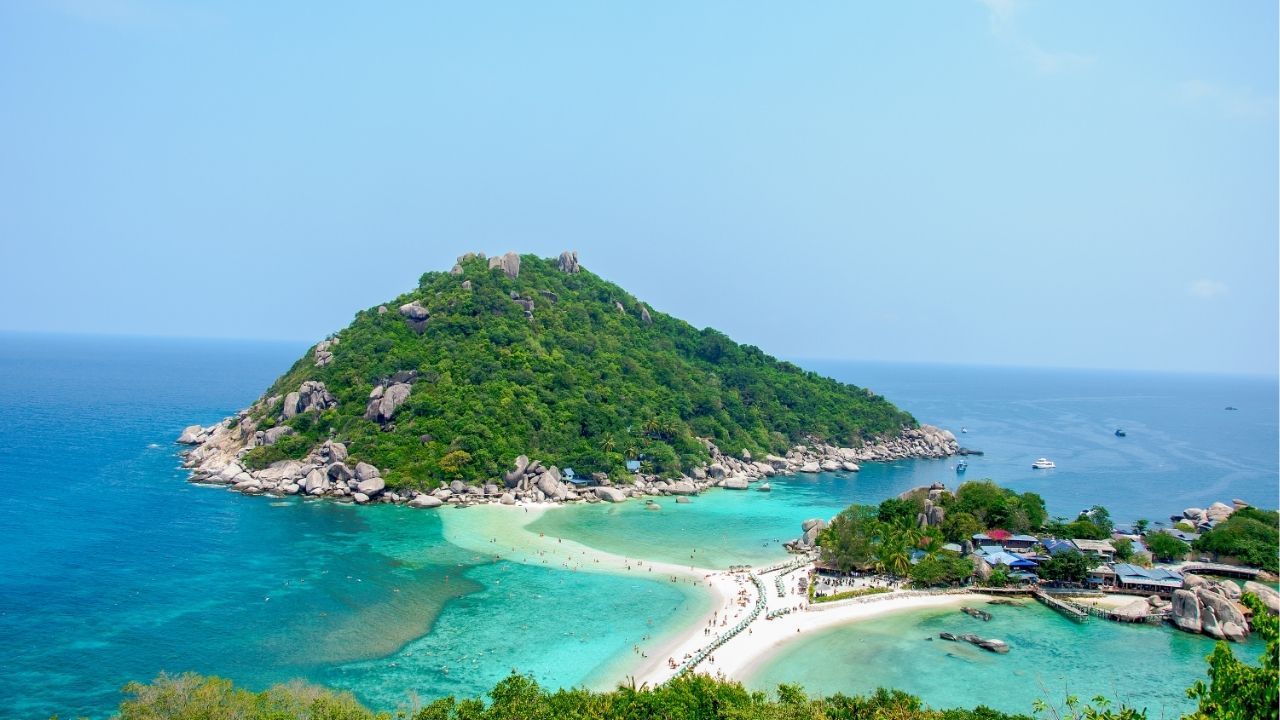
Koh Phangan shares its supply chain with Koh Samui, with ferry services running from Donsak Pier in Surat Thani. The island is fully ferry-dependent for bulk supply movement. Passenger fares from the mainland have increased to 280 baht from 250 baht, a 12% rise tied directly to higher diesel costs. Generator backup is standard at most resorts, and the island has not experienced supply shortages.
Furthermore, Koh Phangan is operating smoothly as ever, according to Ahmed Asim, General Manager of Anatara Rasananda.
“Anantara Rasananda is fully open and operating seamlessly, and we are delighted to continue welcoming guests to Koh Phangan. The island remains as captivating as ever, offering a sense of tranquility, natural beauty, and genuine Thai hospitality.
“All boats, transfers, and island tours are running smoothly and reliably. Guests can explore Koh Phangan and its surrounding islands with complete ease and confidence.
“We warmly encourage travellers to visit Koh Phangan, the island offers a rare sense of calm and authenticity, and our team looks forward to creating meaningful and memorable experiences for every guest.
“Koh Phangan has responded to the fuel situation with efficiency and strong collaboration across the community. Life on the island continues as normal, and all services remain fully operational, allowing guests to enjoy a smooth and worry-free experience throughout their stay.”
Note: Ferry schedules remain consistent. The fare increase is modest and unlikely to materially affect most travel budgets.
Koh Tao
Koh Tao is smaller and more remote than Samui or Phangan, relying on tanker deliveries and ferry links for fuel and goods. Resorts typically maintain two to four weeks of fuel reserves. The island’s dive industry, where Open Water certification courses run 11,000 to 12,500 baht and fun dives cost 800 to 1,200 baht, is under margin pressure, with some operators quietly adding fuel surcharges for offshore dive sites like Sail Rock and Chumphon Pinnacle rather than raising headline prices.
Note: Ask your dive operator upfront whether offshore site fees include fuel surcharges. Most core island services remain fully operational.
Koh Chang
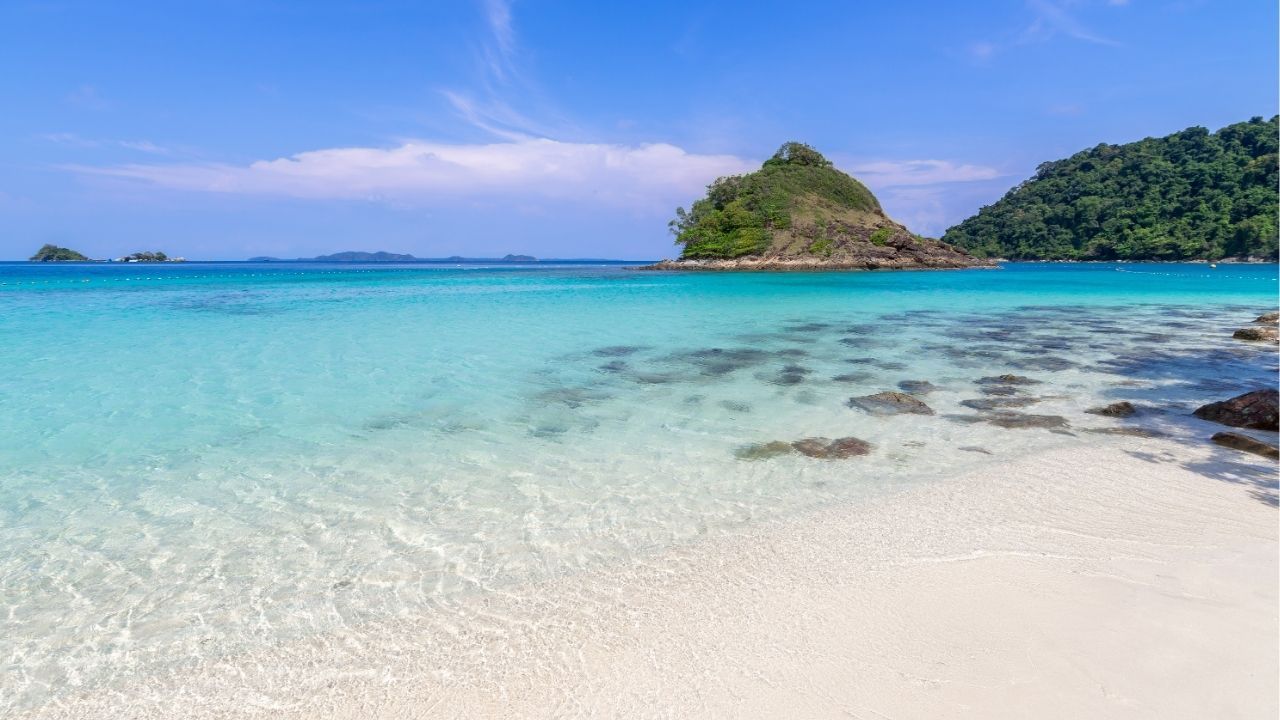
Koh Chang has its own petrol stations and a short vehicle ferry crossing from the Trat mainland, which keeps resupply times low. The island does carry an island premium of around 3 baht per litre above mainland prices; petrol has been running at approximately 52.39 baht per litre. Ferry operators have shifted to demand-based departure schedules rather than fixed hourly timetables, which means departures when the vessel fills rather than on the clock.
Note: Build flexibility into ferry crossing times, particularly for morning departures. The schedule adjustment is a fuel-saving measure, not a sign of supply problems.
Koh Lanta
Koh Lanta is connected to the Krabi mainland via the Hua Hin car ferries, which cross the narrow channels between the mainland, Koh Lanta Noi, and Koh Lanta Yai. Bridge access gives the island a stronger supply continuity than fully sea-dependent destinations. Pedestrian ferry services from Krabi’s Klong Jilad Pier run at around 730 baht. Private overland transfers from Phuket have risen to up to 5,000 baht per vehicle due to higher diesel costs.
In Koh Lanta, life goes on as normal, and Charintip Tiyaphorn (Kade), Owner of Pimalai Resort and Spa, is encouraging visitors to travel there.
“Yes Pimalai Resort and Spa is open and running normally for guests. All our boat transfers, island excursions and island tours are still in operation as usual.
“My personal message: We’d love to welcome you to Koh Lanta, a place where you can slow down, reconnect with nature, and fully recharge, all while being cared for with the warm, thoughtful hospitality Thailand is known for.”
Note: Book transfers through your resort rather than arranging independently, resort partners have locked rates with trusted operators.
Koh Phi Phi
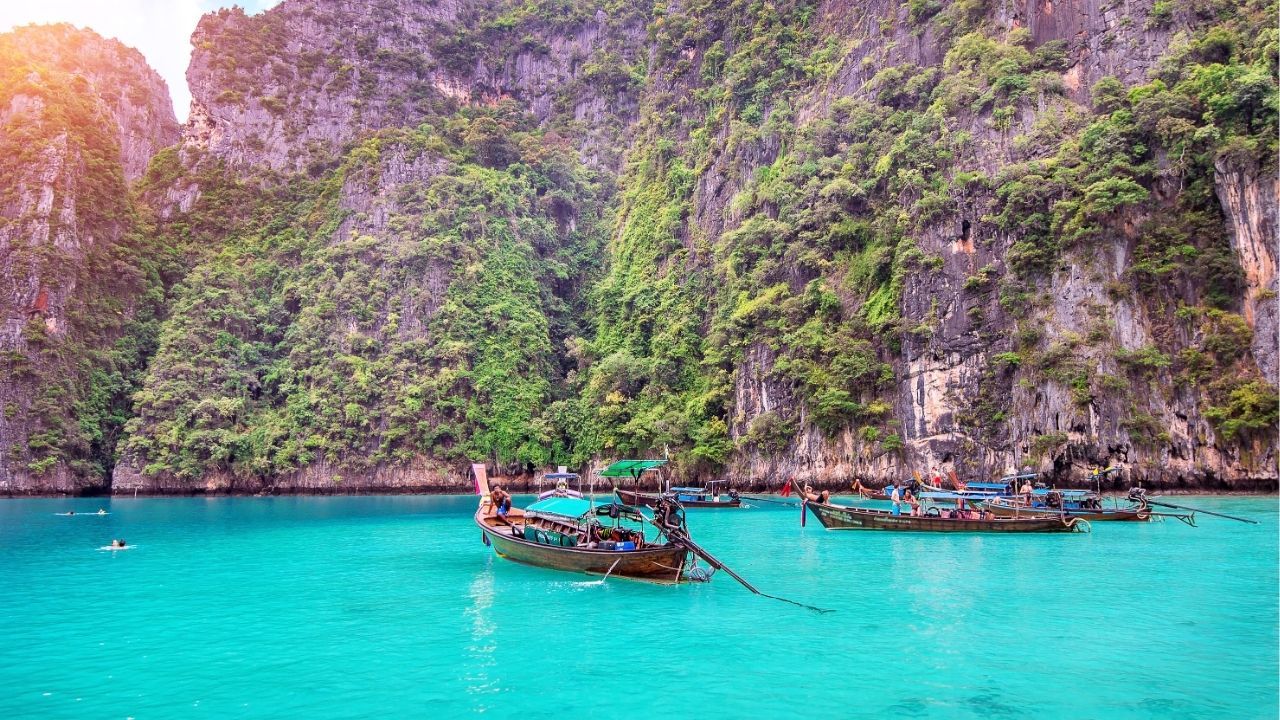
Koh Phi Phi has no airport, no road bridge, and no internal vehicles. Every person and every item arrives by boat. Ferry tickets from Phuket’s Rassada Pier or Krabi’s Klong Jilad Pier run 530 to 1,400 baht depending on vessel type. Fuel use on the island is concentrated in longtail boats, speedboats, and resort generators. Passenger ferry services are running, though a fare increase on the Krabi–Phi Phi route took effect on April 1.
Note: Private longtail charters now start at 5,990 baht for a half-day. National park entry to Hat Noppharat Thara–Mu Koh Phi Phi is 400 baht per adult. Factor both into your island day-trip budget.
Koh Samet
Koh Samet sits just off Rayong, close to one of Thailand’s largest industrial and refinery zones, making it one of the most fuel-secure islands on this list despite its relatively small size. Speedboats from Ban Phe pier run 150 to 300 baht, with slower wooden ferries at 50 to 70 baht. The island’s internal green songthaew network operates on fixed government fares, which keep transport predictable for visitors.
Note: The short sea crossing and proximity to mainland supply routes mean Samet is well-insulated against the disruptions facing more remote islands.
Koh Kood
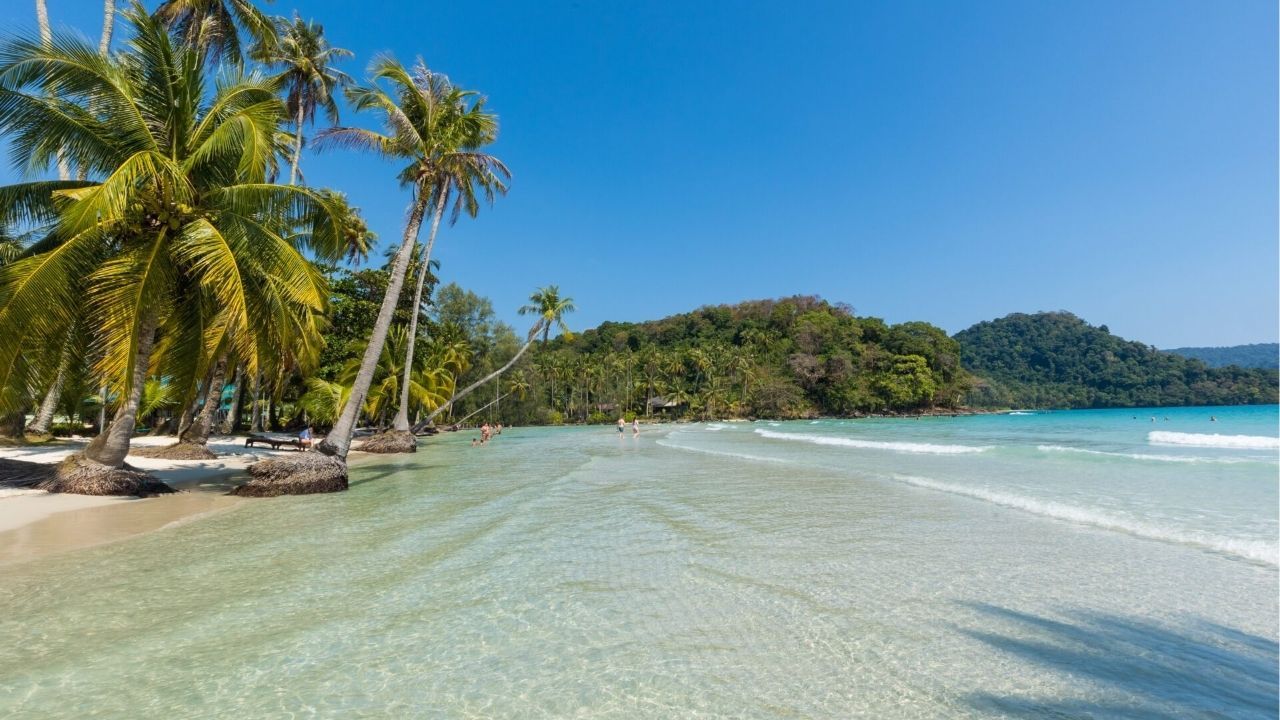
Koh Kood is the most remote island on this list and the most dependent on scheduled supply runs for travel in Thailand. High-speed passenger catamarans from Laem Sok Pier run at 600 baht base fare.
Major operators, including Boonsiri Ferry, are currently absorbing higher fuel costs to hold fares steady through the end of the high season, though price adjustments are expected from May 2026 onwards. Eco-resorts on the island make significant use of solar and battery hybrid systems, reducing their dependence on diesel generation.
Note: If your trip extends to May or beyond, check fare prices closer to departure as ferry operators have signalled upcoming adjustments. Emergency private speedboat charters from the mainland cost 15,000 to 20,000 baht; book confirmed return passages in advance.
Koh Mak
Koh Mak operates on a small, stable population base with regular supply boats keeping essential goods moving. It shares its supply chain logic with Koh Chang and benefits from the same eastern seaboard proximity to the Trat mainland. Inter-island transit between Koh Chang, Koh Mak, and Koh Kood runs 700 to 1,200 baht, depending on vessel type.
Note: Koh Mak remains one of the quieter options on this list; lower visitor volumes mean less pressure on local services and transport.
| Section (Click to jump) | Summary |
|---|---|
| Koh Samui | Koh Samui remains the most infrastructure-resilient island on the list, though ferry fares from the mainland have risen with fuel costs. |
| Phuket | Phuket is operating normally and benefits from bridge access, but higher energy costs are starting to affect transport and hotel pricing. |
| Koh Phangan | Koh Phangan remains stable and well supplied, with only a modest ferry fare increase linked to diesel costs. |
| Koh Tao | Koh Tao is more exposed to fuel costs, with some dive operators quietly adding surcharges for offshore trips. |
| Koh Chang | Koh Chang has reliable resupply from the mainland, but ferry departures are now more flexible and fuel prices remain slightly higher than onshore. |
| Koh Lanta | Koh Lanta is running normally and benefits from stronger mainland links, although transfer costs have increased. |
| Koh Phi Phi | Koh Phi Phi is fully boat-dependent, so ferry fares and private charter costs are important factors in trip planning. |
| Koh Samet | Koh Samet is one of the more fuel-secure islands thanks to its short crossing and proximity to Rayong’s mainland supply routes. |
| Koh Kood | Koh Kood is the most remote option here, with steady services for now but likely fare increases later in the season. |
| Koh Mak | Koh Mak remains a quieter and steadier option, with regular supply links and less pressure on local services. |
Why Thailand is more fuel-resilient than you might think
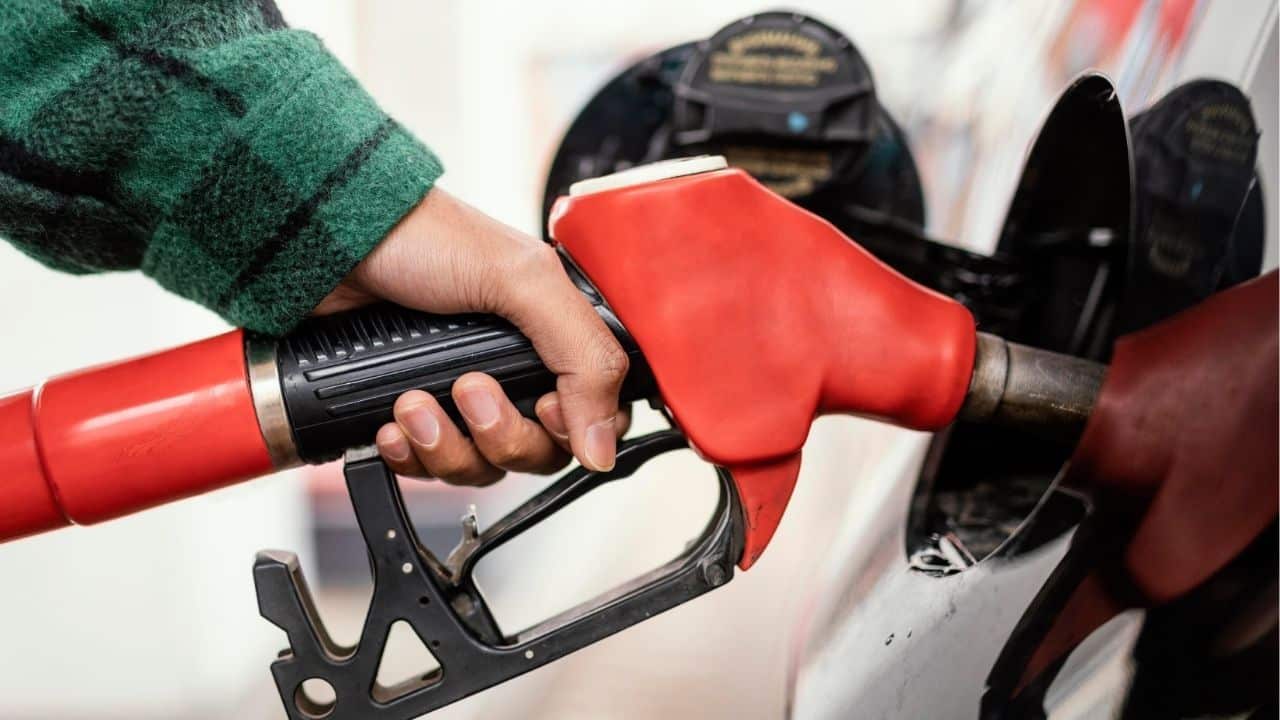
Thailand maintains domestic crude production in the Gulf of Thailand, and PTT operates strategic reserves to buffer supply disruptions. Island resorts are required to hold emergency fuel reserves on-site, which is why most properties ride out short-term supply chain stress without guests noticing.
Southern Thailand accommodation occupancy ran in the upper-70s to 80 per cent range through early 2026. Resort operators, ferry companies, and tour providers have every reason to keep services running, and most have backup systems specifically for situations like this.
There are government measures taking place as well, such as introducing targeted fuel subsidies for four specific transport groups from April 1 to 30 in order to freeze fares for public transportation. This aims to make sure that these forms of transportation highlighted by the government will remain affordable to the general public.
What to do when you travel to an island in Thailand in 2026

✅ Contact your resort directly and ask about their power backup and fuel reserve policy before travelling
✅ Book airport and inter-island transfers through your resort; they maintain relationships with reliable local operators
✅ Check ferry schedules closer to departure, particularly for Koh Kood and Koh Mak routes, where fare adjustments are expected from May 2026
✅ Factor higher boat excursion costs into your budget, particularly on Koh Phi Phi and Koh Tao
✅ Make sure your travel insurance covers supply disruption and transport delays
✅ Bookmark this page — The Thaiger will update it if there are any updates.
If you have a trip booked to travel to an island in Thailand, there is a reasonable cause not to cancel it. If you are planning one, go ahead. As far as it seems, Thailand’s island travel in 2026 is open, operational, and welcoming guests, and The Thaiger is monitoring this story and will update this article if anything material changes.
Last updated: April 2026. The Thaiger contacted resort managers across all ten islands for this report.
Latest Thailand News






















Follow The Thaiger on Google News: