Thai kindergartners as young as 5 are buying toy-like vapes from classmates


An academic warns that students are selling fruit-flavored e-cigarettes to peers. Educational campaigns and a new safety curriculum aim to teach refusal skills nationwide.
Dr. Anyamanee Boonsue revealed alarming data on Monday regarding e-cigarette use among young students. The independent academic and former Chulalongkorn University lecturer told the Ejan news outlet that kindergarteners as young as five years old are now vaping. This information comes from a pilot project survey conducted by the Thai Health Promotion Foundation between February and July 2025.
The epidemic is most severe among late primary school students. Children are not purchasing the devices from strangers. They buy them from classmates whose parents supply the products. This creates a new form of bullying within schools. Sellers pressure their peers to vape. Those who refuse are excluded from social groups. Students who act as lookouts receive free trials and are eventually drawn into the habit.
Manufacturers design these e-cigarettes as toy pods. They lack the smell of tobacco and feature fruit or chocolate flavors. Children wear them on lanyards and collect them. This trend is highly prevalent in Pattani province. Parents often fail to recognize the danger because the devices look exactly like normal children’s toys.
Children are drawn to vaping because they think it is cool and want peer acceptance. The appealing designs trick them into using the products unknowingly. Dr. Anyamanee stated the spread to five-year-olds is the most critical concern.
The pilot project focuses on training core teachers to build immunity among young students. Children learn to protect themselves and educate their families. A nationwide follow-up will take place in June 2026 to evaluate how effectively teachers have implemented the training.
Fieldwork in southern Thailand showed 90 percent of high school students admitted to vaping when asked. Teachers currently struggle to manage the issue. They rely on punishments like hitting, point deductions, or expulsion. The project advocates for teaching proper attitudes and refusal skills instead of solely punishing students.

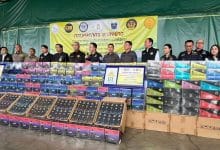
Shocking survey reveals kids as young as 6 vaping in Thailand
The initiative has expanded its partnerships to include Border Patrol Police Region 4, the Santi Suk Task Force, and the Department of Local Administration. Over 250 teachers have received training so far. Dr. Anyamanee plans to expand this effort into a comprehensive school safety project. She will propose a curriculum based on a model from Osaka, Japan, to the Ministry of Interior. This program will prepare children for 10 types of hazards, including technological threats, sexual abuse, and violence.
Dr. Anyamanee urged parents not to underestimate the risks for young children. The online world makes these products easily accessible. Teaching children early acts as a mental vaccine. A three-hour training session proved enough to change student attitudes and motivate them to keep their parents safe.
She emphasized that parents cannot watch their children all the time, making early mindset education essential to prevent future tragedies.
citation: ejan
Latest Thailand News

























Follow The Thaiger on Google News: