Thailand or Cambodia for Songkran 2026: Which festival fits your travel style?
Both countries now offer very different New Year experiences, from water fights to cultural tradition

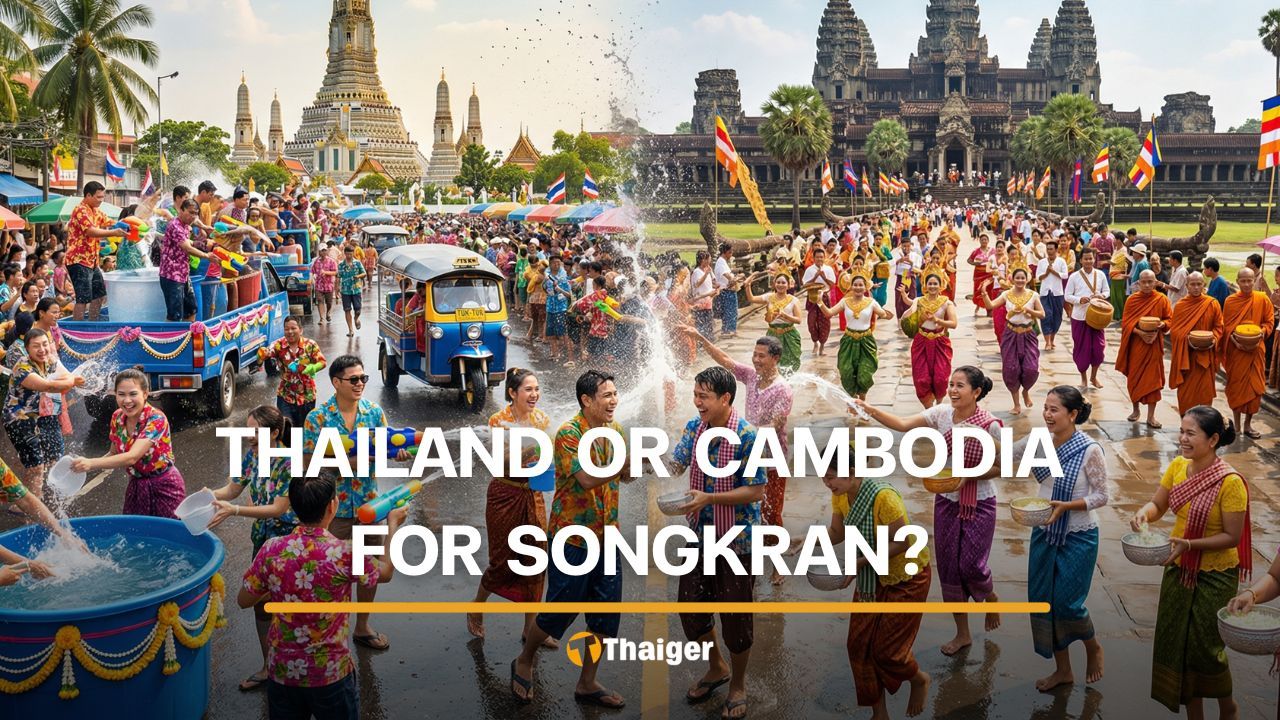
Here is something to consider today: the land border between Thailand and Cambodia has been closed since mid-2025. Armed conflict along the shared border escalated to the point where multiple governments, including the UK and US, now advise against travel near the border zone. If you were planning to combine both countries overland for Songkran season, that option is off the table. You are choosing one or the other.
That makes the question more interesting. Both countries celebrate the same solar New Year in mid-April; Thailand calls it Songkran, Cambodia calls it Chaul Chnam Thmey, both trace the tradition back to the same ancient Sanskrit roots, and both involve water. But in 2026, they have pulled sharply in opposite directions, and which one is right for you depends on what you actually want from the trip.
The big split: water fights vs cultural heritage
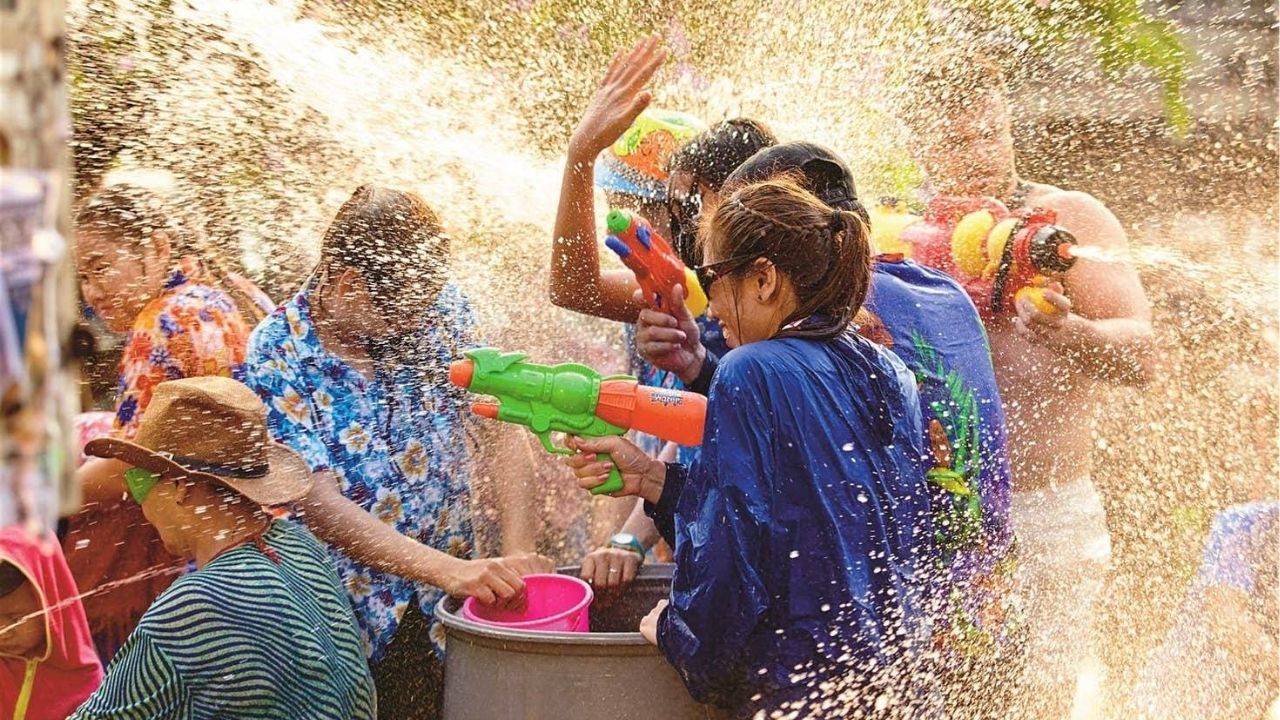
Thailand’s Songkran runs from April 13 to 15, with major cities extending celebrations well beyond the official dates. Chiang Mai stretches to nearly two weeks. Pattaya runs for nine days. The water fights are enormous, legally permitted, and actively promoted as a tourism draw.
Bangkok’s Silom Road alone draws hundreds of thousands of revellers, Khao San Road is a backpacker free-for-all, and the S2O Songkran Music Festival brings in international headliner DJs with a 360-degree water cannon system. Thailand holds a UNESCO Intangible Cultural Heritage designation for Songkran and has leaned fully into its identity as the world’s biggest water party.
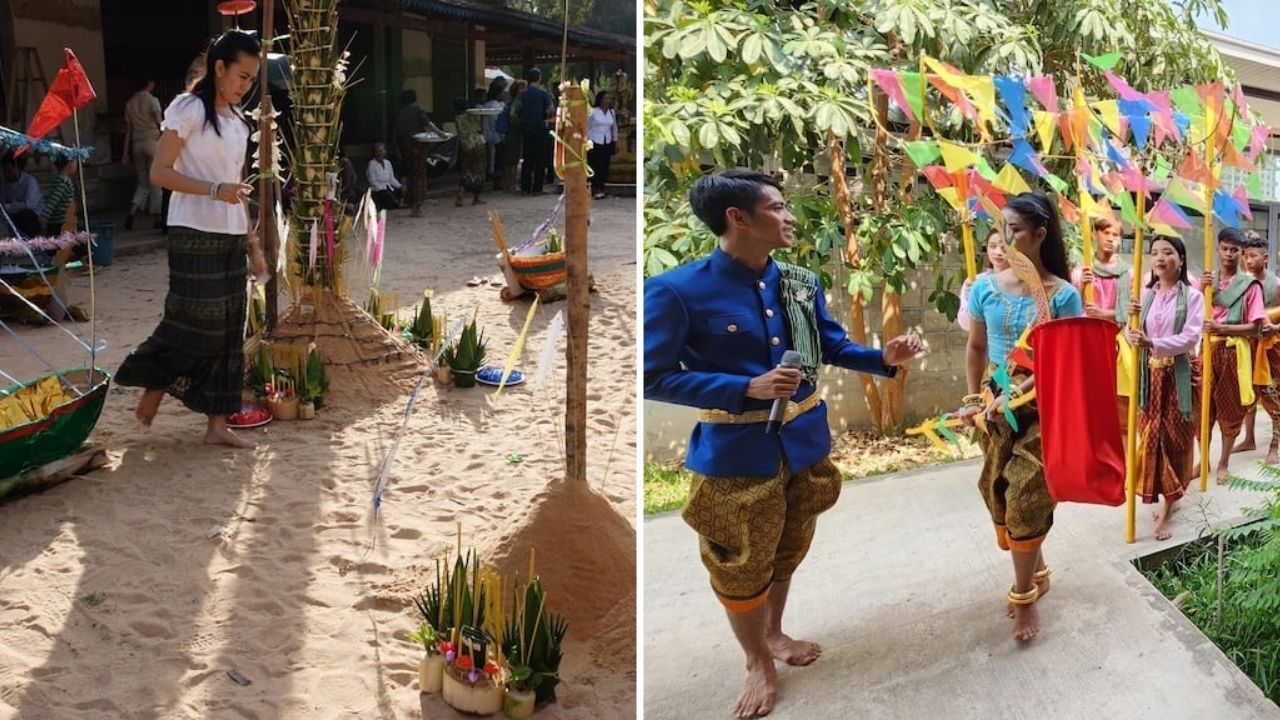
Cambodia’s Khmer New Year, Chaul Chnam Thmey, runs from April 14 to 16. This year, Phnom Penh banned all water splashing, water guns, coloured water, and fireworks during Chaul Chnam Thmey. Seven provinces, including Siem Reap and Battambang, followed suit.
Cambodia’s government has made a deliberate choice to steer the festival back toward traditional Khmer culture, folk games, Apsara dance, Bokator martial arts, sand stupa building, and ancestral ceremonies. Phnom Penh’s flagship six-day event, Nokor Sangkranta, is explicitly framed as tradition over entertainment.
This is not a minor difference. Thailand is regulating its water fights for safety while expanding the spectacle. Cambodia is actively suppressing the spectacle to reclaim cultural authenticity.

What the numbers look like
| Factor | Thailand (Songkran) | Cambodia (Chaul Chnam Thmey) |
|---|---|---|
| Official dates | April 13 to 15 | April 14 to 16 |
| Extended celebrations | Up to 9 to 12 days in major cities | 6 days in Phnom Penh only |
| Water fights | Legal, large-scale, heavily promoted | Banned in Phnom Penh and 7 provinces |
| International arrivals (festival period) | 1.93 million (2024) | Not separately published |
| Festival road deaths (7 days, 2025) | 253 | 36 |
| Daily budget traveller cost | US$25 to US$40 | US$15 to US$30 |
| Mid-range daily cost | US$90 to US$175 | US$65 to US$135 |
| Visa (most Western nationals) | 60-day visa-free | $30 visa on arrival or e-visa |
| Land border crossing from Thailand | Closed | Closed |
Safety is a real factor, not a footnote
Thailand’s Songkran period has a well-documented road safety problem. The government tracks what it calls the “Seven Dangerous Days” from April 11 to 17, during which road fatalities roughly double. In 2025, there were 253 deaths and 1,538 accidents over that window, with motorcycles accounting for around 80% of crashes.
Drunk driving and speeding are the primary causes. If you are in Thailand for Songkran, the practical advice is consistent across every source: do not drive, do not ride a motorbike during peak hours, and use the BTS or MRT in Bangkok where possible.
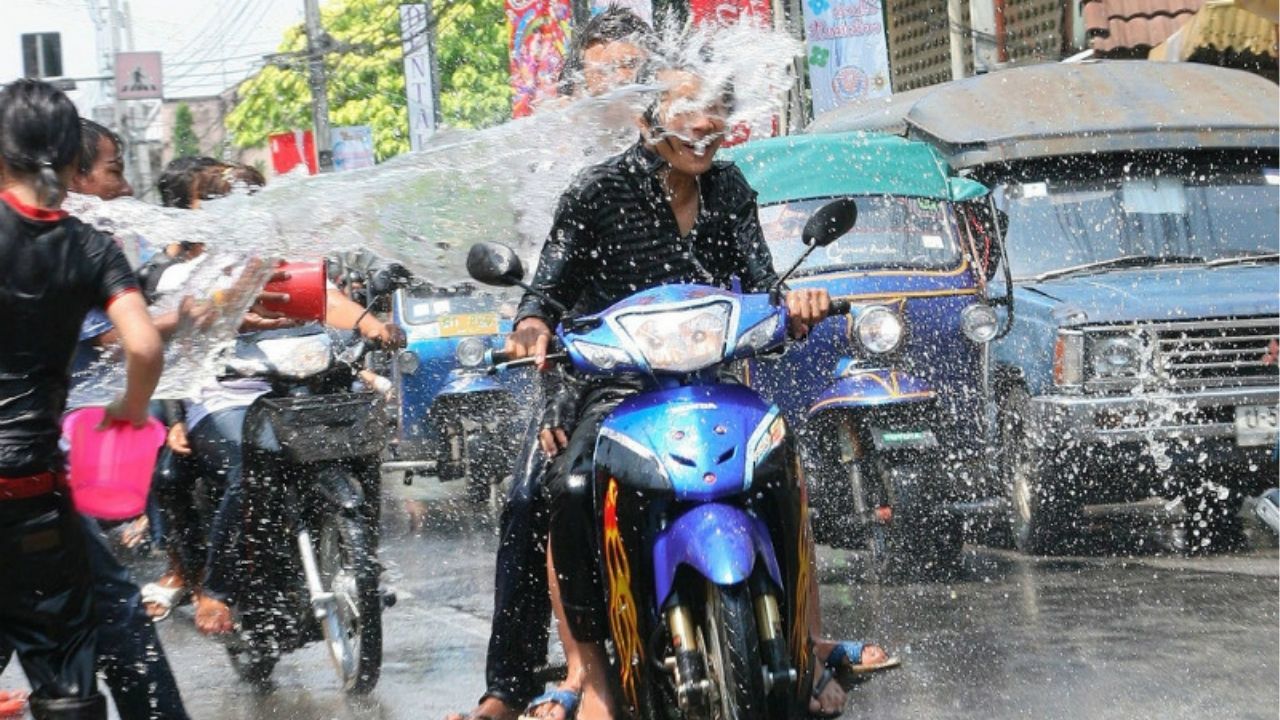
Sexual harassment in crowded water zones is also a documented issue. A 2024 survey found 32.4% of Bangkok respondents reported being harassed at Songkran in the preceding three years. The Silom and Khao San zones carry the highest risk, and authorities have introduced stricter rules for 2026, but enforcement in dense crowds has limits.
Cambodia’s festival period carries different risks. Road deaths are lower in absolute terms, but medical infrastructure is significantly weaker; serious injuries may require evacuation to Bangkok. Bag-snatching is common in Phnom Penh year-round, and the country has drawn international scrutiny over scam operations in certain areas. The border closure also means that routing through border-adjacent provinces carries added uncertainty.
Where to go in each country
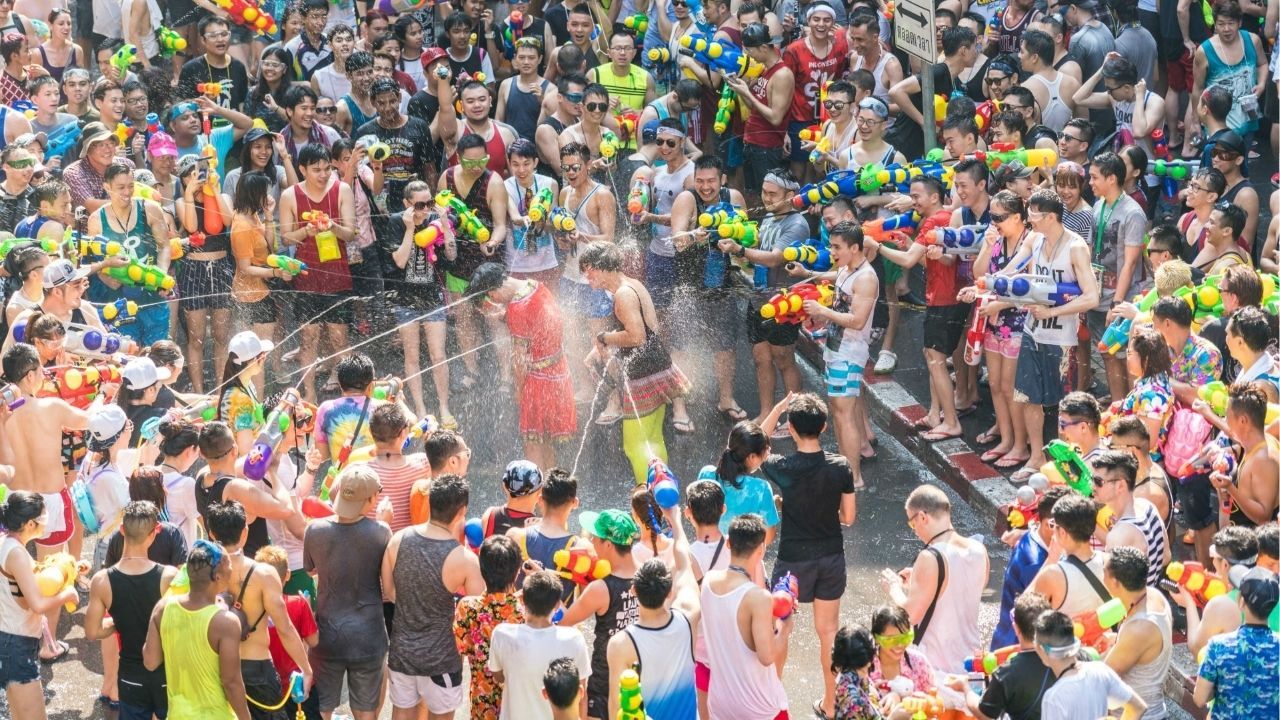
In Thailand, Chiang Mai remains the most recommended destination. The ancient Old City moat provides a natural water source for a four-kilometre battle loop, and Lanna cultural traditions give the celebrations more depth than Bangkok’s pure spectacle.
Bangkok suits those who want urban scale and nightlife options across multiple zones. Pattaya is the pick for an extended celebration with a beach setting.
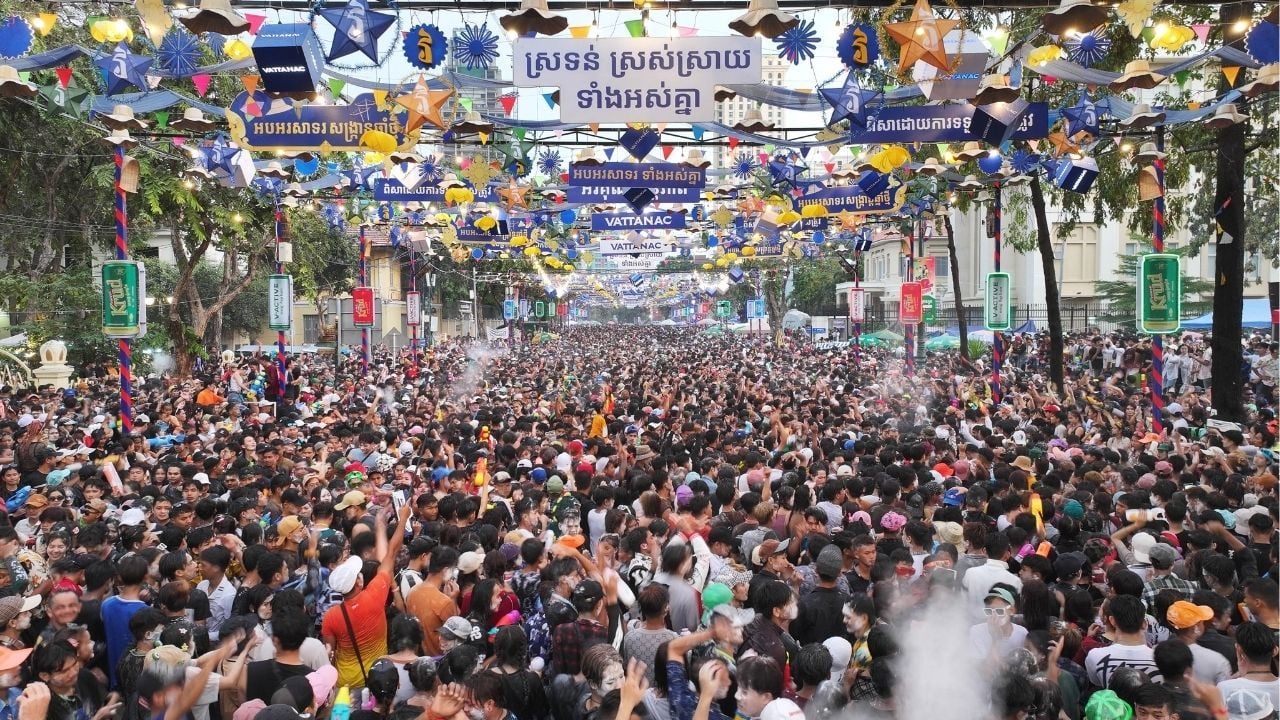
In Cambodia, Siem Reap is the standout. The Angkor Sankranta festival takes place against the backdrop of the ancient temple complex and includes over 38 cultural activities, classical theatre, martial arts demonstrations, boat parades, and lantern ceremonies. Despite the official water fight ban, expect some informal splashing around Pub Street.
Phnom Penh empties out as residents return to their home provinces, but the Nokor Sangkranta event fills the city’s main festival sites with performances and markets. Battambang offers a quieter provincial experience with arts performances by the acclaimed Phare Ponleu Selpak organisation.
So which one is better?
That depends entirely on what you are after. If you want the iconic, large-scale, bucket-list water festival experience, the kind that fills your camera roll and your stories for years, Thailand is the answer.
If you want to see a New Year celebration that feels genuinely rooted in something older than tourism, Chaul Chnam Thmey in Cambodia in 2026 is offering something rare.
Neither is objectively better. They are now, in practice, different festivals.
Latest Thailand News


















Follow The Thaiger on Google News: