Planning a Thailand trip in 2026? Here’s what the border conflict with Cambodia means for you
Why most trips are unaffected, and where caution still applies


Yes, Thailand is safe to visit in 2026, but you need to avoid specific border areas.
Despite ongoing military tensions with Cambodia, the vast majority of Thailand remains completely unaffected by the conflict. Bangkok, Chiang Mai, Phuket, Pattaya, Koh Samui, and Krabi are continuing to operate normally with no reported security disruptions.
The fighting is strictly confined to remote border zones along the Thai-Cambodian frontier, hundreds of kilometres from major tourist destinations.
Here’s what travellers need to know about the situation as of January 2026 if they want to plan a trip in and around Thailand during the conflict with Cambodia.
What’s Happening at the Border
A territorial dispute between Thailand and Cambodia escalated into armed clashes in mid-2025. Fighting erupted in July 2025 (48 deaths, 300,000 displaced), then resumed in December 2025 (500,000+ displaced). A ceasefire took effect on December 27, 2025, but remains fragile, for example, when a January 6 mortar incident in Ubon Ratchathani violated the truce.


The conflict centres on disputed boundaries from French colonial-era treaties (1904/1907). With Thailand’s elections scheduled for February 8, the border issue has become politically charged, complicating peace efforts.
Specific areas to avoid
International governments, including the US, UK, and Australia, have issued “Do Not Travel” warnings for areas within 50 kilometres of the Thai-Cambodian border in affected provinces. This exclusion zone covers:
Border provinces to avoid:
- Sa Kaeo (Aranyaprathet/Poipet border crossing area)
- Buri Ram (southern border districts; Phanom Rung Historical Park closed)
- Si Sa Ket (Kantharalak district; Khao Phra Wihan/Preah Vihear temple closed)
- Surin (southern districts; Ta Muen Thom temple inaccessible)
- Ubon Ratchathani (eastern border areas, including the “Emerald Triangle”)
- Chanthaburi (border areas near Cambodia’s Pailin)
- Trat mainland (areas adjacent to Cambodia’s Koh Kong province)
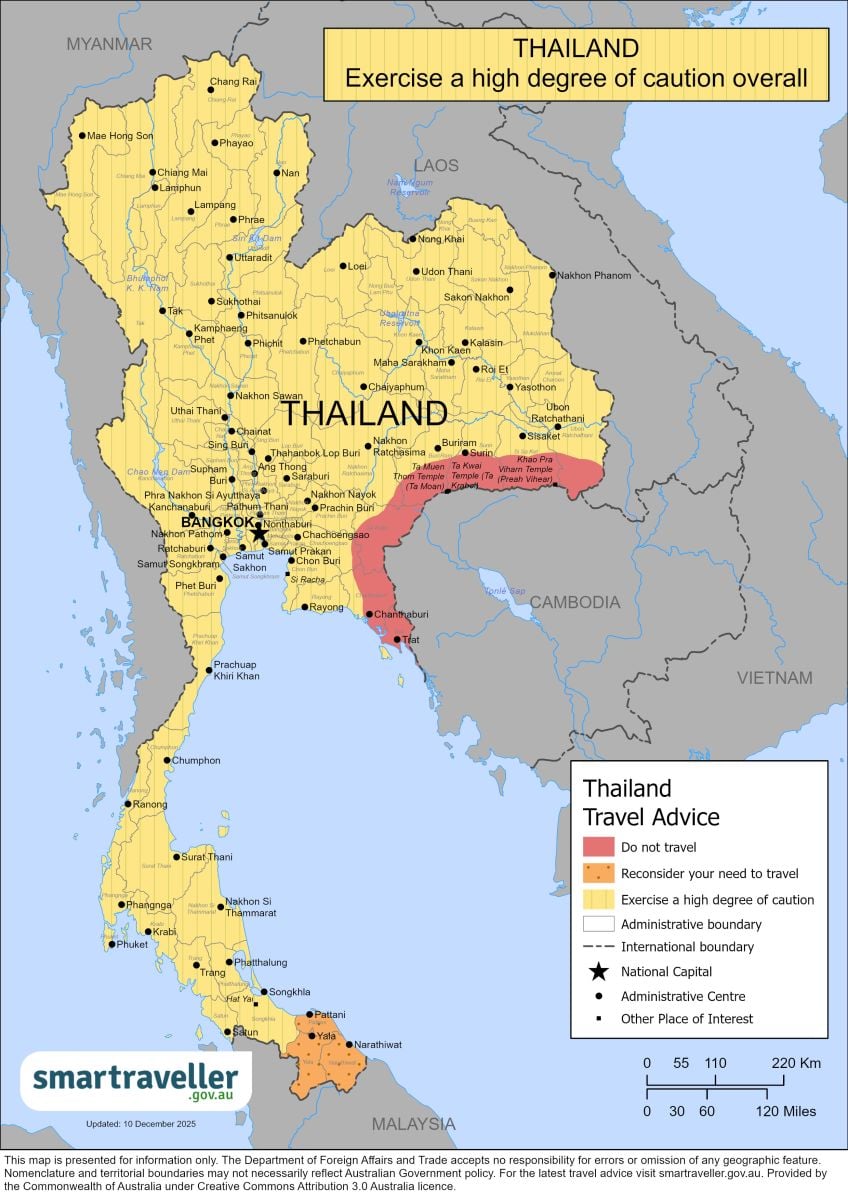
These zones have experienced artillery fire, rocket attacks, and heavy weapons exchanges. Unexploded ordnance and newly laid landmines create additional hazards. Historic Khmer temples along the border, normally tourist attractions, are currently militarised and off-limits.
Land border crossings are closed: If you’re planning a trip between both countries, all checkpoints between Thailand and Cambodia have been shut since late June 2025 due to the conflict. Because of that, you’ll need to fly, as overland travel is not currently possible.
The Koh Chang and Koh Kood question
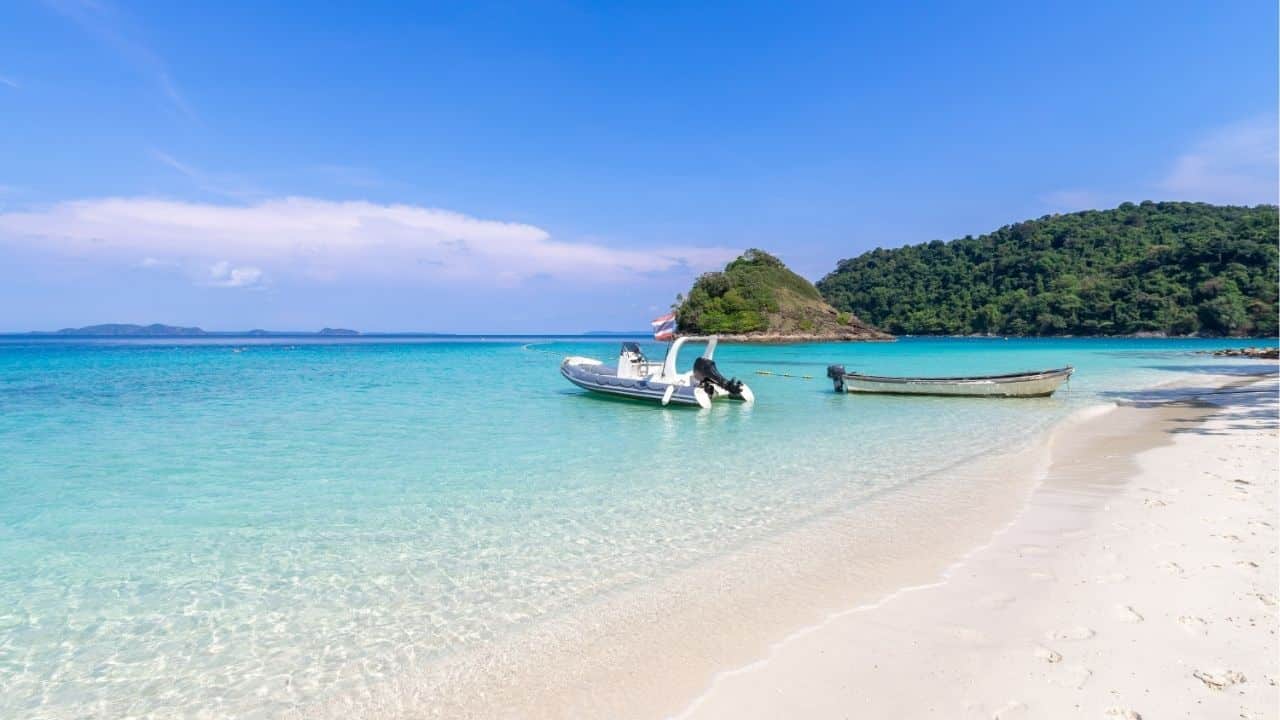
Thailand’s popular islands of Koh Chang, Koh Kood, and Koh Mak in Trat Province fall within the technical 50km advisory zone but have experienced no violence. Ferries run normally, hotels are open, and daily life continues without disruption.
The catch is travel insurance: Because these islands fall under government “Do Not Travel” advisories, standard insurance policies may not provide coverage. Medical claims or evacuations could be rejected due to advisory status.
The islands became entangled due to political rhetoric surrounding MOU 44 (maritime resource development). Despite nationalist claims, Koh Kood’s sovereignty isn’t actually disputed, but tourism has collapsed, with hotel occupancy around 20%.
If visiting: Verify your insurance covers advisory zones or purchase specialised “conflict zone” insurance. The islands are physically safe; the risk is financial.
Major tourist destinations are unaffected
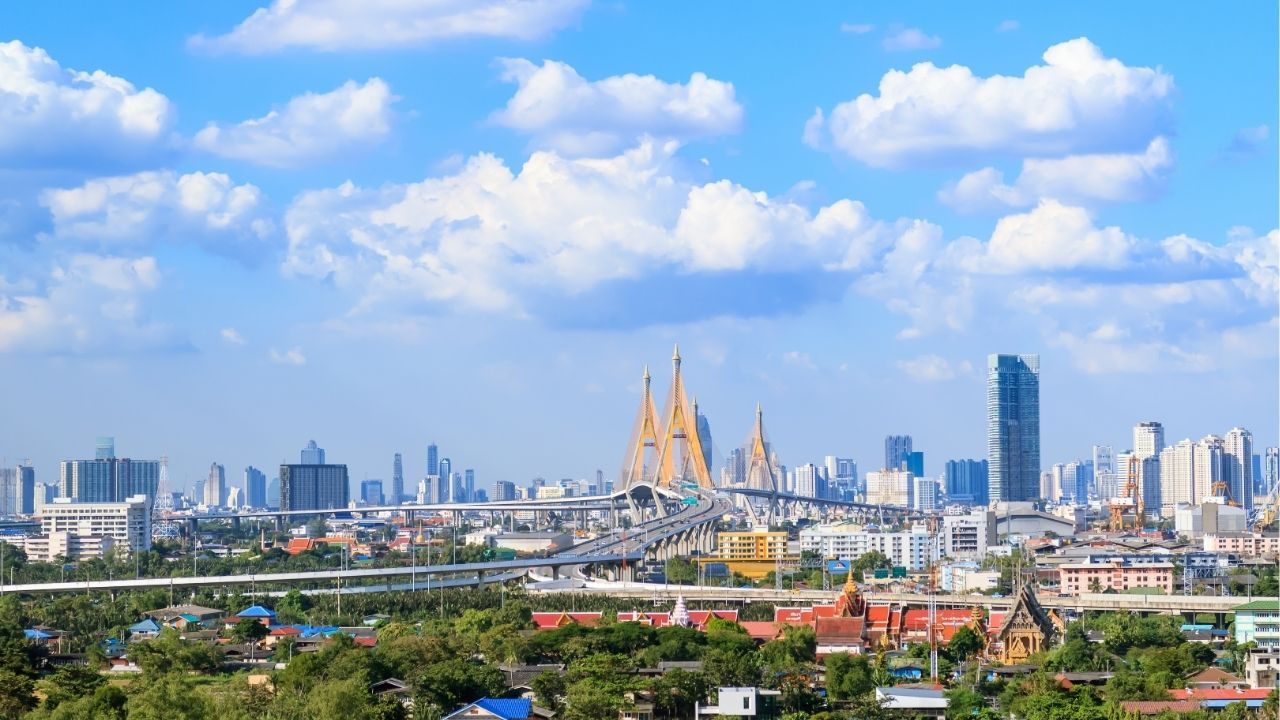
Thailand’s tourism hubs operate normally. Bangkok, Chiang Mai, Phuket, Pattaya, and Koh Samui remain peaceful; no border-related incidents have occurred outside the exclusion zone. Airports, trains (except routes to closed borders), and attractions function as usual.
Domestic flights continue normally, though Ubon Ratchathani and Buriram airports may see minor delays from military traffic. The Eastern Line train to Aranyaprathet now terminates at Sa Kaeo or Kabin Buri to prevent travelers entering the conflict zone.
Quick tips for travellers
Do: Stick to central, northern, and southern Thailand tourist routes, hundreds of kilometres from the border and completely safe.
Don’t: Visit border markets, temples, or parks in exclusion zone provinces. Military checkpoints turn back civilians, and the risk from artillery/rocket fire is real.
Insurance: Review policies carefully. Confirm coverage doesn’t exclude government advisory zones if visiting the Trat islands.
Stay Informed: Monitor official embassy alerts (US Embassy, UK Foreign Office, Australian Smartraveller), not social media rumours.
Border Crossings: Fly between Thailand and Cambodia. All land checkpoints remain closed. Bangkok-Phnom Penh and Bangkok-Siem Reap flights operate normally.
Thailand remains safe for tourists to plan a trip to and around, and the border conflict with Cambodia occupies less than 5% of Thailand’s landmass in remote rural areas. Unless your itinerary includes Cambodian border provinces, the conflict won’t impact your trip.
By respecting exclusion zones and checking insurance for Trat’s islands, travellers can confidently enjoy Thailand throughout 2026.
Related articles:
Sources:
Thaiger News – “Thai-Cambodian border tensions persist despite ceasefire” (January 5, 2026)
UK Foreign Office – Thailand Travel Advice: Regional Risks
Australian Government Smartraveller – Thailand Travel Advisory
Latest Thailand News























Follow The Thaiger on Google News: