Thailand rethinks spending 1.7 billion baht on World Cup broadcast rights

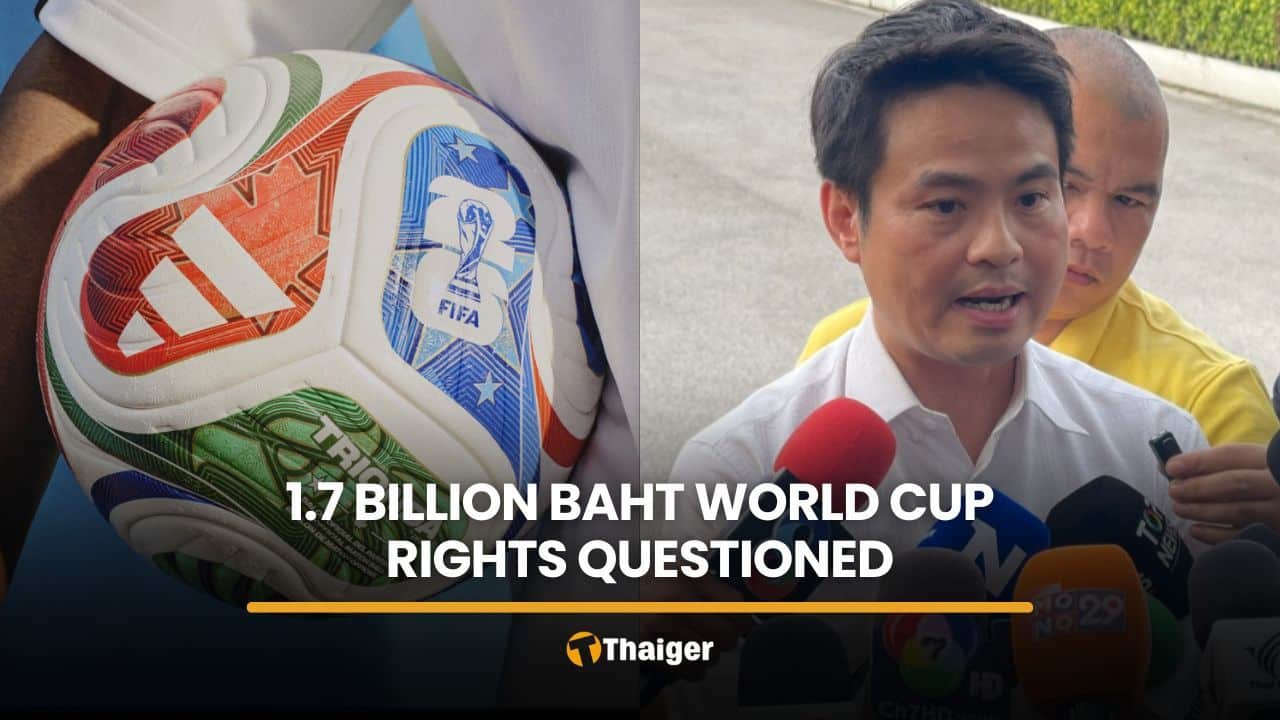
Thailand is reconsidering whether to spend more than 1.7 billion baht (roughly US$52 million) on broadcast rights for the World Cup 2026 tournament, with officials questioning whether the cost would deliver long-term value for Thai football.
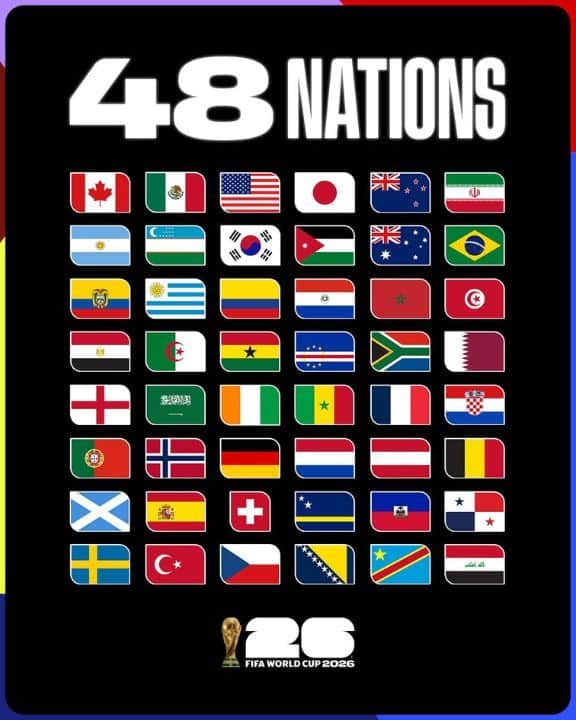
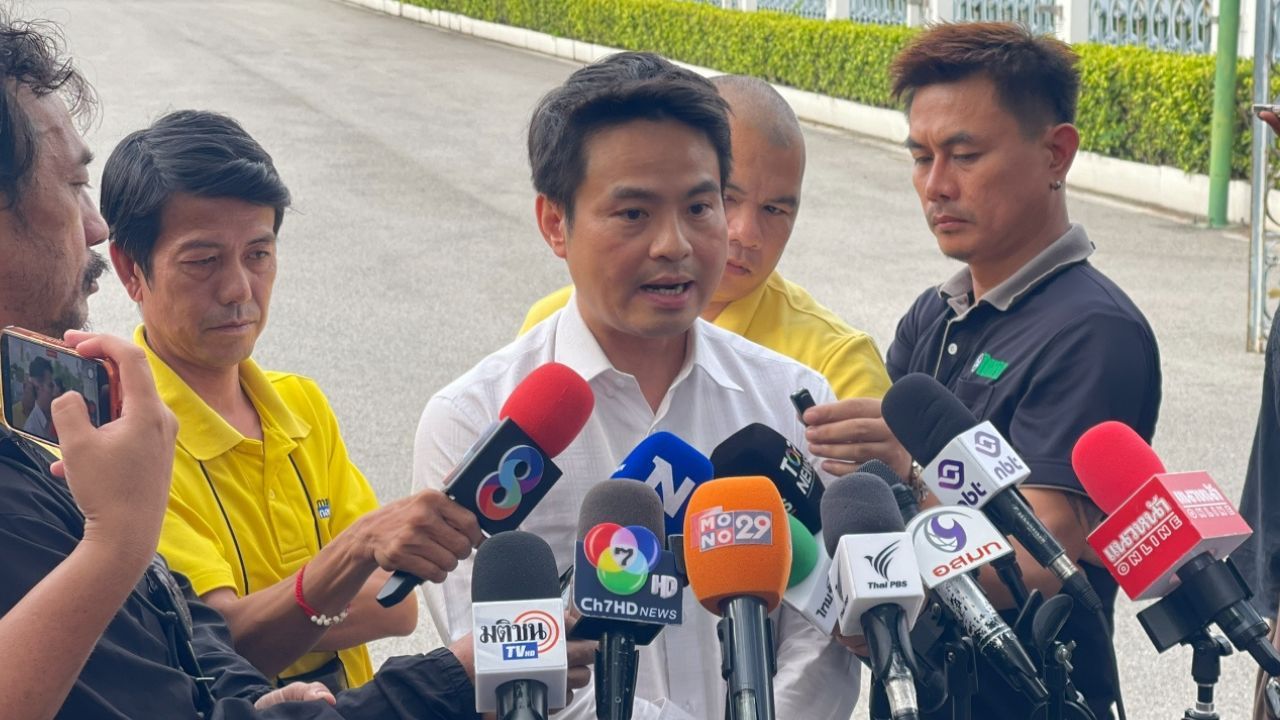
At 4.05pm yesterday, May 18, Prime Minister’s Office Minister Paradorn Prissananantakul addressed reports that the government may step back from buying the rights to broadcast the 2026 FIFA World Cup, which will be held from June 11 to July 19 in the United States, Canada, and Mexico.
Paradorn said the government had not withdrawn from the plan, but no final decision had been made. He said the prime minister stated last week that the government would explore possible ways for Thais to watch the tournament.
The Public Relations Department has been assigned to coordinate with the National Broadcasting and Telecommunications Commission (NBTC) to study possible options for broadcasting the World Cup in Thailand.
Initial talks found that the broadcast rights would cost 1.3 billion baht, with around 300 million baht in tax and another 100 million baht in operating costs. The total cost is estimated to be more than 1.7 billion baht.
Paradorn said the government had also heard public concerns about whether that amount should be spent on broadcast rights or used for youth football programmes and other projects that could support the sport’s long-term development.

He said officials must consider which option would create more sustainable benefits for Thai football and help Thailand work towards qualifying for a World Cup tournament. The matter remains under discussion as the budget would dip into taxpayers’ funds.


Paradorn said the high cost meant the government would have to think carefully. He also noted that the tournament lasts about one month, while the time zone difference means match schedules may not be convenient for viewers in Thailand.
When asked about private sector support, Paradorn said the government would welcome companies helping fund or buy the rights and would not object to their involvement. However, a decision would need to be made soon, as the tournament is approaching.
Paradorn said the 1.7 billion baht could instead be used to support football development programmes internally for several years, reported Khaosod.
He cited the Prime Minister Cup, a youth football training programme previously organised by the Ministry of Tourism and Sports, as an example of a project that would not require a large budget but could inspire and develop young footballers in the provinces.
He also said Thailand’s professional T3 football promotion projects, which operate in nearly every province, could build on the Prime Minister Cup by giving skilled players a pathway to compete at a higher level.
Paradorn believed 200 million to 300 million baht a year could help make domestic football more sustainable, meaning the proposed spending on World Cup rights needed more careful review.
Meanwhile, Thai singer Lalisa Manobal, known globally as Lisa BLACKPINK, has been officially announced by FIFA as one of the headline performers for the opening ceremony of the 2026 FIFA World Cup.
Latest Thailand News

























Follow The Thaiger on Google News: