Wild serows sighted in Khao Sam Roi Yot national park

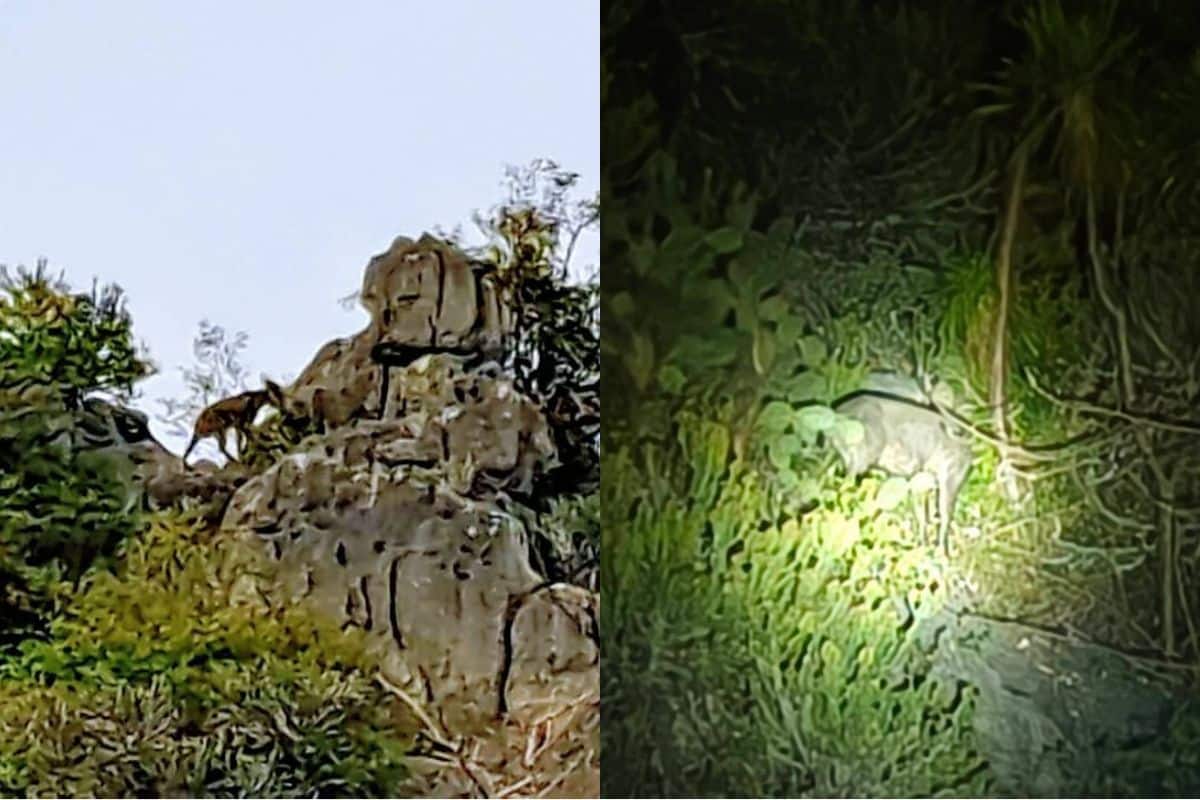
Park officials at Khao Sam Roi Yot National Park in Prachuap Khiri Khan shared photographs on January 3 showing a pair of serows, a species rarely seen in the wild, appearing in two different locations within the park.
According to Ekkarit Duangmala, head of Khao Sam Roi Yot National Park, one of the serows was seen at Khao Daeng cliff, a site where a previous sighting was recorded in early December last year. The second was spotted at Bo Kaew pier, marking the first sighting of the species in two different locations in 2026. These rare encounters have generated excitement among park visitors and officials alike.
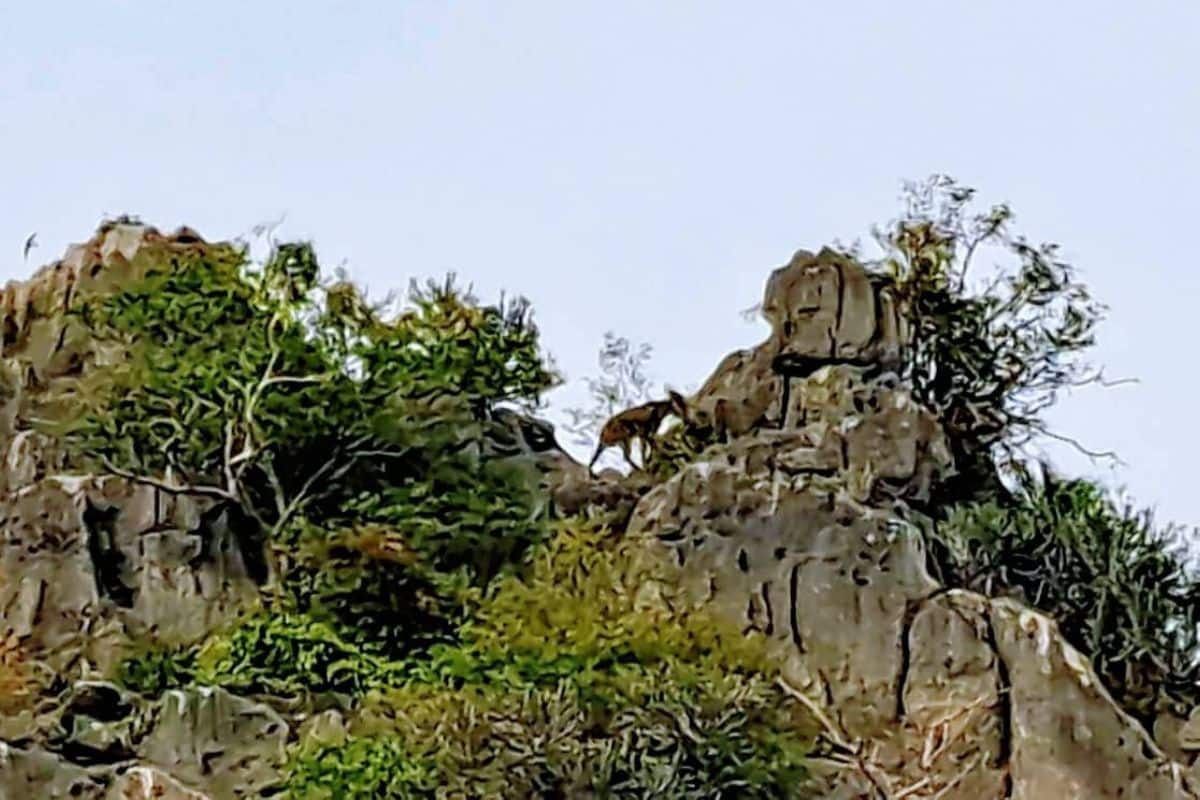
The serow (Capricornis sumatraensis), known in Thai as Liang Pha, is a protected species under Thailand’s Wildlife Preservation and Protection Act. Typically found in steep cliffs and dense forests, its presence is often used as an ecological indicator of habitat health. The sightings suggest a positive trend in biodiversity restoration within the park.
Ekkarit noted that the park’s rugged terrain, abundance of natural water sources, and diverse forest ecosystems create an ideal environment for wildlife to thrive. These natural advantages, combined with years of sustained patrolling, forest restoration, and strict enforcement against poaching and land encroachment, have contributed to making the area safer and more suitable for rare species.
He went on to say that the recent sightings of the serow in both Khao Daeng and Bo Kaew displayed the effectiveness of the park’s ongoing conservation efforts. According to him, the forest is not only in the process of recovery but is also evolving into a secure and sustainable habitat for endangered wildlife.
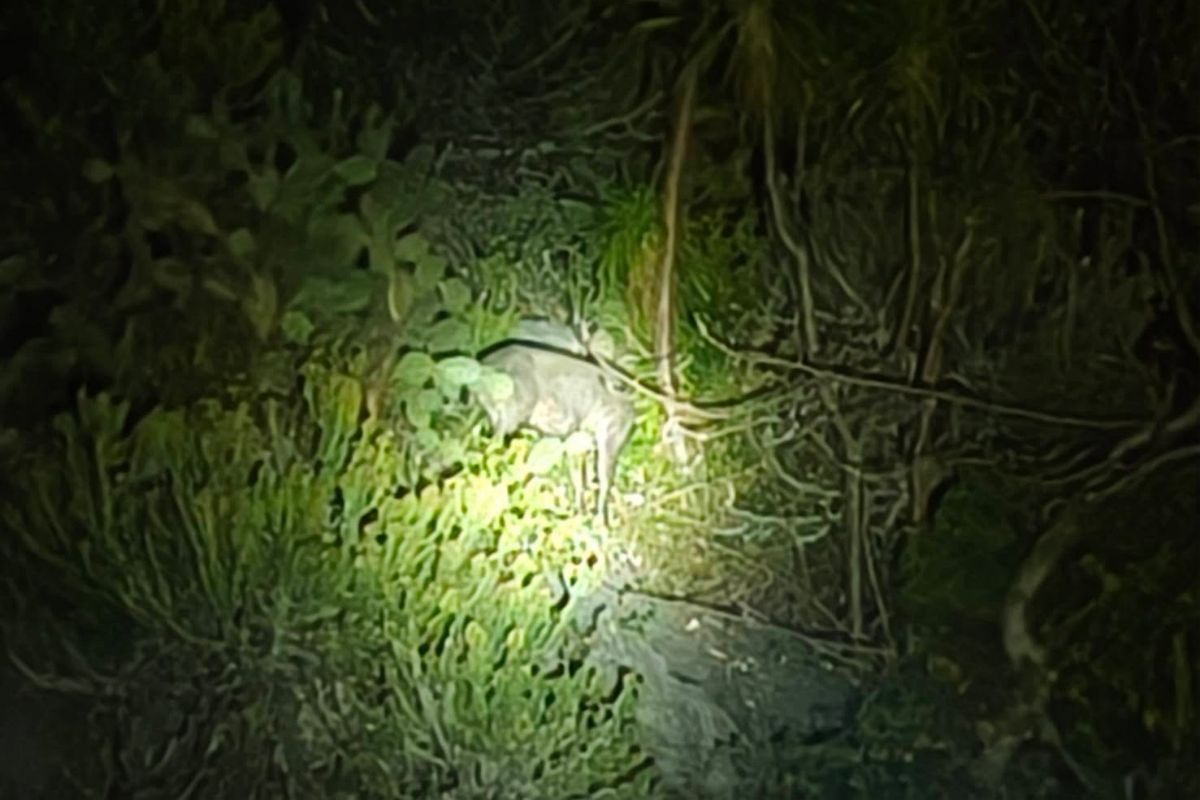
Ekkarit also pointed out that Kui Buri National Park, located nearby and sharing a connected mountainous ecosystem with Khao Sam Roi Yot, has similarly reaped the benefits of dedicated conservation policies. Both parks now serve as important sanctuaries for the serow and other wild animals, offering researchers and tourists the rare opportunity to observe endangered species in their natural surroundings.
The park encourages visitors to support wildlife conservation by keeping a respectful distance when encountering animals, avoiding disturbances, and reporting sightings to officials for ongoing research and protection efforts.


In a separate rare sighting, the Office of Conservation Area Management 12 has reintroduced footage of a pair of elusive wild cats, a leopard and a black panther, captured roaming together in the forested terrain of Khlong Lan National Park in Kamphaeng Phet.
Latest Thailand News

























Follow The Thaiger on Google News: