Thailand vs. Vietnam vs. Malaysia: Which is better for long-term living?


Thailand, Vietnam, and Malaysia have each carved out their own space in the long-term expat landscape. Thailand offers dependable healthcare and a well-established expat infrastructure. Vietnam stands out for rock-bottom costs and relentless urban energy. Malaysia brings modern living standards, cultural diversity, and an English-speaking environment that makes settling in remarkably smooth.
There’s no one-size-fits-all answer here. The right choice depends on what you actually need day-to-day: your budget, visa requirements, healthcare priorities, and the kind of lifestyle that keeps you sane over the years, not just months.
Cost of living
Vietnam remains the budget leader. Many expats live comfortably on US$1,000 to US$1,800 per month, especially in secondary cities like Da Nang or outside the main districts of Hanoi and Ho Chi Minh City. Street food costs US$1.50 to US$2.50, and local transport is dirt cheap. The trade-off is fewer Western comforts and a less polished infrastructure, particularly outside major city centres.
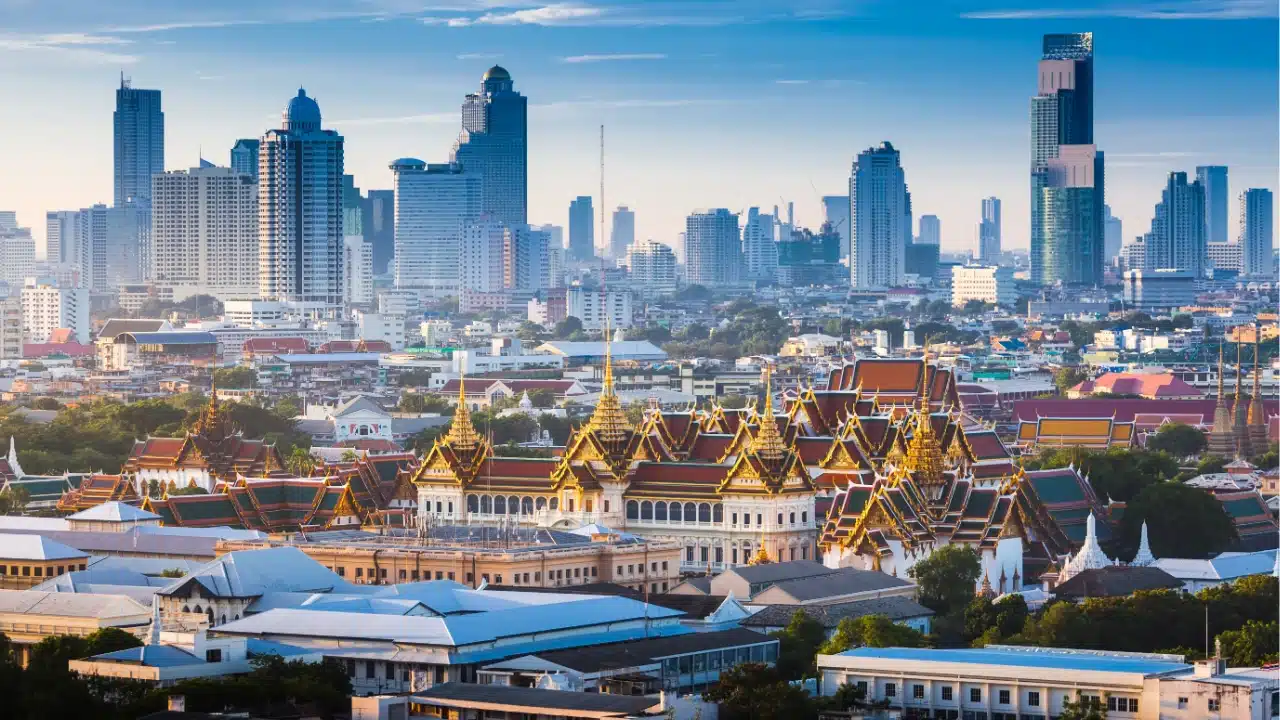
Thailand sits in the middle at US$1,500 to US$2,500 monthly. Rent and groceries cost more than in Vietnam, but you get reliable infrastructure, international supermarkets, and established expat areas like Chiang Mai and Hua Hin, where life just works.
Bangkok’s Sukhumvit corridor now rivals parts of Southern Europe for dining costs, especially in mid- to high-end restaurants, though secondary cities remain affordable.
Malaysia matches Thailand’s range at US$1,400 to US$2,500 per month but delivers better value in cities like Penang and smaller towns. Kuala Lumpur offers luxury condos at prices that would get you a shoebox in Bangkok, depending on location and building age, of course.
| Category | Thailand (US$/month) | Vietnam (US$/month) | Malaysia (US$/month) |
|---|---|---|---|
| 1-bed apartment (city centre) | 450 to 750 | 300 to 570 | 400 to 700 |
| Groceries (Western + local mix) | 150 to 300 | 120 to 250 | 200 to 350 |
| Utilities (electricity, water, internet) | 80 to 150 | 50 to 100 | 60 to 120 |
| Transport (public + occasional taxi) | 50 to 100 | 30 to 60 | 40 to 80 |
| Dining out (mix of local + mid-range) | 200 to 400 | 150 to 300 | 180 to 350 |
| Comfortable monthly total | 1,500 to 2,500 | 1,000 to 1,800 | 1,400 to 2,500 |
Vietnam wins on cost, Malaysia wins on value for money, and Thailand wins on infrastructure and lifestyle variety.


Visa options and long-term stay between Thailand, Vietnam, and Malaysia

Thailand currently offers one of the more flexible long-term visa options through the Destination Thailand Visa (DTV). While still relatively new, the DTV is designed to support longer stays, though requirements and extensions can vary by immigration office.
Here’s what you need to know:
- Valid for five years
- Allows 180-day stays per entry, with the possibility of extension up to 360 days, subject to immigration discretion and local office interpretation
- Costs around US$300, depending on embassy and nationality, with financial evidence typically required at the time of application
- Suits digital nomads, freelancers, and semi-retirees
- No officially stated minimum stay requirements
For higher net worth individuals, the Long-Term Resident (LTR) visa offers a 10-year term, with potential tax benefits that may apply depending on the applicant category, employment structure, and Board of Investment conditions. It requires either US$1 million in assets or US$80,000 annual income, but the fiscal benefits are substantial for those who qualify.
Malaysia’s Malaysia My Second Home (MM2H) programme has shifted toward wealthier applicants since 2021. The new structure uses fixed deposits as the main qualifying metric:
- Silver tier: US$150,000 deposit (5-year visa)
- Gold tier: US$500,000 deposit (15-year visa)
- Platinum tier: US$1,000,000 deposit (20-year visa, work permitted)
There is a minimum 90-day per year stay requirement. Up to 50% of the fixed deposit may be withdrawn after one year for approved purposes, subject to programme conditions.
The deposit is refundable, but it is locked capital with currency risk attached to the Malaysian Ringgit. For those who can meet the threshold, MM2H provides one of the clearest pathways to freehold landed property ownership for foreigners in Southeast Asia, subject to state regulations.
Property ownership rules vary by country and property type, and ownership does not automatically confer residency rights.
Vietnam remains the weakest link for visa stability. Here’s why:
- There’s no dedicated retirement or digital nomad visa
- Investor visas typically require capital investment starting from approximately VND 3 billion (US$120,000), with residence duration depending on the investment category
- Work permits tied to employment sponsorship
- Repeated tourist visa extensions or border runs
The lack of a proper long-term visa framework makes Vietnam suitable mainly for those with Vietnamese business ties or spouses.
No matter where you settle, good healthcare should be part of the plan. Cigna Global makes it easy to stay protected without stress.
Healthcare access and long-term security
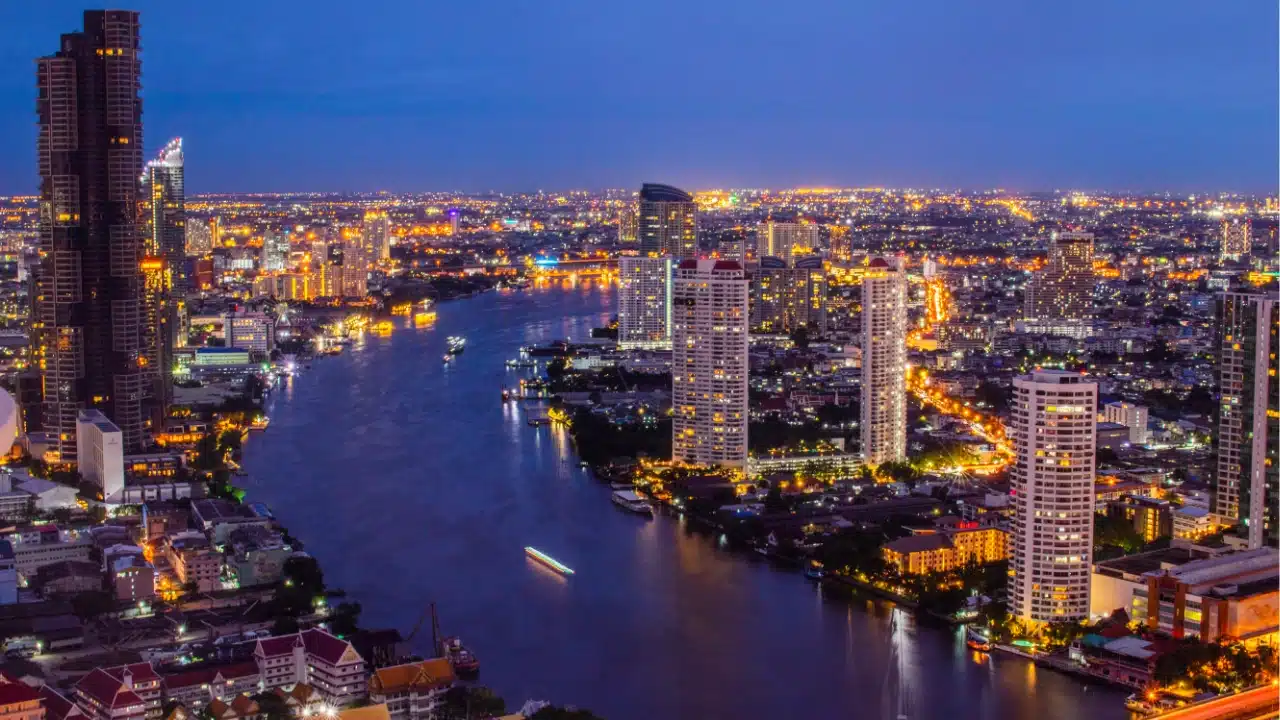
Thailand dominates healthcare quality for long-term expats. The country has the highest number of JCI-accredited hospitals in ASEAN, with facilities like Bumrungrad International Hospital and Bangkok Hospital in Bangkok, as well as top-tier options in Chiang Mai and Phuket, offering world-class care with English-speaking staff.
Why Thailand leads:
- Modern private hospitals with international standards
- English-speaking doctors and nurses across all levels
- Easy access to specialists without referrals
- Lower costs than Western countries (basic consultations US$50 to US$100)
- Direct billing with international insurance like Cigna for seamless treatment
Malaysia runs a close second with excellent private hospitals, often at 20 to 30% lower costs than comparable facilities in Thailand. Facilities like Prince Court Medical Centre and Gleneagles Kuala Lumpur are world-class, and doctors universally speak fluent English. Malaysia’s healthcare is often cited as the best value in the region, with regulatory oversight helping limit extreme price inflation in private hospitals.
Vietnam is improving, but lags in complex care. International hospitals like FV Hospital in Ho Chi Minh City and Vinmec in Hanoi handle routine and emergency care well. However, English-language support is more limited outside these facilities, and emergency response times can be inconsistent depending on location.
For long-term residents, Thailand and Malaysia offer the confidence that serious health issues can be handled locally. Vietnam works if you’re healthy and willing to travel for major treatment.
Safety and quality of life
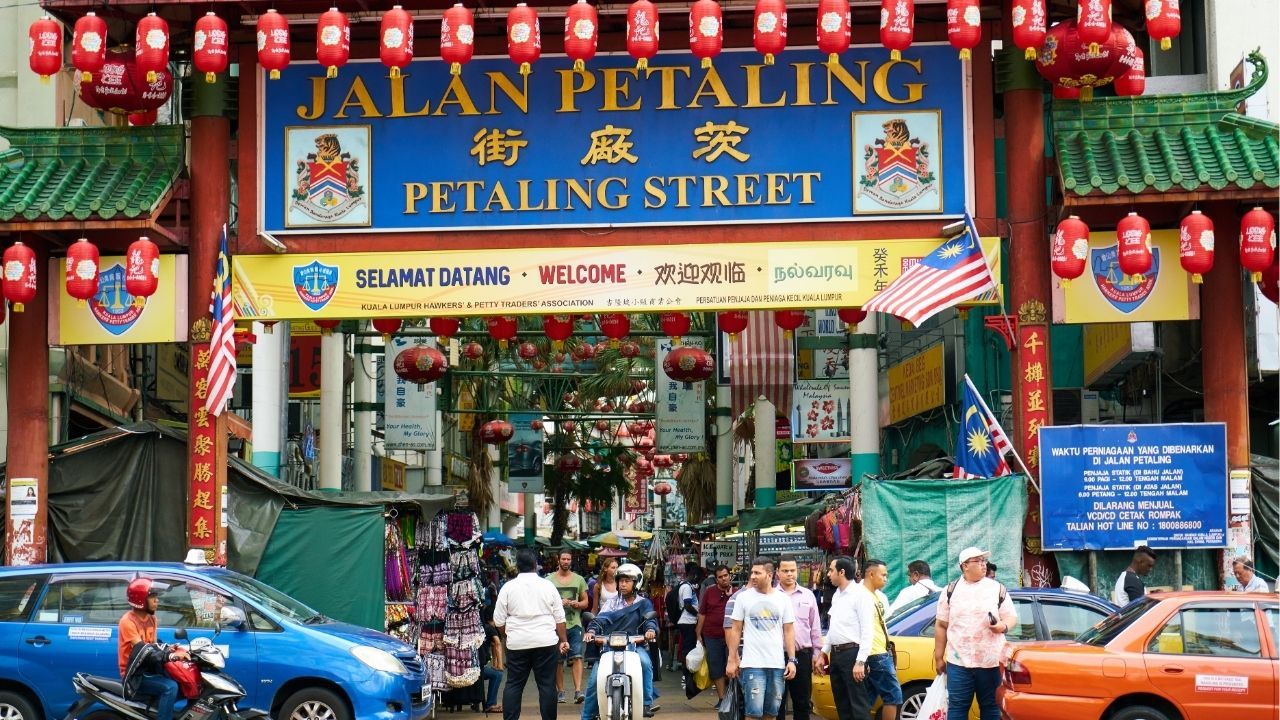
Thailand, Vietnam, and Malaysia are safe by global standards. Violent crime against foreigners is rare. The real differences show up in daily comfort, infrastructure, and how settled you feel after the first year.
Thailand feels social and welcoming. Street life is active, expat communities are easy to find, and places like Chiang Mai and Hua Hin make settling in feel natural. The relaxed pace and outdoor lifestyle suit people who want balance. Bangkok consistently ranks among the world’s most congested cities, with drivers losing significant time annually, but the BTS and MRT systems make daily life manageable once you’re on them.
Vietnam feels energetic and unpolished. Cities like Hanoi and Ho Chi Minh City buzz with motorbike traffic, street food, and constant activity. It’s affordable and full of opportunity, but the chaos, language barriers, and bureaucracy wear on some people over time. Northern Vietnam’s air pollution (especially in Hanoi in winter) is a real concern, with PM2.5 levels often hazardous. Traffic accidents are a leading risk.
Malaysia feels orderly and predictable. Cities like Kuala Lumpur and Penang are clean, well-organised, and easier to navigate. English being widely spoken removes friction. Malaysia consistently ranks among Asia’s safer countries in global peace and safety indices, making it especially appealing to families and retirees.
Thailand ranks high for quality of life and ease of settling in. Vietnam scores well for affordability and energy, but loses points for bureaucracy and pollution. Malaysia performs strongly in safety, infrastructure, and long-term stability.
For most expats, Thailand offers the best balance between comfort and lifestyle. Malaysia wins for those who value peace and predictability. Vietnam suits those who can handle the rough edges in exchange for low costs.
Lifestyle fit and long-term comfort
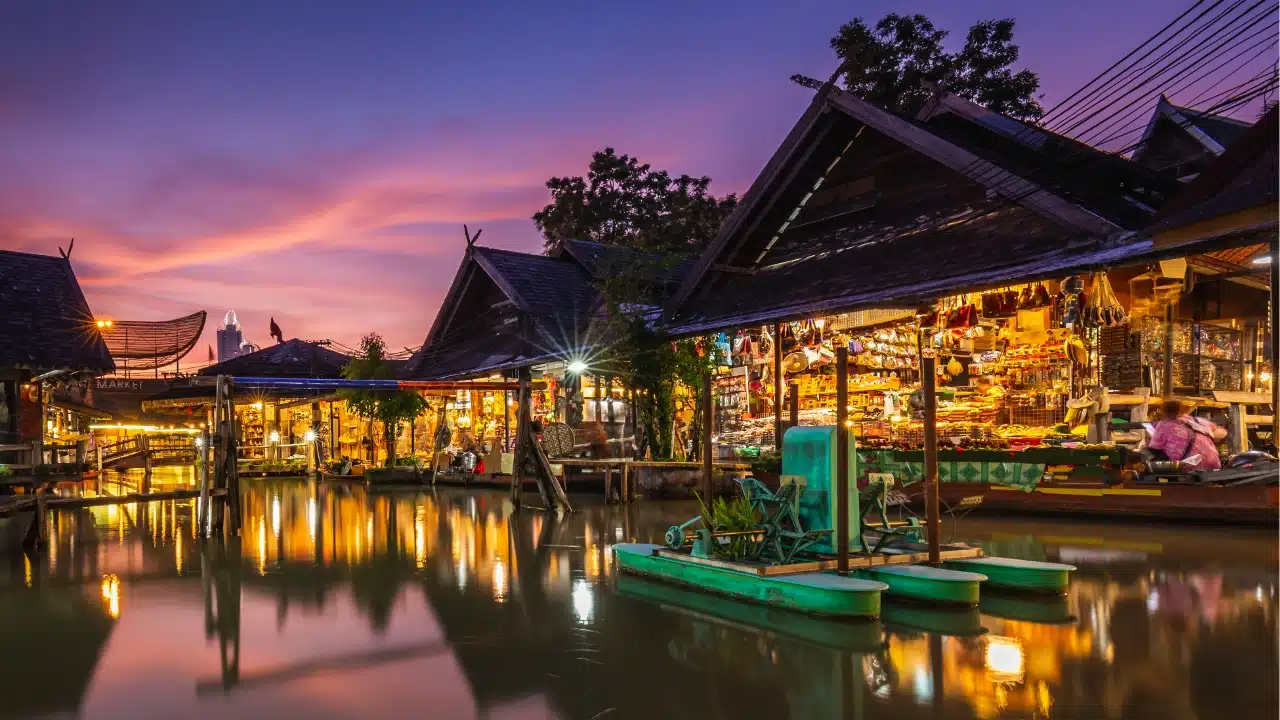
Thailand suits expats who want variety and choice. Beach towns like Hua Hin offer calm seaside living with excellent healthcare. Northern cities like Chiang Mai provide cooler weather, mountains, and a strong community feel (though air quality in February–March is rough). Bangkok delivers endless food, entertainment, and international schools. You can tailor your lifestyle to your needs.
Vietnam attracts younger expats and entrepreneurs. Ho Chi Minh City pulses with startup energy and cheap rent. Hanoi offers a more traditional, slower vibe with tree-lined streets and a growing arts scene. Da Nang and Nha Trang provide beach living at a fraction of Thailand’s cost. The energy is infectious, but long-term residents need to be comfortable with visa runs, language barriers, and occasional infrastructure frustrations.
Malaysia appeals to those who prefer structure and ease. Penang combines UNESCO heritage with beaches and excellent food. Kuala Lumpur offers a modern capital with luxury living at accessible prices. English being the de facto business language makes daily life smoother. For MM2H holders, the lack of visa runs, stable healthcare, and property ownership options makes Malaysia one of the easiest places to put down long-term roots.
Thailand offers variety, nature, and a strong expat infrastructure. Vietnam suits budget-focused expats who thrive in chaotic, energetic environments. Malaysia provides stability, multicultural ease, and the clearest path to long-term residency.
Healthcare often tips the scales for families and older expats. Thailand and Malaysia both have reliable private hospitals that work seamlessly with international insurance providers like Cigna, giving access to specialist care and emergency support without upfront payment. Vietnam’s healthcare is improving, but remains less consistent for serious long-term needs.
Overall, Thailand works for all-around living. Malaysia suits those who value predictability and comfort. Vietnam fits expats who prioritise low costs and can adapt to challenges.
How to choose
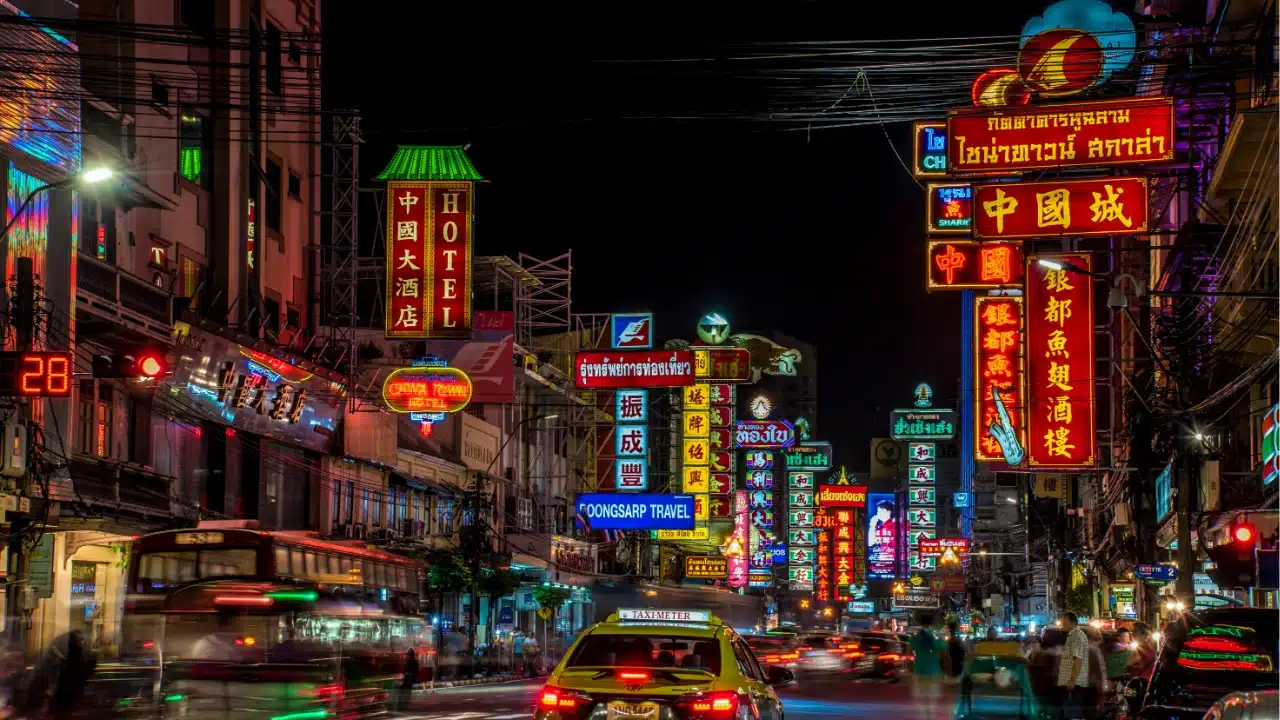
There’s no objectively “best” country. Each works for different types of people depending on what matters most in daily life.
Vietnam works if affordability and energy are your top priorities. You’ll handle paperwork and occasional chaos in exchange for cheap rent, vibrant street culture, and low monthly costs. Best for younger expats, entrepreneurs, and those who don’t mind roughing it a bit.
Malaysia works if you want stability, order, and an English-friendly environment. Freehold property ownership, excellent healthcare, and minimal language barriers make it the smoothest long-term option. Best for families, retirees, and those who value predictability over excitement.
Thailand offers the most balanced option. Flexible visas like the DTV, strong healthcare infrastructure, and lifestyle variety from quiet towns to bustling cities make it the default choice for most expats. Best for those who want reliable systems without sacrificing culture or adventure.
When deciding, focus on your actual priorities:
- Can you handle visa runs and bureaucracy, or do you need long-term stability?
- How important is quality healthcare, and can you afford to travel for serious treatment?
- Do you want a tight expat community, or are you comfortable integrating solo?
- Does the cost difference of US$500 to US$1,000/month actually matter to your finances?
Many expats also rely on international health insurance like Cigna to add security and peace of mind, no matter which country they choose. With direct billing at top hospitals across all three countries, it removes one major source of stress when settling in long-term.
Looking to live long-term in Southeast Asia? Get a quote from Cigna Global and choose a plan that fits your lifestyle.
Prices and details reflect conditions in 2025-2026 and may vary based on location and individual circumstances.
Thailand, Vietnam, and Malaysia all suit different long-term expat lifestyles. Vietnam works best for low costs and high energy, Malaysia suits those who value stability and easy daily living, and Thailand offers the most balanced option with flexible visas, strong expat communities, and reliable healthcare supported by international insurance such as Cigna.
The right choice depends on budget, visa needs, healthcare, and lifestyle. If healthcare is a key factor, read our related guide, A practical way to think about healthcare when living in Thailand, for a deeper look at long-term planning.
Sponsored
Latest Thailand News
























Follow The Thaiger on Google News: