A simple guide to renting in Thailand (plus a bonus tip)


Renting in Thailand is generally straightforward, but a little preparation goes a long way. Whether you’re looking to relocate or planning an extended stay, being familiar with local rental practices, from deposits and documents to pricing and property standards, will make the process much smoother.
This guide outlines the key steps to renting in Thailand, from choosing the right location and budgeting realistically to understanding contracts and avoiding unnecessary costs.
Plus, there’s one often-overlooked bonus strategy that can help you settle in with less stress, especially if you’re here on a long-stay visa.
On this page
| Section (Click to jump) | Short Summary |
|---|---|
| Start with location and budget | Match your lifestyle to the right area, then budget for rent, deposits, and utilities so you do not get surprised later. |
| Get documents sorted early | Prepare the key paperwork landlords ask for and understand the TM30 step so your stay stays compliant. |
| Where to search and who to trust | Use trusted property platforms and reputable agents, and spot the warning signs that often lead to scams. |
| What to check during viewings | Inspect the unit properly, test essentials, and judge the building and neighbourhood so the real condition matches the listing. |
| Making an offer and securing the place | Know what the booking fee means, what you pay upfront, and how lease length and exit terms can affect you. |
| What your lease must include | Lock in the non-negotiables in writing, including utilities, repairs, and hidden fees, and avoid signing anything you cannot verify. |
| Health insurance and renting | Insurance is not usually a rental rule, but visa requirements and private hospital costs can shape how secure your long stay feels. |
| Common money mistakes | Prevent deposit disputes by documenting the move-in condition, confirming inclusions, and doing a proper test run before signing. |
Start with the right location and budget
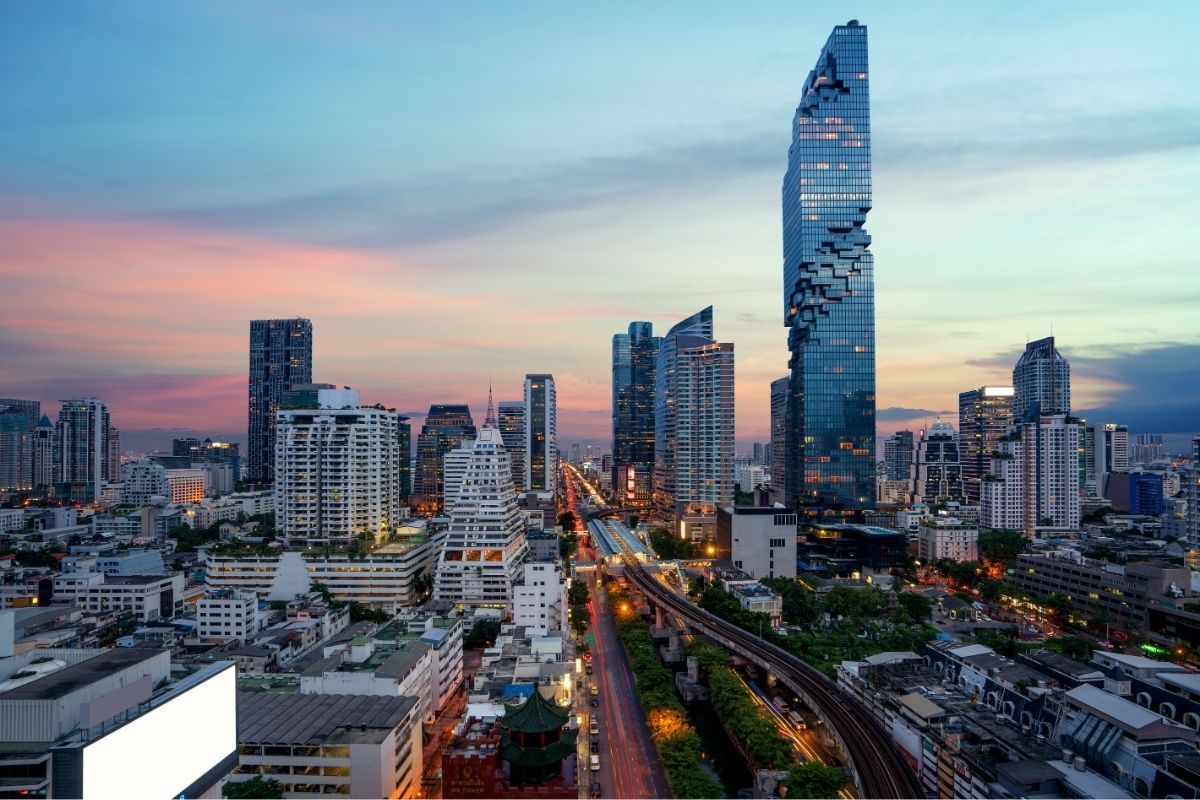
Big cities like Bangkok and Chiang Mai offer convenience. You’ve got hospitals, international schools, reliable public transport, and endless food options. Popular expat areas like Sukhumvit in Bangkok or Nimman in Chiang Mai make settling in easier because they’re much more foreigner-friendly. The trade-off? Higher rent, traffic, and noise.
Quieter alternatives like Hua Hin, Sattahip, or smaller Chiang Mai suburbs give you a slower pace, lower costs, and tighter communities. You’ll save money but sacrifice some convenience. Before deciding, check the area for nearby construction, flood risk during the rainy season, and distance to shops and hospitals.
Budget-wise, here’s what to expect monthly:

- Bangkok or Phuket city centre: 15,000 to 25,000 baht
- Chiang Mai: 10,000 to 18,000 baht
- Suburbs or quieter towns: 8,000 to 15,000 baht
Keep in mind that these figures can vary widely depending on location, building quality, unit size, furnishings, and whether you’re renting in Thailand through an agent or directly from a landlord. Use them as a general starting point rather than fixed prices.
Beyond monthly rent, plan for one to two months’ deposit upfront, plus utilities (electricity, water, internet). Some buildings charge higher utility rates than the government standard, so ask before committing. Most landlords cover agent fees.
Get your documents sorted early
Landlords typically want to see your passport copy, visa or entry stamp, and sometimes a work permit or reference from a previous landlord. Keep digital copies on your phone or cloud storage so you can move quickly when you find the right place.
After you move in, your landlord must file a TM30 form with immigration within 24 hours. This notifies authorities where you’re staying and can be important for visa reporting and long-term compliance.
Where to search and who to trust
Well-known property websites are your best bet as they give you a starting point with clear photos, price ranges, and filters. Platforms like FazWaz, DDproperty, Hipflat, and Livinginsider let you compare options and understand local pricing.
Working with a reputable agent helps, especially in competitive areas where good units disappear fast. A decent agent arranges viewings, explains the local market, handles language barriers, and points out hidden costs before you commit. Look for agents with reviews or recommendations from expat communities.
Red flags to watch for: anyone pressuring you to pay before viewing, requests for cryptocurrency, or refusal to show ownership documents. If it seems too good to be true, it probably is.
What to check during viewings
Never rely on photos alone. Always inspect in person and test everything that matters.
Essential checks during your viewing:
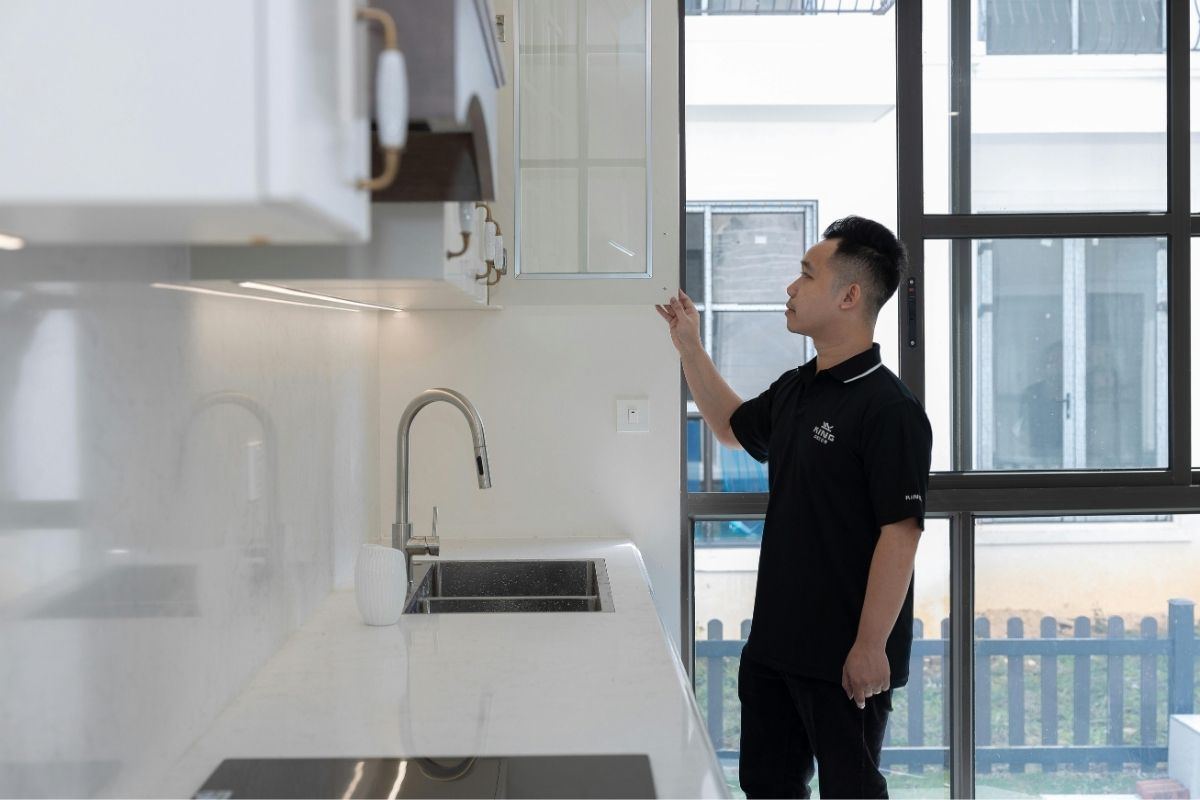
- Air conditioning: Turn it on and let it run. Check if it cools evenly and quietly. Ask when it was last serviced. Old units push electricity bills sky-high.
- Water systems: Test pressure in showers and sinks. Check for leaks under sinks and around toilets. Turn on the water heater to make sure it works.
- Mould and humidity: Look in corners and around windows. Thailand’s climate makes this common in older buildings.
- Building condition: Check security features, general maintenance, and whether there’s noisy construction nearby.
- Neighbourhood vibe: Walk around at different times of day to understand noise levels, traffic patterns, and whether you’ll actually feel comfortable there.
Making an offer and securing the place

After viewing, you make an offer through the agent or landlord. In some areas, you can negotiate slightly below the asking price, especially for longer leases.
Once your offer’s accepted, you pay a booking fee (usually one month’s rent) to hold the unit whilst the contract gets prepared. This fee counts toward your first payment but is typically non-refundable if you back out. Get written confirmation of this arrangement.
Most rentals use 12-month contracts, matching visa timelines for many expats. Some landlords offer six months for short stays or longer terms for retirees. Make sure the contract clearly states start and end dates, renewal terms, and what happens if you need to leave early.
At signing, you’ll pay one to two months’ security deposit plus the first month’s rent. That’s two to three months upfront total. The deposit should be refundable if there’s no damage beyond normal wear and tear.
Remember to keep receipts and note the condition of the unit during move-in. This helps avoid disputes later on.
What your lease must include
Your contract should clearly state the monthly rent amount and payment date, payment method (usually bank transfer), lease length and renewal terms, and security deposit amount with return timeline. It should also explain who pays utilities and who handles repairs. Typically, tenants pay electricity, water, and internet, whilst landlords cover major repairs.
Always ask for a contract in English or a bilingual English-Thai version and read both versions carefully, and ask questions about anything unclear before signing.
Hidden costs to watch for: higher electricity or water rates than the government standard, building or common area fees, cleaning or lock-change fees when you move out, and unclear repair responsibilities. If something’s not written clearly, ask for it to be added.
Do you need health insurance to rent in Thailand?
If you’re planning a long-term stay, health insurance isn’t just a nice-to-have; it can be a visa requirement. Certain visa types, like the O-A, O-X, and LTR, require proof of insurance with coverage ranging from US$50,000 to US$100,000. Without valid insurance, you may be denied a visa extension, which directly affects your ability to rent and stay in Thailand legally.
Also: A practical way to think about healthcare when living in Thailand
Even if your visa doesn’t require it, private hospitals in Thailand charge international rates. A short ER visit with scans can cost 50,000 baht (around US$1,400) or more. Having coverage means you’re not stuck scrambling for cash during a health emergency.
For peace of mind, Cigna Global offers expat health plans tailored for Thailand. Their packages meet visa requirements, include direct billing (no paying upfront), and cover major hospitals like Bangkok Hospital and Bumrungrad.
Common mistakes that cost you money
Mistakes that lead to lost deposits and disputes:
- Not documenting condition at move-in: Take clear photos and videos of every room before settling in. Record any existing marks, damage, or wear.
- Assuming inclusions without confirming: Don’t assume internet, water rates, or parking are included. Check the internet speed and whether it’s private or shared. Verify actual utility rates (government standard is 4-6 baht per unit for electricity). Confirm parking availability and cost.
- Signing Thai-only contracts: Never sign anything you can’t fully understand. Even if someone explains it verbally in English, you’re legally bound by what’s written in Thai.
- Skipping the test run: Actually turn on the AC, run water, flush toilets, and check electrical outlets during viewing.
Finding a place is just the first step for renting in Thailand. Feeling genuinely settled means having support systems in place, like a reliable doctor, internet setup, and health coverage. These details often get overlooked during the rush of renting, but make a big difference in feeling at home.
Sponsored
Latest Thailand News
























Follow The Thaiger on Google News: