Buying property in Thailand? Don’t skip this home insurance guide


Buying property in Thailand is exciting, but it also comes with legal hoops, financial complexities, and risks you might not expect. Whether you’re eyeing a beachfront condo in Phuket or a modern Bangkok apartment, understanding how to protect your investment is just as important as closing the deal.
This guide, with insights from AA Insurance Brokers, walks you through the home ownership essentials: rules for foreigners, what documents you’ll need, how to make your purchase, and most importantly, how to protect your property from Thailand’s very real natural disaster risks.
Let’s break it down.
On this page:
| Section (Click to jump) | Short Summary |
|---|---|
| Can foreigners own property? | Explains the legal limits on foreign ownership in Thailand and the main structures foreigners can use. |
| What the buying process looks like | Breaks down due diligence, paperwork, financing realities, and transfer steps at the Land Office. |
| Why property insurance matters | Highlights natural disaster risks, coverage gaps, and why standard policies are often insufficient. |
| Protect your investment with AA Insurance | Outlines how AA Insurance Brokers help expats secure comprehensive, tailored property coverage. |
Can foreigners even own property in Thailand?
Short answer: yes, but with limits.
Thailand’s Land Code Act restricts foreigners from directly owning land. That’s a non-negotiable rule designed to keep land ownership in Thai hands. So if you’re dreaming of buying a villa with a big yard, you’ll need to work within specific legal structures.
Here are your three main options:
Option 1: Freehold condominium (the safest bet)
This is the most straightforward route for foreign buyers. You can own a condo unit outright with a full freehold title, meaning you have 100% ownership to sell, rent, or pass on as you choose.
The catch? Only 49% of any building can be foreign-owned. The remaining 51% must belong to Thais. It’s a quota system that balances foreign investment with local ownership.
To register your condo, you’ll need proof that you brought the money in from overseas. That means getting a Foreign Exchange Transaction Form (FETF) from your bank for any amount over US$50,000. Without it, the Land Office won’t register your title, which can kill your purchase.
You’ll also need a Quota Letter from the condo’s Juristic Person confirming your purchase won’t push the building over the 49% foreign limit.
Option 2: Leasehold (long-term use, not ownership)

If you want a house or land, a leasehold is your next best option. You don’t own the property, but you can use it long-term.
Current law allows a maximum 30-year lease with the possibility of renewal. But here’s the kicker: renewal isn’t guaranteed. It requires both parties to agree when the lease ends, which makes big renovations or capital improvements risky.
The government has proposed extending leases to 99 years, which would be a game-changer. If that passes, it’ll give foreign buyers near-lifetime security.
Option 3: Thai company ownership (complicated and risky)
Some foreigners set up a Thai Limited Company to buy land indirectly. Under the Foreign Business Act, you’re limited to 49% ownership, with Thais holding the other 51%.
The problem? Nominee arrangements, where Thai shareholders hold shares just to get around the law, are illegal. If authorities suspect this, your company can be dissolved, and you could face legal trouble.
Unless you’re working with a Board of Investment (BOI)-promoted company, this route is risky and requires serious legal oversight.
What the buying process actually looks like
Once you’ve chosen your ownership structure, here’s what to expect.
Step 1: Due diligence and paperwork
Hire a Thai property lawyer to verify the title, check for legal issues, and review building permits. After your offer is accepted, you’ll typically pay a 10% deposit.
All property transfers happen at the Land Office. For foreign condo buyers, you’ll need your FETF (proving overseas fund transfer), a Debt-Free Certificate from the condo’s Juristic Person, and a Foreign Quota Affidavit confirming compliance.
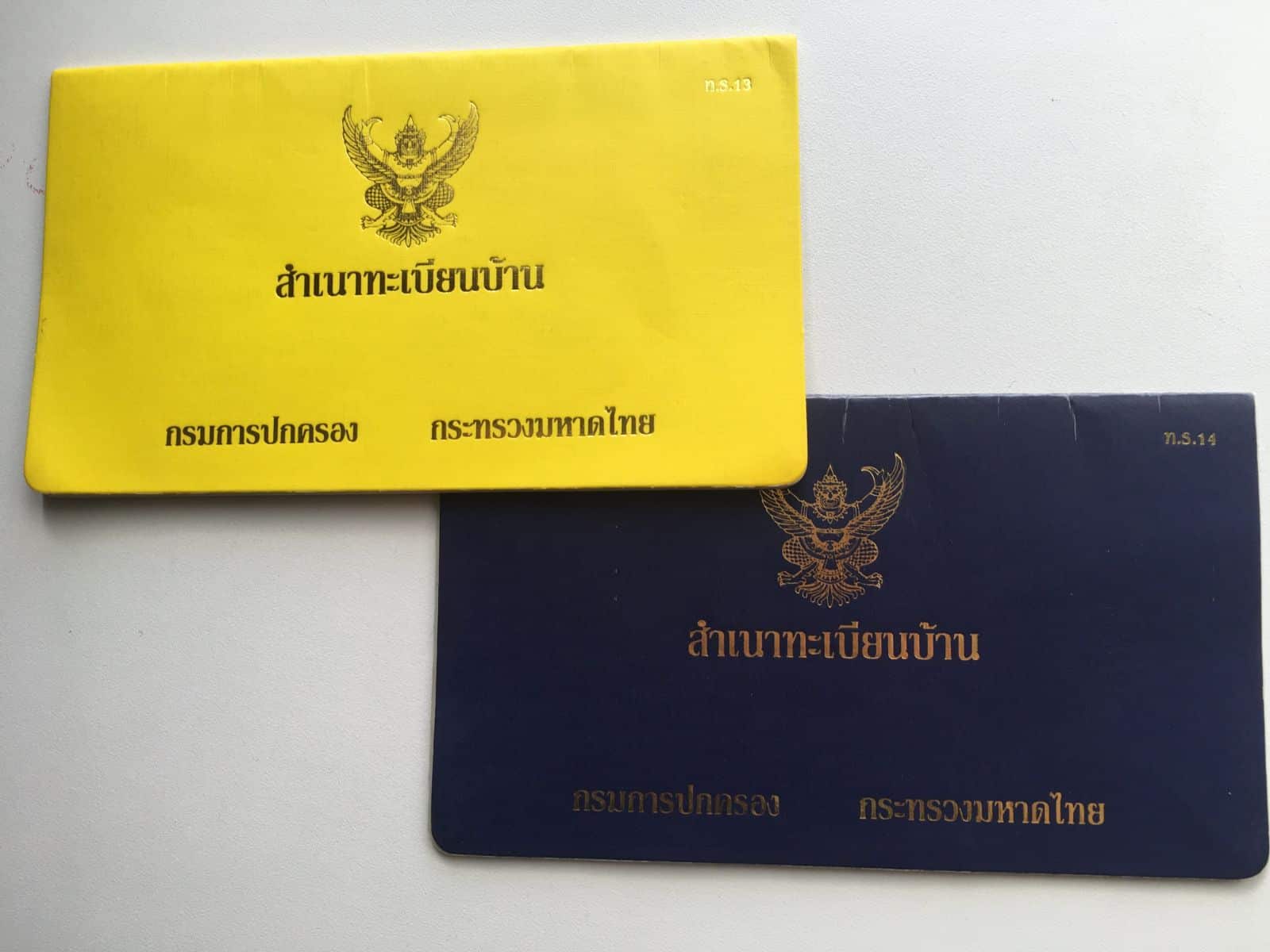
One thing to note: owning property doesn’t automatically mean you’re registered as a resident. Thai citizens get a Blue House Book for residency, whilst foreigners can apply for a Yellow House Book.
Step 2: Financing (if needed)
Getting a mortgage as a foreigner is tough, as most major Thai banks restrict mortgages to Thai citizens only. Thai nationals can secure loans with 90 to 100% loan-to-value ratios and 30-year terms.
The few programmes available for foreigners require:
- Down payments of 30 to 50% (compared to 10 to 20% for Thais)
- Valid work permits or permanent residency
- Documented stable income
If you’re financing through a Thai bank, they’ll require property insurance to protect their collateral. But don’t just meet the minimum. Comprehensive home insurance from a specialist like AA Insurance Brokers covers fire, water damage, natural disasters, theft, and liability, giving you real protection beyond basic bank requirements.
Step 3: Costs and taxes
Expect to pay around 2 to 4% in transfer fees, taxes, and registration costs. Make sure everything is clearly allocated in your Sale and Purchase Agreement.
Here’s the big tax change: since January 2024, if you’re a tax resident (in Thailand for 180+ days per year), all foreign income you bring into the country is taxable. This affects property purchases because large fund transfers can be taxed upon remittance. Work with a tax adviser to time your transfers strategically.
Protecting your property: why insurance is non-negotiable
As we’ve all come to find out, Thailand is beautiful, but it’s also prone to floods, storms, and earthquakes (as of late). And many property owners don’t realise their standard insurance might not cover these risks adequately.
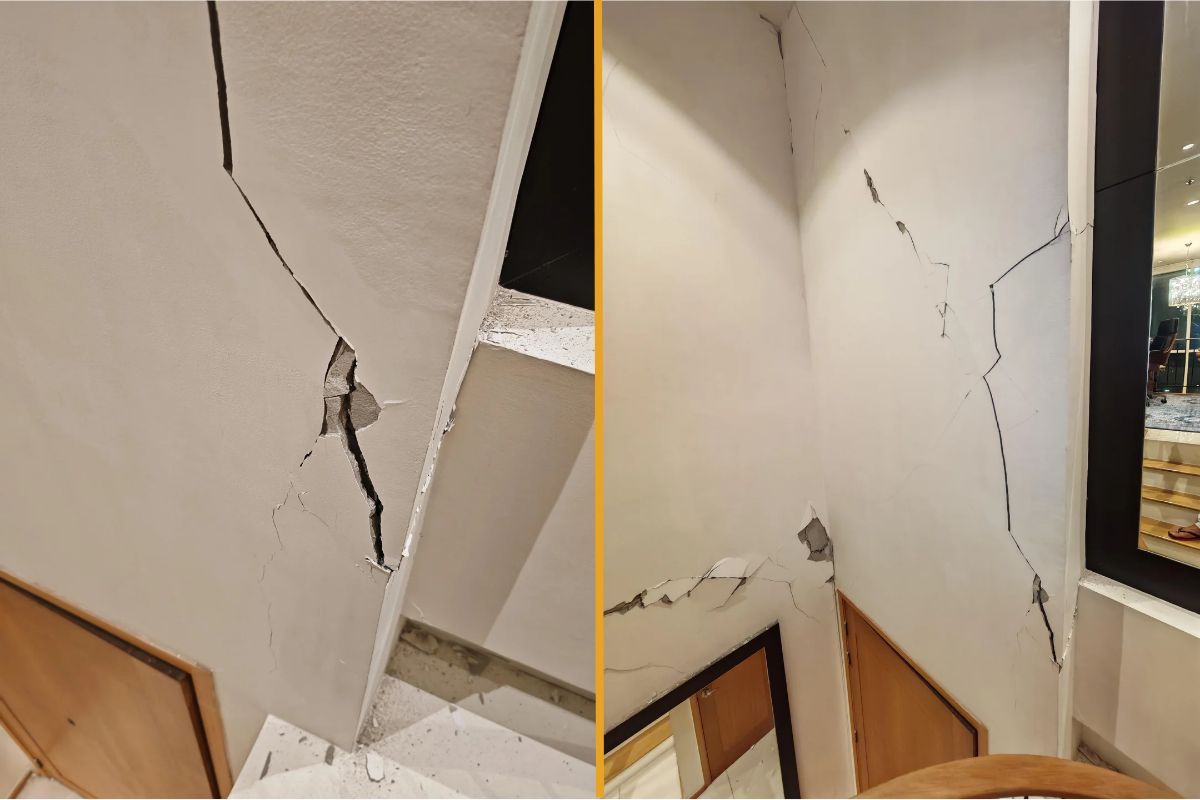
For condo owners, don’t assume you’re covered. If you own a condo, the building’s Juristic Person is required to insure common areas. But that doesn’t cover your unit’s interior, your belongings, or personal liability.
AA Insurance Brokers offers Condo Insurance specifically designed to fill these gaps. Their policies cover:
- Fire, lightning, and water damage
- Natural disasters (storms, earthquakes), excluding floods
- Burglary and theft
- Electrical damage and glass breakage
- Temporary housing if your unit becomes uninhabitable
- Third-party liability across Thailand
With multilingual support in English, Thai, German, Dutch, and French, and offices in Bangkok, Pattaya, Phuket, Hua Hin, and Samut Prakan, AA Insurance makes it easy to get the coverage you need.
The “catastrophe gap” problem
Here’s something most people miss: even comprehensive policies often have low sub-limits for natural disasters.
Your policy might cover your building up to 30 million baht for a fire, but flood or earthquake coverage might be capped at just 100,000 to 200,000 baht. That’s nowhere near enough to rebuild after a major disaster.
If you’re in a flood-prone or coastal area, you need specialised natural disaster riders that raise those limits significantly. Without them, you’re gambling with your biggest investment.
Remember to watch out for common exclusions like war, wilful damage, high-value portables (jewellery, laptops), and properties used for short-term rentals.
And here’s a big one: make sure your Sum Insured reflects your property’s actual replacement cost. If you’re underinsured, the insurer may only pay out a proportional amount of your claim under the Average Clause.
Protect your investment with AA Insurance Brokers
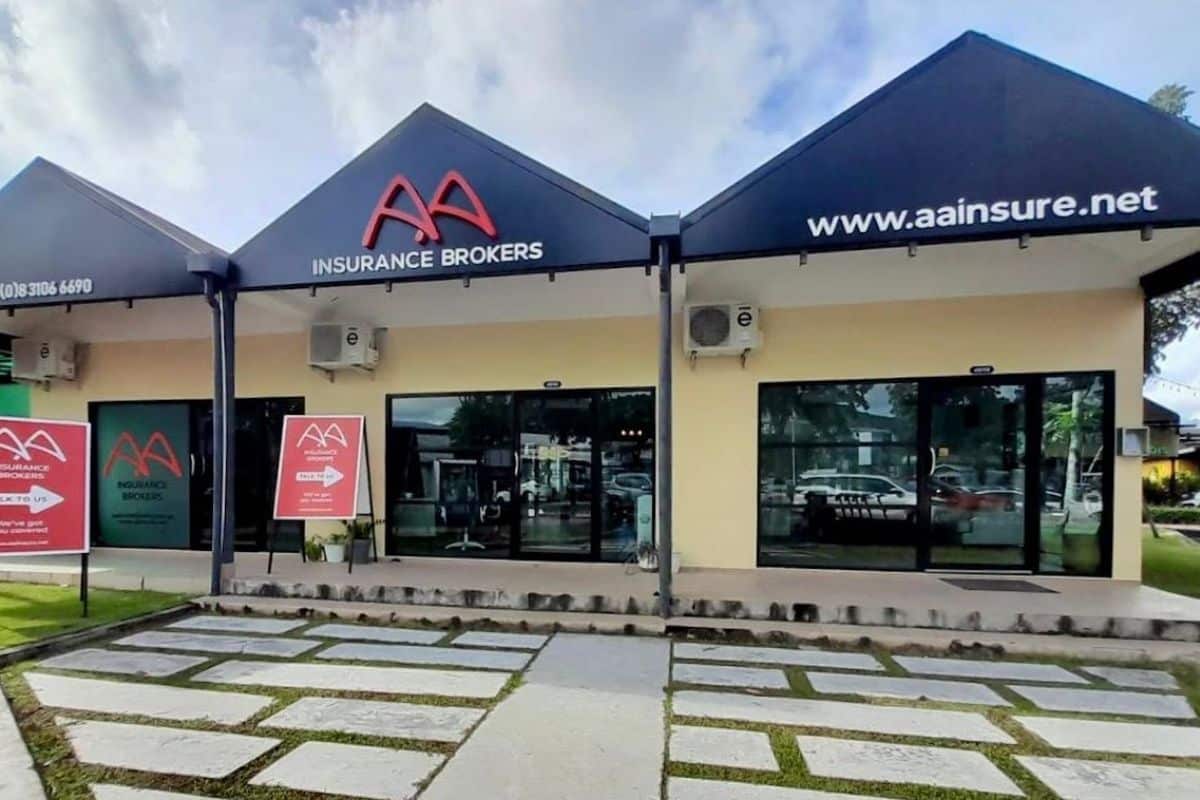
AA Insurance Brokers has been helping expats protect their property in Thailand for over 20 years. Recognised by the Office of Insurance Commission (OIC) and awarded top honours by insurers like AIG, AXA, and MSIG, they offer personalised, flexible coverage for houses, condos, and rental properties.
Their motto says it all: “If it can be insured, we will insure it!”
Whether you need basic Named Perils coverage or comprehensive All-Risks protection, AA Insurance works with Thailand’s top insurers to find the right plan for your needs and budget.
Ready to protect your Thailand property? Contact AA Insurance Brokers today:
- Phone: +66 (0)2 821 6263
- Email: welcome@aainsure.net
- Website: www.aainsure.net
Visit their offices in Hua Hin, Pattaya, Phuket, or Samut Prakan for in-person support. Don’t leave your investment unprotected. Get covered by a broker expats trust.
- Hua Hin: Wong Chomsin Building, 4th Floor, Office 403 – 83/14 Phetkasem Road, Hua Hin, Prachuap Khiri Khan 77110
- Pattaya: 565/62 Moo 10 (next to Big C), Nongprue, Banglamung District, Chonburi 20150
- Phuket: Boat Avenue, 49/59-60 Lagoon Road, Choeng Thale, Thalang District, Phuket 83110
- Samut Prakan: 276/16 Moo 19, Phra Pradaeng District, Samut Prakan 10130
Sponsored
Latest Thailand News






















Follow The Thaiger on Google News: