Middle East airspace disruption: What you need to know about delays and reroutes

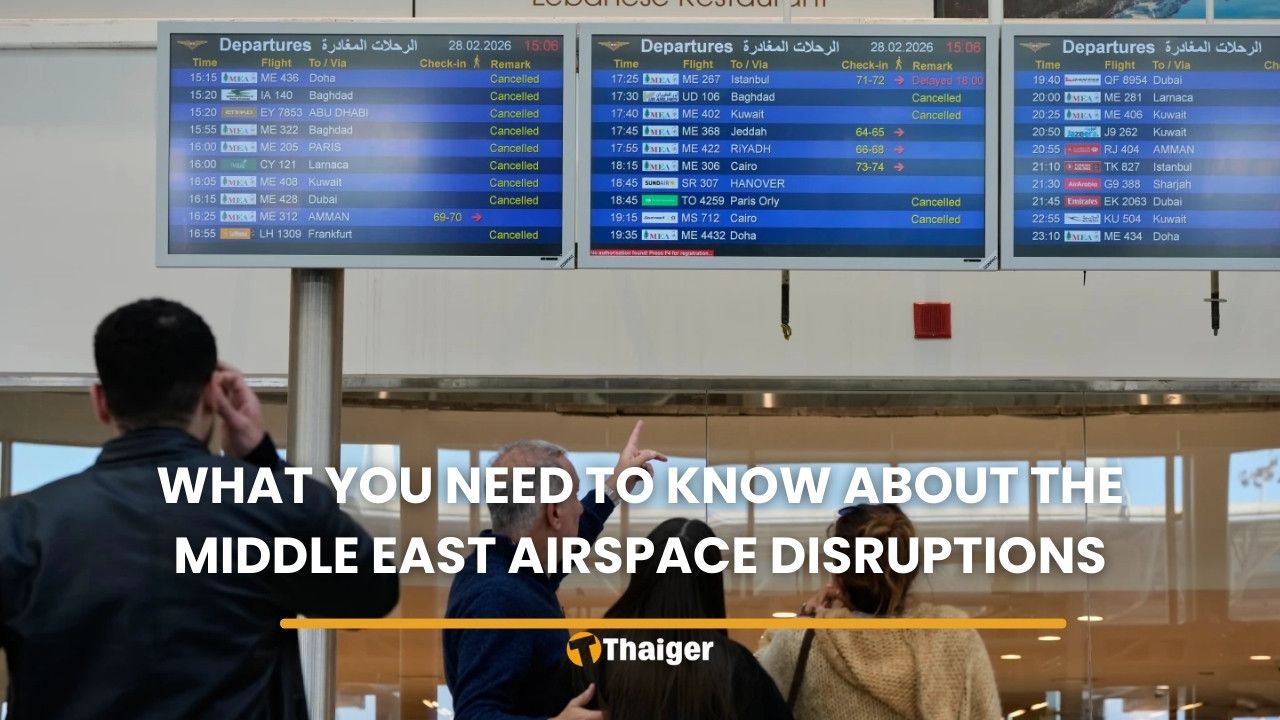
The Middle East airspace situation remains highly disrupted as of March 5, 2026, with conflict-driven closures, restrictions and airline suspensions affecting key routes between Europe and Asia.
The disruption extends beyond airline cancellations, as airlines, regulators, cargo operators and passengers face a fast-changing risk environment shaped by military escalation, missile and air-defence threats, and navigation interference across multiple flight information regions (FIRs).
Why this matters to ordinary travellers
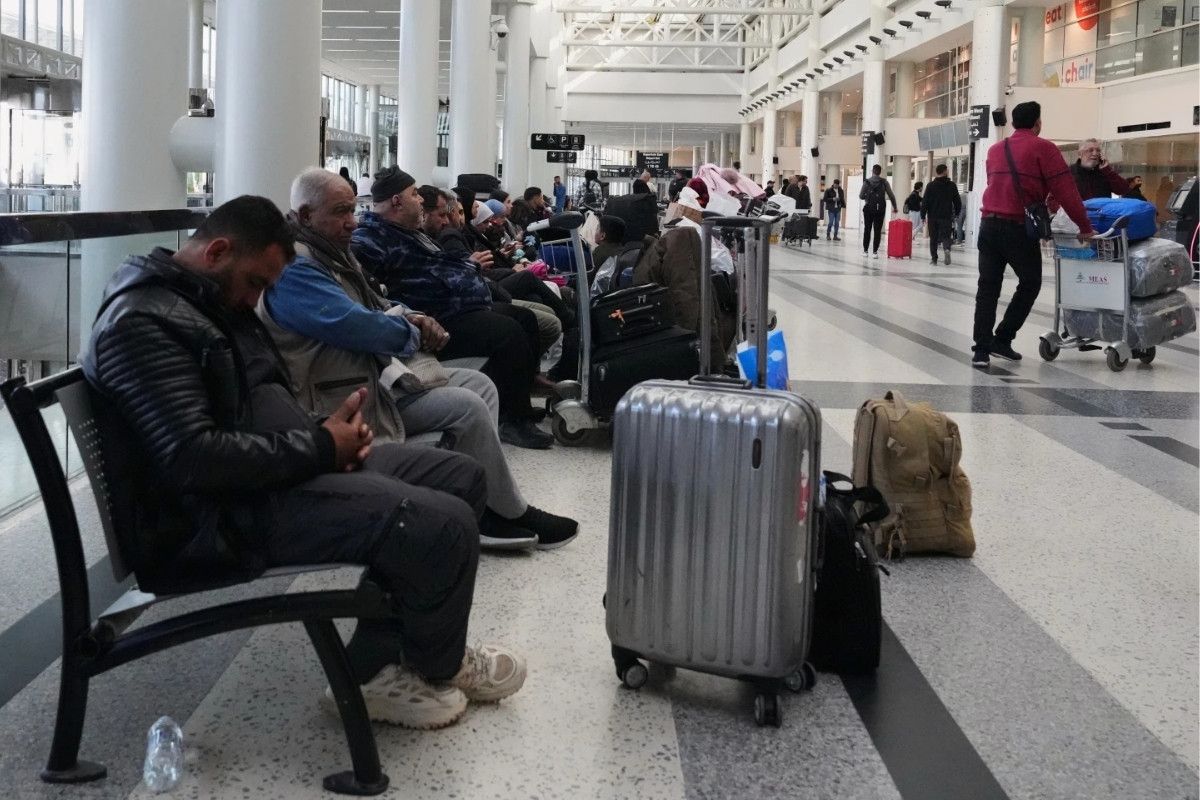
The disruption goes beyond flights to the Middle East itself. Dubai, Abu Dhabi and Doha are major global transit hubs used by millions of passengers each year, so closures or restrictions there can delay or derail journeys between Europe, Asia and Africa even if a traveller is not flying to a conflict-affected country.
A key reference point for European operators is the European Union conflict-zone advisory framework. The latest Middle East bulletin warns of missile, air-defence, spill-over and misidentification risks across multiple states and at all altitudes, helping explain why airlines may suspend flights or reroute aircraft even when some airports or airspaces appear partially open.
What major airlines and hubs are doing now
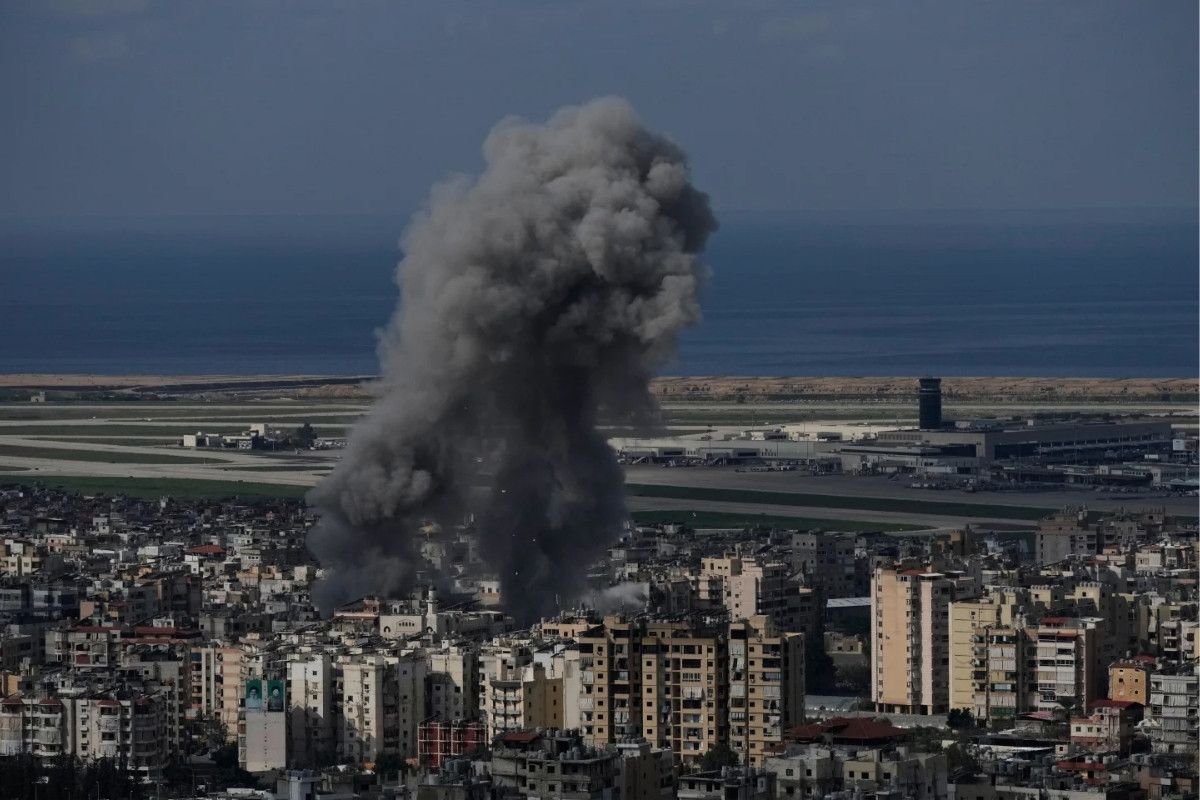
Airlines are operating a patchwork of suspensions, relief flights and limited resumptions rather than a full return to normal service.
Emirates resumed a limited number of repatriation and freight flights, but scheduled flights to and from Dubai remained suspended until at least 11.59pm United Arab Emirates (UAE) time on March 7, according to airline updates cited in international reporting. Dubai Airports also advised travellers not to go to the airport unless contacted directly by their airline.
Etihad Airways’ scheduled commercial flights to and from Abu Dhabi remained suspended until 6am UAE time on March 6, while Qatar Airways flights to and from Doha’s Hamad International Airport remained suspended due to the Qatari airspace closure.


Qatar Airways also announced limited relief flights from Muscat in Oman and Riyadh in Saudi Arabia to help stranded passengers reach destinations including London Heathrow, Berlin, Copenhagen, Madrid, Rome, Amsterdam and Frankfurt.
Israeli airline El Al has also operated rescue flights, including a flight from Athens to Ben Gurion Airport near Tel Aviv, and said passengers whose flights were cancelled would be placed on rescue flights at no additional cost.
Outside the region, Lufthansa suspended or adjusted services to multiple destinations, including Dubai, Tel Aviv, Beirut, Amman, Erbil, Dammam and Tehran.
Airspace closures and evacuation flights
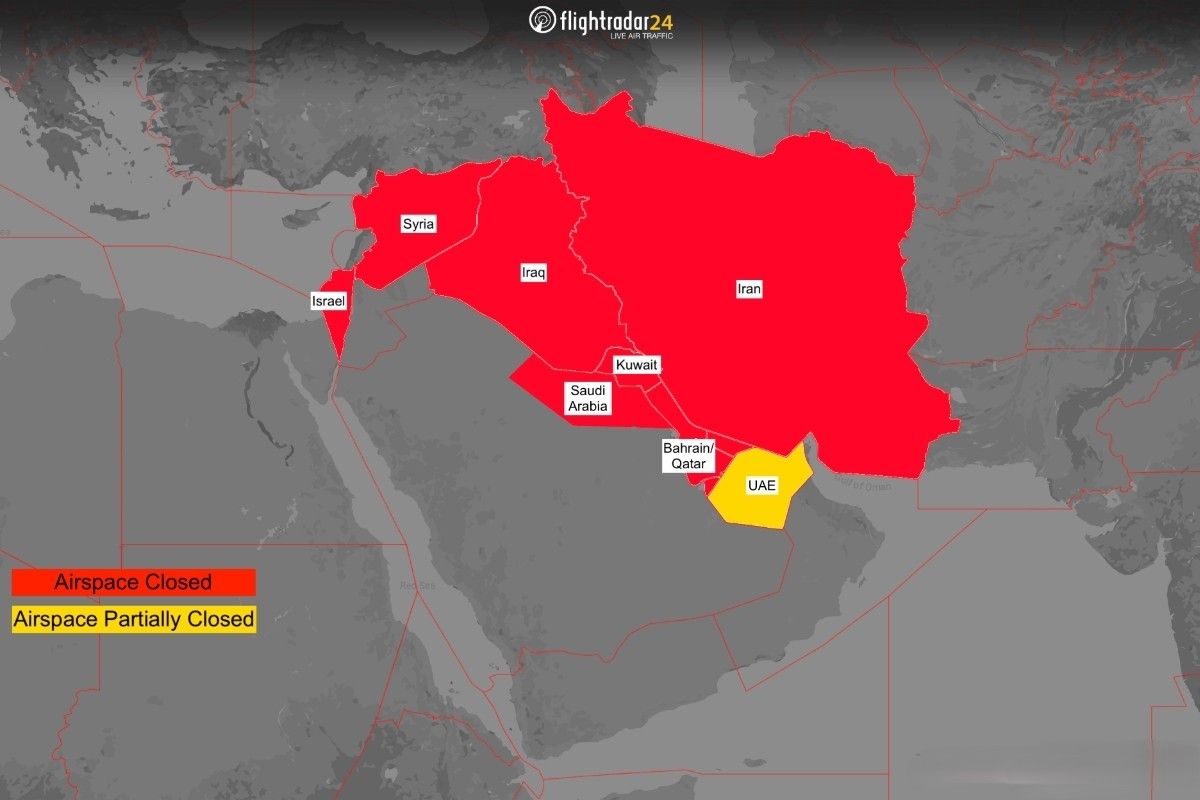
The regional airspace picture remains volatile, and closures may be extended when current restrictions expire. The UAE has issued a Notice to Air Missions (NOTAM), which is an aviation notice used to publish hazards or restrictions, defining its airspace as partially closed.
Earlier Emergency Security Control of Air Traffic (ESCAT) restrictions, which are special traffic control restrictions used during security events, also remain in place. These appear to give local authorities flexibility to reopen or restrict airspace at short notice.
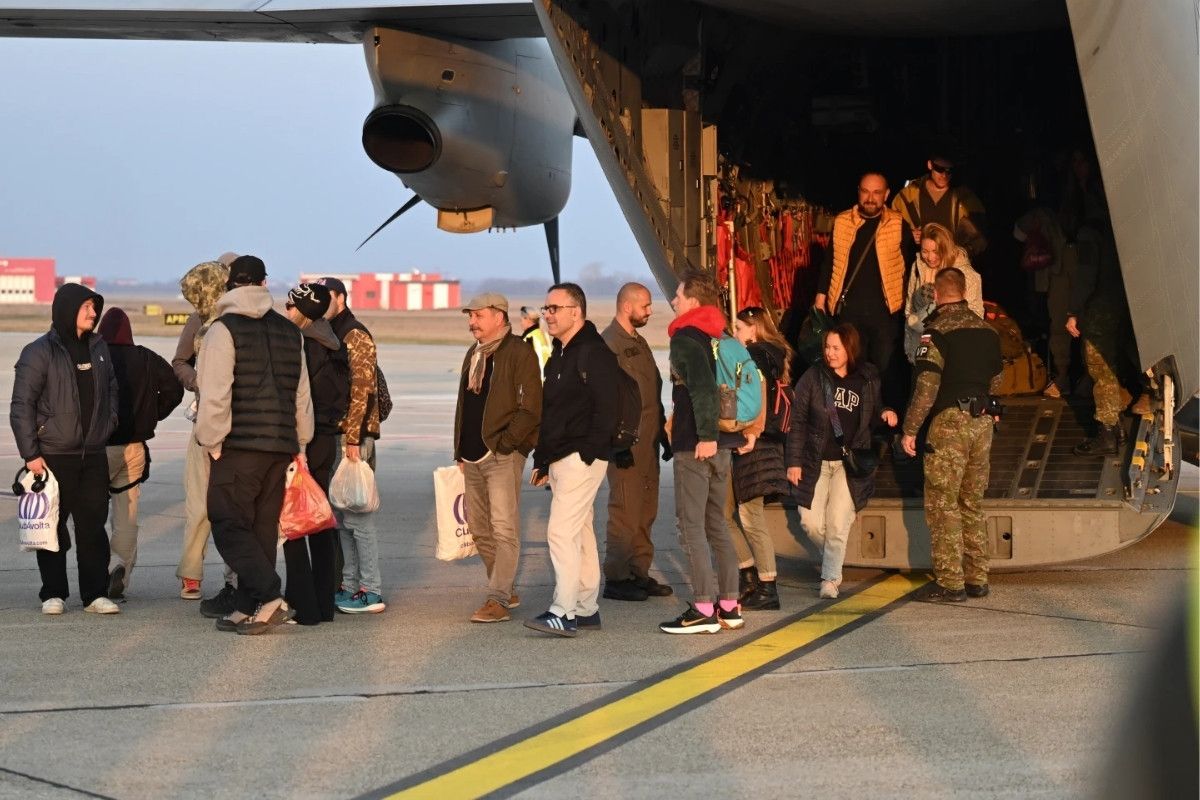
Oman’s airspace remains open, and Muscat has become an important operating point for evacuation and relief flights. Airlines have already used Muscat for evacuation services, and special flights have been arranged to move foreign nationals, including British and German citizens, out of the region.
Israel’s airspace remains closed, with exceptions for military flights and civilian operators that receive prior permission. Jordan has removed its previously imposed nighttime airspace closure.
Current airspace closures and restrictions (subject to change)
- Saudi Arabia (OEJD): Partially closed in an area bordering Iraq and the Persian Gulf, expired 10pm Coordinated Universal Time (UTC) on March 4
- Iran (OIIX): Total closure, expires 8.30am UTC on March 7
- Iraq (ORBB): Total closure, expires 9am UTC on March 7
- Qatar (OTDF): Total closure, expired 4pm UTC on March 4
- Bahrain (OBBB): Total closure, expired 4pm UTC on March 4
- Kuwait (OKAC): Total closure, expired 4pm UTC on March 4
- Syria (OSTT): Total closure, expires 9pm UTC on March 7
- UAE (OMAE): Partially closed, expired 12pm UTC on March 4
- Israel (LLLL): Total closure (civilian flights require prior permission; military flights allowed with permission), expires 10am UTC on March 9
Restriction windows in NOTAMs can be extended or replaced at short notice, so travellers should rely on airline notifications and official airport or government updates rather than expiry times alone.
What travellers should do right now?
Travellers should treat the situation as a fast-moving disruption rather than a routine delay. Check directly with the operating airline, not only the booking platform, and monitor connection airports as well as departure airports.
Flight-tracking and closure maps can help with context, but they do not confirm whether a specific ticketed flight will operate.
Passengers already stranded should contact their airline or travel agent as soon as possible about rebooking and refunds, while expecting delays in customer support because of high call volumes. Airline policies vary, with some offering refunds and others fee-free rebooking depending on route, timing and ticket conditions.
Where governments are organising assistance, registration is important. The United States Department of State has asked citizens in several Middle East countries to complete a crisis intake form for departure assistance information and has maintained a 24-hour hotline, while officials have urged registered travellers to be ready to move quickly when contacted.
Other countries, including Canada, the United Kingdom (UK) and Australia, have issued travel warnings or registration advice, and countries including New Zealand, France, Germany, Italy and the Czech Republic have been working on evacuation or assisted departure options.
Why flights are being cancelled or rerouted
The world’s skies are divided into FIRs, which are air traffic control areas used to manage aircraft in different parts of the sky. In extreme situations, states can issue a NOTAM to publish hazards, restrictions or closures.
Multiple FIRs in the Middle East have been restricted or closed during the current escalation, reducing available routable airspace across a key global corridor. Formal closure is only part of the picture, as airlines also make safety decisions based on government warnings, insurer coverage and real-time risk monitoring by dispatch teams.
Why do some flights still appear to operate
Flight-tracking websites can show aircraft moving in or near areas reported as restricted, which can confuse passengers. This can happen because restrictions vary by route, timing, altitude and operator permission, and because limited operations such as repatriation or essential flights may be allowed under strict conditions.
That is also why one airline may cancel a service while another operates a relief flight from a neighbouring country on the same day. Permissions, routing options and risk assessments may differ by carrier and route.
How the Middle East airspace disruption is reshaping routes
The traditional central corridor linking Europe to Asia through parts of the Levant, Iraq and Iran has become much less dependable.
Airlines have shifted to two main alternatives: a northern corridor through the Caucasus and Central Asia, and a southern corridor via Egypt, the Red Sea margins, parts of the Arabian Peninsula and the Arabian Sea.
These alternatives are absorbing displaced traffic but also creating bottlenecks. With fewer viable routes available, delays and cancellations can build quickly, while longer routings increase flight time, fuel usage and crew-duty pressure and disrupt aircraft rotations across wider airline networks.
Oil and jet fuel costs still matter to passengers
Fuel and oil prices remain an important background factor because airlines are dealing with longer routings and volatile energy markets. The International Air Transport Association (IATA) Fuel Monitor is a widely used reference for jet fuel pricing, and Reuters has reported sharp jet-fuel price moves during the crisis period.
Each extra flight hour adds about six tonnes of fuel burn and around US$4,652 in fuel-only cost, before crew, maintenance, navigation charges and passenger reaccommodation are counted. Travellers may not see immediate fare rises on every route, but prolonged disruption can reduce seat availability and make rebooking harder, which can push prices higher over time.
Cargo disruption is part of the wider knock-on effect
Cargo is also affected because Gulf hubs handle significant volumes of time-sensitive freight. Reuters has reported a drop in air cargo capacity and a bigger reduction on the Asia-Middle East-Europe corridor during the acute disruption window, with backlogs and rate increases affecting goods such as perishables, pharmaceuticals and aircraft parts.
This matters to passengers indirectly because cargo pressure can add to airport congestion and airline recovery complexity while schedules are being rebuilt.
Outlook for travellers
In the near term, the key question is not only whether particular airspaces reopen, but whether airlines can operate safely and predictably in a multi-hazard environment that includes missile threats, air-defence risks and Global Navigation Satellite System (GNSS) interference, which is a disruption to satellite-based positioning and navigation used by aircraft.
The European Union Aviation Safety Agency (EASA) and IATA have both highlighted the need for stronger coordination on this issue.
For now, travellers can expect continued disruption, uneven recovery and sudden schedule changes across the Middle East airspace network, especially on routes connecting through Gulf hubs.
The most practical approach is to stay in direct contact with airlines, follow official government travel advice and be prepared for rerouting or delayed departures at short notice.
Latest Thailand News

























Follow The Thaiger on Google News: