Has Thailand lost its edge? Comparing expat life across Southeast Asia

The “Thailand lost its edge” narrative has become common expat discourse in 2025 and 2026. Bangkok rents climbed 8 to 12% year-on-year, visa enforcement tightened significantly, and a remittance tax shock led 55% of expats to consider leaving, according to a Thai Examiner survey.
But Thailand climbed to 4th globally for expat satisfaction in the InterNations Expat Insider 2025 survey, its best-ever placement, up from 6th in 2024. Has Thailand genuinely declined, or has the competition simply improved?
Five Southeast Asian countries compete for expat attention: Thailand, Vietnam, Malaysia, Indonesia (Bali), and the Philippines. Each excels in different areas, and each carries serious healthcare risks that make international insurance essential.
In this guide, we’ll compare costs, visas, healthcare, safety, and English accessibility across all five. Let the data decide which country actually leads.
On this page
| Section (Click to jump) | Summary |
|---|---|
| The cost reality: Thailand is no longer the cheapest | Thailand has moved into mid-pack pricing in Southeast Asia, with Vietnam cheapest, Kuala Lumpur steady, and Bali no longer a budget option. |
| Visa landscape: Thailand offers the most options, Vietnam the fewest | Thailand still has the region’s broadest visa toolkit despite tighter enforcement and tax changes, while Vietnam remains the weakest for long-term stays. |
| Healthcare: Thailand’s strongest card and the biggest insurance case | Thailand leads the region on hospital quality and capacity, but serious treatment costs and shared risks make international cover the baseline across all five countries. |
| Safety and English accessibility: surprising results | Safety scores do not always match national rankings, while English accessibility is strongest in the Philippines and Malaysia and weaker outside tourist zones in Thailand and Vietnam. |
| Transport and connectivity | Bangkok and Kuala Lumpur offer the strongest urban transit and hub connectivity, while Bali’s lack of public transport and limited infrastructure changes daily-life logistics. |
| Expat satisfaction: what the surveys actually show | Recent expat surveys place Thailand and Vietnam near the top globally for satisfaction, with Vietnam excelling on personal finance and Thailand rising despite higher costs. |
| Health coverage across all five countries | One international policy can follow expats across borders, with direct billing, telehealth, and evacuation cover becoming especially important outside major medical hubs. |
| Each country wins at something | Vietnam wins on affordability, Malaysia on English and infrastructure value, Bali on lifestyle, the Philippines on language and ease of settling, and Thailand on the most complete overall package. |
The cost reality: Thailand is no longer the cheapest

The “dirt cheap Thailand” era is genuinely over for major cities. One-bedroom apartments in Bangkok’s Sukhumvit area now run around US$725 to US$1,160 per month, representing an 8 to 12% year-on-year increase, according to Knight Frank Thailand.


Phuket carries the highest cost-of-living index of any Thai city at 38.1, compared with Bangkok’s 37.1, according to Numbeo. But context matters. Bangkok still sits at 62% of New York’s cost index on Expatistan. Perhaps, the perspective worth analysing is Thailand’s relative positioning within Southeast Asia.
Thailand is roughly 39% more expensive than Vietnam overall, according to comparative Numbeo data. Kuala Lumpur saw flat or declining rents due to condo oversupply, whilst Penang rents haven’t increased since 2017.
Bali is no longer cheap. Canggu villa prices reportedly doubled since pre-2024, giving Bali the highest rent index (32.2) of any non-Singapore city in Southeast Asia, according to Numbeo.
Here’s how monthly budgets compare for solo mid-range living across major expat cities, according to Numbeo and Expatistan data:
- Hanoi: US$650 to US$1,200 (CoL index 27.7)
- Ho Chi Minh City: US$700 to US$1,300 (index 28.5)
- Chiang Mai: US$800 to US$1,200 (index 29.6)
- Kuala Lumpur: US$1,000 to US$1,500 (index 33.3)
- Manila: US$1,000 to US$1,600 (index 34.3)
- Bali: US$1,100 to US$1,800 (index ~36)
- Bangkok: US$1,500 to US$2,200 (index 37.1)
- Phuket: US$1,400 to US$1,800 (index 38.1)
Vietnam claims the affordability crown, but Thailand’s mid-pack positioning still beats Western costs dramatically.
Visa landscape: Thailand offers the most options, Vietnam the fewest
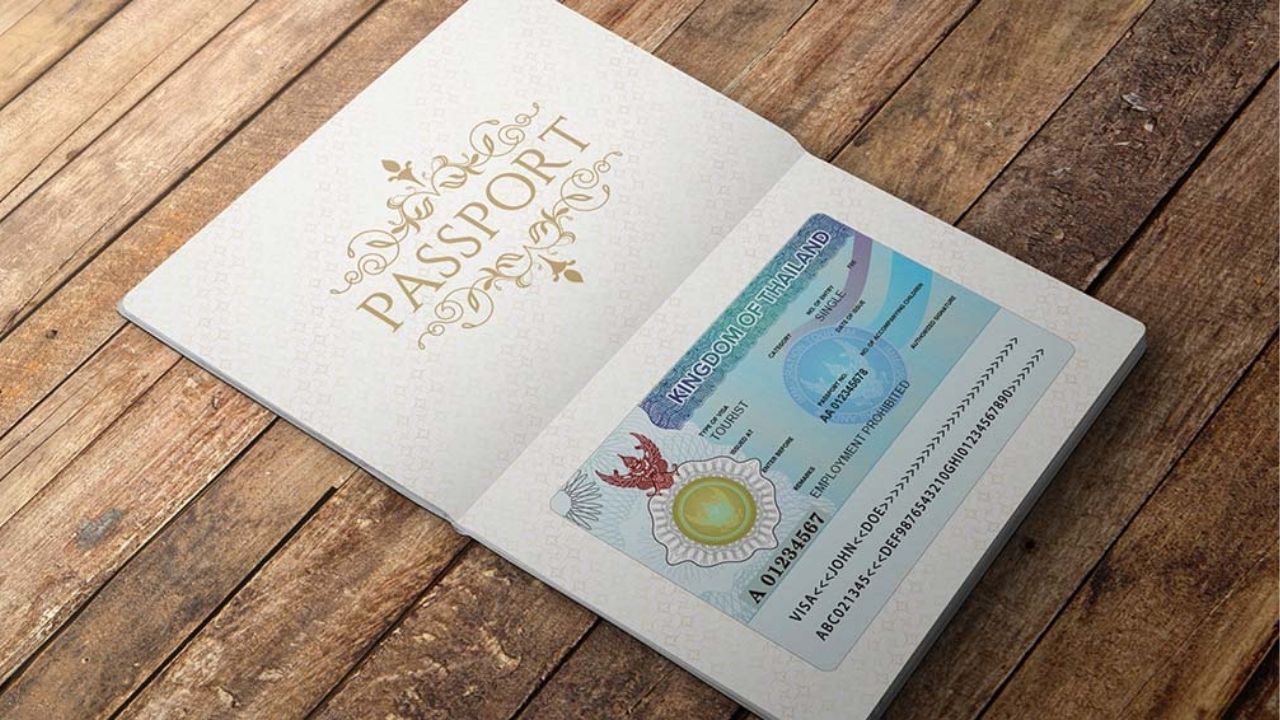
Thailand’s reputation as visa-friendly remains accurate, but the grey-area era ended decisively. In November 2025, Thailand limited visa runs to two per calendar year. The informal “visa-run lifestyle” that sustained many expats for decades is effectively over.
Thailand’s toolkit also remains the strongest in the region. The Destination Thailand Visa (DTV), launched in 2024, provides a 5-year multiple-entry visa with 180-day stays, requiring 500,000 baht (approximately US$14,400) in savings. The fee is just 10,000 baht (approximately US$290).
Thailand Privilege (Elite) visas offer 5 to 20 years for 650,000 to 5,000,000 baht (US$17,700 to 136,000), with no income or age requirements. The LTR visa provides 10-year validity, with Wealthy Pensioners requiring US$80,000 per year passive income.
Retirement visas (Non-O-A) require age 50-plus and 800,000 baht (approximately US$22,000) bank deposit or 65,000 baht monthly income, with health insurance now mandatory.
The tax shock rattled confidence. Since 2024, Thailand taxes all money remitted by anyone staying 180-plus days. A Thai Examiner survey found 55% of expats considered leaving over this change.
How competitors compare on visas:
- Vietnam: E-visa maximum 90 days, US$25 to 50 fee. No retirement visa, no long-term pathway. Vietnam is the least welcoming for long-term expats.
- Malaysia: MM2H visa offers 5 to 20 years but was overhauled in June 2024 with dramatically higher thresholds, a minimum US$150,000 fixed deposit, plus mandatory property purchase.
- Indonesia: The Second Home visa provides 5 to 10 years, requiring a US$130,000 deposit or property purchase.
- Philippines: SRRV offers an indefinite stay with a US$15,000 to 50,000 deposit. Overhauled in September 2025 with deposits raised and the minimum age lowered to 40.
Thailand’s DTV at US$290 for five years proves to be a valuable option, but the tax and enforcement changes represent genuine policy tightening.
Healthcare: Thailand’s strongest card and the biggest insurance case

Thailand’s healthcare system is the undisputed regional leader as the country maintains 62 JCI-accredited hospitals, far ahead of Vietnam’s 3 to 5 and zero in Bali, according to JCI official directories.
Thailand scores 77.5 on the Numbeo Health Care Index, ranking 8th globally, ahead of Denmark, Spain, and France. Thailand attracts over 1.4 million international medical patients each year, with Bumrungrad International Hospital in Bangkok alone serving over one million patients from 190-plus countries annually.
But even in Thailand, healthcare costs without insurance can be devastating. A private hospital emergency room visit with scans and an overnight stay can consume three months of living expenses. Cardiac procedures easily top 100,000 baht (US$2,800-plus). Cancer treatment can drain life savings in months.
See Cigna Global’s plans designed for Southeast Asia expats. Regardless of which country you choose, you face shared regional health risks that local insurance won’t adequately cover.
The competitive healthcare picture varies dramatically, according to Numbeo, WHO data, and hospital accreditation records:
- Thailand: 77.5 Health Care Index (8th globally), 62 JCI hospitals, GP consultations US$40 to 85.
- Malaysia: 70.7 Health Care Index (29th globally), several JCI hospitals, GP consultations US$21 to 53. Relatively low health risk environment.
- Philippines: 66.8 Health Care Index (41st globally), approximately 2 JCI hospitals. The doctor-to-population ratio is roughly 1 per 25,300 people, far below the WHO minimums.
- Vietnam: Not ranked on Numbeo (WHO ranks Vietnam 160th globally), 3 to 5 JCI hospitals, international clinic GP consultations US$85 to 114. Public hospitals are reported to be operating at 200% occupancy with language barriers.
- Bali: Not ranked on Numbeo, zero JCI-accredited hospitals on the island. BIMC Hospital holds Australian ACHS accreditation and handles most expat emergencies, but serious cases requiring neurosurgery or major cardiac events require evacuation to Singapore or Australia at costs exceeding US$20,000 to $100,000-plus.
Compared to other Southeast Asian nations, Bali arguably presents the starkest insurance case. With no JCI-accredited hospitals on the island. Medical evacuation costs can easily exceed six figures, making comprehensive international health insurance with evacuation coverage essential for Bali residents.
There are shared regional health risks that will affect expats in all five countries. Dengue fever is the dominant vector-borne threat. The CDC classifies all five as having frequent or continuous dengue risk. Approximately 50.4% of all imported dengue cases globally are acquired in Southeast Asia, according to CDC data.
Thailand’s road fatality rate is 25.4 per 100,000 people, ranking 9th worst globally according to the WHO Global Status Report on Road Safety 2023. That translates to 50 deaths per day, with 83.8% involving motorcyclists. Vietnam presents similarly dangerous roads.
Chiang Mai’s PM2.5 air pollution crisis peaks from February through May each year. Annual average PM2.5 is 32.3 µg/m³, 6.8 times the WHO guideline, according to IQAir data. On the worst days, readings exceed 180 µg/m³, making the city borderline uninhabitable during peak months for those with respiratory conditions.
The insurance reality applies everywhere, as home country insurance typically doesn’t cover living abroad. Plus, travel insurance excludes long-term residents. Local Southeast Asian policies often carry very low limits and aren’t accepted by top private hospitals. Thailand’s retirement and LTR visas now require proof of international health insurance as a condition of issuance.
Safety and English accessibility: surprising results
Safety perceptions don’t match geopolitical rankings. Malaysia ranks 10th on the Global Peace Index 2024, yet Kuala Lumpur scores just 39.5 on Numbeo’s city safety index, the worst of any major expat city in the region.
By contrast, Chiang Mai scores 78.2, the highest in Southeast Asia. Bangkok sits at 60.7, Hanoi at 65.9, and Manila at 35.5.
English accessibility creates a clear hierarchy with the Philippines as the clear leader, as English is an official language used in business, education, media, and daily conversation. Malaysia comes close behind, with English as a de facto second language.
Thailand and Vietnam present significant language barriers outside tourist zones, though Vietnam’s Latin alphabet eases basic navigation. Bali’s tourist corridors are English-friendly, but accessibility drops sharply outside Canggu and Ubud.
Transport and connectivity
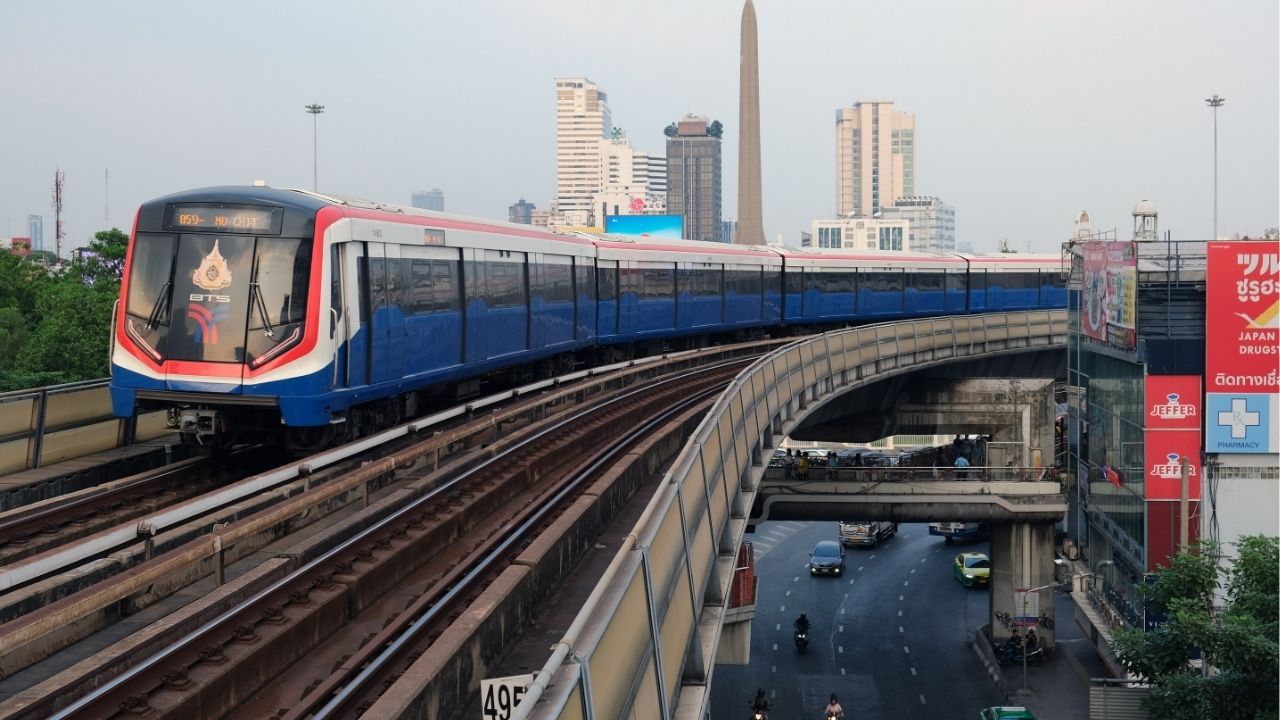
Transport infrastructure varies dramatically. Bangkok’s BTS Skytrain and MRT provide excellent urban transit. Kuala Lumpur’s LRT, MRT, and Monorail system is equally strong.
Ho Chi Minh City’s Metro Line 1 opened recently but remains limited. Bali, however, has no public transit, and residents rely entirely on scooters and cars.
Airport connectivity matters for international travel and medical evacuations. Bangkok and Kuala Lumpur maintain strong international hub status with extensive route networks. The Philippines has weaker international connectivity despite numerous airports.
Expat satisfaction: what the surveys actually show
The InterNations Expat Insider surveys from 2024 and 2025 reveal Southeast Asia’s dominance in global expat satisfaction. In 2024, Indonesia ranked 3rd, Thailand 6th, Vietnam 8th, Philippines 9th, and Malaysia 22nd.
By 2025, Thailand climbed to 4th, its best-ever placement, whilst Vietnam reached 5th. Vietnam ranked number 1 globally in Personal Finance for three consecutive years, with 77% of expats rating the cost of living favourably.
International schools matter for families, and Thailand leads with 248 international schools (121 in Bangkok alone), with annual fees ranging from US$4,800 to 31,700. Malaysia offers the best value at US$5,000 to 15,000 per year with 180-plus schools. Vietnam has roughly 50-plus and growing. Bali has 15 to 20, including Green School. The Philippines has 100-plus schools with fees from US$8,000 to 20,000.
Thailand’s rise to 4th globally could be seen as contradicting the “lost its edge” narrative, though Vietnam’s number 1 Personal Finance ranking highlights its affordability appeal.
Health coverage across all five countries
Explore Cigna Global’s comprehensive plans for expats in Southeast Asia. Whether you settle in Thailand’s healthcare hub or Vietnam’s affordable cities, the same coverage protects you across the region.
Coverage works across all five countries and 200-plus globally. You don’t need to change insurance if you relocate from Bangkok to Bali or Manila, as direct billing works at all partner private hospitals across the region.
Critical features for Southeast Asia:
Medical evacuation coverage is essential for Bali, which has zero JCI hospitals, as Cigna’s plans cover the extensive evacuation costs to Singapore or Australia. Though this also proves to be relevant for rural areas across all five countries.
Plans also include free telemedicine, which provides video GP consultations, valuable in countries with language barriers. Crisis Assistance Plus™ covers non-medical emergencies, including natural disasters and political instability.
Plan structure:
- Close Care: US$500,000 per year for Thailand, plus your home country
- Silver: US$1,000,000 annual maximum, essential hospital and emergency cover
- Gold: US$2,000,000 maximum, adds maternity and broader coverage
- Platinum: US$2,000,000-plus, most comprehensive limits
All plans include direct billing with network hospitals, guaranteed lifetime renewal regardless of claims history, and optional add-ons for outpatient care, wellness, vision, dental, and maternity.
Each country wins at something
The data-driven verdict shows clear winners in specific categories.
Vietnam wins on pure affordability, 39% cheaper than Thailand overall. Vietnam ranked number 1 globally in Personal Finance satisfaction for three consecutive years. The country offers frontier energy and rapid growth. But Vietnam provides no long-term visa pathway and limited healthcare infrastructure (WHO ranks it 160th globally), compared to other nations.
Malaysia wins on English accessibility and infrastructure quality. International schools offer the best value in the region at US$5,000 to 15,000 per year. But Malaysia scored only 22nd in expat satisfaction, and MM2H visa requirements jumped dramatically, now requiring a US$150,000-plus deposit and mandatory property purchase.
Bali wins on lifestyle and wellness appeal. But Bali has zero JCI hospitals requiring evacuation for serious cases, and surging rents as villa prices reportedly doubled since pre-2024.
The Philippines wins decisively on English fluency, as it’s an official language. The country ranked 3rd globally for ease of settling in. SRRV visa accessibility improved after the September 2025 overhaul. But reports say the Philippines has the weakest infrastructure in the region, and a doctor-to-population ratio of just 1 per 25,300 people.
Thailand wins on healthcare infrastructure with 62 JCI hospitals and an 8th global ranking. Visa diversity is strongest, with the DTV priced at US$290 for five years, offering unmatched value. Thailand maintains the most mature expat ecosystem with 248 international schools.
The country rose to 4th globally in 2025 expat satisfaction, its best-ever placement. But Thailand faces 8 to 12% rent increases, visa enforcement changes, remittance tax concerns, and northern air pollution that makes Chiang Mai difficult during peak months.
The honest answer: Thailand hasn’t “lost its edge,” instead, it’s evolved from an ultra-cheap paradise into a more formalised mid-tier expat hub. The competition has genuinely improved, particularly in Vietnam on cost and the Philippines on ease.
Thailand still offers the most complete package for most expats: healthcare, infrastructure, visa options, safety plus schools. But it’s no longer the only option worth considering.
The universal constant across all five countries: whichever nation you choose, you face shared regional health risks. Dengue affects all five. Road accidents rank Thailand and Vietnam among the world’s worst. Air pollution hits Thailand and Vietnam particularly hard. Limited emergency infrastructure exists outside major cities everywhere.
Local public healthcare is either inaccessible to foreigners (Thailand’s 30-baht scheme), severely overstretched (Vietnam at 200% hospital occupancy), or inadequate for serious cases (Bali and rural Philippines).
International health insurance remains the baseline requirement for any expat living anywhere in Southeast Asia.
Get a quote free from Cigna Global today. From Thailand’s Bumrungrad to emergency evacuation from Bali, Cigna’s flexibility covers you across the region. Direct billing, medical evacuation, crisis assistance, and guaranteed lifetime renewal are included as standard.
In a nutshell, Thailand hasn’t lost its edge; it’s simply grown up. And as Thailand professionalised its visa systems and infrastructure, competitors like Vietnam and the Philippines have closed the gap, making Southeast Asia’s expat landscape more competitive than ever.
The result? Expats now have genuine choices.
Sponsored
Data sources: Numbeo (2025-2026), Expatistan (2026), InterNations Expat Insider (2024-2025), IQAir (2024-2026), WHO Global Status Report on Road Safety (2023), JCI official directories, Global Peace Index (2024), Knight Frank Thailand, Thai Examiner, CDC, and immigration authority sources.
Latest Thailand News

























Follow The Thaiger on Google News: