Thailand’s THEOS-2A satellite launch fails after rocket malfunction in India

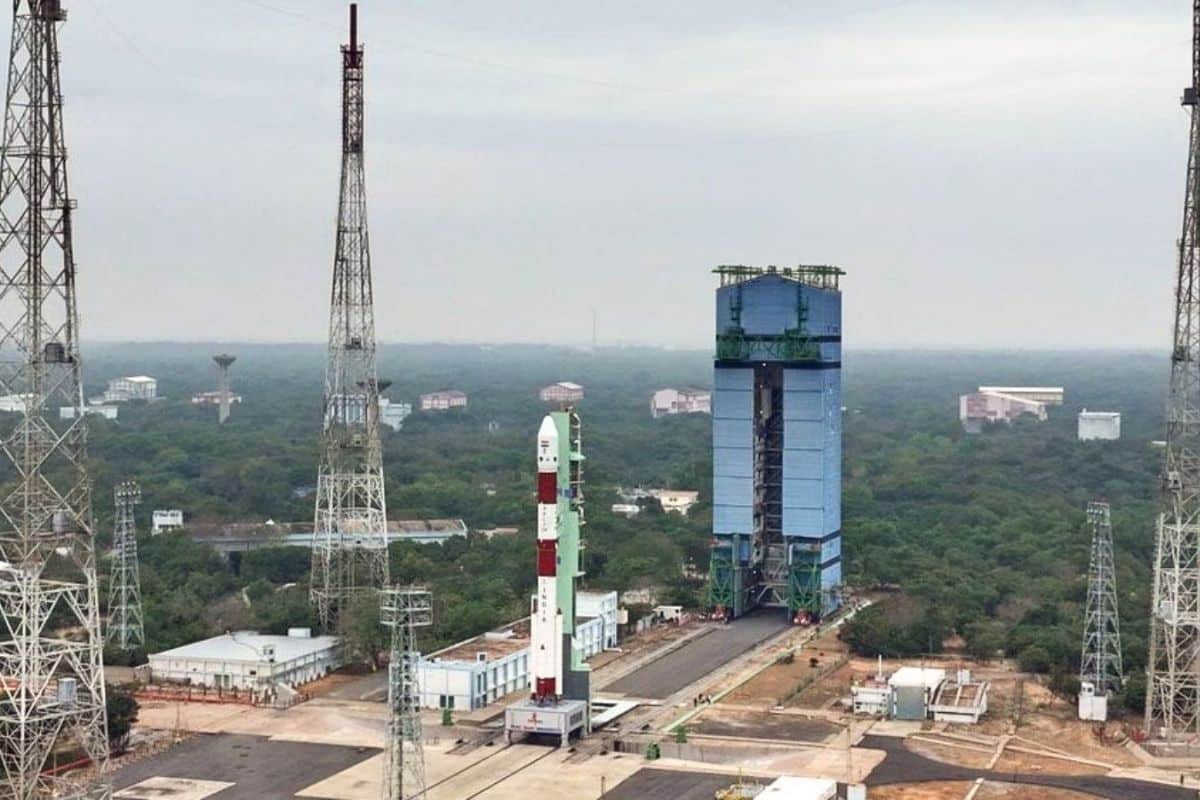
Thailand’s mission to expand its space capabilities suffered a major setback today, January 12, after the high-resolution Earth observation satellite THEOS-2A failed to reach its intended orbit.
The launch took place at 11.47am Thai time from India’s Satish Dhawan Space Centre in Sriharikota, using the Indian PSLV-DL (PSLV-C62) rocket. However, around 380 seconds after liftoff, an anomaly was detected during the rocket’s third stage, disrupting its trajectory and preventing all onboard satellites, including Thailand’s THEOS-2A, from achieving proper orbit.
The Thai Geo-Informatics and Space Technology Development Agency (GISTDA), which managed the satellite’s development, confirmed the failure during its live broadcast. India’s space agency ISRO also acknowledged the issue, stating that data analysis is underway to determine the cause of the malfunction.
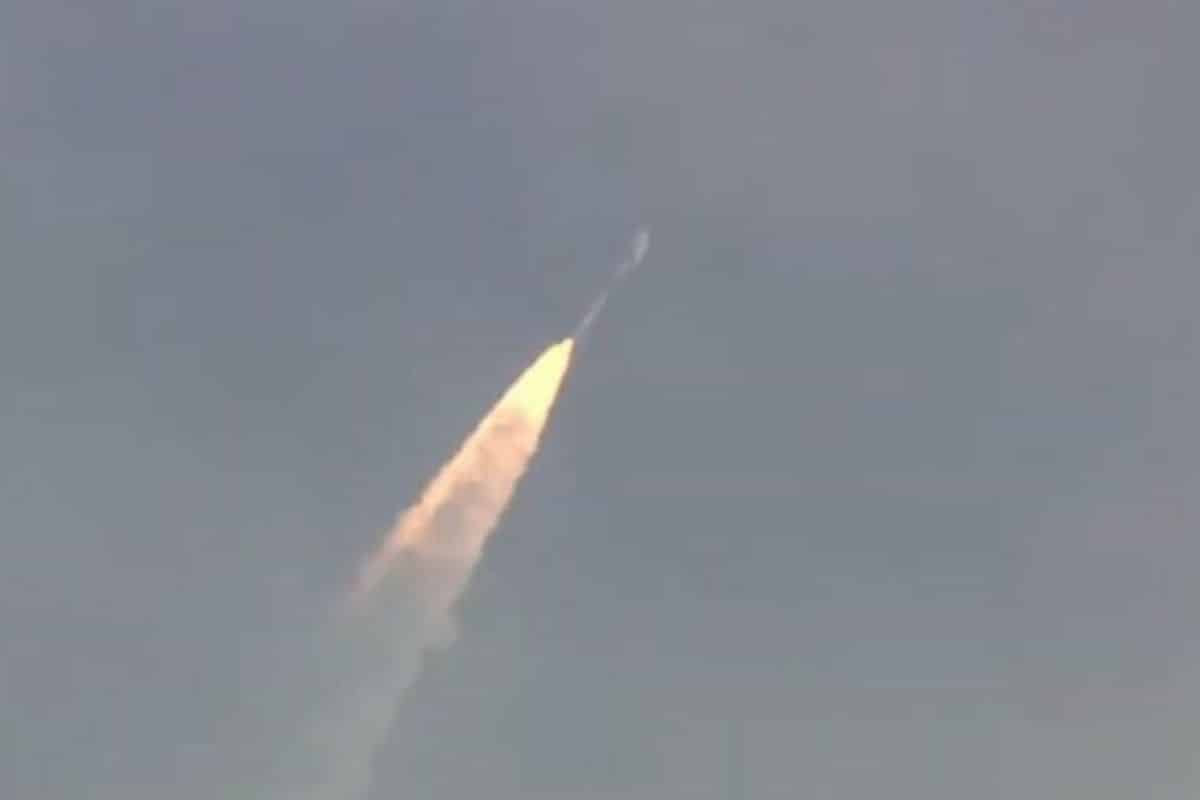
Dr V. Narayanan, Chairman of ISRO, explained that the PSLV-C62 mission, designed with four stages using a combination of solid and liquid fuel, encountered a disturbance in the rocket’s roll rate late in the third stage. This caused the rocket’s flight path to deviate from its intended course.
The anomaly could have resulted in the satellite either entering the wrong orbit, reducing its effectiveness, or failing to overcome Earth’s gravity, leading to re-entry and destruction in the atmosphere.
GISTDA emphasised that such malfunctions are not uncommon in complex space missions and confirmed that Thai engineers are working closely with ISRO to evaluate the situation and explore next steps.
THEOS-2A was Thailand’s third high-resolution Earth observation satellite, following THEOS-1 and THEOS-2, and was developed in collaboration with Surrey Satellite Technology Ltd., a UK-based subsidiary of Airbus.


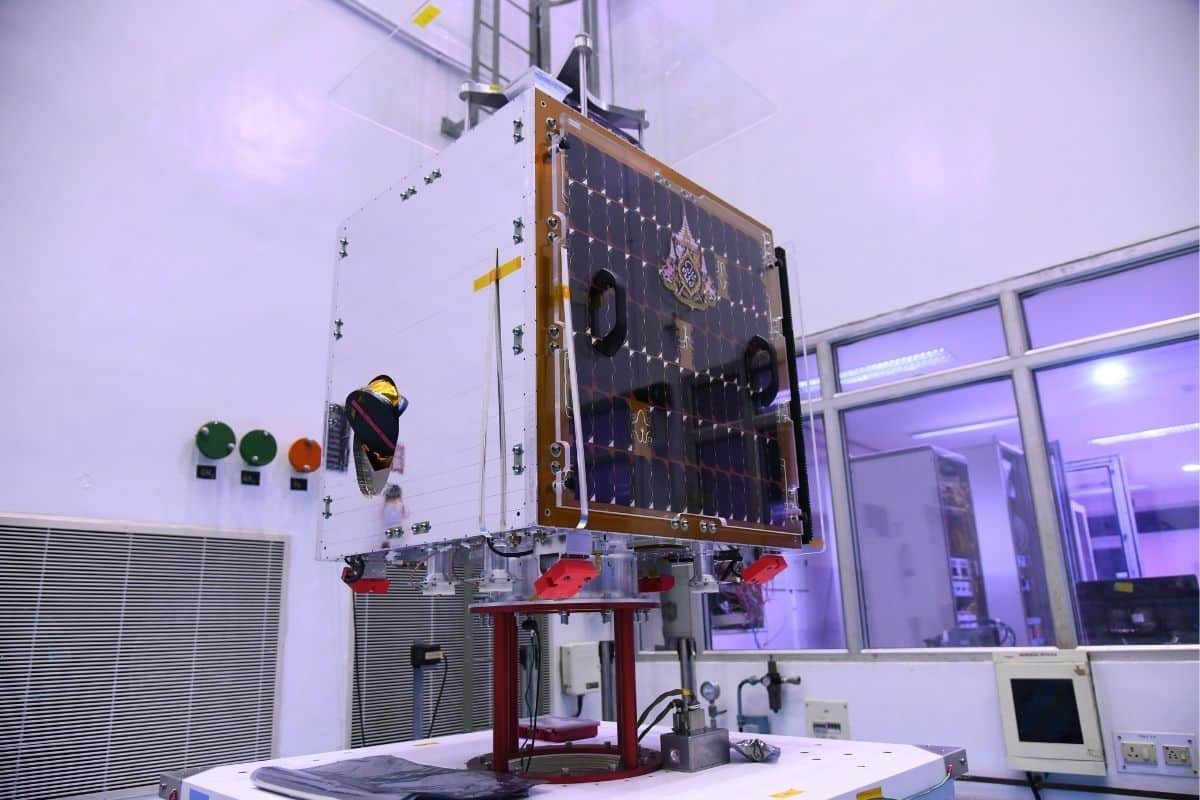
The satellite was designed to support policy-making, urban planning, disaster management, agriculture, and environmental monitoring. It represented a major step in Thailand’s ambition to enhance its role in the global space industry.
More than 20 Thai engineers were directly involved in developing the satellite’s payload and structure, part of GISTDA’s long-term strategy to build local capacity in satellite technology. The mission also aimed to elevate Thailand’s participation in the international Space Value Chain by involving local manufacturers in satellite component production.
Despite the setback, GISTDA described the mission as a symbol of Thai cooperation, technological ambition, and growing expertise in space development. The agency has pledged to continue its space journey, with future projects such as THEOS-3 already in the pipeline.
Latest Thailand News

























Follow The Thaiger on Google News: