272 deaths in 7 days: essential safety tips for motorbike rentals in Chiang Mai

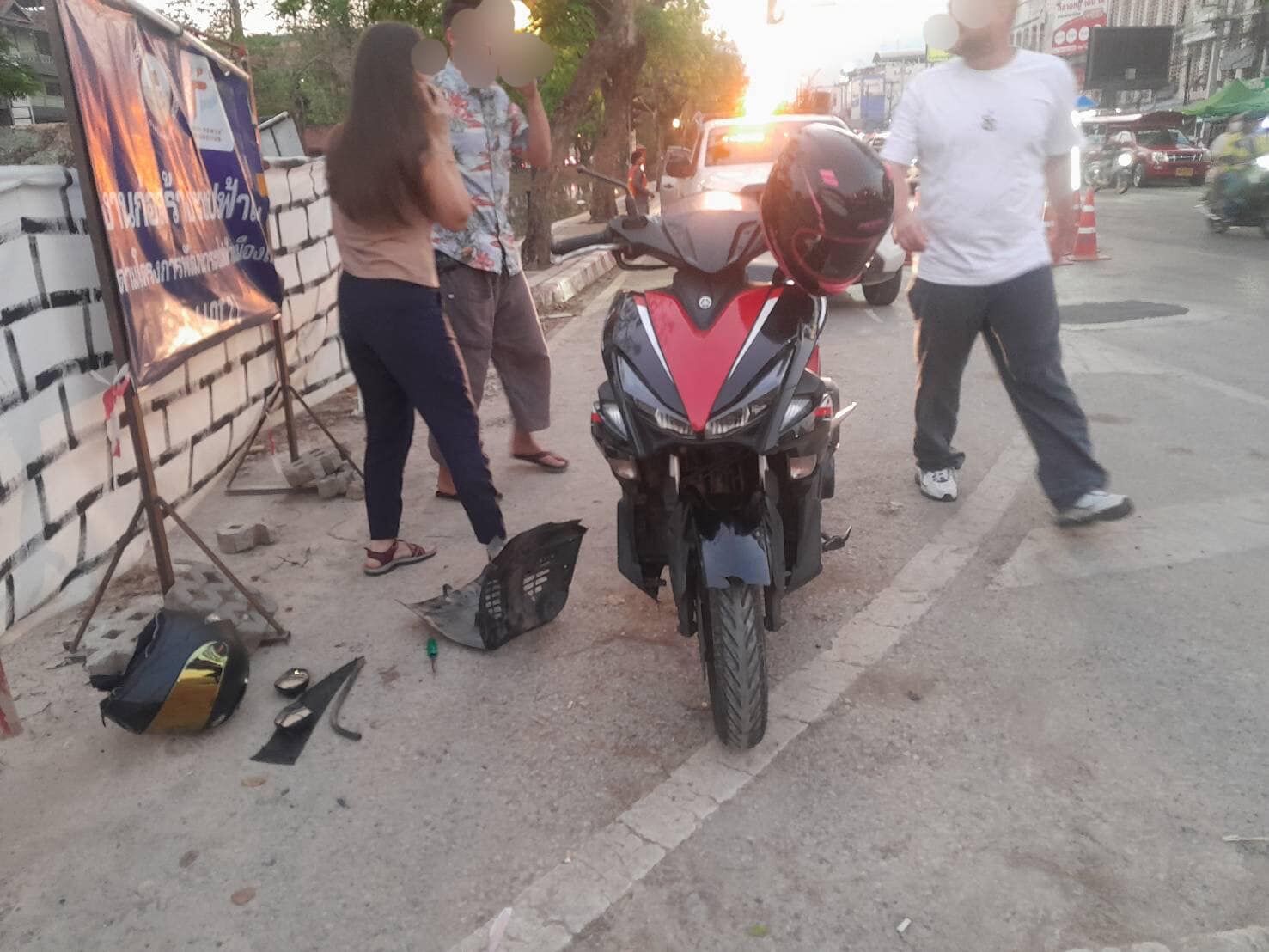
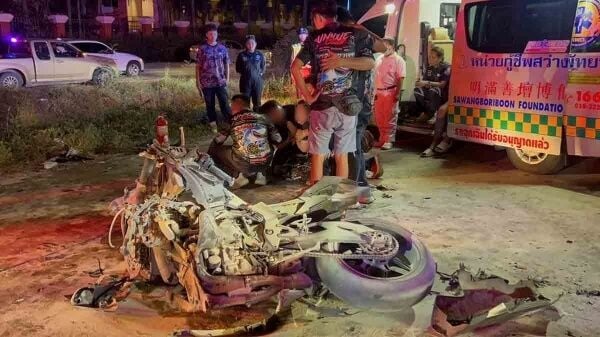
Between December 30, 2025, and January 5, 2026, Thailand recorded 272 fatalities in 1,511 road accidents during the New Year “Seven Dangerous Days” campaign. For anyone considering motorbike rental in Chiang Mai or elsewhere in Thailand, understanding what makes this period so deadly could save your life.
The “Seven Dangerous Days” Phenomenon
Thailand tracks what officials call the “Seven Dangerous Days” during two major holiday periods: New Year in late December and Songkran (Thai New Year) in mid-April. The 2025-2026 New Year period ran from December 30, 2025, through January 5, 2026.
In just the first two days, 469 accidents killed 86 people and injured 452 others. By day three, the death toll reached 145. The final count of 272 deaths and 1,464 injuries represents almost 39 people killed daily during what should be a time of celebration. While this shows improvement over previous years (2024-2025 saw 284 deaths), the toll remains devastating.
Why Motorbikes Are at the Centre of the Crisis
If you’re planning motorbike rental in Chiang Mai, this statistic should stop you in your tracks: motorcycles were involved in 72-77% of accidents during the 2025-2026 New Year period. On some days, this figure reached 80%.
Between 2020 and 2024, 84% of motorcyclists hospitalised after accidents were not wearing helmets at the time of the crash. That’s eight times more non-helmet wearers than helmet wearers ending up in hospitals.
In 2024 alone, Thailand recorded 14,144 motorcycle-related deaths out of 17,447 total road fatalities. Three people die in motorcycle accidents every two hours throughout the year. During holiday periods, this rate accelerates.
The Main Killers: Speed, Alcohol, and Missing Helmets
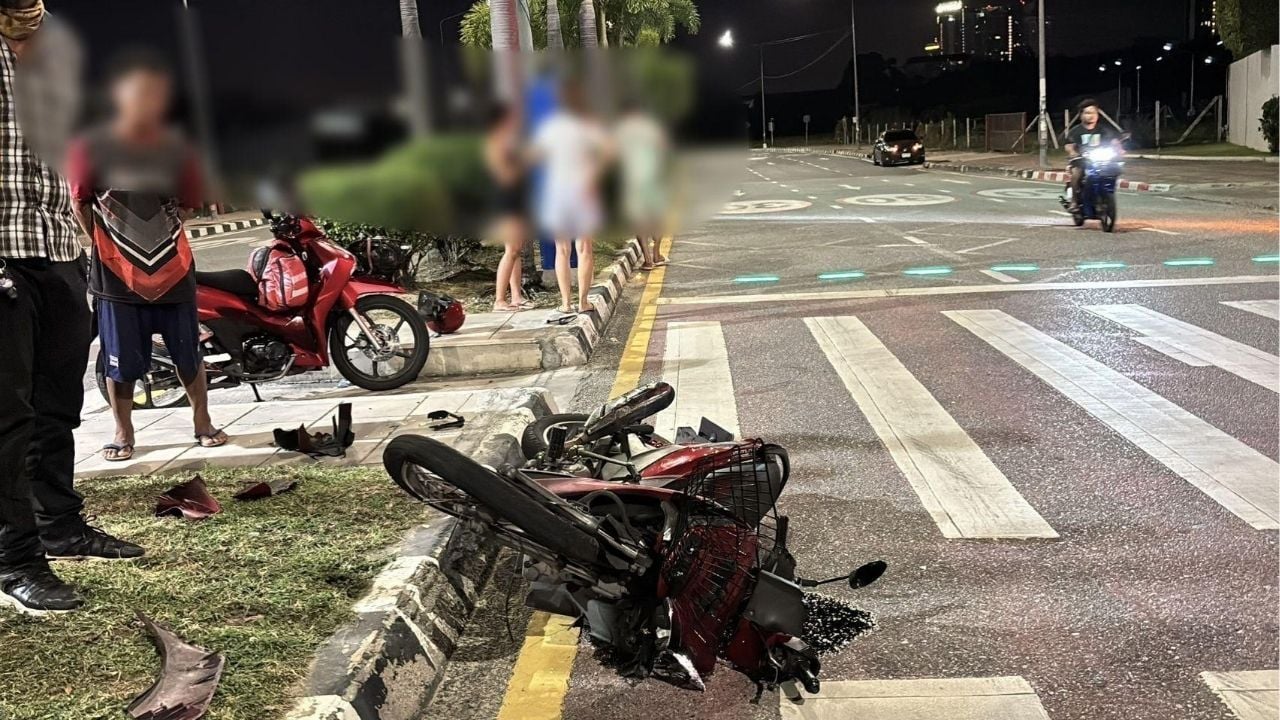
Analysis of the 2025-2026 New Year’s accidents reveals three primary causes.


Excessive speeding topped the list, accounting for 33-40% of accidents depending on the day. On New Year’s Eve, speeding caused 40.96% of crashes. The Transport Ministry reported that across their monitored network, speeding accounted for 62% of cases.
Drunk driving came in second, responsible for 27-31% of accidents. Despite heavy police enforcement with numerous checkpoints, alcohol-impaired driving continues to claim lives at an alarming rate. While some reports showed the highest accident rates between midnight and 3:00 AM (25.15% on January 2), significant crashes also happen during 9:01 AM to noon, 12:01 PM to 3:00 PM, and 6:01 PM to 9:00 PM.
The helmet issue deserves special attention for anyone considering motorbike rental in Chiang Mai. While Thailand has required helmet use for drivers since 1996 and passengers since 2007, compliance remains shockingly low outside Bangkok. A 2010 nationwide survey found helmet-wearing rates of just 52% among drivers and 16% among passengers. In rural Chiang Mai, recent studies show more than 80% of riders don’t wear helmets.
During the 2025-2026 New Year period, Bangkok recorded the most deaths, while Phuket saw the most accidents and injuries. Chiang Rai posted troubling figures early in the campaign, with many cases involving speeding motorcycles and late-night travel on mountain roads. Chiang Mai riders face similar risks where helmet use is even less common than in urban areas.
Where and When Accidents Happen
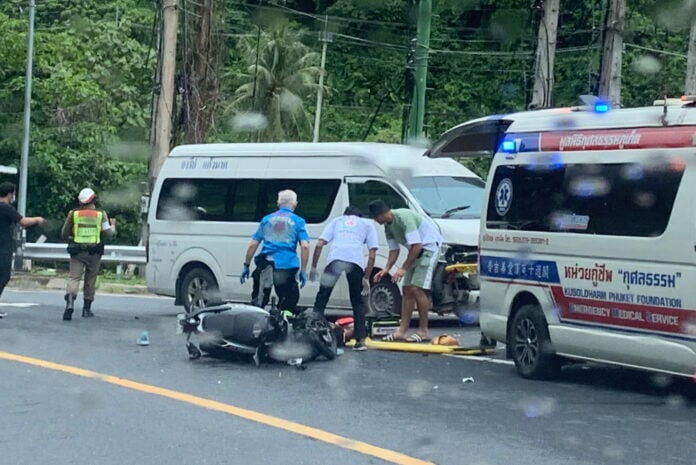
Most accidents occur on straight roads (78-85% of all crashes), contradicting the assumption that curves and intersections are most dangerous. Highways account for roughly 37% of crash locations.
Time of day matters. On January 2, the peak time was midnight to 3:00 AM (25.15% of incidents). Other high-risk periods include 9:01 AM to noon, 12:01 PM to 3:00 PM, and 6:01 PM to 9:00 PM. There’s no “safe time” to ride during holiday periods.
Essential Safety Recommendations for Motorbike Riders
For anyone considering motorbike rental in Chiang Mai or anywhere in Thailand, these recommendations are based directly on accident data.
Helmet use is non-negotiable. A properly fitting helmet reduces head injury risk by up to 70% and mortality risk by 40%. Violations carry fines up to 2,000 baht, doubled to 4,000 baht if carrying a passenger without a helmet. Research shows that increasing helmet use from 44% to 90% nationwide would lead to an immediate 23% reduction in motorcycle deaths.
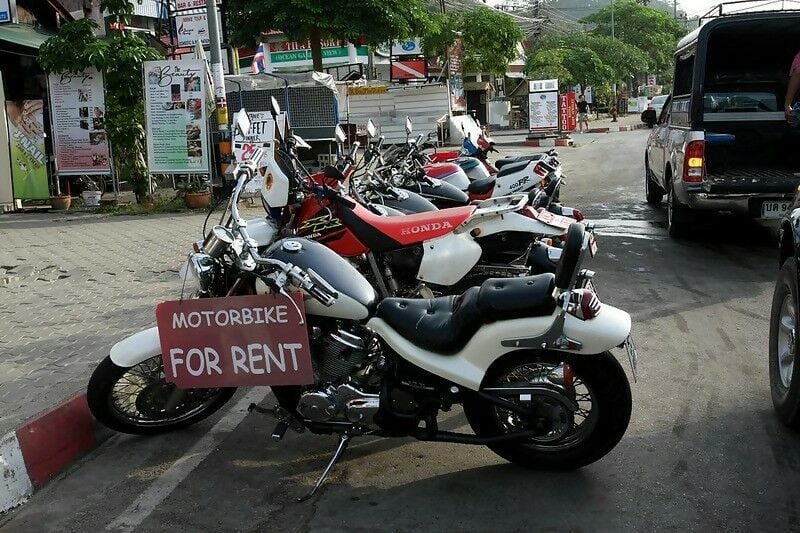
When you pick up your motorbike rental in Chiang Mai, inspect the helmet carefully. Many rental shops provide low-quality helmets offering minimal protection. A certified helmet with proper EPS (Expanded Polystyrene) liner material is essential. The helmet should fit snugly, and the retention system must work properly. If the rental shop’s helmet is damaged, too loose, or inadequate, insist on a better one or bring your own.
Speed management saves lives. Speeding causes 33-62% of all accidents during dangerous periods. This is especially important on Thailand’s straight roads, where false safety leads to higher speeds and more severe crashes. Rural roads around Chiang Mai have unexpected hazards: livestock, pedestrians, sudden potholes, or vehicles pulling out from hidden side roads.
Resist matching the speed of local riders who know the roads. During holiday periods, even experienced riders face elevated risk due to increased traffic volume and impaired drivers. If you’re unfamiliar with the route, ride at a speed giving you time to react.
Alcohol and riding never mix. Drunk driving accounts for nearly one-third of all holiday accidents. Getting caught riding under the influence can result in arrest, hefty fines, and serious legal complications for foreigners. Beyond legal consequences, alcohol impairs reaction time, judgment, and coordination exactly when Thailand’s roads become most unpredictable. If you’re planning to drink during New Year’s or Songkran, leave the motorbike at your accommodation.
Choose your riding times strategically. If possible, avoid riding during high-risk periods: midnight to 3:00 AM, 9:01 AM to noon, 12:01 PM to 3:00 PM, and 6:01 PM to 9:00 PM. Early morning hours between 6:00 AM and 9:00 AM see fewer accidents.
Understand the terrain and your limits. Chiang Mai’s mountain roads present unique challenges. Scenic routes to Doi Suthep, Mae Sa Valley, or Pai attract tourists but require genuine riding skill. Tight curves, steep grades, and varying road surfaces demand respect. Recent studies of rural Chiang Mai riders found 57.1% had experienced a motorcycle accident within the previous six months.
If you’re new to riding or unfamiliar with mountain roads, consider hiring a car or joining a guided tour. Reputable motorbike rental companies in Chiang Mai can provide advice on route difficulty and current road conditions.
Pre-ride vehicle inspection is critical. Before accepting any motorbike rental in Chiang Mai, thoroughly inspect the vehicle. Check tyre tread and pressure, test both brakes, verify lights and turn signals work, and ensure no fluid leaks. Ask about maintenance history. Familiarise yourself with the controls before entering traffic. Practice in a quiet area if you’re not comfortable with the specific model.
Recommendations for Car Drivers
Automobile drivers share responsibility for motorcycle safety.
Expect motorcycles everywhere. With motorcycles comprising 52% of all registered vehicles in Thailand and involved in 72-77% of holiday accidents, they’re ubiquitous. Check mirrors and blind spots before any manoeuvre.
Increase the following distance. Maintain at least a three-second following distance, more in rain or on rough pavement.
Use turn signals early and consistently. Signal well before turning or changing lanes. Don’t assume riders have seen your signal.
Adjust expectations during holiday periods. During the Seven Dangerous Days, assume a higher percentage of motorcyclists may be impaired, fatigued, or unfamiliar with the area. Give extra space and be prepared for erratic behaviour.
What Needs to Change
Thailand’s road safety crisis requires systemic solutions. The Thailand Road Safety Master Plan 2022-2027 aims to reduce road traffic deaths to no more than 12 per 100,000 people by 2027. This is ambitious given the current rate of 25.4 per 100,000.
Key improvements needed:
Infrastructure investment. Only 17% of road infrastructure has acceptable safety ratings for motorcyclists. Systematic upgrades focusing on motorcycle safety would reduce deaths.
Helmet enforcement with quality standards. Many helmets sold in Thailand don’t meet international safety standards. Requiring certification combined with consistent enforcement would save lives.
Reduce motorcycle dependency. Outside Bangkok, public transportation is largely unavailable. Investment in affordable transit would give residents alternatives, particularly important given economic inequality’s role in road safety.
Address drunk driving. Random breath testing, ignition interlock devices for repeat offenders, and increased penalties could create genuine deterrence.
The Path Forward
For individuals considering motorbike rental in Chiang Mai, the solutions are straightforward. Wearing a certified helmet reduces death risk by 40% and head injury risk by 70%. Avoiding alcohol eliminates nearly one-third of accident risk. Riding at conservative speeds addresses 33-62% of crashes. These three actions alone would dramatically reduce personal risk.
Reputable motorbike rental companies in Chiang Mai prioritise safety by maintaining their fleet properly, providing quality helmets, and offering honest advice about route difficulty. When choosing a rental provider, ask about their safety practices and maintenance schedules.
The 272 people who died during the 2025-2026 New Year period each made individual decisions that day. Some chose not to wear helmets. Others rode too fast or after drinking. Many were simply in the wrong place at the wrong time, victims of someone else’s poor decision.
The statistics show clear patterns, but behind each number is a person who didn’t expect to become a statistic. For tourists exploring Chiang Mai’s temples and mountains, for expatriates navigating daily life, for local residents travelling during holiday periods, the rules remain the same.
Wear a helmet. Every time. Choose a certified helmet that fits properly and wear it correctly, with the chin strap fastened.
Ride sober. If you’ve been drinking, find alternative transportation.
Control your speed. Resist the urge to ride fast just because the road is straight. Most accidents happen on straight roads.
Know your limits. If you’re not confident riding in traffic, on mountain roads, or in unfamiliar areas, consider alternatives. Car rental, taxis, and organised tours offer safer options.
The roads of Chiang Mai and greater Thailand offer incredible experiences. Riding through mountain landscapes, exploring hidden temples, and experiencing Thai culture from two wheels is genuinely special. It’s possible to have these experiences safely, but only with full awareness of the risks and commitment to proven safety measures.
The 2025-2026 period showed improvement over previous years, but 272 deaths in seven days still represent an unacceptable toll. The difference between a safe trip and becoming a statistic often comes down to simple decisions: wearing a helmet, choosing a lower speed, and refusing to ride after drinking.
Understanding Thailand’s road safety reality is the first step toward making informed choices. The second step is acting on that understanding every single time you ride.
Latest Thailand News

















Follow The Thaiger on Google News: