Yaowarat comes alive as Chinese opera revives memories in Bangkok’s historic Chinatown
Music, lights, and tradition reconnect generations during a three-night cultural celebration at Wat Mangkon Station

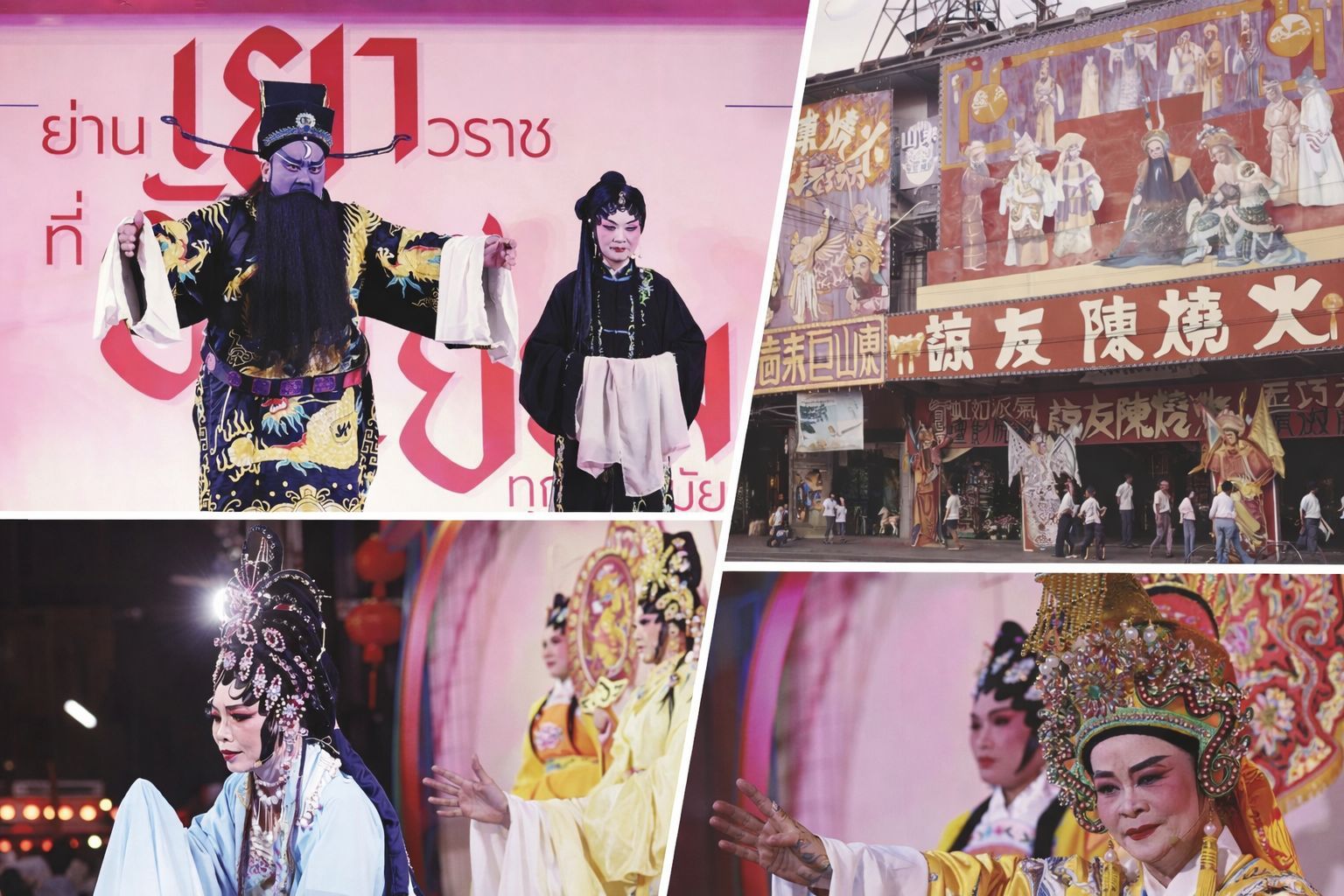
The sound of cymbals, traditional melodies, and rhythmic chanting once again echoed through Yaowarat, Bangkok’s historic Chinatown, as Chinese opera returned to the heart of the neighborhood. For three nights, the area surrounding Wat Mangkon Station transformed into a living cultural stage during the event BEM Happy Journey 2025: Yaowarat, drawing longtime residents, elderly opera fans, and younger visitors together in a shared experience of memory and tradition.
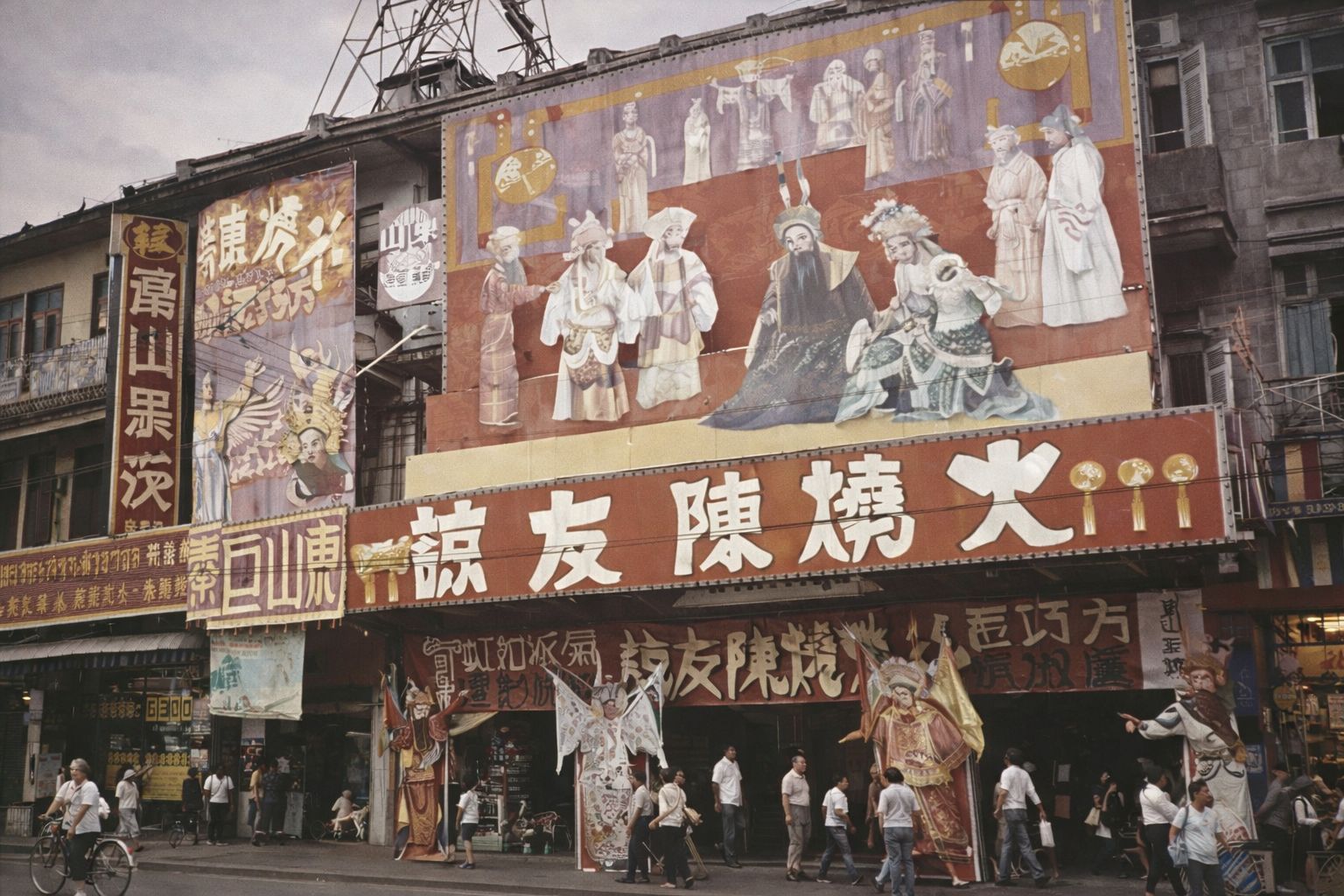
Organized by Bangkok Expressway and Metro Public Company Limited (BEM) in collaboration with the Mass Transit Authority of Thailand (MRTA), the event aimed to do more than entertain. It sought to reconnect people with the Yaowarat of the past, a place once defined by glowing lanterns, crowded streets, and the powerful presence of Chinese opera as a centerpiece of community life.
For many elderly Thai-Chinese residents, Chinese opera was once the primary form of entertainment, long before smartphones and streaming platforms existed. The intricate costumes, stylized movements, and dramatic storytelling were deeply woven into daily life. During the festival, these memories returned vividly as the Sai Yong Hong opera troupe performed classic tales such as Bao Qingtian, The Yang Family Generals, and episodes from Romance of the Three Kingdoms. Smiles, laughter, and emotional reactions from the audience reflected the lasting impact of the art form.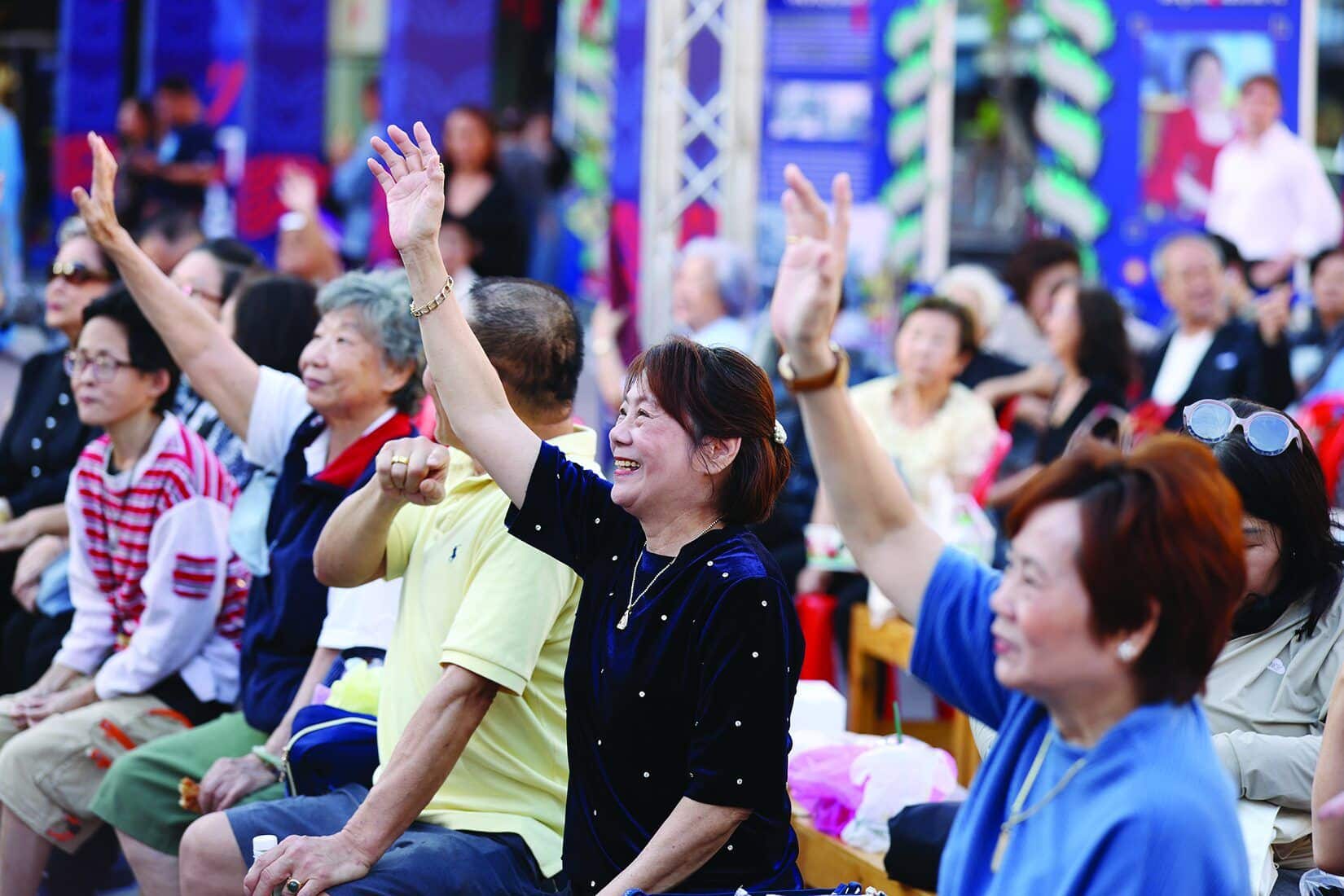 One attendee, Grandma Kanokwan Siriwattanakosol, shared that she had followed Chinese opera performances for more than 25 years. She described the event as stepping back into the Yaowarat of her youth, where familiar foods, warm conversations, and the glow of street lights blended seamlessly with the sound of opera music. For her, the festival was not just a performance, but a return to a cherished chapter of life.
Others echoed similar sentiments. Ms. Wanthanee Saekow recalled traveling by bus to Yaowarat as a child and how the neighborhood has remained a constant symbol of celebration, from Chinese New Year to the Vegetarian Festival. She said the ease of reaching Yaowarat today via the MRT made the experience even more meaningful.
Younger attendees also found inspiration. Ms. Wayuphak Sirikulwicheth, who watched Chinese opera for the first time, said she was captivated by the colors, makeup, and powerful rhythm of the performance, finally understanding why the tradition has endured for generations.
With improved access via the MRT Blue Line, Yaowarat has become more reachable than ever. Yet its soul remains rooted in tradition. As the festival showed, Yaowarat is not merely an old neighborhood. It is a living memory, continually renewed by the people who gather, remember, and pass its culture forward. Source Khaosod.


Latest Thailand News























Follow The Thaiger on Google News: