Rescue leader urges petrol stations to ease limits for ambulances

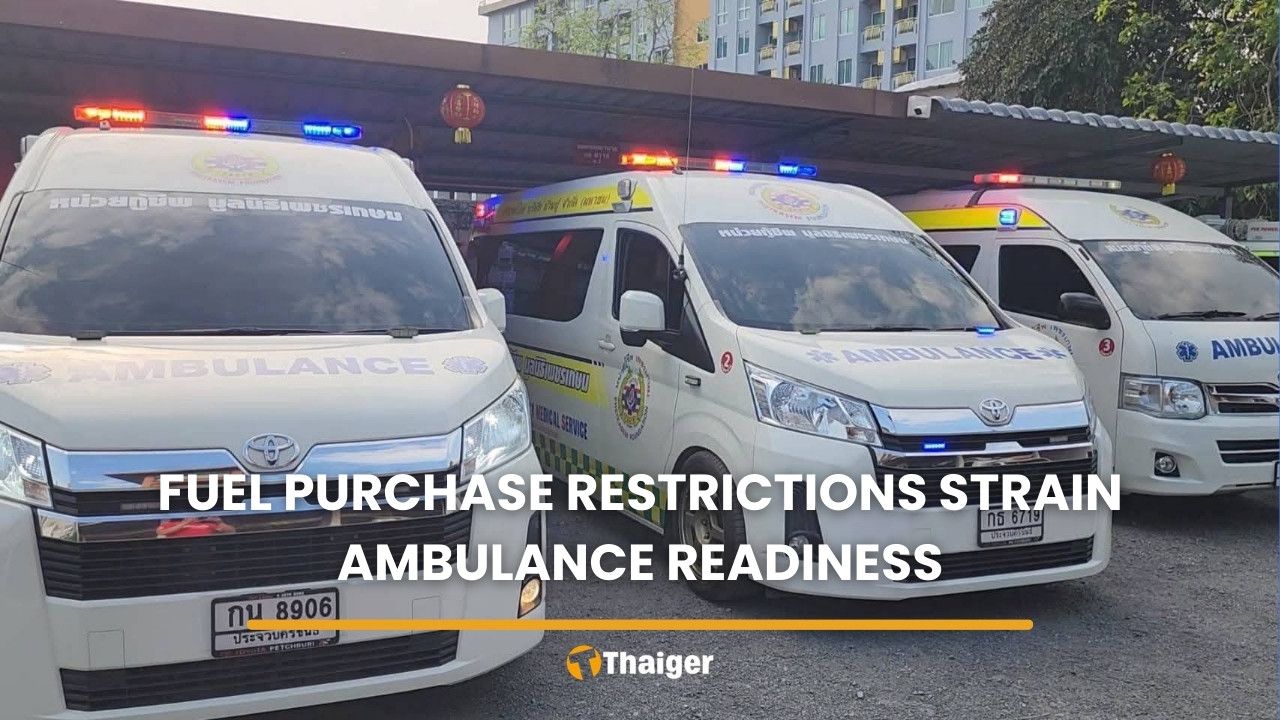
A rescue foundation leader in Chiang Mai has called on petrol stations to relax a limit that caps fuel purchases at 500 baht per vehicle per day, warning the restriction is affecting emergency medical operations nationwide and could increase risks for patients.
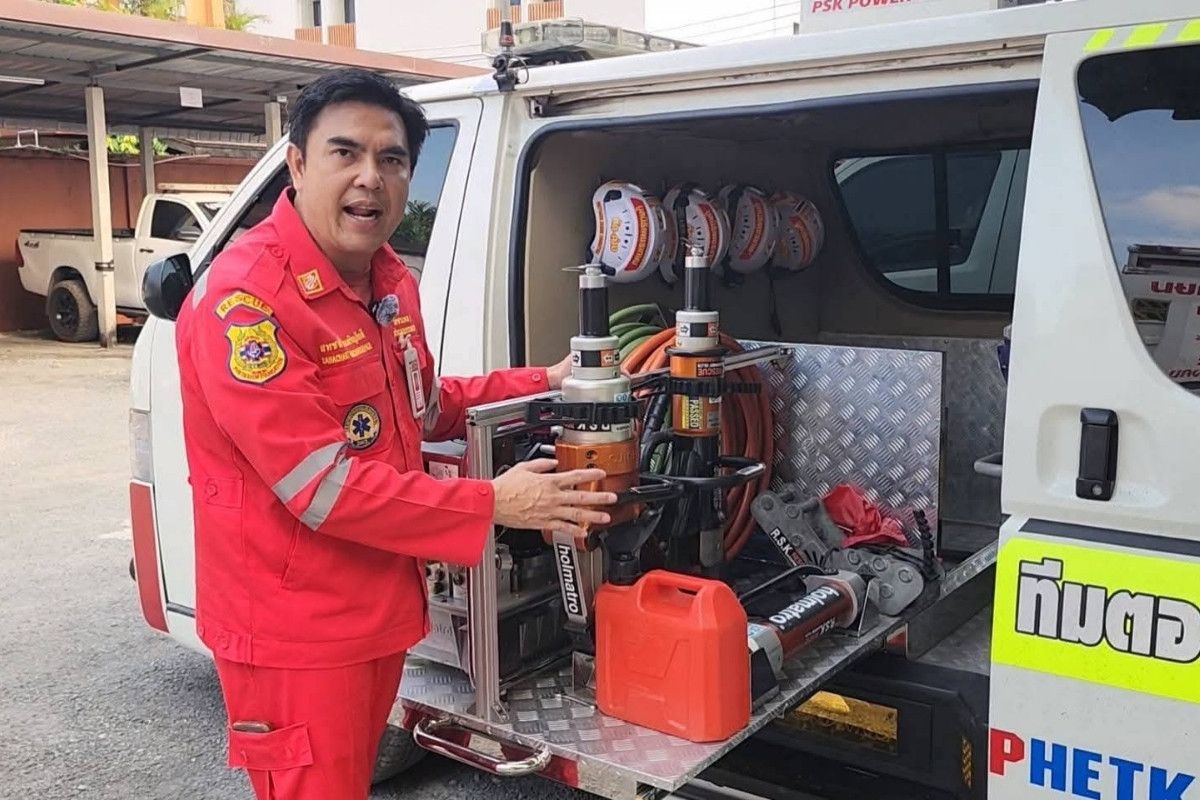
Sahachat Limcharoenphakdi, president of the Phetkasem Foundation, said the cap has been introduced at many stations as fuel conditions tighten amid the Middle East conflict and broader energy concerns.
While he acknowledged limits may be aimed at managing supply, he said ambulances and rescue units are among the first to be affected because they cannot pause operations when fuel runs low.
He said the Phetkasem Foundation operates more than 20 emergency medical units across Thailand, including in Chiang Mai, Lamphun, Nan, Yasothon, Amnat Charoen, Rayong and Bangkok. In rural areas, an ambulance may travel more than 40 kilometres on a round trip per call, and teams handle more than 10 emergency cases a day on average.
Under a 500 baht cap, he said one ambulance can usually complete only two to three calls before needing more fuel. Sahachat said the foundation’s operating standard requires each ambulance to remain fuelled and ready at all times, treating half a tank as the point at which crews “must refuel now” to maintain 24-hour coverage.
However, he said some vehicles cannot refuel even up to half a tank under the current restrictions, which can lead to delays or leave crews without enough fuel to reach a patient in time.
He added that rescue work also depends on fuel-powered equipment, including hydraulic cutters and spreaders used in vehicle crash rescues. Air compressors used to refill scuba tanks for search and recovery teams also require fuel during missions to locate missing people or recover items underwater.

Sahachat said restrictions in some areas on fuel sales in containers have created an additional obstacle, particularly when rescue crews need to help motorists who run out of petrol mid-route. If responders cannot buy fuel in a jerry can, he said, they cannot deliver it to stranded drivers.
The foundation is asking petrol stations and relevant agencies to consider expanding purchase limits for clearly marked ambulances and rescue vehicles. Sahachat said the request is not for special treatment but for practical access to fuel because emergency services operate in life-and-death situations.
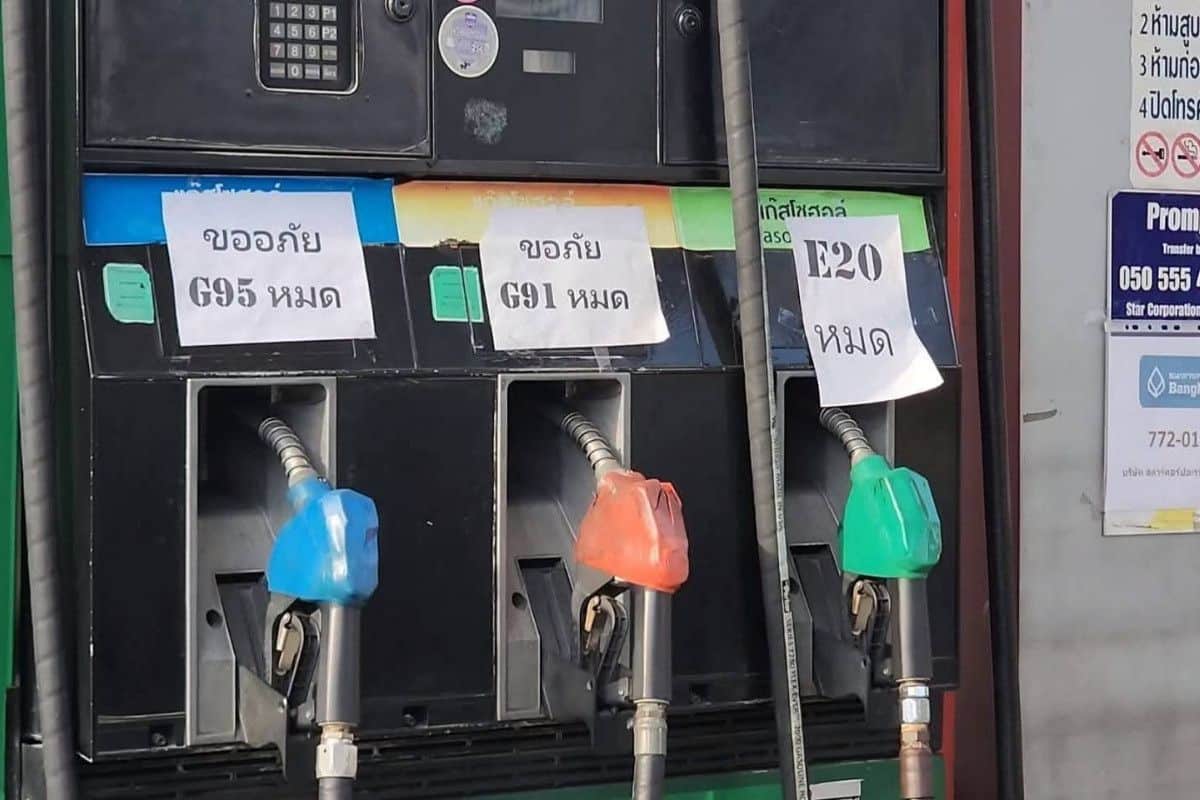
Chiang Rai Times reported that on March 15 and 16, local reporters in Chiang Mai visited multiple petrol stations in the city and found that some still had fuel while others had already run out. The report said residents continued to queue to fill their tanks.
Latest Thailand News























Follow The Thaiger on Google News: