Budget phones that are thin and light in 2026
The rise of sleek, high-end features in Thailand’s budget 2026 lineup

The budget smartphone market in early 2026 has achieved what seemed impossible just two years ago: delivering phones under 8mm thick with battery capacities exceeding 6,000mAh, all while keeping prices under 13,000 baht.
The breakthrough comes from silicon-carbon battery technology, which packs 20-30% more energy into the same space by using silicon composite anodes instead of traditional graphite. For budget-conscious buyers in Thailand, this means no longer choosing between a slim profile and all-day battery life.
The competitive landscape has shifted upward due to a global RAM shortage, driving component costs higher. The viable budget segment now sits between 6,000 to 13,000 baht, with manufacturers deploying flagship-grade innovations at prices that would have bought bare-bones devices just months ago. Here are the standout thin and light options available in Thailand right now.
On this page
| Section (Click to jump) | Short summary |
|---|---|
| Number 1 | The thinnest budget phone of 2026, combining a 6,500mAh battery with a premium curved AMOLED design at a student-friendly price. |
| Number 2 | A camera-focused option balancing slim design, fast charging, and strong selfie performance for social-first users. |
| Number 3 | A durability-driven choice offering extreme water resistance and a massive battery for demanding environments. |
| Number 4 | The best value-per-baht option, prioritising battery life and ultra-smooth display performance at the lowest price point. |
| Number 5 | A brand-backed alternative focused on build quality, long-term software support, and reliability over raw specifications. |
| Honorable mentions | Solid alternatives that excel in specific niches such as durability, entry-level AMOLED displays, or balanced everyday use. |
| Which phone for which buyer? | A practical breakdown matching each phone to different user profiles, budgets, and usage priorities. |
1. Infinix Note Edge
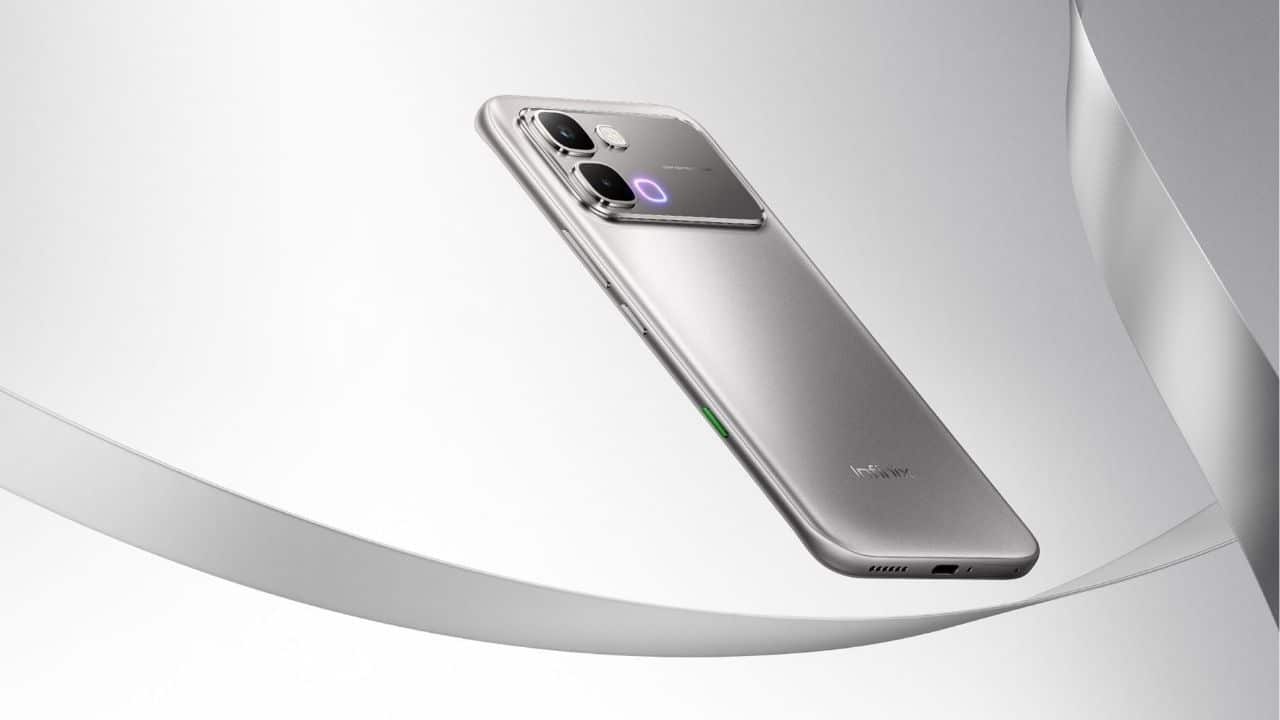
At just 7.2mm thick, the Infinix Note Edge claims the title of thinnest budget phone in 2026. Despite its anorexic profile, it houses a 6,500mAh battery with 45W fast charging, a combination that would have required a 10mm+ chassis using older battery technology.
The device features a 6.78-inch curved AMOLED display with a 120Hz refresh rate. The screen curvature serves a dual purpose: it looks premium (a design language usually reserved for flagships) and makes the already-thin device feel even slimmer in hand. Powered by MediaTek’s Dimensity 7100 chipset built on a 6nm process, the phone balances performance with thermal efficiency, critical for such a thin form factor.
Weight comes in at 185g, making it genuinely comfortable for extended use. The IP65 rating provides splash resistance without adding bulk. At approximately 6,250 baht, the Note Edge targets younger buyers and students who prioritise aesthetics and media consumption over raw processing power.


The trade-off? Camera performance sits squarely in the “adequate” category. The 50MP main sensor handles daylight well but struggles in low light, and the lack of optical image stabilisation means shaky hands show up in photos.
2. Vivo V50 Lite 5G
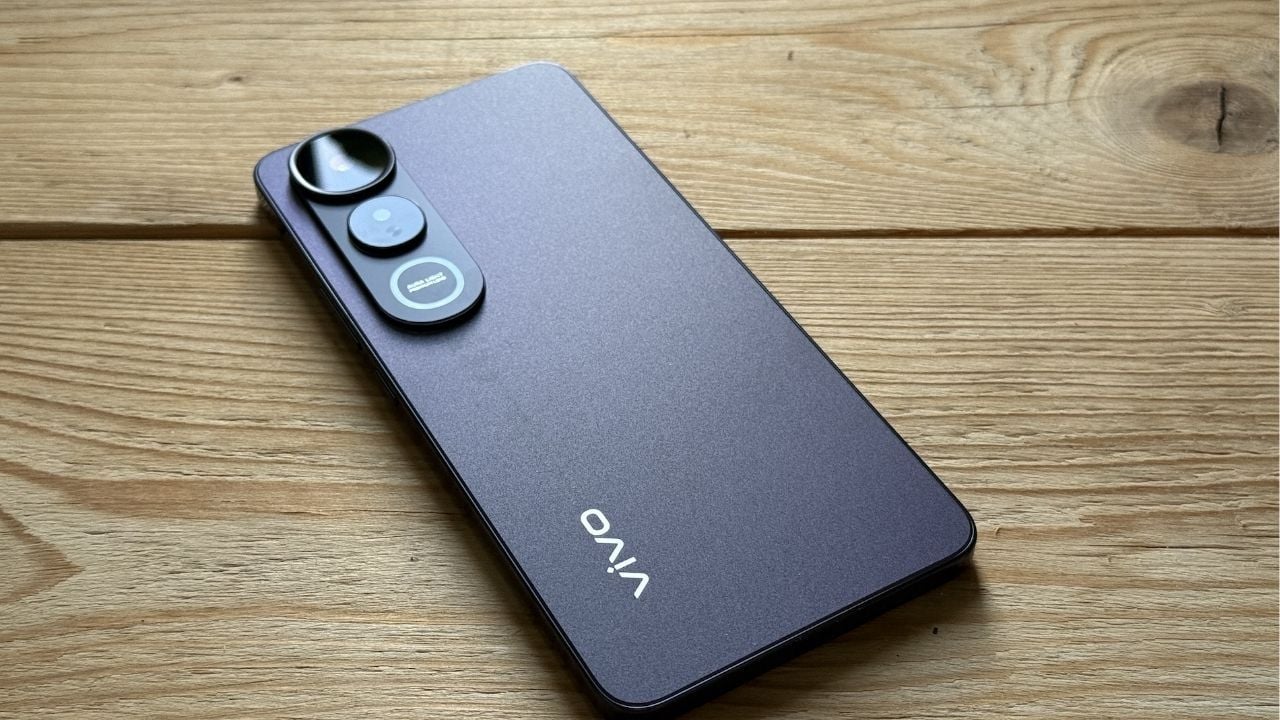
Vivo’s entry measures 7.79mm thick but matches the Infinix with a 6,500mAh battery thanks to what Vivo calls BlueVolt technology. The company claims this silicon-carbon implementation maintains optimal battery health for four years, addressing longevity concerns often associated with high-density cells and fast charging.
What sets the V50 Lite apart is its focus on camera quality. The 50MP Sony IMX882 main sensor and 32MP selfie camera come with software optimisation as well. The Aura Light ring flash around the front camera provides even illumination for nighttime selfies—a feature that resonates strongly with Thailand’s selfie-centric culture.
The flat design with ultra-narrow bezels (94.2% screen-to-body ratio) gives it a modern, industrial aesthetic distinct from Infinix’s curves. The weight sits around 188g (estimated), and the 90W charging is among the fastest in this price bracket. Vivo claims 27.4 hours of YouTube streaming on a full charge.
Pricing ranges from 5,990 to 8,000 baht, depending on configuration. The IP64 rating means it handles splashes but not submersion. For buyers who value photography and charging speed alongside thinness, the V50 Lite delivers.
3. Realme 16 Pro 5G
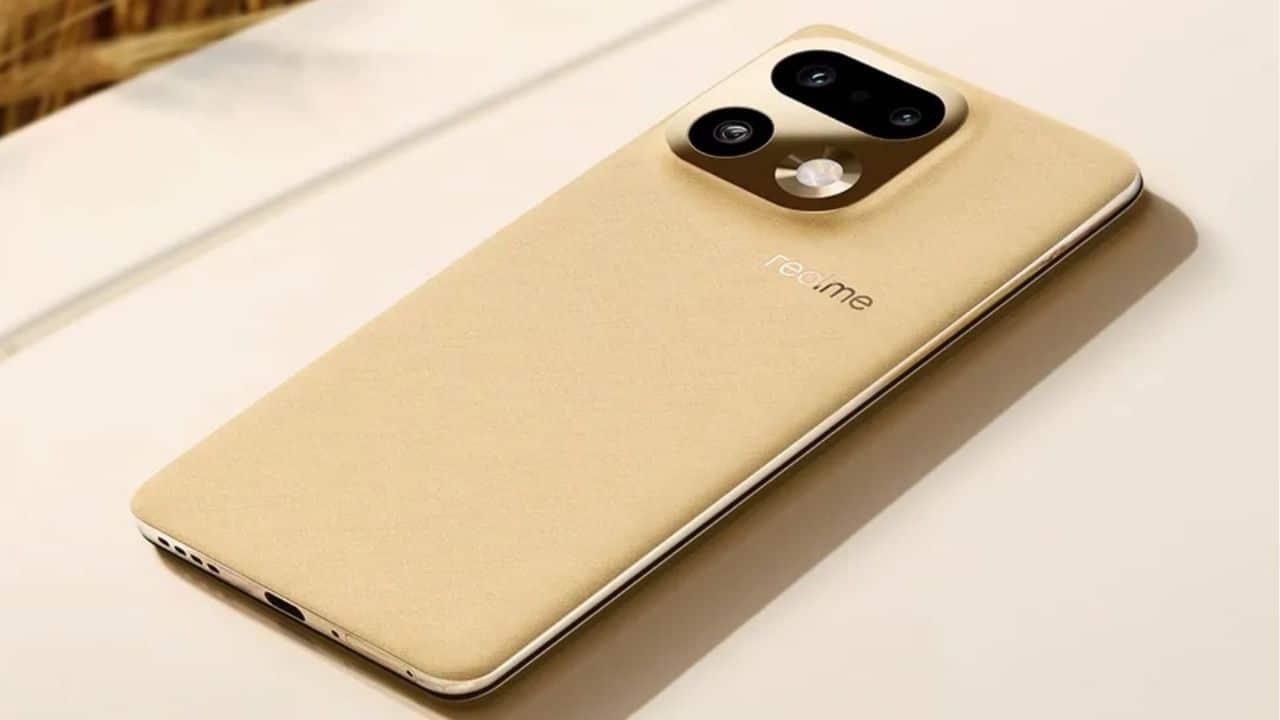
The Realme 16 Pro pushes boundaries in a different direction. At 7.8mm thick, it’s fractionally thicker than the Vivo, but it packs a massive 7,000mAh battery, the largest in this comparison class. Achieving this capacity in such a slim chassis required the most advanced cell stacking technology available in the mid-range.
What makes the Realme stand out is its durability. The IP69 rating, protection against high-pressure, high-temperature water jets, is exceptional for this price point. In Thailand’s tropical climate with sudden monsoons, this offers genuine peace of mind. The phone also features unique back panel textures, including vegan leather and bio-based materials that improve grip, potentially eliminating the need for a case.
Weight registers at 192g, slightly heavier than competitors but justified by the battery capacity and build quality. The 80W charging keeps top-up times reasonable despite the enormous battery. The device is powered by the Dimensity 7300 chipset.
Estimated pricing sits at 10,000-12,000 baht, positioning it as the premium option in this roundup. The trade-off for the durability and battery is a higher price tag, though it remains firmly in “budget” territory by 2026 standards.
4. Poco M7
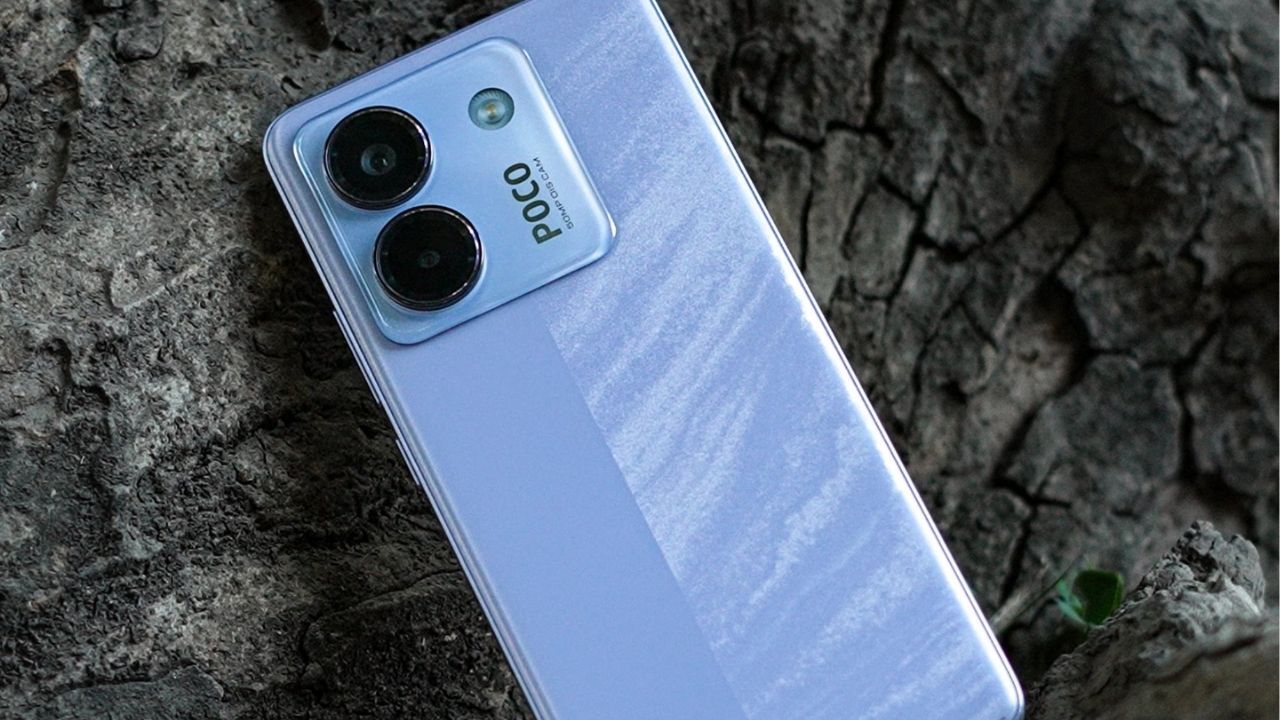
The Poco M7 deserves mention not for being particularly thin (it’s not), but for being exceptionally light at 178g while offering a competitive 7,000mAh battery. More remarkably, it’s the only phone in the budget segment with a 144Hz display, priced between 3,800-4,400 baht depending on configuration.
The device uses a Snapdragon 685 chipset and features an IPS display rather than AMOLED. According to user testing, gaming for one hour drains only 3% of the battery, a remarkable efficiency figure. The phone includes IP64 water resistance and comes with a 35W charger in the box.
The value proposition is staggering: you get flagship-tier refresh rates and exceptional battery life at prices that were previously associated with severely compromised devices. The trade-offs are evident: no AMOLED screen, occasional ads in the MIUI interface, and plastic build quality, but for buyers prioritising screen smoothness and battery endurance over premium materials, the Poco M7 represents exceptional value.
5. Samsung Galaxy A26 5G
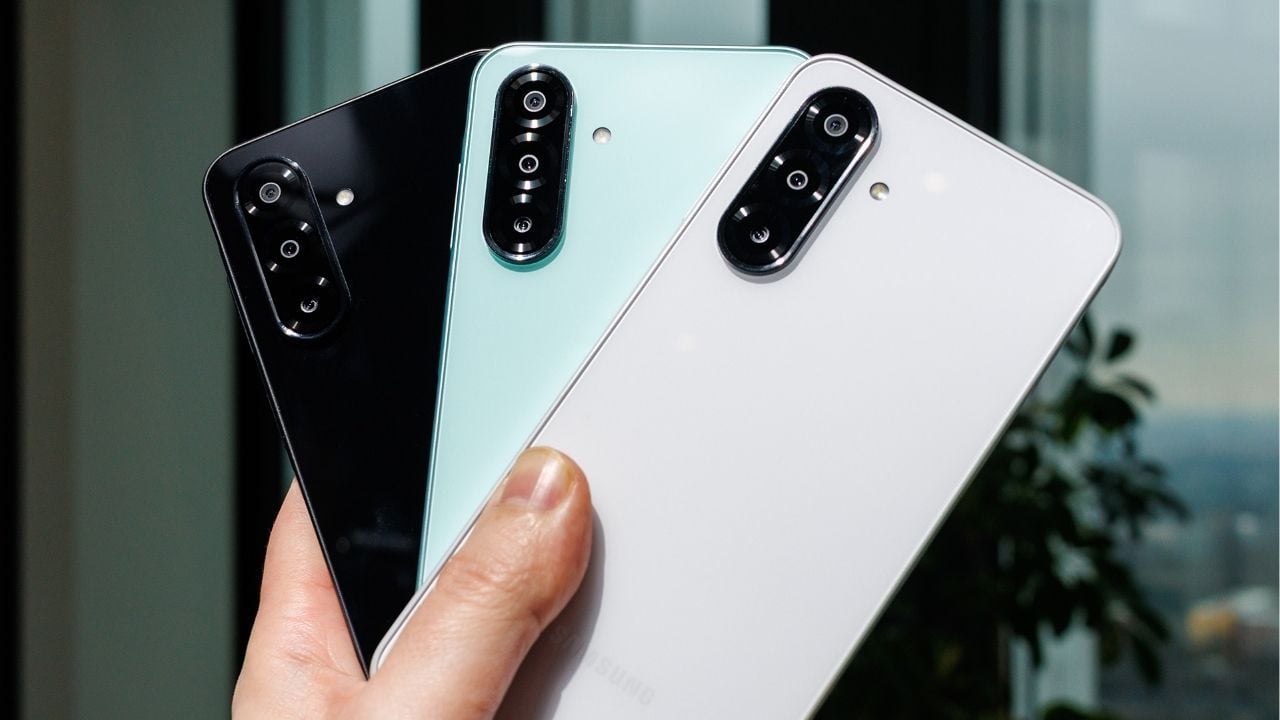
Samsung’s A26 5G measures 7.7mm thick and weighs 200g, the heaviest in this comparison. The weight comes from Gorilla Glass Victus+ on both front and back, offering superior scratch and drop resistance compared to the plastic backs of Chinese competitors.
The Super AMOLED display delivers excellent brightness and contrast, essential for readability under Thailand’s strong sun. The battery capacity sits at 5,000mAh, smaller than the Chinese competition, but Samsung’s software optimisation and the Exynos chipset’s efficiency keep the phone running through a full day.
The critical differentiator is software support: Samsung promises 6 years of OS updates and 6 years of security patches. For buyers who plan to keep their device for 3-4 years, this long-term commitment justifies the 9,000-11,000 baht price tag. The IP67 rating provides better water protection than most competitors.
The trade-off is clear: you’re paying for brand trust, software longevity, and materials quality rather than winning the raw specs race on paper.
Comparison at a glance
| Phone | Thickness | Weight | Battery | Price (THB) | Key Strength |
|---|---|---|---|---|---|
| Infinix Note Edge | 7.2mm | 185g | 6,500mAh | ~6,250 | Thinnest profile |
| Vivo V50 Lite 5G | 7.79mm | ~188g | 6,500mAh | 5,990-8,000 | Camera + charging speed |
| Realme 16 Pro 5G | 7.8mm | 192g | 7,000mAh | 10,000-12,000 | Durability (IP69) |
| Poco M7 | 8.8mm | 178g | 7,000mAh | 3,800-4,400 | Value + 144Hz screen |
| Samsung A26 5G | 7.7mm | 200g | 5,000mAh | 9,000-11,000 | Update support + build quality |
Honorable mentions
The Xiaomi Redmi Note 15 5G (7.35-7.4mm, 178g, 5,520mAh) sits between 6,699-8,499 baht and offers a balanced package with 120Hz OLED and comfortable one-handed use.
The OPPO A5 Pro 4G (4,600+ baht) brings an IP69 rating and 45W charging with a 4-year battery warranty, making it ideal for delivery riders.
The Samsung Galaxy A17 LTE (~4,900 baht) delivers Super AMOLED and 6-year updates at the entry level.

Which phone for which buyer?
For the style-conscious student: Infinix Note Edge. The 7.2mm profile and curved screen deliver flagship aesthetics at 6,250 baht. The 6,500mAh battery ensures you won’t need a power bank, and the slim design slips easily into tight jean pockets or small bags.
For the content creator: Vivo V50 Lite 5G. The Sony sensor, Aura Light, and 90W charging make it a photography specialist. The 27-hour streaming claim means it’s your all-day vlogging companion.
For the field worker: Realme 16 Pro 5G. If your livelihood depends on your phone staying operational in rain, dust, and rough handling, the IP69 rating and 7,000mAh battery justify the 10,000-12,000 baht investment.
For the value seeker: Poco M7. At 3,800-4,400 baht, you get 144Hz smoothness and 7,000mAh endurance. Accept the IPS screen and occasional ads, and you’ve got the best performance-per-baht ratio available.
For the long-term planner: Samsung Galaxy A26 5G. Pay 9,000-11,000 baht now, use the phone confidently until 2030 with guaranteed security updates. The premium materials and IP67 rating ensure it ages gracefully.
Warning! iPhone 16 to 17 are vulnerable to hackers who can access your device through the USB-C port
The silicon-carbon battery breakthrough has fundamentally changed what’s possible in budget smartphones. Devices that would have been considered mid-range flagships just two years ago, curved AMOLED screens, 6,500mAh+ batteries, IP ratings, fast charging, now compete at prices under 10,000 baht.
The global component shortage has compressed the market upward, eliminating the ultra-budget segment but forcing manufacturers to pack more value into the 6,000 to 13,000 baht tier. For consumers, this means today’s “budget” phone delivers tomorrow’s capabilities at yesterday’s prices. The era of choosing between thin design and practical battery life is over.
Related articles:
• Is the Infinix Note Edge the best budget phone of 2026?
• Leaked: Samsung Galaxy A57 and A37 launching February to March 2026
• Apple AirTag 2 introduced with iOS 26.2.1 support
Sources:
• Thai Budget Smartphone Market Strategic Analysis January 2026
• Chudtechtips – Budget Phone Rankings Under 5,000 THB
Latest Thailand News

























Follow The Thaiger on Google News: