UAE property market slows sharply as deals fall 51% month on month

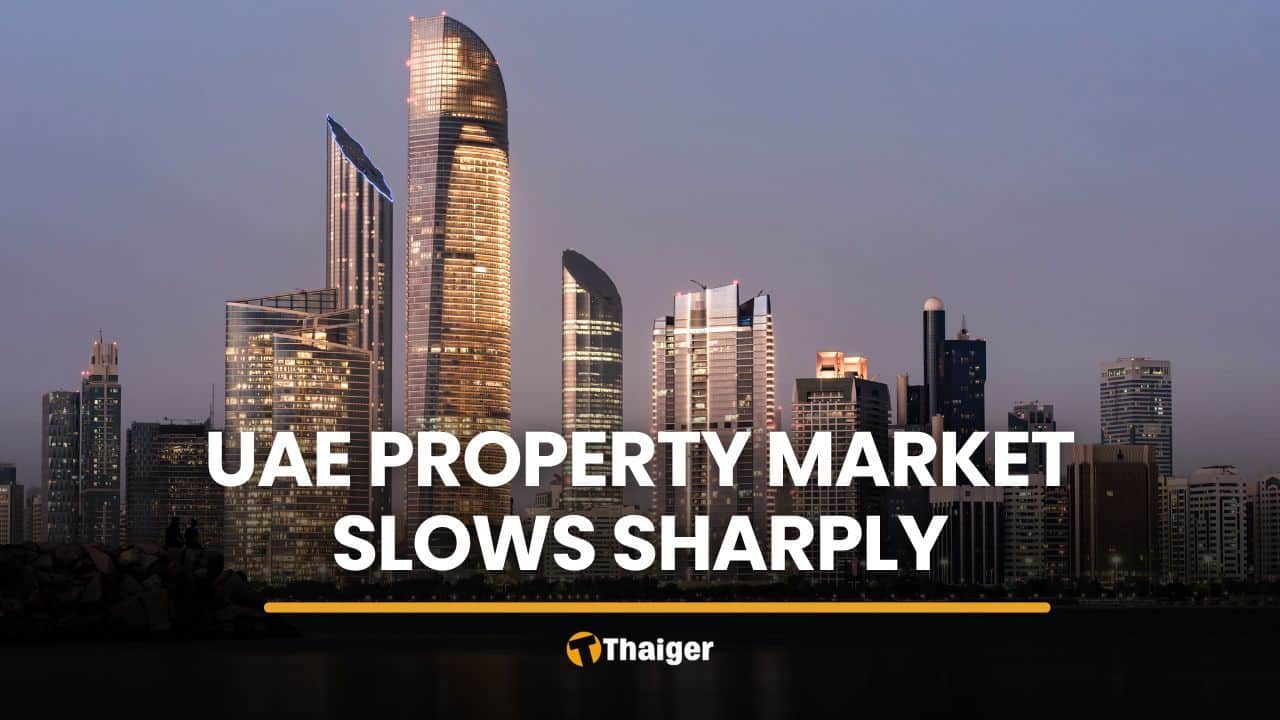
Property transactions in the UAE have slowed sharply since the latest conflict in the Middle East began, according to investment bank Goldman Sachs, which said rising regional uncertainty is starting to weigh directly on homebuyer demand.
The war is now entering its third week and has increased volatility across financial and energy assets in the region. Goldman Sachs analysts, led by Harsh Mehta, said that early March transaction data shows a clear slowdown in UAE real estate activity.
The total value of transactions in the first half of March fell 31% year on year (YoY) and dropped 51% month on month (MoM) since the conflict began. The decline is more severe than several previous shocks in the UAE property market.
During the Dubai floods in April 2024, sales fell 19% (MoM), while the Israel-Iran conflict in November 2024 saw a 32% (MoM) drop. A separate period of tension in June 2025 was followed by a 17% (MoM) decline.
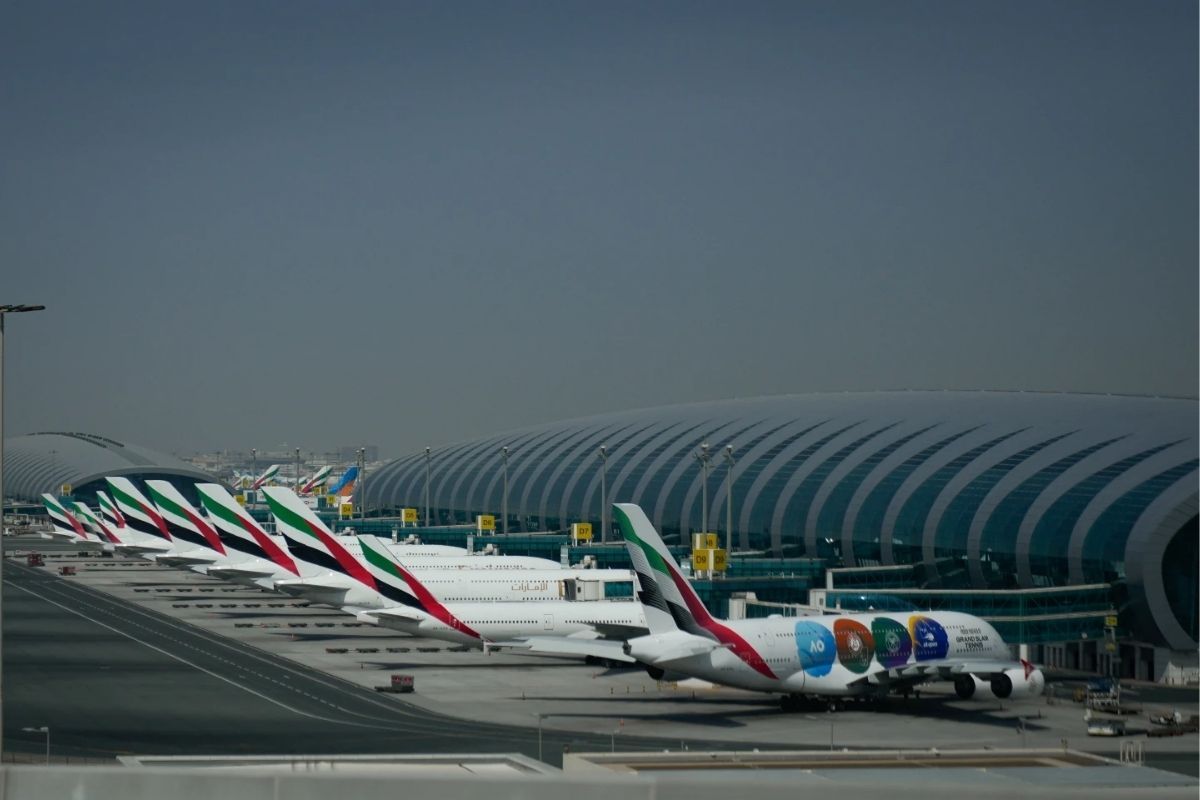
Weakness in the market intensified in the second week of March, when transaction values fell 42% (YoY). Much of the fall was driven by the secondary market, where transaction values declined 59% (YoY), with villa transactions down 89% (YoY).
Overall transaction volumes also fell 38% (YoY), the analysts said. The drop was led by off-plan activity, which decreased 52% (YoY), with apartment sales down 59% (YoY).
Data for March 1 to 12 showed mixed price movement, with apartment prices per square foot down 3% (YoY) and down 8% (MoM).


Villa prices were still up 16% (YoY), but showed signs of slowing, with a 2% (MoM) decline. Average prices across all property types per square foot rose 1% (YoY) but fell 7% (MoM).
The conflict has also hit stocks, with Emaar Properties PJSC, one of the UAE’s largest developers and the company behind Burj Khalifa and Dubai Mall, down almost 40% since the conflict began, as investors reassess risk and the outlook for the region’s real estate sector.
In Southeast Asia, the main pressure on stock markets has been driven by higher global crude oil prices and concern about a possible closure of the Strait of Hormuz, a key route for global oil shipments. The impact has been most direct on countries that rely heavily on energy imports.

Thailand’s stock index has been volatile and fell more than 3% in early March amid selling by foreign investors. Tourism, hotels and hospitals were among the sectors under pressure, amid concerns that Middle Eastern and European tourists could postpone trips.
Stocks expected to benefit included energy and refining shares, such as PTTEP, which rose against the broader market on the back of higher oil prices.
Supply chain pressure has begun to affect businesses, with freight rates rising and raw materials in short supply. There were reports that the Thai industrial group SCG temporarily suspended operations at some chemical plants due to supply constraints.
The Philippines and Singapore face inflation and cost-of-living risks that could rise with energy prices and transport costs. Malaysia, however, is outperforming many regional peers as foreign investors look for a safer destination.
Malaysia is one of the few net energy exporters in Asia, and higher crude oil and natural gas prices have supported revenue from offshore production. Foreign inflows have continued into Malaysian equities, in contrast to other emerging markets in the region, helping support the ringgit.

Paul Trayman, chief operating officer at FazWaz Thailand, a property technology and brokerage company, said the situation is a transition point for global capital flows that Thai investors should watch closely.
He said the more than 51% drop in UAE transactions is a sign that high-end investor confidence is highly sensitive to geopolitical risk. Trayman added that while Dubai has often been seen as a haven for investment, when war moves closer, cross-border capital can pause quickly and seek alternatives.
Looking at property markets in ASEAN, including Thailand, he said the crisis could bring both pressure and opportunity. Trayman said that while markets may face stock volatility and rising living costs linked to global oil prices, a slowdown in the Middle East could lead to capital shifting elsewhere.
He said Western investors, Russians, and even wealthy Middle Eastern buyers may begin looking for new opportunities in places viewed as politically stable and away from conflict.
Trayman said Thailand, particularly Phuket, Bangkok and Pattaya, is well-positioned to absorb demand for second homes as investors diversify risk.

However, he warned that a major challenge for Thai developers and buyers is supply chains and construction costs. Trayman said higher oil prices and shipping rates would directly affect building material prices and furniture imports, squeezing developer margins and potentially pushing up prices for new launches to reflect higher underlying costs.
For those seeking property investment as inflation protection, he suggested placing more weight on completed, ready-to-move-in projects rather than off-plan developments.
This could allow buyers to lock in costs immediately, reduce exposure to future construction cost increases, and generate rental returns sooner as demand grows for perceived safe locations.
Latest Thailand News
























Follow The Thaiger on Google News: