Why low-density living is the new luxury standard
How fewer units and more space are shaping the way we live in the modern world

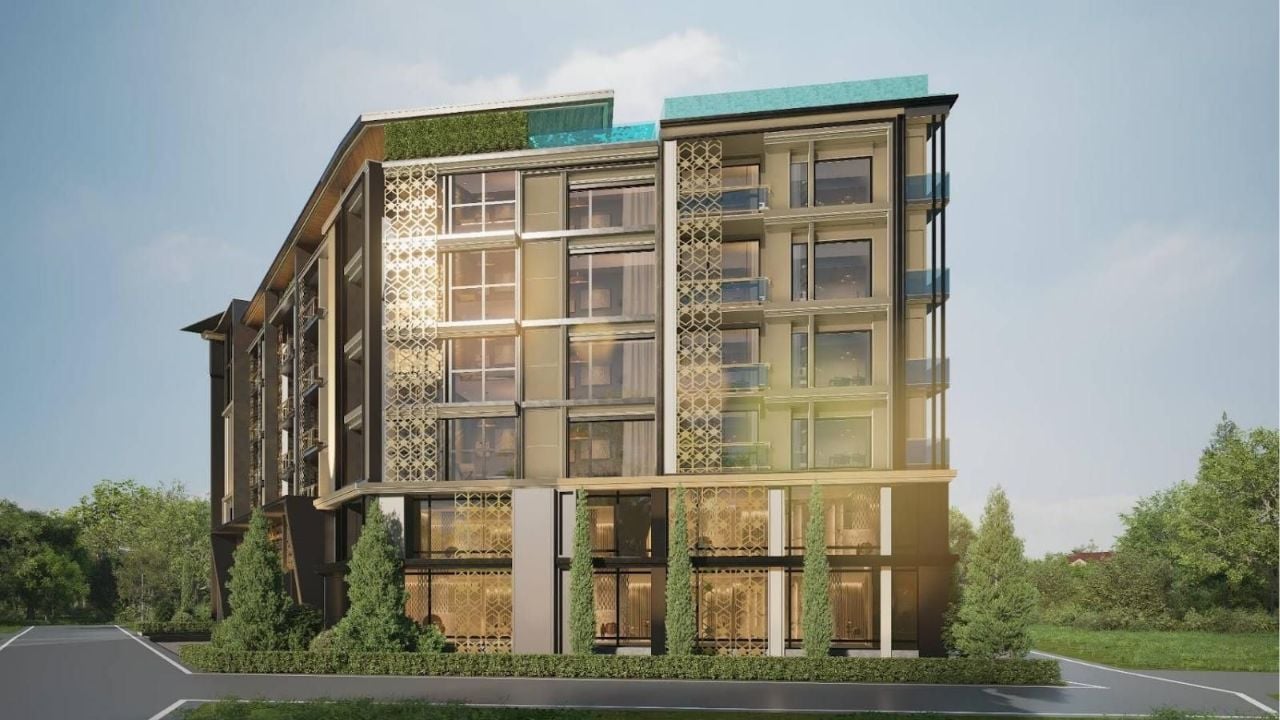
Ever feel like every new condo is just another glass tower reaching for the sky? Here in Phuket, a shift is happening. More and more homebuyers are stepping back from the noise and looking for something that feels, well, a little more human.
Low-density living is no longer just a niche choice. It’s fast becoming the new standard of luxury for people who value space, privacy, and a lifestyle that puts wellness and community first. And if there’s one place that captures this shift beautifully, it’s the 8 Atelier Residence in Bangtao-Pasak.
What low-density living actually means
What does low-density living even mean? It’s about fewer units. More personal space. Environments that feel thoughtfully designed, not just crowded. It might sound simple, but in practice, it makes a world of difference.
Here’s what buyers are really getting:
- Less noise, more peace: No elevator queues, no overcrowded gyms, no waiting for a sunbed by the pool.
- Spaces that feel like home: Each unit is designed with the actual resident in mind, not just to maximise developer profits.
- Real community: Fewer neighbours means you might actually know their names. Imagine that.
This isn’t about square metres or unit counts. It’s about experience. About living somewhere that supports the way you want to live.
Why now?
Let’s be honest, the pandemic changed a lot about how we think of “home.” Suddenly, our living rooms became conference rooms. Our kitchens doubled as classrooms. And our apartments had to work harder than ever.


People started asking new questions: Does my space support my wellbeing? Can I work here? Can I relax here? Is it built for life, not just sleep?
And so, a shift happened. International buyers and long-term residents started prioritising homes that offer calm and quality of life, residences that blend work and leisure, and long-term value over short-term flash. This is where low-density developments shine, and where 8 Atelier really steps up.
Inside 8 Atelier Residence
So, where do these low-density values really come to life? On the quiet side of Bangtao-Pasak, you’ll find 8 Atelier Residence, a boutique project that offers just 48 exclusive residences.
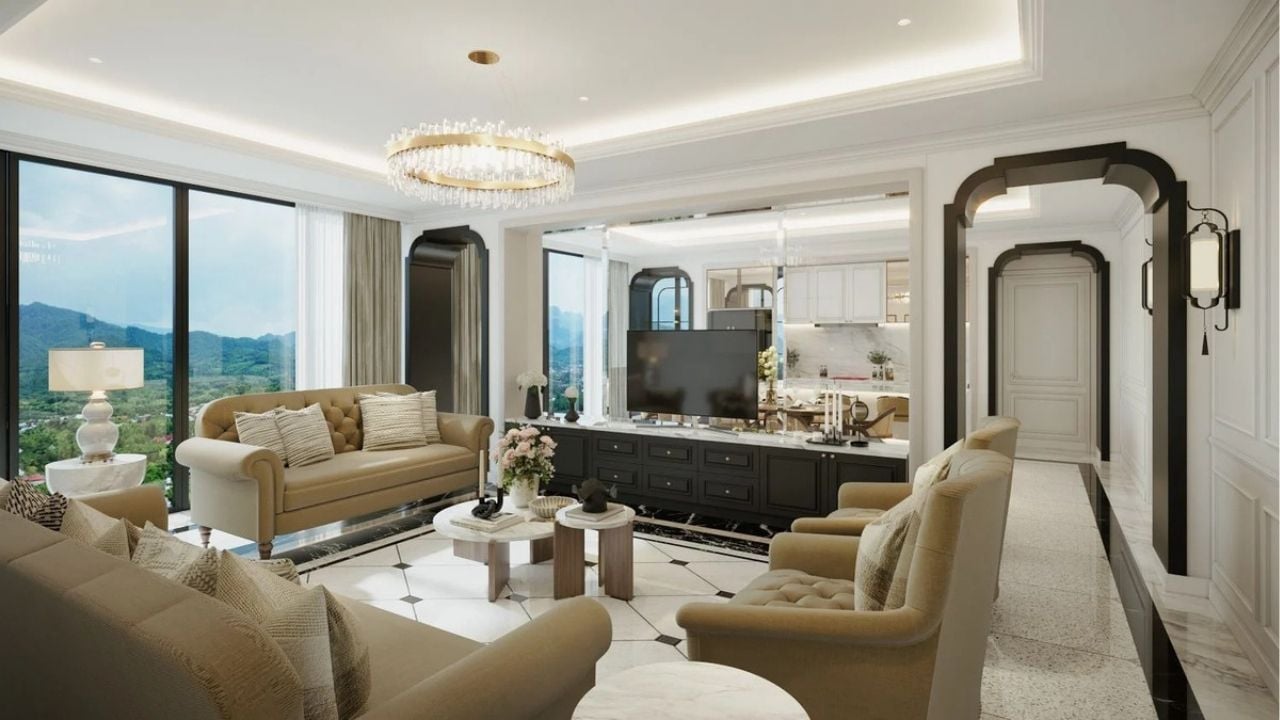
But it’s what’s inside that sets it apart. Teak wood finishes and chevron flooring bring a sense of warmth and craftsmanship, while curated Indo-Chine interiors give each unit a distinct character. Select floors are pet-friendly too, making space for the whole family, even the four-legged members.
This isn’t a generic design. It’s personal, refined, and tailored to people who want their home to feel like an extension of themselves.
Here’s a look at the numbers:
- Prices from 5.6 million baht with freehold ownership available
- Just 110,000 baht per sqm (roughly 32% lower than comparable properties in the area)
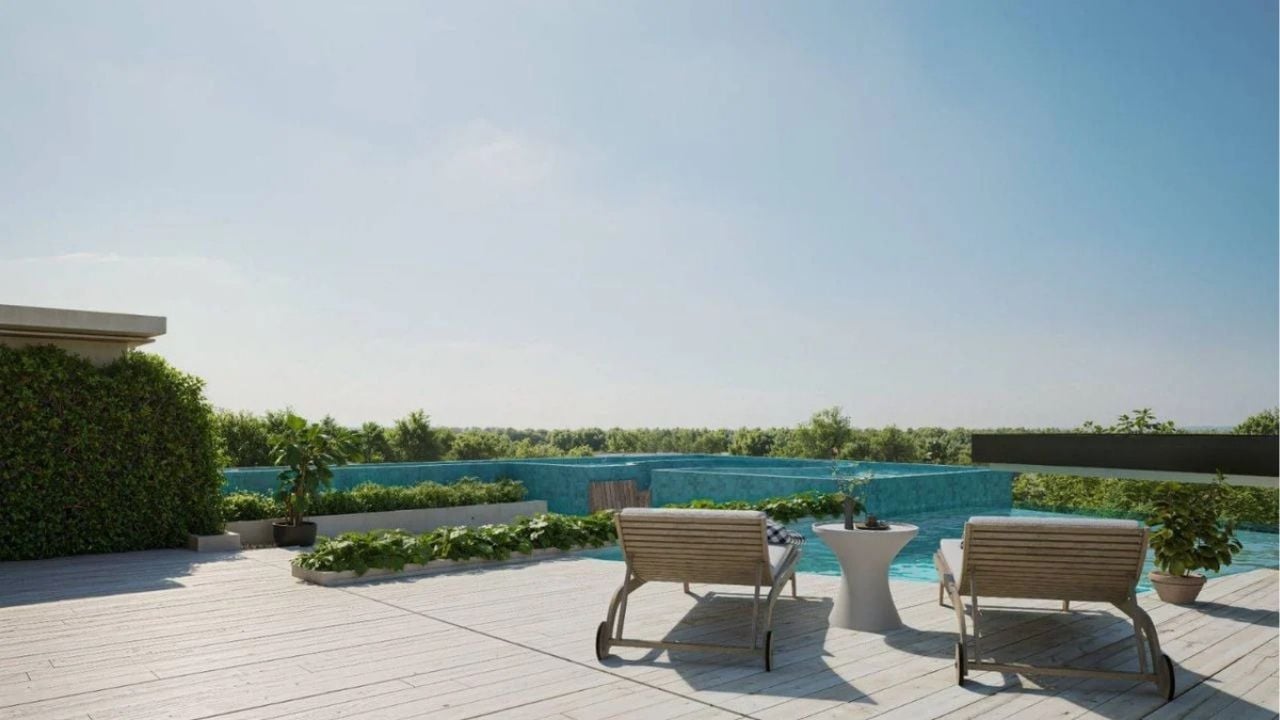
- Amenities that include: a 45-metre pool, rooftop garden, gym, co-working areas, private meeting rooms, a kids’ club, and co-dining spaces
When you consider the value, luxury, and design, it’s hard to find a better option.
Why low-density makes smart investment sense
There’s a reason rental demand is growing in Bangtao-Pasak. As of 2025, one-bedroom units in the area are yielding 9 to 10% returns, according to CBRE Thailand. That’s driven by a steady flow of remote workers, expat families, and long-stay travellers who want more than a box in the sky.
For investors, a smaller development means fewer operational headaches and more control over who you rent to. This is exactly what today’s lifestyle-driven renters are looking for. It’s smart living, and smarter investing.
Reasons Bangtao-Pasak is worth your attention
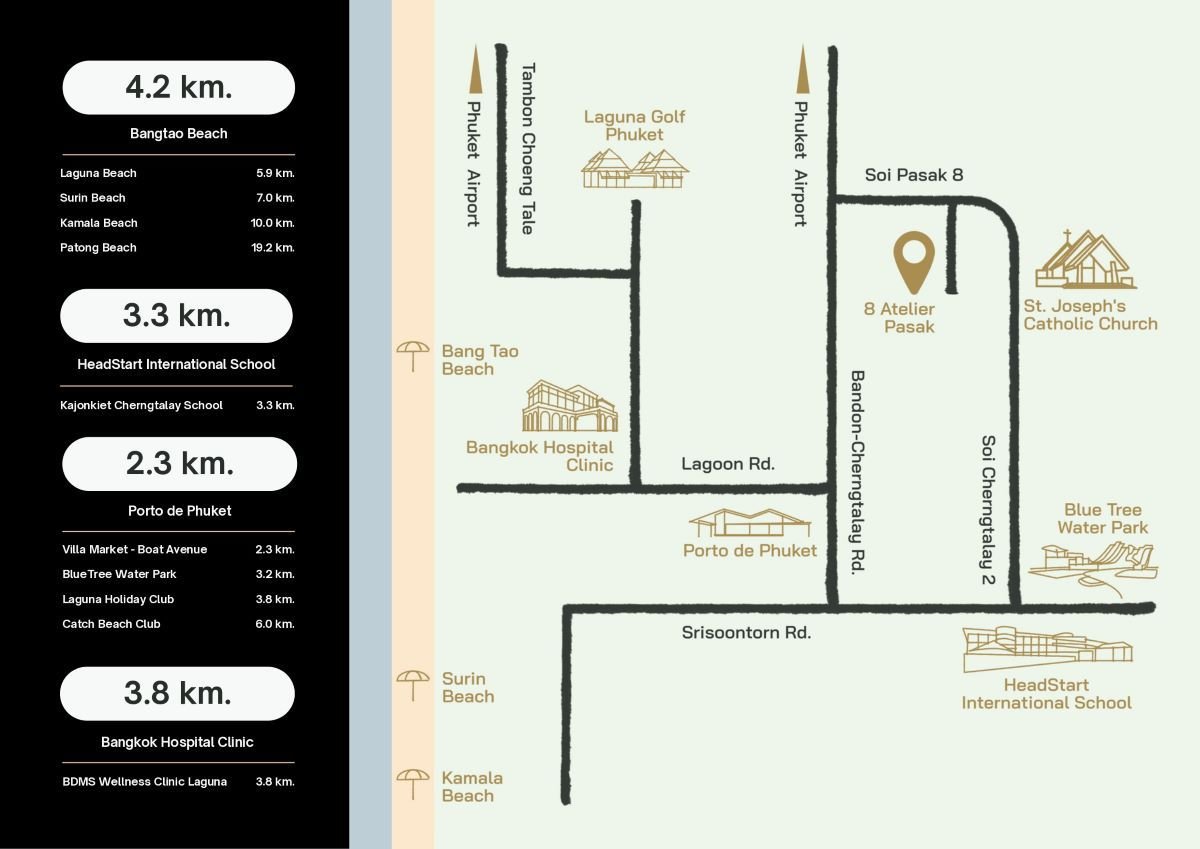
The area itself is no longer just an up-and-comer; it’s here. Bangtao-Pasak offers that rare balance: close enough to Phuket’s hotspots, but far enough away to feel calm.
- 5 to 10 minutes from Bang Tao Beach, Porto de Phuket, and Boat Avenue
- Quick access to international schools like HeadStart and UWC Thailand
- Future-proof: upcoming infrastructure, like the Phuket Light Rail, will only boost accessibility
It’s exactly the kind of neighbourhood that supports low-density values: convenient, connected, and community-oriented.
Less is finally more
8 Atelier isn’t trying to compete with the mega-condos. Instead, it’s focused on a better way to live, with fewer units, more thoughtful design, and a real sense of peace. It’s for people who want to wake up somewhere that feels peaceful, not packed.
So whether you’re looking to buy a forever home or an income-generating investment, 8 Atelier offers a chance to be part of something different. It’s a return to living that feels personal, peaceful, and truly luxurious.
Interested in learning more? Click here to check availability, view floor plans, and explore 8 Atelier Residence in more detail.
Sponsored
Latest Thailand News

























Follow The Thaiger on Google News: