Thailand’s entertainment complex legislation in 2026: where things stand now

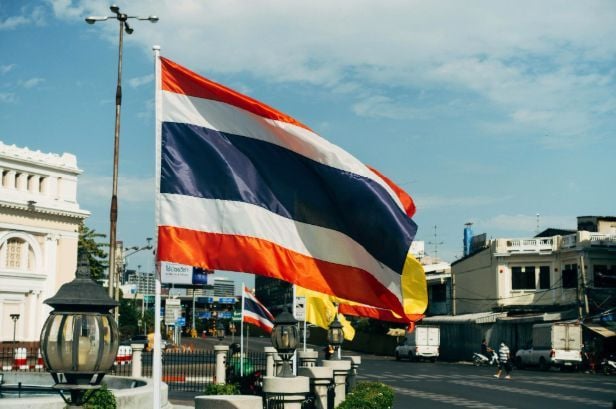
Thailand’s Entertainment Complex Bill has had one of the more turbulent legislative histories of any recent policy proposal in Southeast Asia. Approved in principle by the cabinet in January 2025, passed by the cabinet in March, shelved in July after mass protests and a coalition collapse, rejected by a Senate committee in September, and formally suspended when parliament was dissolved in December: the bill completed nearly a full year of political turbulence without ever reaching a final parliamentary vote.
As of mid-2026, it is back on the table. A coalition framework agreement reached in May has reopened the legislative pathway, and the question of whether Thailand will legalise casino-integrated resorts has moved from hypothetical back to active.

Understanding where things stand requires understanding what changed between the 2025 collapse and the 2026 revival, because the new proposal is not simply the old bill reintroduced. The framework agreement between coalition partners addressed the three specific issues that derailed earlier attempts: the tax rate, ownership restrictions, and the role of domestic operators.
The original bill had proposed a gross gaming revenue tax structure that international operators and industry analysts warned would make projects financially unviable. The 2026 framework agreement settled on a 17% GGR tax rate for the initial licensing period, a figure intended to attract serious investment while still generating meaningful state revenue. Whether that number survives intact through the parliamentary process remains uncertain, but it represents a concrete concession that the 2025 version never offered.
The bill’s history up to this point reflects tensions that run deeper than any single policy disagreement. The Thaiger has documented how Thai public opinion on casino legalisation has been consistently divided along lines of generation, geography, and political affiliation, with a June 2025 NIDA poll showing 57% of respondents rejecting the proposal.
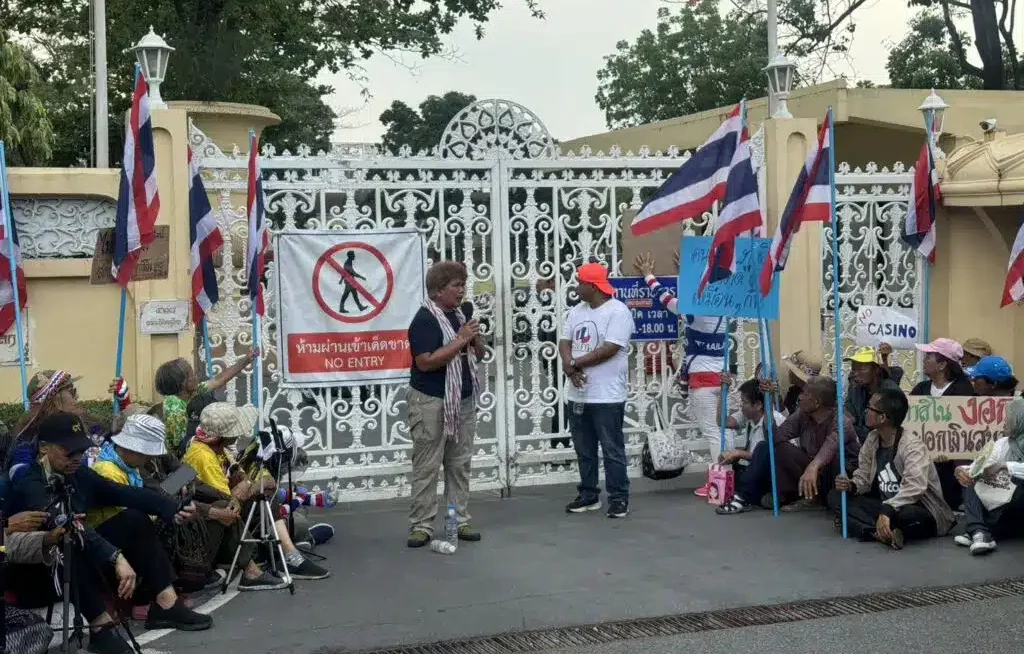
Opponents ranged from religious groups and civil society organisations to opposition parties and street protesters who gathered in the thousands at various points during 2025. Proponents argued that regulated entertainment complexes would attract foreign investment, generate tax revenue, reduce illegal gambling, and position Thailand to compete with Singapore and Macau for high-value tourism. Neither side has fundamentally changed its position since last year, which means the political challenge facing the revived legislation is substantially the same as the one that defeated it before.
What has changed is the political arithmetic. The May 2026 coalition agreement provides a political pathway for the bill to reach parliamentary debate in Q3 2026, with potential passage by year-end if the legislative calendar allows. The coalition partners have agreed on the revised tax framework and on allowing up to three entertainment complexes with licensed casino floors, down from the five proposed in the original bill.


When the bill was withdrawn in July 2025, as the Bangkok Post reported at the time, Deputy Finance Minister Julapun Amornvivat was explicit that it was a temporary delay rather than an abandonment, and that the government intended to reintroduce it at an appropriate moment. That moment now appears to have arrived.
Against that legislative backdrop, the question of what legalisation would mean for Thais who currently gamble online has become more visible. Under Thailand’s 1935 Gambling Act, most forms of gambling remain prohibited for Thai citizens.
Offshore platforms operating from licensed jurisdictions continue to attract Thai players, and the structure of available offers, including casino bonuses in Thailand on offshore platforms, reflects a market that functions despite rather than within the domestic regulatory framework. What regulated domestic casinos would do to that offshore market is one of the questions the legislation has not yet fully answered, partly because the bill, as currently structured, is focused on physical entertainment complexes rather than online gaming specifically.
What the bill actually proposes
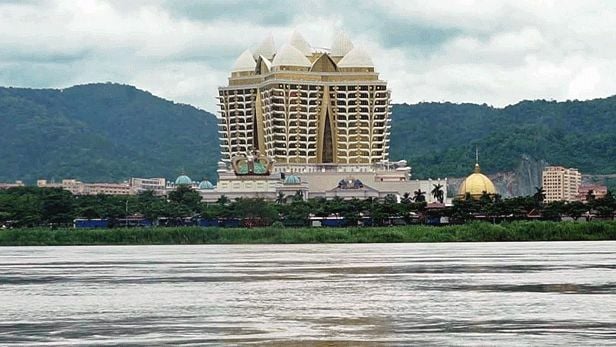
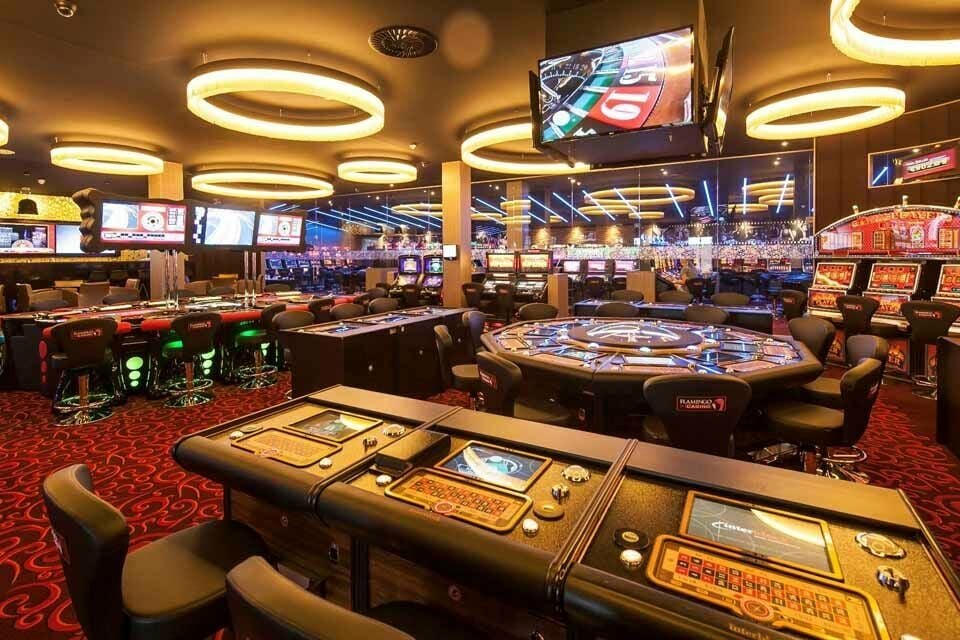
The Entertainment Complex Bill authorises large integrated resort developments that combine casino floors with hotels, retail, convention facilities, theme parks, and entertainment venues. Casino space is limited to approximately 10% of the total complex footprint.
Access rules for Thai citizens include an entry fee and stringent eligibility requirements, while foreign visitors would face fewer restrictions. The millionaire clause, a proposal that would have required Thai citizens to demonstrate a minimum of 50 million baht in savings before being permitted to gamble, was dropped from the revised framework after drawing widespread criticism as both elitist and practically unenforceable.
The revised bill also addresses concerns about money laundering and organised crime that featured prominently in 2025 opposition arguments. Anti-money laundering provisions, mandatory know-your-customer requirements, and player protection frameworks have been incorporated into the new draft with greater specificity than the original version included.
Whether these provisions are sufficient to satisfy regulators and sceptical legislators is a separate question, but their inclusion signals that the coalition has absorbed some of the substantive criticism rather than simply reintroducing the same proposal with a different political coalition behind it.
What happens next and why it is not certain
The optimistic scenario has the bill passing both chambers of parliament by the end of 2026, proceeding to royal assent, and entering a regulatory implementation phase that would see the first licensing bids in 2027. The pessimistic scenario, which has significant historical precedent, involves the bill stalling again under the weight of Senate opposition, constitutional challenges, or another shift in the governing coalition’s composition.
The obstacles are real. As iGaming Business has noted, religious and conservative factions in the Senate retain the capacity to block or substantially delay legislation they oppose, and the military-appointed senators who retain influence in the upper chamber have not publicly endorsed the entertainment complex framework.
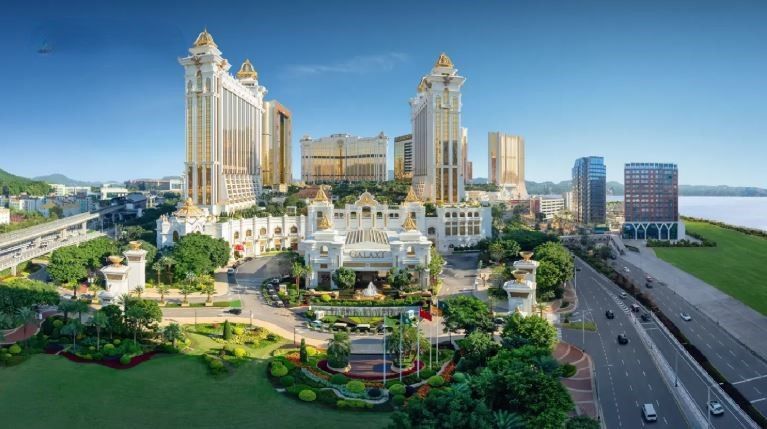
Hard Rock International, which had previously considered Thailand as a potential development market, recently told industry media it currently has zero interest due to ongoing instability. Galaxy Entertainment Group and Melco had opened Bangkok offices when the legislation was moving forward in early 2025 and remain watching the 2026 process closely, but have not recommitted publicly.
The bill’s trajectory over the next six months will reveal whether the 2026 coalition agreement represents a genuine breakthrough or another iteration of the same cycle that has characterised Thailand’s casino debate for the better part of a decade.
The groundwork laid in 2025, including regulatory studies, public consultation processes, and draft legislative language, is not wasted, regardless of what happens next. It is available to any government willing to use it. What it cannot provide is the political durability that has eluded every previous attempt.
Latest Thailand News

























Follow The Thaiger on Google News: