What to look for in a food trailer for sale in Los Angeles

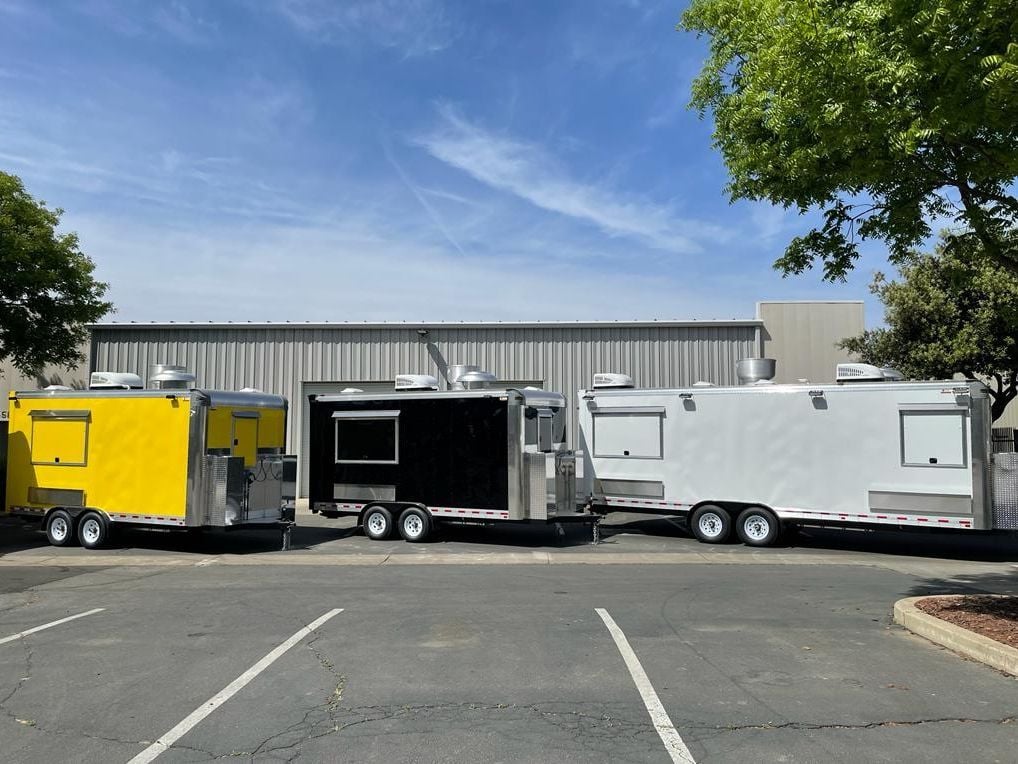
Los Angeles remains one of the most attractive markets for mobile food businesses because it combines year-round activity, a diverse customer base, and steady demand for convenient food concepts. In a city where people regularly eat on the go, attend public events, and try new street food formats, mobile operators have real opportunities to build brands that are flexible, visible, and scalable. For entrepreneurs entering this market, the trailer is not just equipment. It is the platform that shapes service speed, menu execution, workflow, and public perception.
That is why choosing the right unit requires more than comparing dimensions or exterior styling. Buyers need to think about how well the trailer fits the concept they want to run, the customers they plan to serve, and the day-to-day rhythm of the business. Anyone searching for a food trailer for sale Los Angeles should evaluate the unit not only as a purchase, but as a long-term business tool that supports both launch and future growth.
Why Los Angeles works so well for mobile food
One of the biggest advantages of Los Angeles is the range of audiences available to mobile food businesses. The city includes busy commercial districts, residential neighbourhoods, tourist-heavy zones, beach communities, entertainment areas, and event-driven spaces that generate different forms of demand. A mobile operator is not limited to one customer group or one service model. A business might serve office workers during the day, event guests in the evening, and weekend crowds in another part of the city without changing its core concept.
The climate and lifestyle also make mobile food a natural fit. In many markets, outdoor service is restricted by weather or short seasonal windows. Los Angeles supports activity throughout the year, giving trailer-based businesses more consistency and more chances to build routine demand. That continuity matters because it allows owners to improve operations, strengthen visibility, and build a customer base with fewer interruptions.
Los Angeles is especially well-suited to niche and semi-specialised concepts. A business does not always need a broad menu to attract attention here. Focused concepts often perform better because they are easier to brand, easier for customers to understand, and easier to execute consistently. Coffee service, snack menus, desserts, and compact street food concepts can all do well when the setup matches the audience and location strategy.
Start with the menu and service model
The best starting point is always the business model, not the trailer itself. A coffee trailer, a snack concept, and a fuller street food operation each need a different layout and service rhythm. Buyers who choose the trailer first often end up forcing the concept into a format that does not support it well. A smarter approach is to decide what will be sold, how quickly it must be served, and how much preparation is involved before comparing units.
A coffee-focused trailer may need efficient equipment placement, compact movement, and a customer-facing design that supports fast service. A snack trailer may require simpler prep areas but stronger volume handling. A broader menu concept may need more storage, more prep flexibility, and a layout that supports several service steps without slowing the team down. Each model can work, but only if the trailer reflects real operational needs.

Once the menu is clear, the next step is making sure the layout fits the product. Storage, prep, cooking or brewing, and order handoff should work as one flow. If staff are forced to cross paths, reach awkwardly for supplies, or lose time moving between stations, even a good concept can struggle during busy hours. In Los Angeles, where customer expectations are shaped by both quality and speed, layout matters.
Features that matter most
Space is always limited in a trailer, so the goal should not be to maximise size for its own sake. A smaller but well-planned kitchen often performs better than a larger unit with poor internal organisation. Buyers should focus on how naturally the trailer supports movement, task sequence, and service flow rather than assuming that more space automatically means better results.
Equipment, refrigeration, and prep stations also need to be judged in terms of real workflow. Refrigeration should be accessible without interrupting service. Prep stations should allow staff to work cleanly and consistently. Equipment placement should support safe, logical movement. Even minor inefficiencies become much more noticeable as volume increases, so it is not enough for the trailer to include the right components. Those components also need to work together.
The customer-facing side matters too. The service window is not just where orders are handed over. It is where the business meets the public, creates first impressions, and reinforces its identity. In a market like Los Angeles, where visual presentation influences customer decisions, branding potential should never be treated as a small detail. A trailer should provide a strong base for signage, recognition, and a concept that customers remember quickly.
Standard vs. custom trailer options
A standard trailer can be the right choice when the concept is relatively simple and does not require a highly specialised layout. For businesses with a focused menu and straightforward workflow, a well-designed standard unit may be enough to support efficient service without unnecessary complexity. In these cases, value comes from solid build quality, a practical layout, and enough flexibility to match the intended concept.
Customisation becomes more important when the business depends on a specific workflow, presentation style, or menu structure that generic solutions cannot support well. A coffee trailer may benefit from a service-first arrangement that improves both speed and appearance. A more specialised street food concept may need equipment placement and prep zones tailored to a unique process. In those situations, customisation is not about luxury. It is about making the trailer more useful from day one.
The real value of customisation appears when it prevents operational problems before they start. Instead of forcing staff to adapt to an awkward layout, the owner begins with a unit designed around the way the business actually runs. That can improve consistency, comfort, and brand presentation over the long term.
Practical buying factors
A trailer should be judged as a commercial asset, not just as an attractive listing. Durability matters because the unit has to withstand transport, repeated cleaning, daily service pressure, and constant use. Material quality, structural integrity, and general workmanship all affect long-term reliability. Weak finishes or poor construction may seem minor during the purchase stage, but they often become expensive problems later.
Ease of maintenance is just as important. A trailer that is difficult to clean or awkward to maintain creates more labour pressure and can weaken service standards over time. In compact kitchens, disorder builds quickly, so simple cleaning routines and practical surfaces help preserve both hygiene and efficiency. These details may seem secondary when comparing listings, but they matter greatly in regular operation.
Mobility also needs to be considered in practical terms. Buyers should think about how often the trailer will move, how it will be transported, and how easily it can be set up for real service. A trailer may look ideal when parked, yet still feel inefficient if the business model involves frequent moves between neighbourhoods, events, or commercial locations. Daily usability matters just as much as mobility itself.
Planning for growth
Los Angeles offers strong opportunities, but it also demands clarity. With so many food businesses competing for attention, owners benefit from a concept that customers can understand and remember quickly. The trailer plays a major role here because it is both a working kitchen and a visual expression of the brand. A strong concept becomes easier to communicate when the trailer supports it through layout, presentation, and smooth customer interaction.
The best purchase is not only the one that works on opening day, but the one that still makes sense as the business grows. Growth may mean higher volume, more events, stronger branding, or a refined menu. The trailer should offer enough flexibility to support those next steps without becoming limiting too soon. That does not mean buying the largest unit available. It means choosing one that aligns with the likely direction of the business.
Final takeaway
Choosing a food trailer in Los Angeles requires more than comparing isolated features. The strongest decision comes from matching the trailer to the menu, workflow, service format, branding needs, and growth strategy of the business. In a city with diverse audiences, year-round demand, and intense competition, the right trailer can create a clear advantage by improving both daily operations and market presentation.
Entrepreneurs who carefully evaluate kitchen efficiency, product fit, customer-facing design, durability, and long-term flexibility are far more likely to choose a unit that works as a real business platform rather than just a starting purchase. In Los Angeles, success in mobile food often depends on how well the concept and the trailer support each other from the beginning.
Latest Thailand News


















Follow The Thaiger on Google News: