Why Thailand’s casino debate misses the real gambling issue

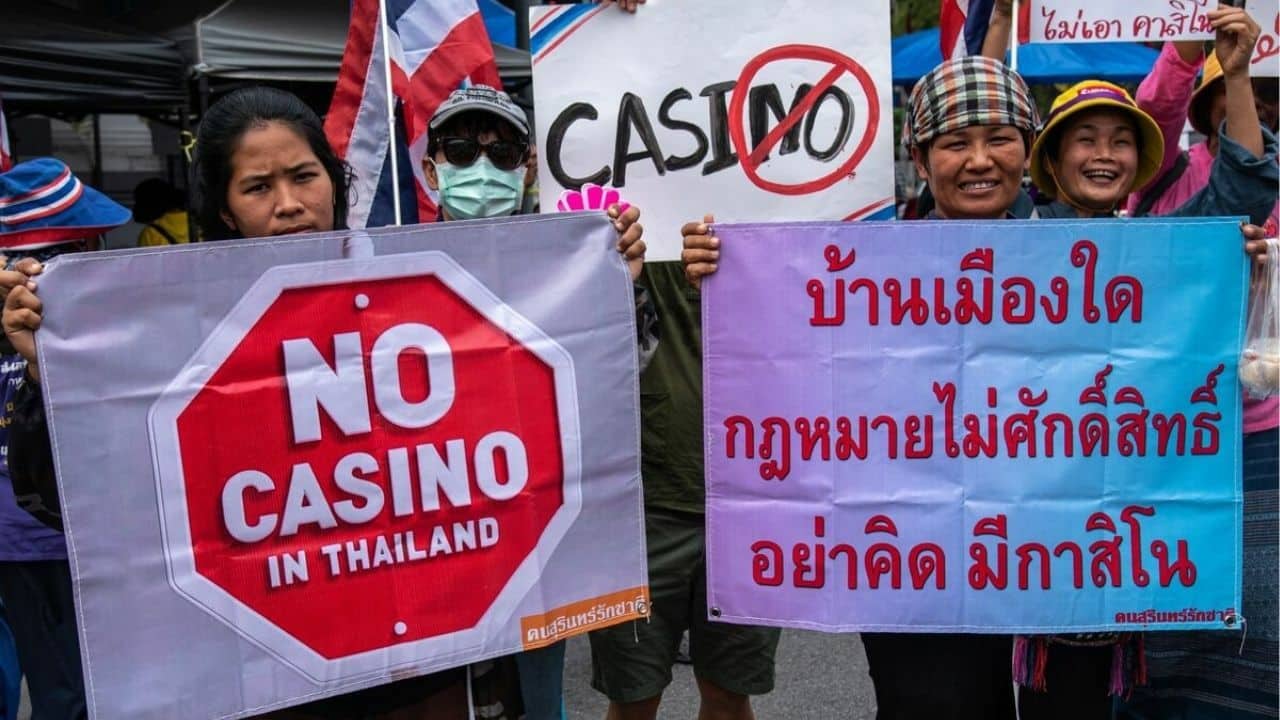
Thailand’s long-running argument over casino legalisation has again stalled, with proposed entertainment complexes dominating headlines while enforcement questions sit in the background. In early 2026, the political focus remains on whether large, integrated resorts should be allowed, where they might be built, and how much tourism revenue they could generate. Meanwhile, betting activity already woven into daily life continues with far less scrutiny.
That disconnect matters. Physical casinos are hypothetical, tied up in legislation and public consultation, yet gambling in its many informal forms is already present. The real challenge for regulators is not preparing for a future industry but grappling with one that has quietly evolved beyond traditional oversight.
Seen through that lens, the casino debate risks becoming a distraction. It channels political energy into symbolic fights while the harder work of enforcement, regulation, and institutional reform remains unresolved.
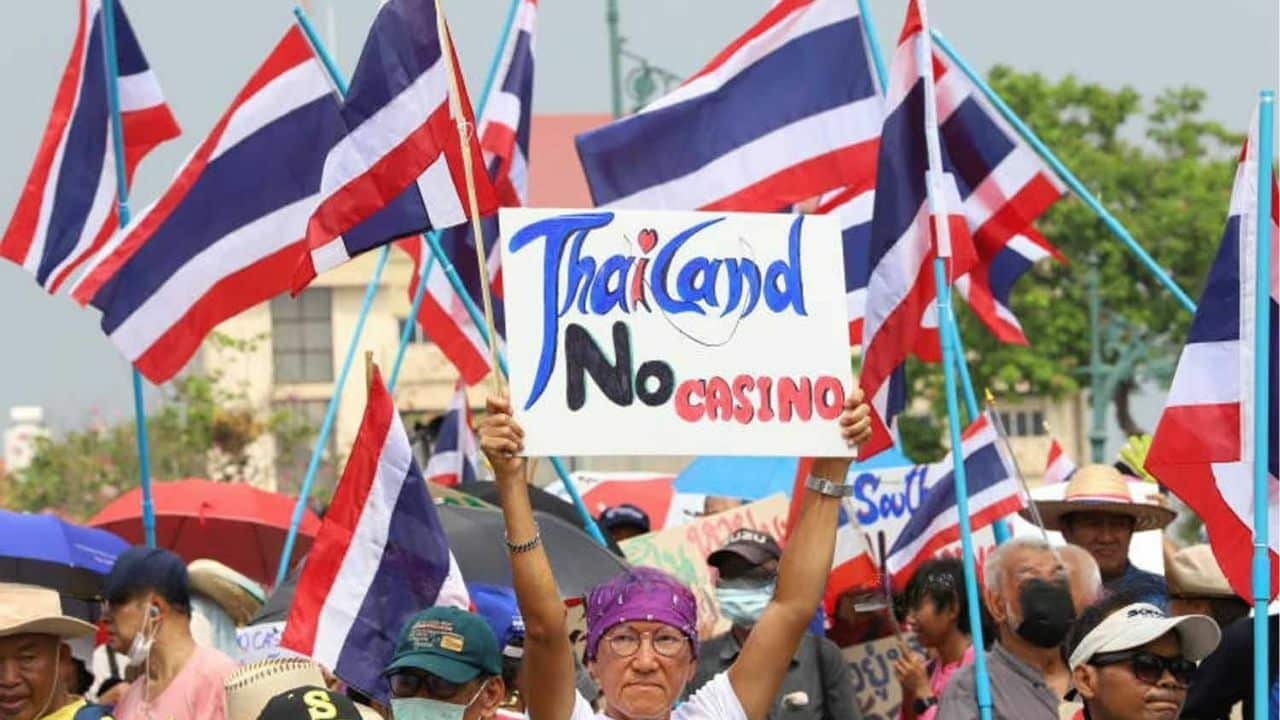
The casino narrative dominates politics
Few policy topics in Thailand generate as much heat as casinos. Supporters frame them as engines for tourism and regional competitiveness, while critics warn of social harm and corruption. The Entertainment Complex Bill became a lightning rod for those tensions, with cabinet-level discussions stretching on for months.
That legislative drift has been well documented. In March 2025, the Cabinet delayed its review of the bill amid mounting scrutiny and calls for wider consultation. The pause reflected not just public unease, but a deeper political paralysis that has dogged the proposal since its inception.
What gets lost in this back-and-forth is proportionality. Even if casinos were approved tomorrow, they would take years to build and regulate. Yet policy debate treats them as the central gambling issue, eclipsing more immediate concerns that affect communities right now.



Everyday gambling beyond casinos
Away from parliamentary chambers, betting already operates in forms that rarely make the evening news. Sports pools, informal wagers, and online platforms accessed through technical workarounds are part of a grey economy that functions independently of any casino bill.
Technology has accelerated that shift. Mobile payments and encrypted messaging allow betting to move quickly and discreetly, often beyond the reach of local enforcement. In addition, players turn to offshore platforms. As these aren’t domestically registered platforms, a certain dose of caution is necessary. Reading independent analyses in advance, such as CasinoBeats Insights, helps Thai iGamers do their homework and find websites that support transparent games and multiple payment methods. While players benefit from these alternatives, the government doesn’t receive any tax revenue. That’s why the supporters of legalising online gambling at home work on these initiatives.
Focusing on future casino floors does little to address this reality. The everyday betting ecosystem adapts faster than legislation, creating an enforcement arms race that Thailand is still struggling to win.
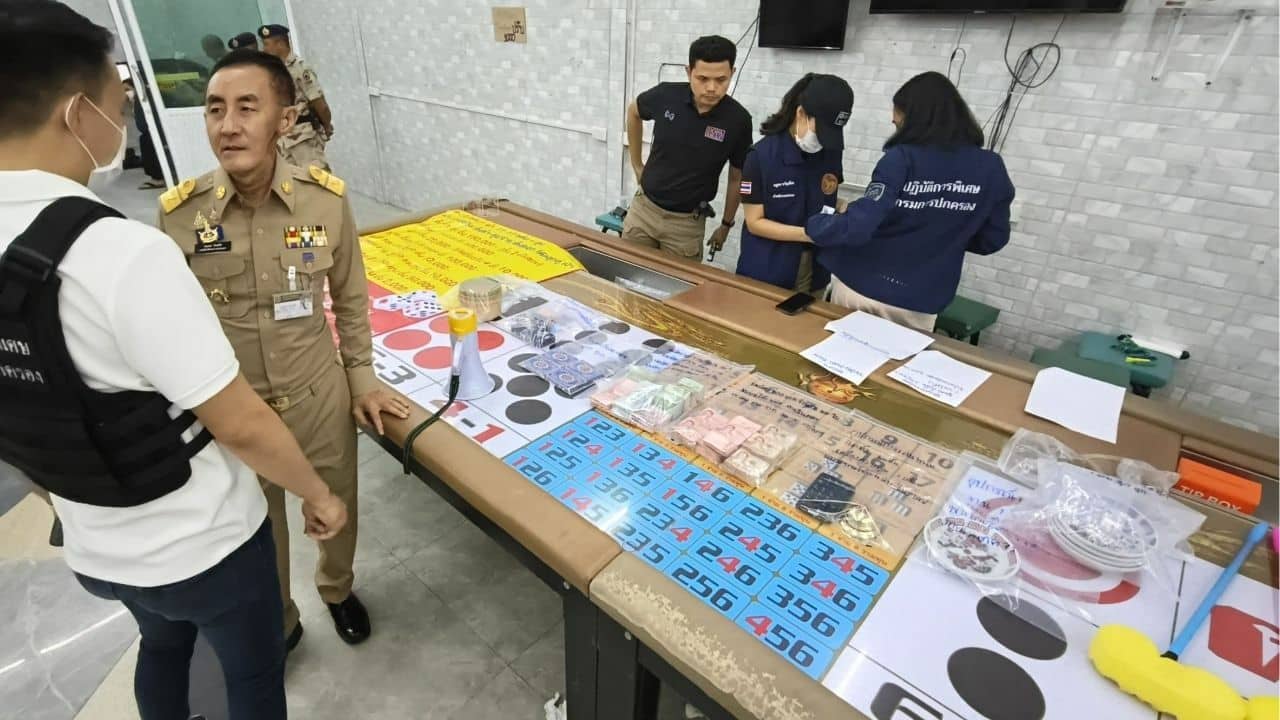
Enforcement and regulatory blind spots
The gap between law and practice becomes clearer when enforcement itself is under strain. Illegal betting networks do not operate in isolation; they intersect with financial crime, online scams, and, at times, compromised institutions.
That vulnerability was starkly illustrated in March 2024, when Thailand’s national police chief and his deputy were suspended amid an investigation into alleged links with an illegal online gambling network, according to an AP News report. The case underscored how deeply embedded these operations can become, even within agencies tasked with shutting them down.
Such incidents complicate the casino debate. They suggest that the core problem is not a lack of laws but uneven enforcement and accountability. Without addressing those weaknesses, introducing legal casinos could simply add another layer to an already strained system.

What this means for policy priorities
Reframing the conversation does not mean dismissing concerns about casinos. Social impact, urban planning, and revenue distribution all deserve scrutiny. But treating casinos as the primary gambling challenge misreads the landscape.
Policy priorities might be better served by strengthening regulatory capacity, improving digital monitoring, and insulating enforcement bodies from corruption. These steps are less headline-grabbing than resort blueprints, yet they target the behaviours that already exist.
For readers living or travelling in Thailand, the takeaway is pragmatic. Gambling debates are often presented as moral or cultural flashpoints, but the more pressing issue is governance. Until everyday betting activity is addressed with consistent enforcement and clear rules, the casino question will remain a sideshow to a much larger, unresolved problem.
Latest Thailand News
























Follow The Thaiger on Google News: