How global gaming turns local through sports and online play

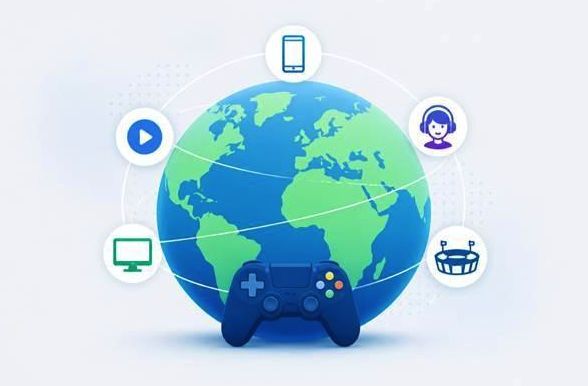
Global gaming used to involve one giant audience moving in the same direction. That is no longer how the market feels from the player side. The same internet that spread games worldwide has made regional habits more visible, from Southeast Asia’s mobile-first communities to Australia’s sports-led online entertainment moments.
A useful way to understand this shift is to see games as culture. An open-access study on digital game cultures argues that games often carry both global and local characteristics, which explains why the same format can feel different across countries. Players bring local language, routine, humour, devices, payment preferences, and community behaviour into the experience.
Where Regional Play Becomes Visible
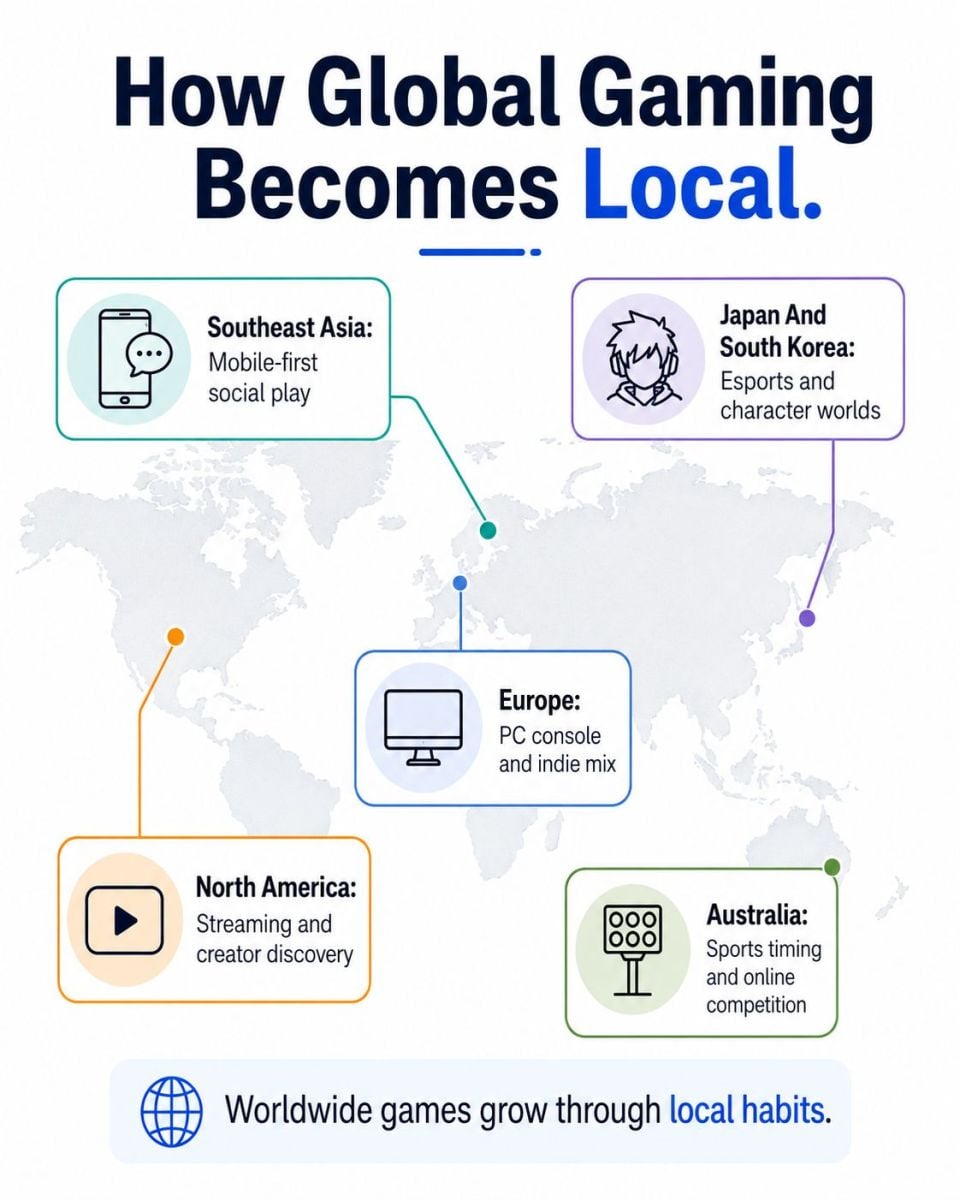
That is why a global gaming story should not treat Australia, Thailand, Europe, or North America as interchangeable markets. Each region has its own gateway into play. In Australia, sports culture often shapes how digital entertainment is discovered, especially around major rivalry windows. For readers looking at competitive card play as one regional example, Ignition poker Australia presents formats including Texas Hold’em, Omaha, Omaha Hi-Lo, Zone Poker, and tournament play. This shows how one category can localise through familiar rhythms: fast decisions, social competition, format variety, and short sessions that fit around other entertainment.
Texas Hold’em gives players staged decisions around shared cards. Omaha adds more card-combination reading. Omaha Hi-Lo changes how outcomes are evaluated. Zone Poker increases pace after a fold. In that sense, Ignition Poker becomes a practical example of how global game formats become meaningful through local availability, timing, and player habits.
A recent social post explores the timing side of the same idea. The post connects an Australian online entertainment brand with State of Origin Game I in Sydney, using rivalry, stadium energy, and a VIP-style match experience as the hook. It works because it builds on a shared cultural moment already moving through feeds, chats, sports pages, and online group conversations.



What Different Regions Reveal About Gaming
The global rise of gaming is not one story. It is a set of overlapping habits. Some regions lean towards mobile because smartphones are the most natural device. Some build strong PC cultures through cafes, esports, and creator communities. Some treat console releases as lifestyle events. Others connect gaming to sports fandom, streaming, or anime culture.
| Region Or Market Pattern | What Players Often Value | Why It Matters |
| Southeast Asia | Mobile access, social play, quick sessions | Growth often follows everyday device habits |
| Japan And South Korea | Strong character worlds, esports, PC rooms, mobile titles | Gaming blends media, fandom, and local community spaces |
| Europe | PC, console, indie scenes, cross-border communities | Many players move between local taste and global releases |
| North America | Console franchises, streaming, creator-led discovery | Attention often spreads through personalities and shared events |
| Australia | Sports culture, mobile use, online competition | Seasonal rivalries can shape when entertainment campaigns feel timely |
Global gaming is not simply about more people playing. It is about why they play, where they play, and what makes a game feel socially relevant. A title can become global through distribution, but it becomes popular when it fits existing routines.
Mobile Changed the Shape of Play
Mobile play is one of the biggest reasons gaming moved from a niche hobby into everyday culture. A phone lowers the barrier. It makes play available during commutes, breaks, and travel. That does not make every mobile game casual, and it does not mean PC or console play has weakened. It means the entry point widened.
Mobile also changed the language of gaming. Shorter sessions became normal. Live updates became expected. Social features became part of retention. Regional events became useful because they gave players a reason to return at a specific time.
That is why local timing matters so much. A global platform may have the same interface everywhere, but the moments that create attention are local. A festival in Thailand, an esports final in Seoul, a creator event in Los Angeles, or an Origin match in Sydney can all become reasons for players to engage.
The Future Is Global Format, Local Feeling
The next stage of gaming will likely be less about whether a game can reach the world and more about whether it can feel native in different places. Translation helps, but culture goes further than words. It includes pacing, humour, competition, trust, community norms, creator influence, and the calendar moments people already care about.
That is also why gaming coverage is becoming broader. It now touches business, entertainment, sports, technology, lifestyle, and online culture at once. The strongest stories explain the connection without flattening every region into the same trend.
Global gaming has taken off because it adapts. Players do not enter games as blank users. They bring habits, loyalties, time zones, friendships, fandoms, and expectations. The industry’s biggest lesson is simple: worldwide reach matters, but local meaning is what keeps people coming back. Research on digital trust in gaming communities adds a useful final layer, showing how participation, group identity, and perceived realism can shape trust inside game communities.
Latest Thailand News

























Follow The Thaiger on Google News: