Thailand is walking into a carbon trap and nobody’s talking about it
Guest post by Simon Wang and Piya Kittipadakul - affiliated with Kasetsart University

Somewhere in the rice paddies of Suphanburi, a farmer is making the same decisions his father made. How much fertiliser to apply, when to flood the fields, which market will pay the best price? He is not thinking about the European Union, nor is he thinking about carbon certificates or emissions trading schemes.
He is thinking about his crop. But the EU is thinking about him.
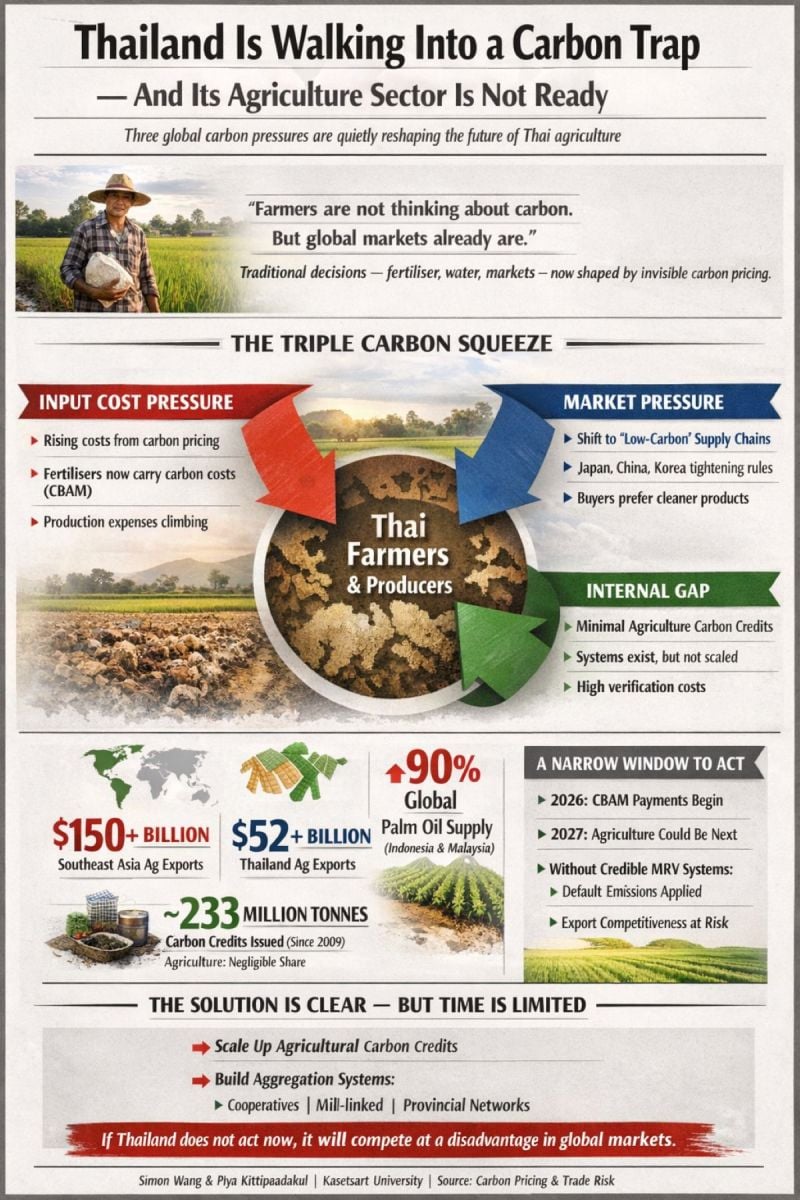
On January 1, 2026, the Carbon Border Adjustment Mechanism, CBAM, in Brussels shorthand, shifted from paperwork to payment. Importers into Europe must now buy certificates tied to the emissions embedded in what they sell. Right now, agriculture is not on the list. Steel, cement, fertilisers, those are covered. Not rice. Not cassava. Not palm oil. Not yet.
Here is the trap: fertilisers are already covered. And every kilogramme of nitrogen that a Thai farmer applies to a field now carries a European carbon price built into it, passed along by the global market. The farmer in Suphanburi didn’t vote for this. He doesn’t know it’s happening. But his production costs are going up regardless.
This is the first squeeze. There are two more.
Southeast Asia exports over US$150 billion in agricultural products every year. Thailand alone ships more than US$52 billion worth of rice, cassava, sugar, rubber, and processed foods to markets across Asia and Europe. Vietnam ships US$62 billion.
Indonesia and Malaysia together control nearly 90 percent of the world’s palm oil. These are not small operations. These are the food systems that feed significant portions of the planet. And every major destination market is now pricing carbon.

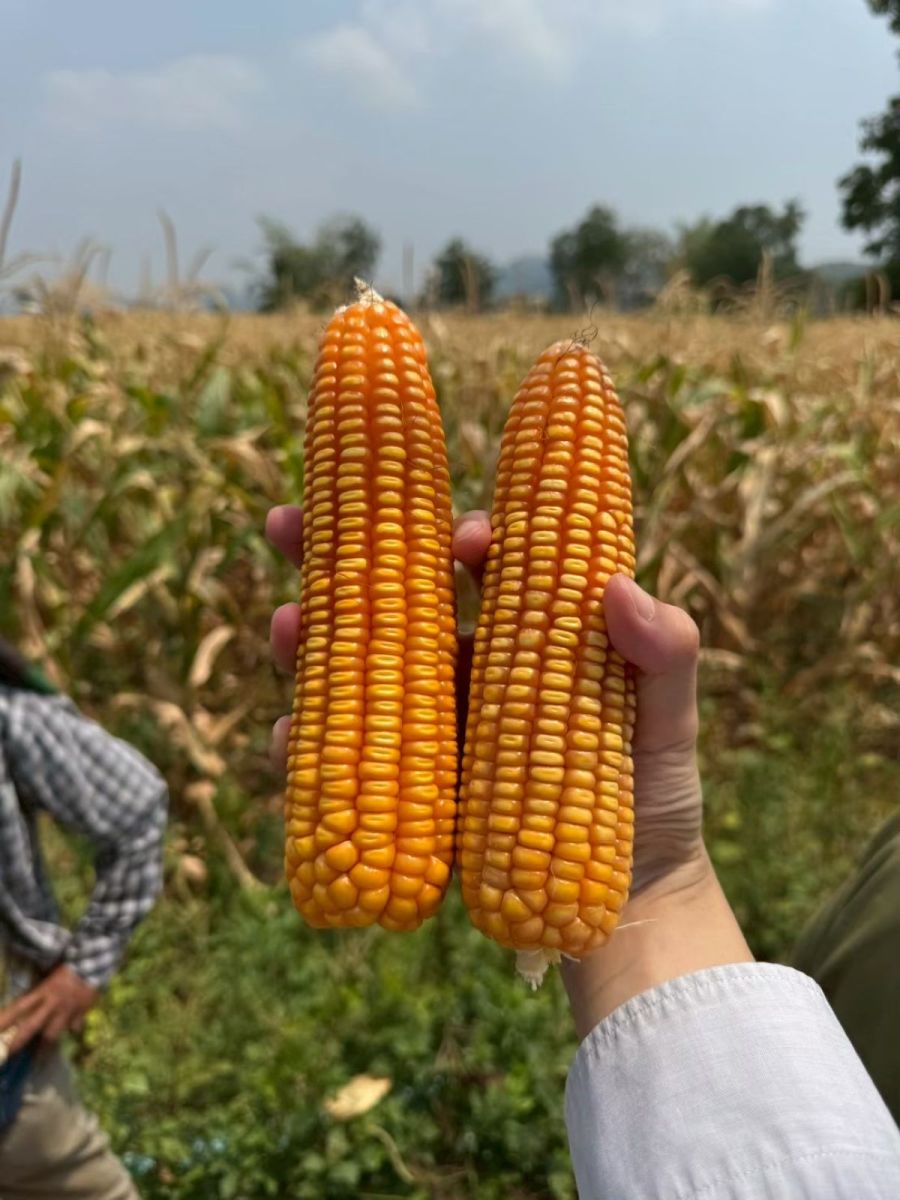
China is expanding its national emissions trading system. Japan is making its carbon scheme mandatory in 2026. South Korea is tightening its allowances. None of these countries has formally imposed a carbon tariff on agricultural imports, but they don’t have to.
When a Japanese food company is paying for its own emissions, it starts asking harder questions about the supply chains it buys from. When a Chinese processor faces rising energy costs, it looks for cheaper, cleaner inputs. Carbon pricing doesn’t have to reach the border to shape what gets bought and from whom.
This is the second squeeze. Not a tax at the gate, but a slow change in who gets the contract.
The third squeeze is the one Southeast Asia is doing to itself.
The region has issued roughly 233 million tonnes of carbon credits since 2009, about 7 percent of global issuance. That sounds substantial until you look at where those credits come from: forests, mostly, and energy projects.
Agriculture, the sector most exposed, the sector employing the most people, the sector generating the most emissions, accounts for almost none of it.
Thailand has the institutional machinery in place. The Thailand Greenhouse Gas Management Organisation has run a voluntary emissions reduction programme since 2014. There are approved methodologies for rice methane reduction, for improved fertiliser practices, and for carbon sequestration in perennial crops. The 2024 premium standard for paddy systems is promising.
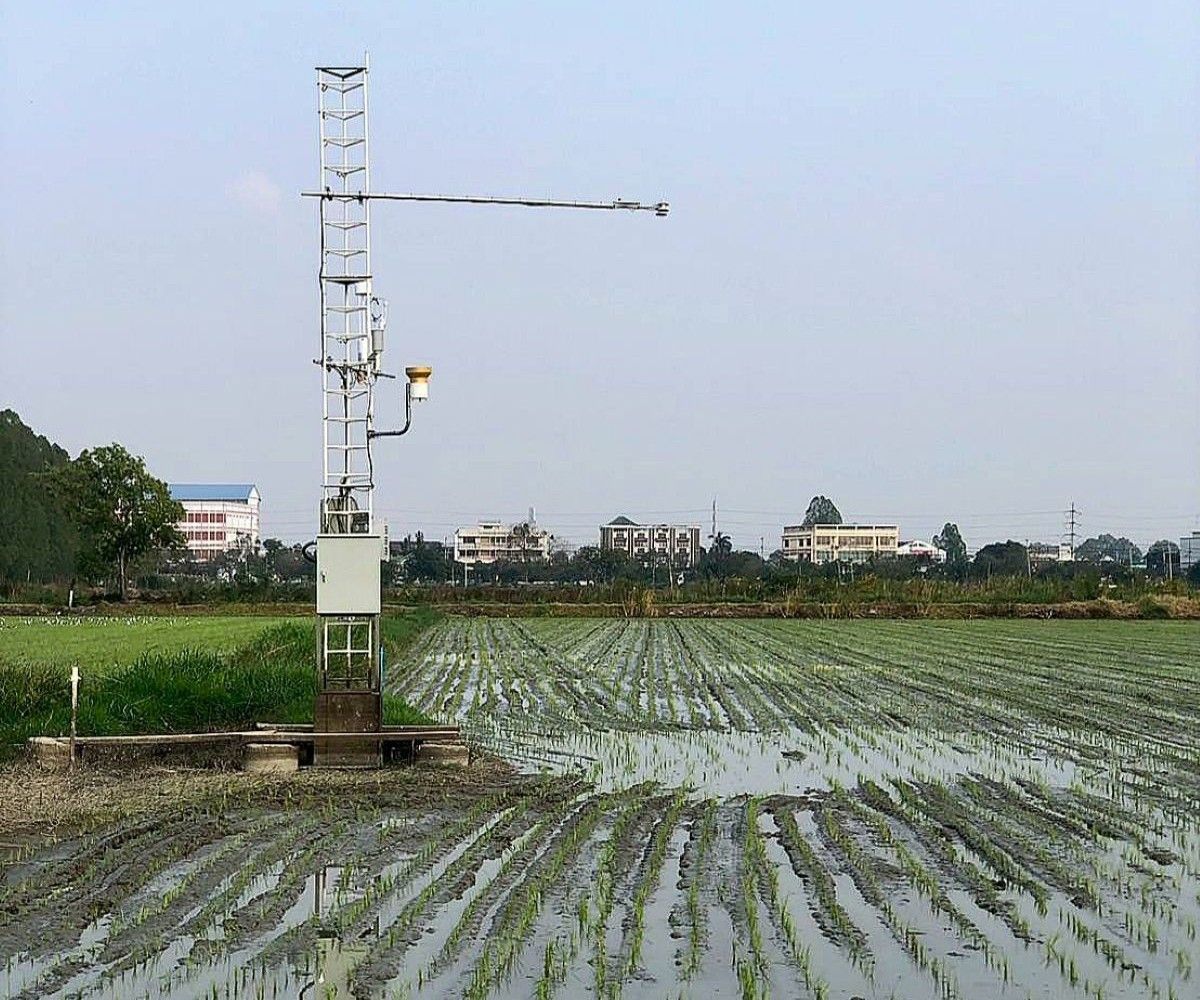
But the credits aren’t being issued at scale. The verification costs too much. The farms are too small. The price signals are too weak. And so the system sits there, technically functional, practically idle.
What this means in practice is brutally straightforward. In December 2025, the European Commission completed its mandated CBAM review and proposed expanding coverage to 180 downstream industrial products, none of them food.
A second, broader scope assessment is due in 2027, when agriculture could enter the frame. When that moment comes, Thailand will be sitting across the negotiating table with nothing to show.
No credible measurement and verification system. No verified mitigation record. No internal carbon price to offset against the European one. The country with one of the most developed voluntary carbon frameworks in the region will be treated, under default emissions values, like a country with none.
The fix is not complicated. It is merely urgent.
Thailand and its neighbours need to start issuing agricultural carbon credits as a matter of routine, not as a pilot exercise. The methodologies exist. The registries exist. What’s missing is the aggregation, the mechanism by which thousands of small farms bundle their mitigation outcomes into something a verification auditor can assess without losing money on the transaction.
Cooperatives, mill-linked supply chains, and provincial agricultural agencies can all play this role. The question is whether anyone will move fast enough to matter.
The EU CBAM review window is now. Japan’s mandatory scheme starts this year. The window for establishing a credible record before the rules tighten is closing in real time.
The farmer in Suphanburi isn’t thinking about any of this. That’s fine. That’s not his job.
It is, however, ours.
Latest Thailand News























Follow The Thaiger on Google News: