Coronavirus found in Thai bats poses low spread risk, DDC says

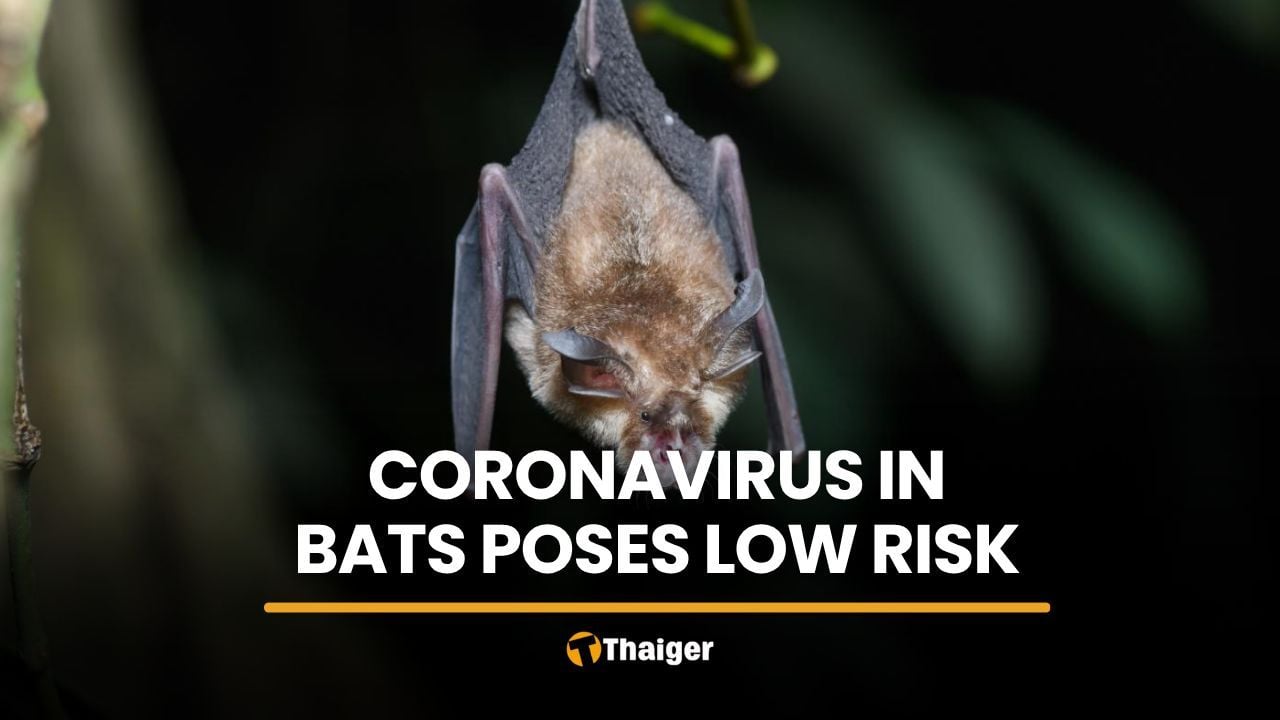
Thailand has found a coronavirus in bats during routine wildlife disease surveillance, but no human infections have been reported, and the public risk remains low, according to the Department of Disease Control (DDC).
DDC Director-General Dr Montien Kanasawat said today, May 8, that the discovery reflected Thailand’s ability to rapidly detect emerging diseases through its monitoring systems.
Researchers studying horseshoe bats in a cave in Chachoengsao found a coronavirus closely related to SARS-CoV-2, the virus responsible for Covid-19.
Dr Montien said the finding would help improve understanding of viruses in wildlife and support preparations for possible future outbreaks.

He said the discovery was part of Thailand’s regular disease surveillance under the One Health approach, which links disease prevention and monitoring systems between humans, animals, and the environment.
Thailand works with international partners and maintains high laboratory surveillance standards. Current monitoring has not detected any human infections linked to the virus.
Dr Montien said studies show the virus spreads less easily and is less likely to cause serious illness than Covid-19. Existing Covid-19 vaccines also remain effective in reducing severe disease, meaning the overall outbreak risk remains low.


Deputy Director-General Dr Direk Khampaen advised the public to avoid contact with wildlife, particularly bats, as protection against animal-to-human infections.

He also recommended avoiding animal droppings and damp areas that may contain animal secretions, washing hands regularly with soap or alcohol gel, and eating properly cooked food.
People visiting or working in areas with large bat populations should use protective equipment such as masks or gloves. Anyone who develops fever, coughing, or breathing difficulties after animal contact or travel to risk areas should seek medical attention immediately.
The DDC said Thailand has not recorded any human infections linked to the virus, and the risk to the general public remains low. Officials advised people not to panic and to follow updates from public health agencies closely.
In a separate development, Thailand is closely monitoring mpox after the Songkran travel period, with 48 confirmed cases reported this year as of May 3 and health officials warning that more cases may appear during the disease’s incubation period.
Latest Thailand News























Follow The Thaiger on Google News: