Can foreigners buy a condo in Bangkok? Yes, and here is how

A lot of foreign residents assume they cannot own property in Thailand. That assumption is only partially correct, but when it comes to foreigners and condos in Bangkok, it is largely wrong. Under Thai law, foreign nationals can hold a full freehold title to a condominium unit, with the same ownership rights as a Thai national.
Data from the Thailand Board of Investment (BOI) shows that approved foreign direct investment reached 985,337 million baht in 2025, an 82% increase from the year prior, and a growing number of foreign executives behind that figure are choosing to buy rather than rent.
Hundreds of multinational companies now call the city home, and with them has come a steady stream of senior executives looking for a place to live that ticks all the boxes. That influx has kept demand strong for premium condominiums, particularly in and around Bangkok’s central business districts.
If you are relocating to Thailand, you will likely find yourself drawn to well-serviced properties close to the commercial corridors of Sukhumvit, Sathorn, and Silom. For investors, those same areas offer reliable rental income from a tenant pool that is both financially stable and, frankly, easier to deal with than most.
If you are thinking about buying a condo in Bangkok as a foreigner, we’re here to walk you through the entire process, including the legal frameworks, cost breakdowns, and key areas to consider.
What the law says about foreigners buying a condo in Bangkok
Under the Condominium Act of 1979, foreigners are permitted to hold freehold title to condominium units in Thailand. That means full ownership of your unit, not a workaround or a lease arrangement.
The main rule to understand is the 49% foreign ownership quota. In any given building, foreign buyers can collectively own up to 49% of the total sellable floor area. In a building with 10,000 square metres of sellable space, that works out to a maximum of 4,900 square metres in foreign hands.


Thai nationals must retain majority ownership of each building, which is how the law protects national land rights while still giving foreign buyers access to the market.
Within that quota, your ownership rights are equivalent to those of a Thai national. You can sell, transfer, or pass the unit on to your heirs. The land beneath the building cannot be owned by a foreigner, but your title over the unit itself is real and legally protected.
But there is one caveat that catches some buyers off guard. Purchase funds must be transferred into Thailand in foreign currency from an overseas account.
Once the money arrives, the receiving bank issues a document called a Foreign Exchange Transaction form, currently known as a Thor.Tor.3 or FET Form. This is the piece of paper that proves your funds came from outside Thailand, and you will need it at the Land Department on the day of title transfer. Keep it safe, and make sure you have a property lawyer check everything before that day comes.
If you are planning to live in Bangkok long-term, it is also worth knowing about the Long-Term Resident (LTR) Visa.
Buying a condo does not require one, but holding LTR status alongside property ownership in a central business district gives a 10-year stay permit, fast-track immigration lanes, and, in certain circumstances, tax benefits on overseas income.
2 of Bangkok’s top districts for foreign buyers
Location really does matter in Bangkok, and not just for lifestyle reasons either. Where you buy affects your commute, your tenant pool if you plan to rent the unit out, and ultimately the long-term value of your investment.
The three districts that consistently attract the most foreign buyers are Silom, Sathorn, and Sukhumvit, each for its own distinct reason.
Silom and Sathorn
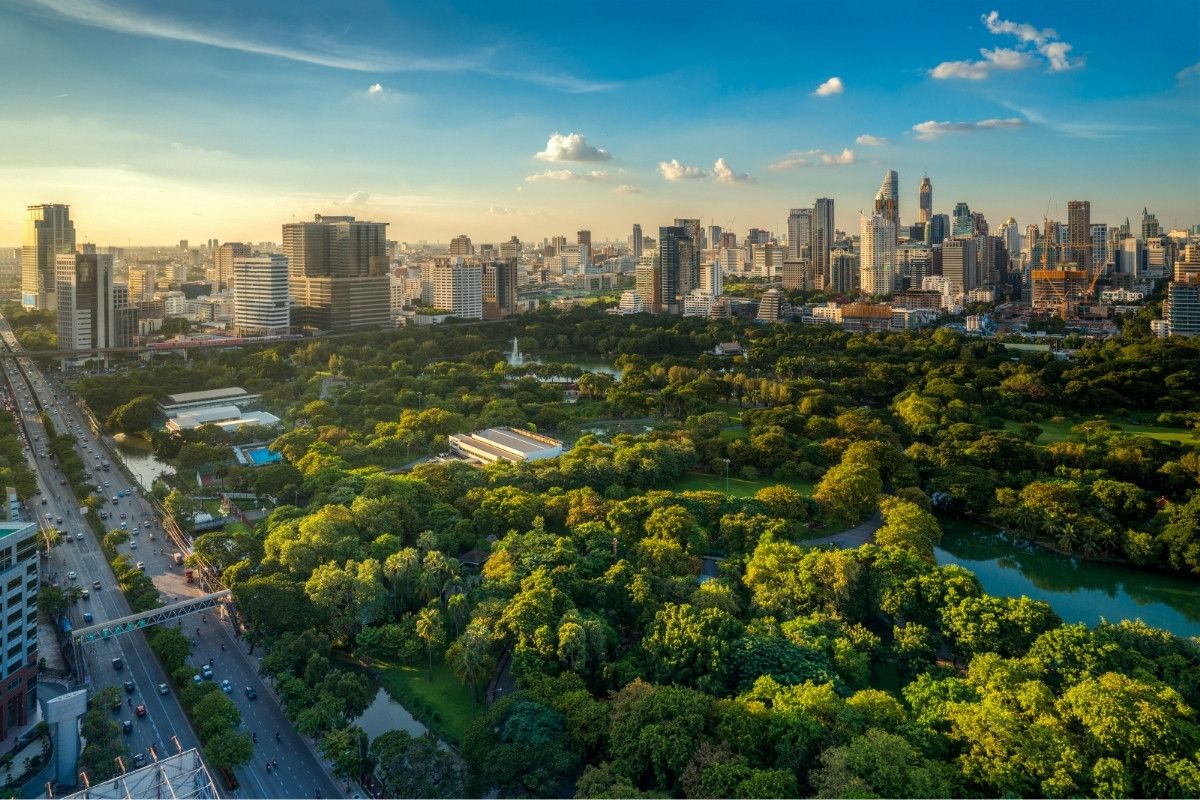
Silom and Sathorn are the epicentre of Bangkok’s business world. Multinational headquarters, global financial institutions, and more than 20 embassies are spread across the two main roads.
If your days are filled with back-to-back meetings, being able to walk to the office rather than sitting in rush-hour traffic for hours on end isn’t an advantage to scoff at.
The tenant mix in this area reflects its professional character, where diplomats, representatives from international organisations, and regional directors from Fortune 500 companies make up a significant share of the rental market.
If you are buying to invest, that translates to financially stable tenants who tend to sign multi-year leases and take good care of the property.
Branded residence projects in Silom and Sathorn are built with that clientele in mind, where certain condos provide round-the-clock concierge teams that handle property management while the owner is abroad.
But being in a business district doesn’t always mean that you’re in a concrete jungle; several projects sit right next to Lumpini Park, where 57 hectares of green space are within a few minutes’ walk from the front door.
From a pure investment standpoint, available land for new development in this corridor is extremely limited. Demand from foreign executives remains steady, and the 49% foreign ownership quota in several quality projects is close to being filled.
Both factors have helped keep asset values stable over time, which is reassuring if you are thinking about the long game.
View Condos for Sale in Sathorn listed by Fazwaz
Sukhumvit
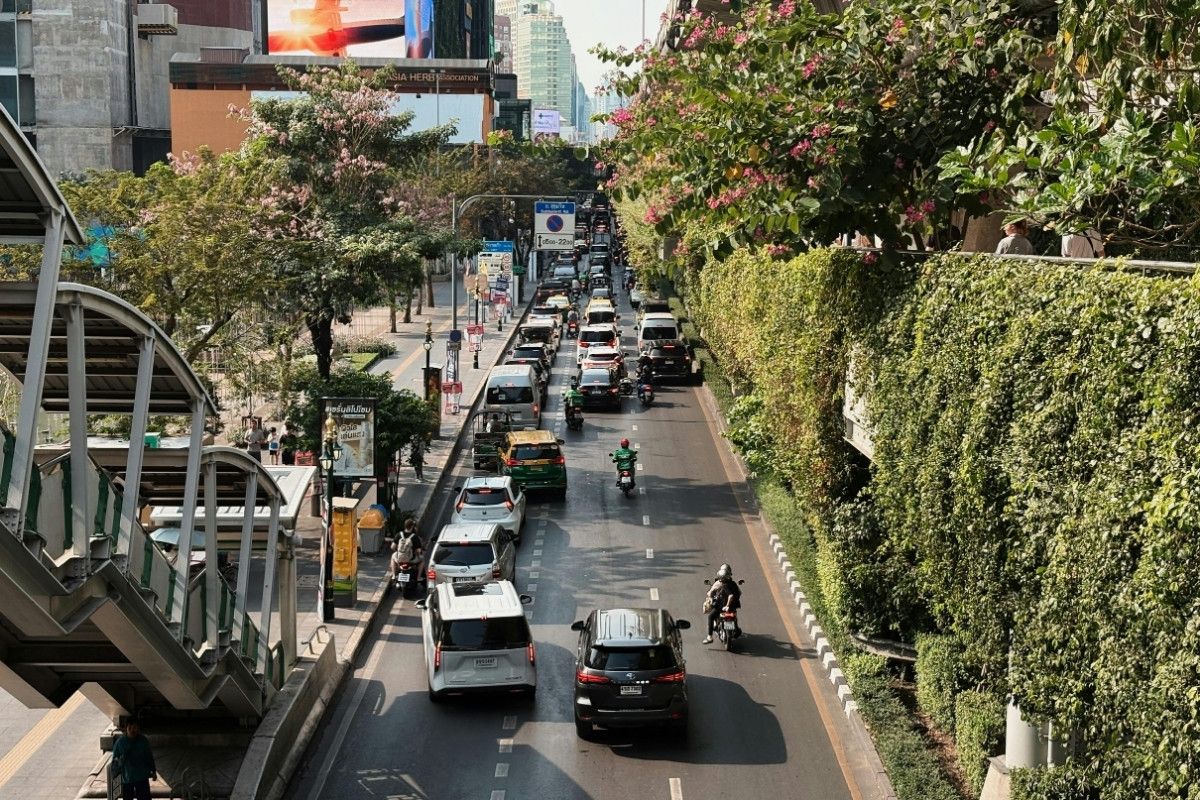
Sukhumvit, the stretch of road from Nana through Asok and Phrom Phong to Thong Lo, is an area synonymous with the capital, and it has everything you could reasonably want within walking distance of the BTS line.
Asok works well for those who need a short commute to an office district, with connections to two rail lines making it one of the better-connected spots in the city.
Phrom Phong and Thong Lo are more residential, with a slightly quieter feel and a strong concentration of high-end dining, international supermarkets, and boutique retail. The EmDistrict shopping centres cover most day-to-day and lifestyle needs without requiring a taxi.
If you are relocating with a family, Sukhumvit’s infrastructure is hard to match. JCI-accredited hospitals, including Bumrungrad International Hospital and Samitivej Hospital, are located within the area. Several tier-one international schools are also in the area, which removes one of the bigger logistical headaches of relocating with a family.
Condominiums in Sukhumvit are generally priced below comparable units in Sathorn, while still delivering strong facilities, green areas, temperature-controlled pools, private business lounges, and well-equipped gyms.
At the top end of the market, several super-luxury projects have brought in internationally recognised hotel brands to manage building operations, which benefits residents and long-term resale values.
The rental market along Sukhumvit generally stays active year-round, driven by demand from Western and Japanese executives. If you ever need to sell, there is usually a buyer.
View Condos for Sale in Sukhumvit listed by Fazwaz
Rental yields and what the current market looks like
Gross rental yields in Sukhumvit, Silom, and Sathorn currently sit at 4.0% to 5.5% per year. Those numbers may not grab headlines on their own, but the quality of the tenant base is what makes these areas worth a closer look.
Renters here are typically capable of multi-year leases and maintain properties well, which keeps vacancy rates low, income predictable, and long-term management costs manageable. It is worth calculating net yield after expenses and applicable taxes to get a realistic picture before committing.
Last year, in 2025, the resale market in Bangkok presented a window that had not been open for several years. Luxury condominiums are spending an average of 180 to 240 days on the market, compared with just 90 to 120 days in 2021.
Sellers and developers who need liquidity are more open to negotiation than they were a few years ago, and if you have funds ready to transfer, you hold the cards to negotiate on price, furnishing packages, or other terms. Mind you, that window will not stay open indefinitely. As existing stock gets absorbed, the leverage will eventually shift back toward sellers.
On transaction costs, you will pay a transfer fee of 2% of the assessed value, calculable from the start with no surprises. A government measure reducing the transfer fee to 0.01%, introduced in 2025, applies only to Thai nationals purchasing properties valued below seven million baht, and expires in June 2026.
More broadly, Thailand’s cost structure has become more transparent than many comparable markets in the region, where additional charges have a way of appearing at inconvenient moments.
How to buy a condo in Bangkok as a foreigner, step by step
Step 1: Choose a legally permitted property type
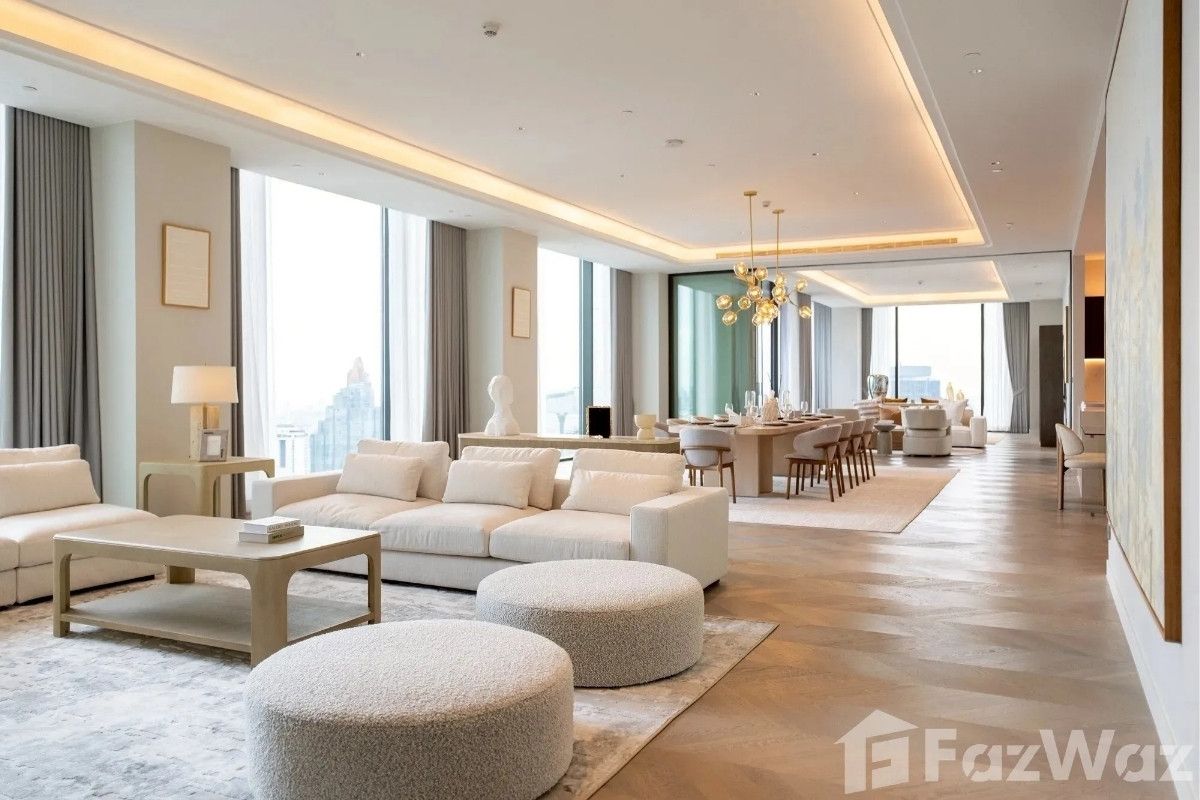
Condominiums are the most straightforward option for foreign buyers in Thailand. Freehold ownership of a condo unit is available to foreigners immediately, with no additional structures required.
Buying a house or villa is more complex as Thai law separates ownership of a building from ownership of the land beneath it. You can own the structure, but the land must be held under a leasehold arrangement with a maximum term of 30 years.
Usufruct rights and Superficies rights offer additional frameworks depending on your situation. If you still prefer a house, consulting a property lawyer before signing anything is strongly recommended.
There is one exception for land ownership worth knowing about. Under Section 96 bis of the Land Code, you can hold title to up to one rai (1,600 square metres) of land for residential use under specific conditions.
Those conditions include a minimum qualifying investment of 40 million baht in a government-approved business category, maintained for at least five years, plus approval from the Minister of Interior. The land must sit within a designated zone, such as Bangkok, Pattaya, or a municipal area, and must be used solely for residential purposes. If the land is used for anything else, the owner is legally required to sell it.
Step 2: Pay a reservation deposit
Once you have found a property that works for you, a reservation deposit secures the unit and removes it from the market. The developer or agent will then issue a booking agreement as confirmation. However, deposit amounts vary by property price and are not typically refundable if you withdraw. Before handing over any money, verify the title deed.
Step 3: Sign the sale and purchase agreement
Once you have made the reservation deposit, the seller prepares a Sale and Purchase Agreement covering property details, purchase price, payment schedule, transfer date, and the allocation of fees. Do not sign without having an independent lawyer review it first. This is the document that protects your interests, so take all the time you need to get it right.

Step 4: Transfer funds from overseas
Thai law requires that purchase funds enter the country as a foreign currency transfer from an overseas bank account. When making the transfer, clearly state that the purpose is the purchase of a condominium. The Thai bank receiving the funds will then convert them into baht.
Step 5: Obtain the Foreign Exchange Transaction form
Once the funds have cleared, the receiving bank issues the Foreign Exchange Transaction (FET) form. This is the most important document in the entire process as it confirms to the Land Department that your funds came from outside Thailand through the proper channels, and you will need it on the day of title transfer. Do not lose it.
Step 6: Register the title transfer at the Land Department
The final step takes place at the Land Department, where the buyer, seller, or their authorised representatives complete the title transfer in person. Transfer fees, specific business tax, and withholding tax are settled at this stage in the proportions agreed in the sale and purchase agreement. Once the paperwork is processed, you’ll have the condominium title deed in your hands.
Bangkok’s condo market is not without its quirks, and no guide can substitute for proper legal advice on the ground. But for foreign buyers who go in with a clear understanding of the rules, the right district for their needs, and their paperwork in order, it is a market that works. That is more than can be said for a lot of cities in the region.
Latest Thailand News






















Follow The Thaiger on Google News: