Cambodia beauty queen defends traditional dress amid Thai ‘copycat’ claims

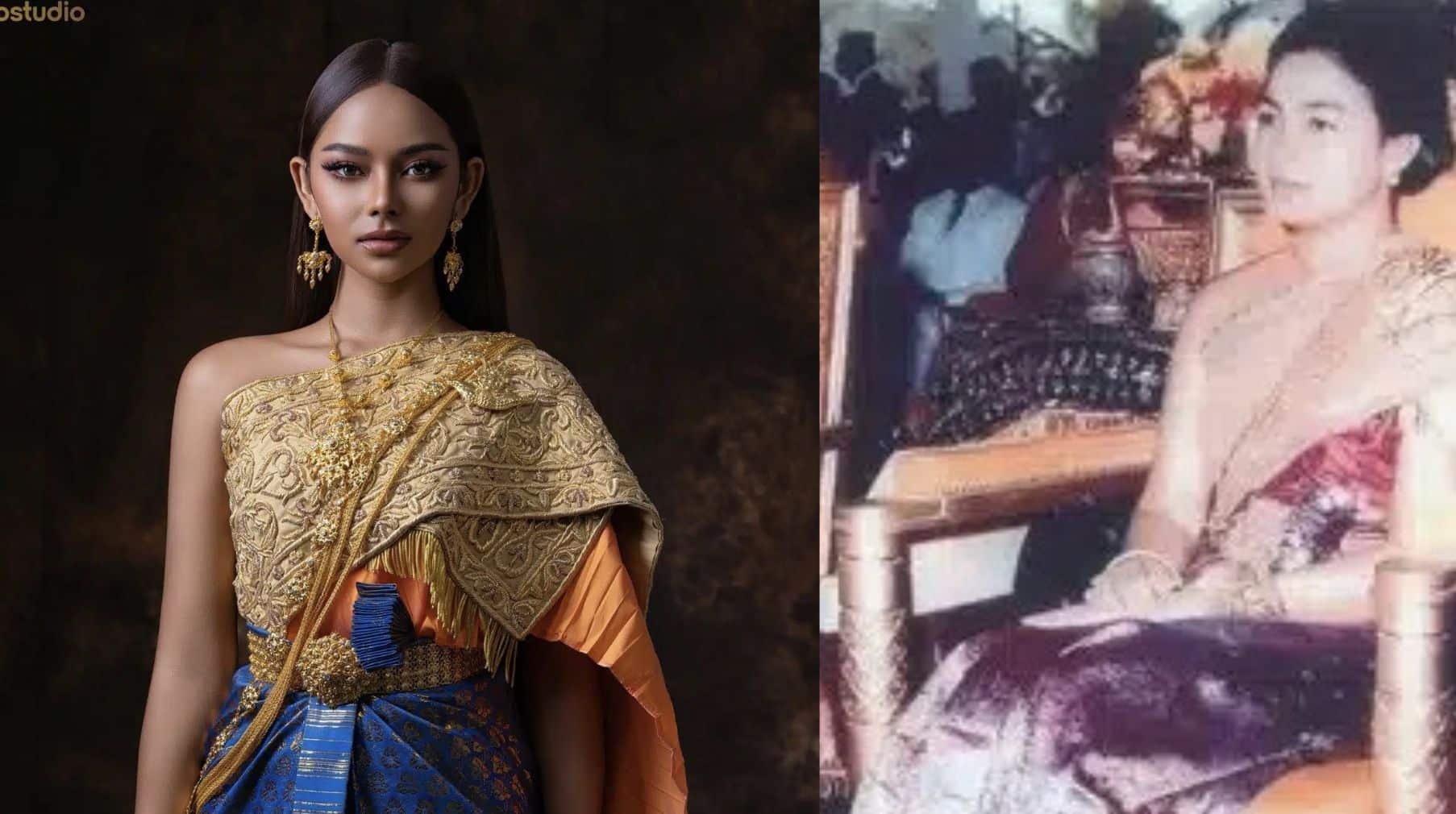
A Cambodian beauty queen has offered an extensive defense of the historical origins of her national costume after its resemblance to traditional Thai dress triggered renewed debate among pageant fans across the border.
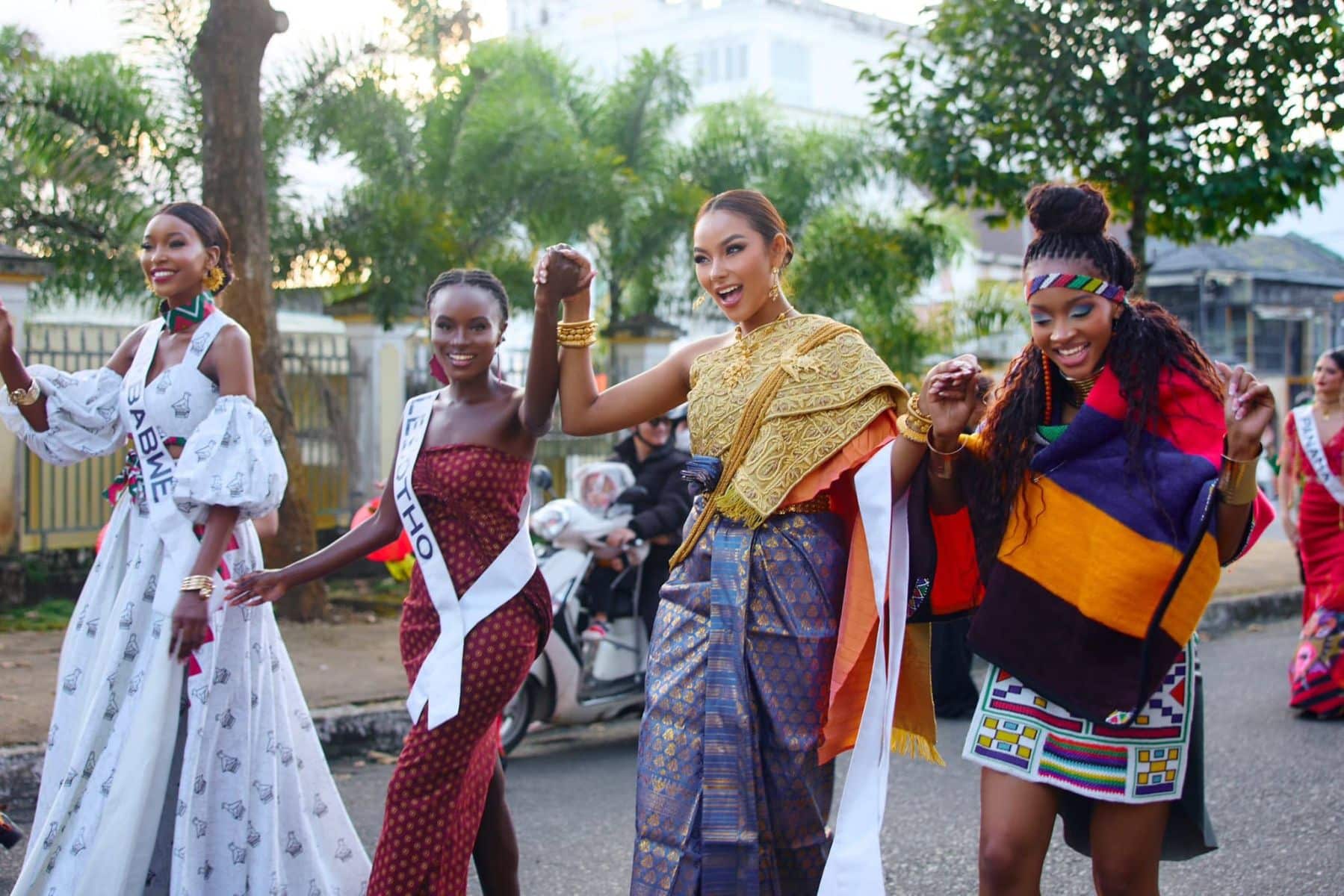
Phorn Sreypii, Miss Cosmo Cambodia 2025, published a detailed historical post on Facebook. This was after Thai netizens questioned where the royal-style outfit she wore came from. Her response sought to place the costume within Cambodia’s own cultural lineage. Additionally, it aimed to explain how the style developed from court tradition into a modern symbol worn by the public.
The discussion has unfolded in a pageant climate already charged by a separate recent controversy. Miss Charm Cambodia drew criticism after using the slogan “Land of Smiles” in an introductory video.
That incident had already intensified online friction among supporters in both countries. This occurred before the latest dispute over national dress began circulating.
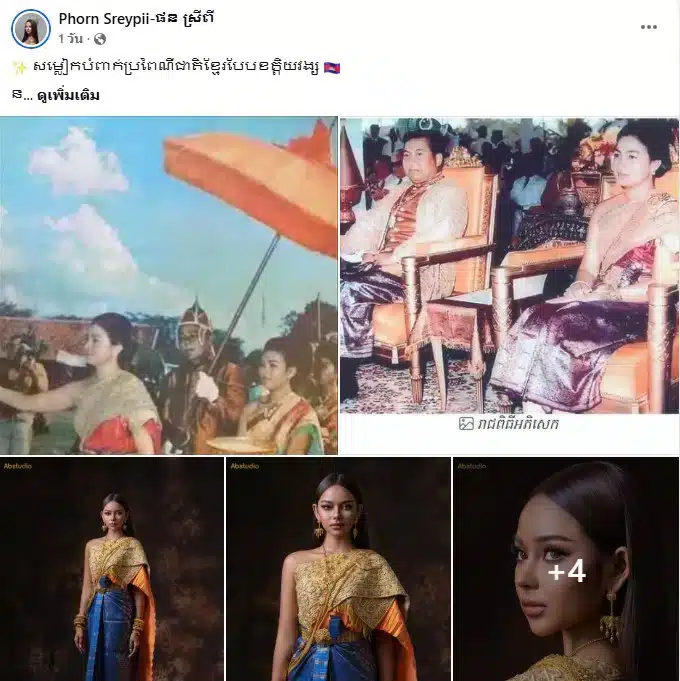
Ms Sreypii said the attire she wore is rooted in Cambodia’s royal history. She cited Queen Mother Norodom Monineath Sihanouk as a key figure in the preservation and visibility of the style. Notably, the Queen Mother revived the traditional royal look in the 1960s for major state occasions.
Ms Sreypii pointed to its use at important functions such as the Royal Ploughing Ceremony. Moreover, it was used for documentary appearances alongside her husband, the late King Norodom Sihanouk.


Ms Sreypii also described the full ensemble in detail. According to her account, the outfit features a pleated front skirt known as a somloy. It also includes a pleated inner sabai worn over the shoulder. An outer sabai decorated with intricate gold-thread embroidery completes the look.
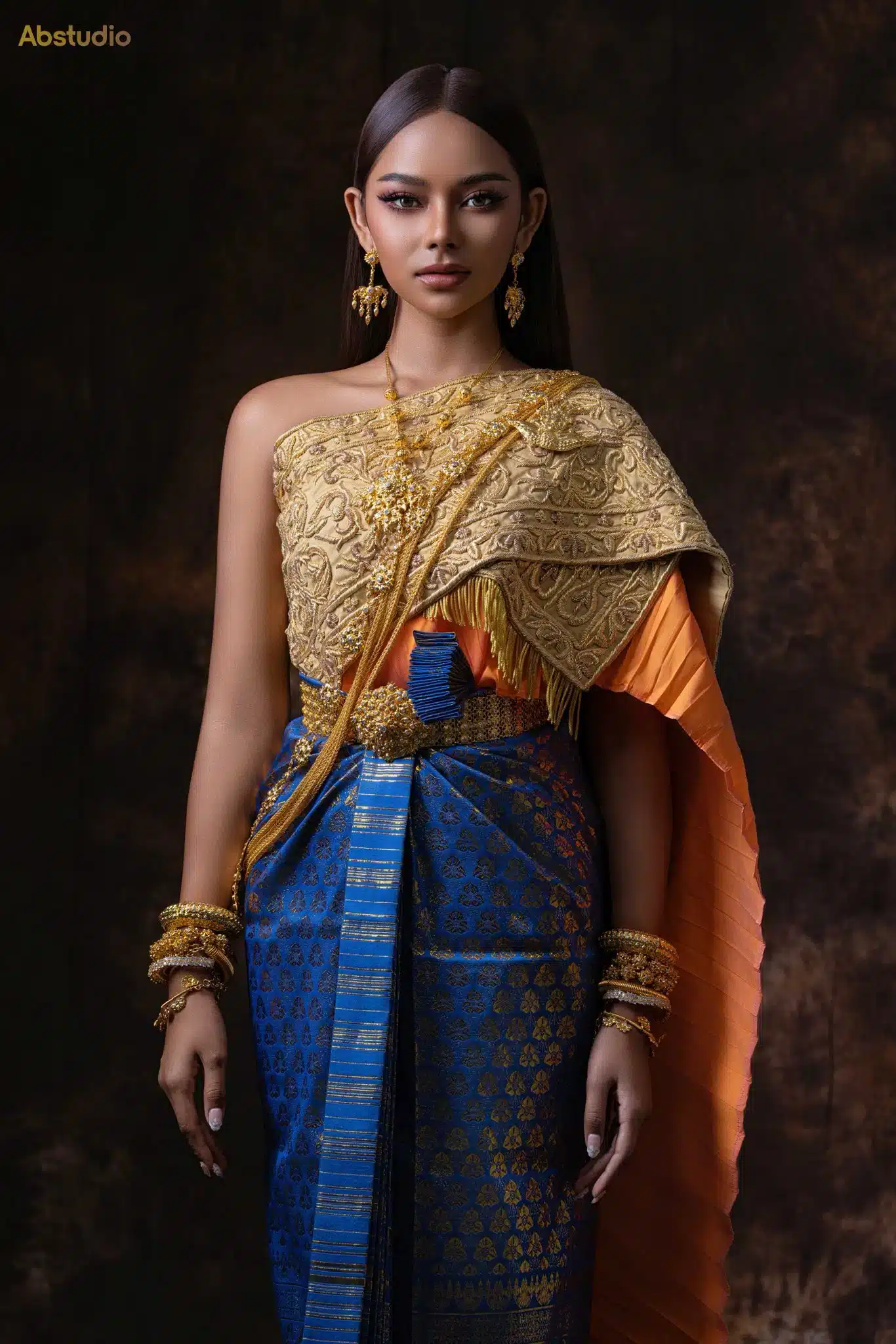
Ms Sreypii said this traditional format can be traced to Cambodia’s pre-Angkorian and Angkorian periods. This presents it as part of a long continuum of royal dress rather than a contemporary invention.
While the style was historically exclusive to the Khmer royal court, Ms Sreypii noted its gradual expansion beyond palace boundaries. She said a royal decree during the Oudong era later granted commoners the right to emulate royal attire for weddings. This marked a shift in how the tradition could be publicly adopted.
She added that the costume has since evolved into modern Khmer national dress. Today, she said, the style is widely used for weddings, religious ceremonies, and international events. Framing her remarks around cultural continuity, Ms Sreypii emphasized that her intention is to uphold the right of Khmer people to wear their heritage. She draws inspiration from the Queen Mother’s efforts to preserve and promote these traditions.
Latest Thailand News
























Follow The Thaiger on Google News: