Being Thailand 2025 highlights Thailand’s evolving role as a global wellness economy leader
Seeking to to re-shape and elevate the wellness model once more after over four decades

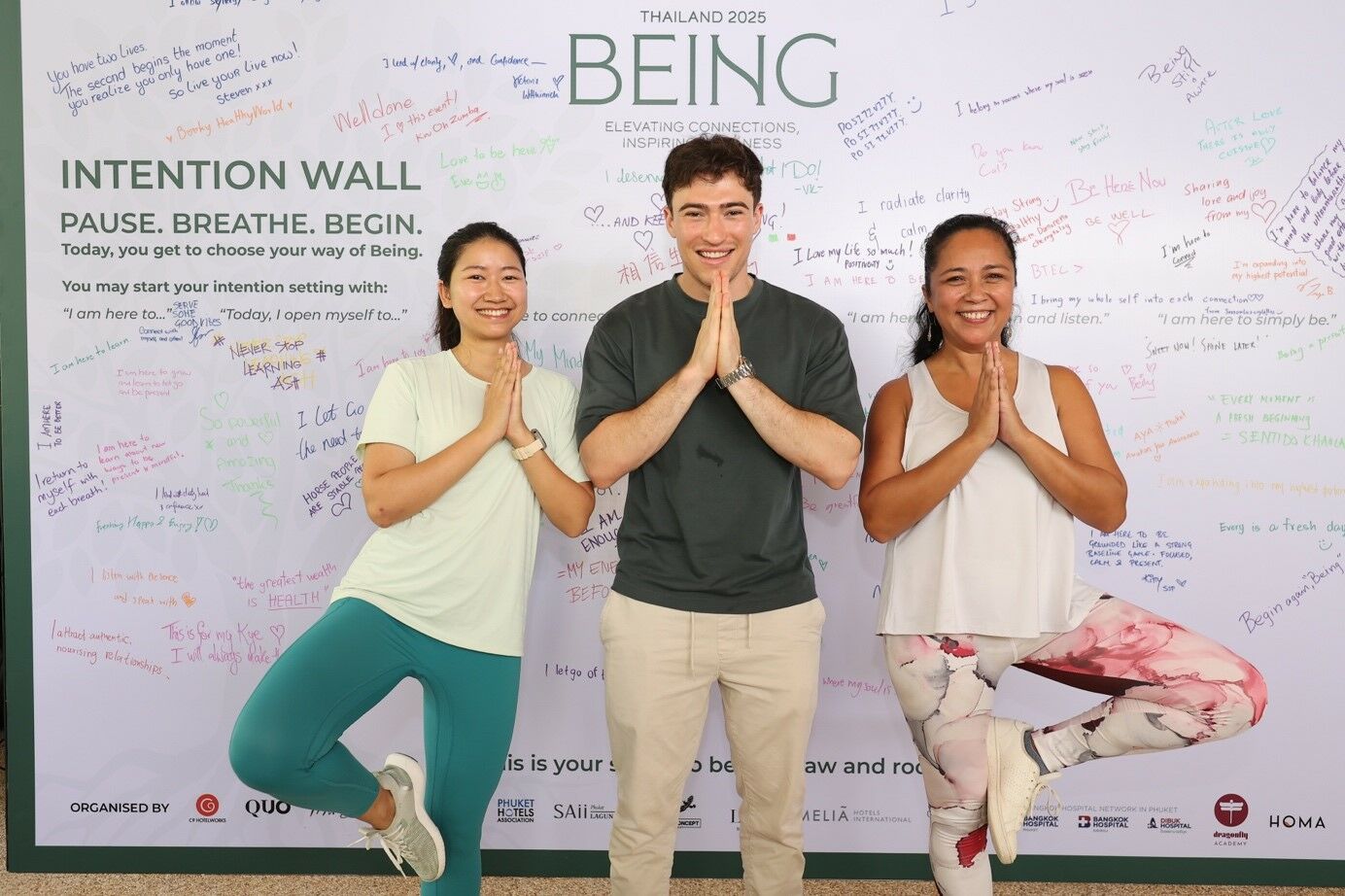
As the global wellness landscape continues to shift alongside changing consumer demands and travel behaviour, Thailand is increasingly recognised as a model of adaptive leadership in the wellness economy. And it was at the new industry strategic touchpoint, Being Thailand 2025 in Phuket, where the country’s role in shaping wellness-oriented tourism, hospitality, healthcare, and consumer markets, was assessed.
Over the past three decades, Thailand has developed a diverse and resilient wellness ecosystem. From its roots in spa and holistic therapies, the market has matured into a dynamic blend of longevity-focused resorts, integrative medicine, and health-conscious lifestyle products. Key destinations like Phuket have evolved into full-spectrum wellness hubs, supported by medical infrastructure, global hotel brands, and next-generation real estate.
However, this growth is not just limited to Phuket, as the rest of Thailand is experiencing growth and innovation in the wellness sector, as Viona Zhang, Deputy Managing Director of C9 Hotelworks, claims.
“Thailand’s wellness economy is not just expanding—it is recalibrating to meet the future.
“Being Thailand 2025 offered a format that brought stakeholders together in person to evaluate where the market is going and how to align business models with the next wave of demand.”
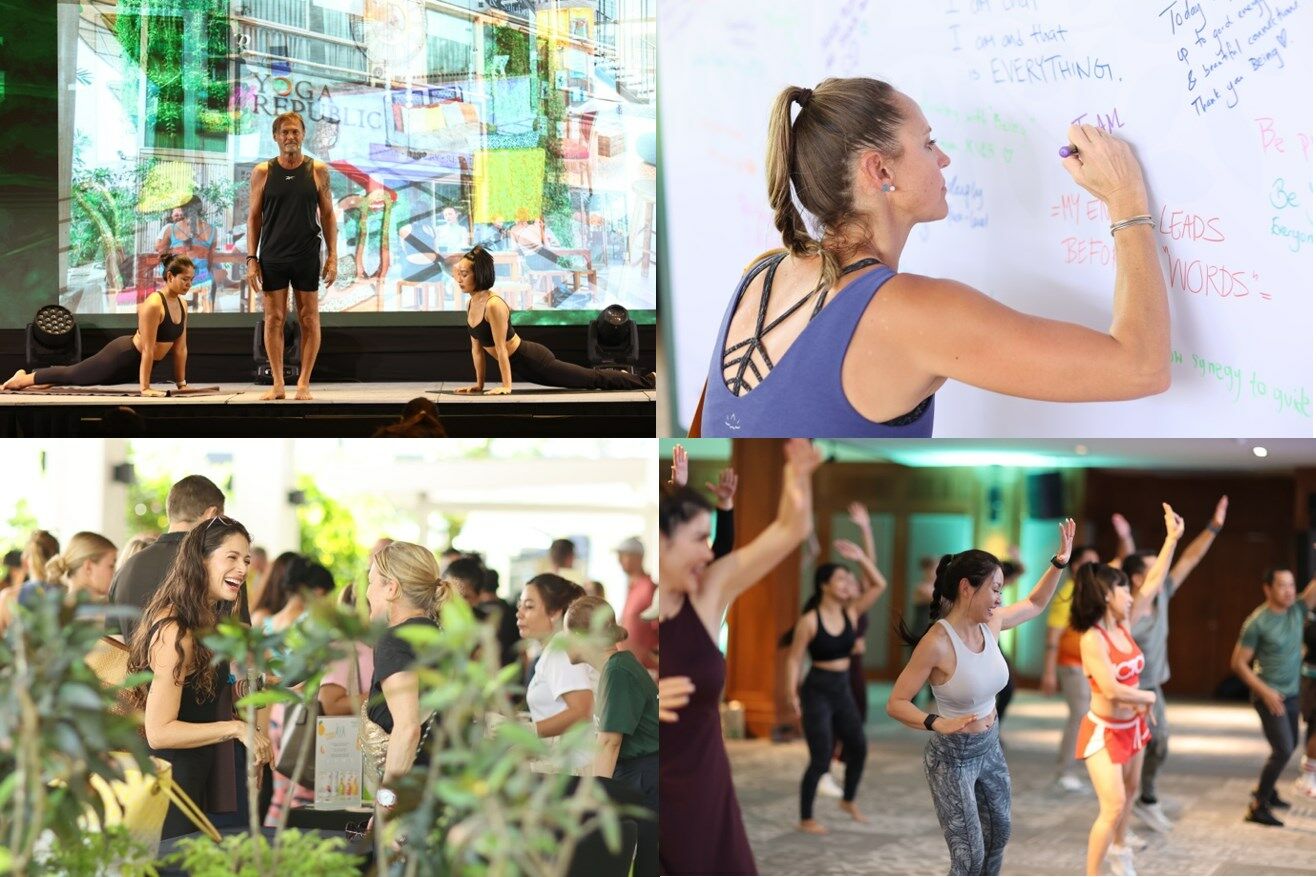
The event was structured as a distinctive B2B format that connected, inspired, and informed participants through a combination of expert panels, strategic discussions, and immersive wellness sessions. This in-person approach facilitated high-value engagement across industries while reflecting the experiential nature of wellness itself. A dynamic physical component— incorporating movement, mindfulness, and recovery elements—was designed to mirror the values and principles at the heart of the wellness economy.
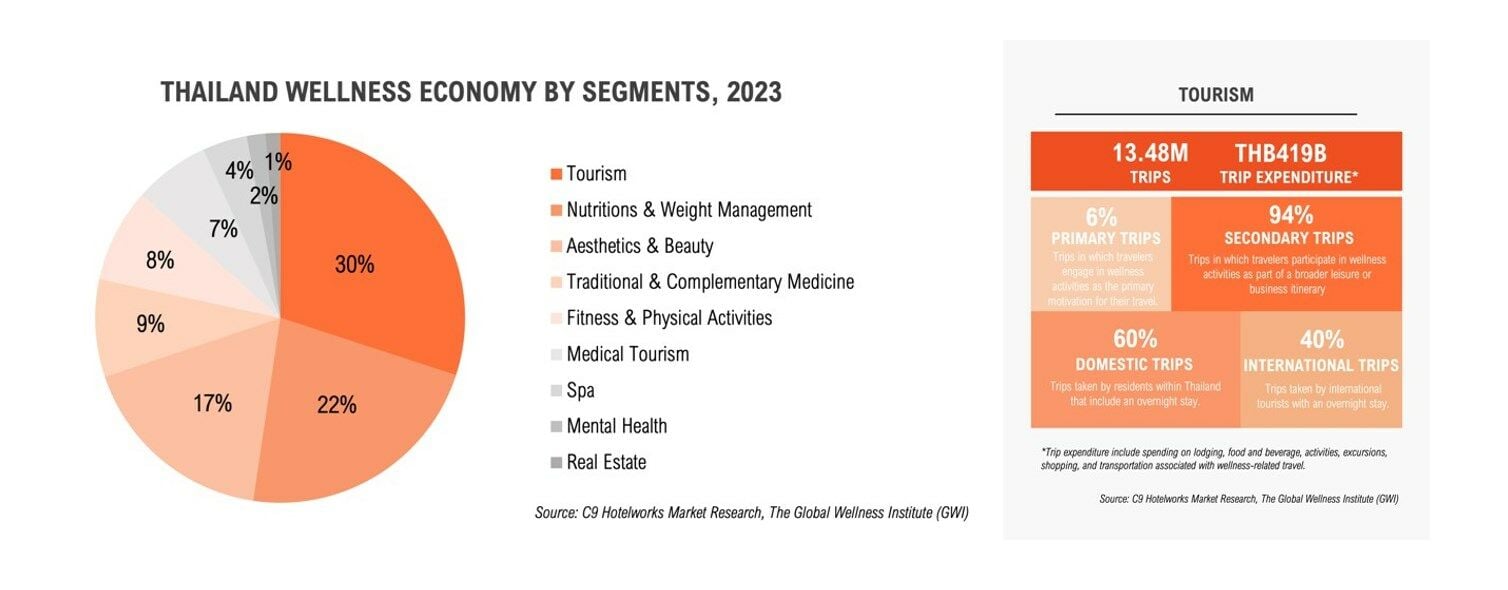
Insights from the Wellness Economy Report 2025, released by C9 Hotelworks, highlighted the scale and momentum of the sector. Total wellness trip spending in Thailand rose from 194 billion Thai baht (US$5.39 billion) in 2022 to 419 billion Thai baht (US$11.64 billion) in 2023, driven by a sharp rise in international visitors, who grew from 23% to 40% of the wellness travel market. Thailand’s overall wellness economy was valued at 1.4 trillion Thai baht (US$38.89 billion) in 2023, placing it among the top 10 in Asia-Pacific.


Wellness trends
Wellness trends continue to influence consumer behaviour beyond travel. Fitness apparel and footwear now hold a 52% market share within the physical health segment, while healthy-
labelled foods and beverages reached a market value of 198 billion Thai baht (US$5.50 billion). This shift reflects how wellness has moved from a travel category into a daily lifestyle priority.
Hospitality development is also evolving. Increasingly, wellness offerings—once isolated to specialist resorts—are now being embedded across hotel categories. Upcoming openings such as Clinique La Prairie’s flagship property at Tri Vananda in Phuket and BDMS’s Silver Wellness & Residence in Bangkok are examples of how the country is repositioning itself around longevity, science-backed health, and integrated living environments.

Being Thailand 2025 facilitated high-level dialogue and partnership-building across tourism, real estate, consumer wellness, healthcare, and investment sectors. The event reinforced Thailand’s leadership not just in product development, but in setting the standard for how wellness is integrated into national strategy and private-sector growth.
Latest Thailand News

























Follow The Thaiger on Google News: