Cute or contaminated? Woman finds pink egg white after boiling

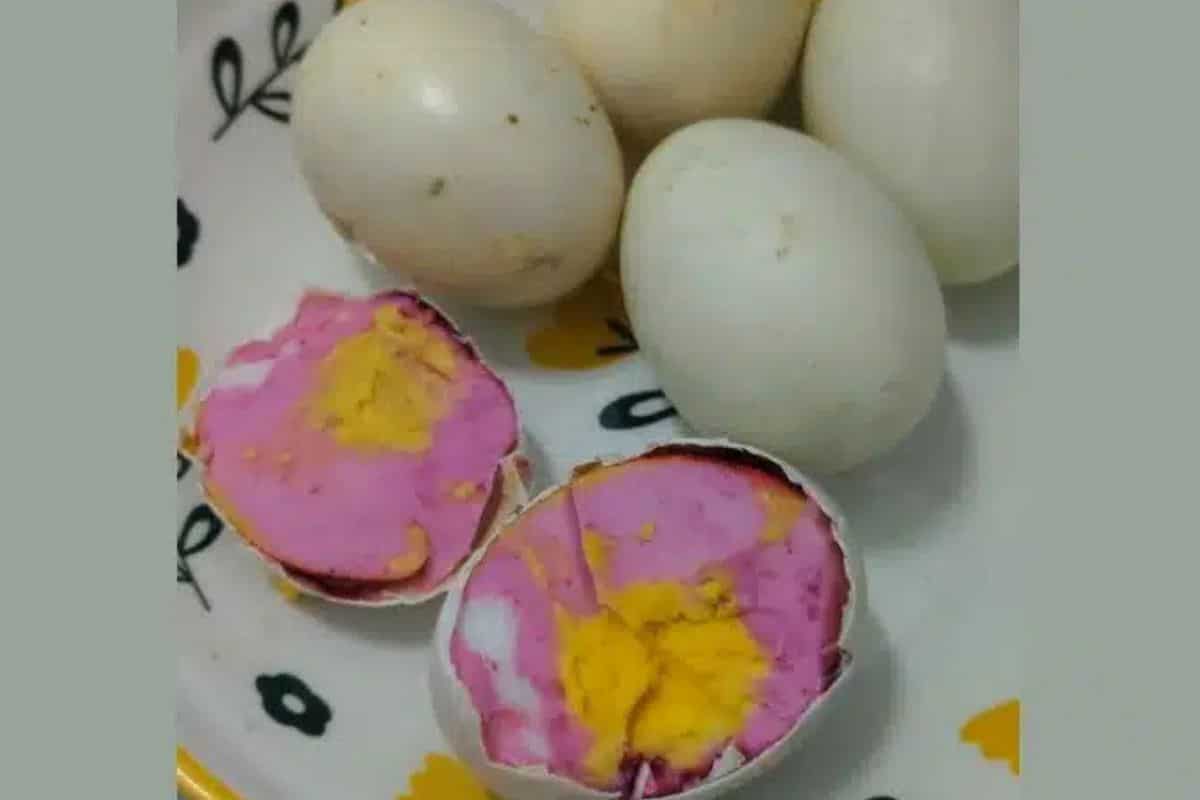
A Thai woman yesterday, January 7, shared a photo of a boiled egg she had prepared, which appeared to have pink egg white, leaving netizens questioning what had happened and whether it was safe to consume.
The incident came to light after a Facebook user shared photos of the boiled egg in the group พวกเราคือผู้บริโภค (we are the consumers), showing the egg sliced open to reveal a bright pink colour throughout the egg white. The woman said she had boiled the egg as usual and asked if anyone had encountered something similar before.
Many social media users commented on the unusual colour, with some joking that the egg resembled a flamingo egg. However, one user offered a more serious take, explaining that the pink colour was unlikely to be caused by blood spots, which usually appear as small patches, but could instead indicate contamination by Pseudomonas bacteria.
According to the explanation, bacteria in the Pseudomonas group can produce pigments as they multiply, causing egg whites to turn green, red or other abnormal colours.
Confirmation of the bacteria would normally require examination under ultraviolet light, as infected eggs may fluoresce under such lighting.


The commenter warned that Pseudomonas bacteria are dangerous and capable of causing a wide range of infections. They are most commonly found in hospital settings, particularly among patients with weakened immune systems, and can spread through contaminated medical equipment.
Although usually less severe, healthy individuals can still be affected if exposed to contaminated water, surfaces or bodily fluids, often through sources like dirty swimming pools, bathtubs, or prolonged contact lens wear.
Infections caused by the bacteria may include those of the bloodstream, lungs, urinary tract, wounds and ears, with symptoms ranging from fever and chills to difficulty breathing and pain.
The commenter advised throwing away eggs with this appearance immediately and urged anyone who handled the raw egg to wash their hands thoroughly.
They concluded by reassuring that if the egg hadn’t been eaten or come into contact with the mouth or other entry points, it was unlikely to pose any health risk.
In similar news, residents in the Isaan province of Nong Khai sought clarification from the relevant government department, claiming that a couple tricked them into buying fake chicken eggs.
Latest Thailand News

























Follow The Thaiger on Google News: