What’s happening in Iran? How hunger protests turned into a fight to topple the Islamic Republic.
Iran Protests Recap: A Descent into Darkness—When Hunger Drives People to the Streets in a Final Gamble to Topple the Regime

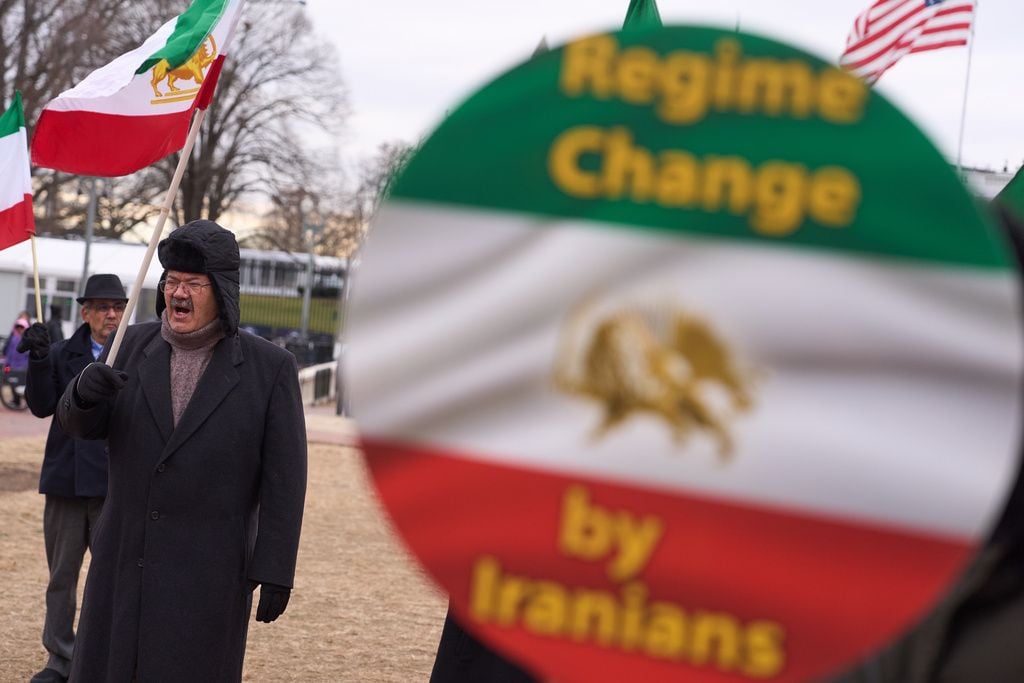
Iran is currently cut off from the outside world. The government has severed internet and telephone lines nationwide, hoping to blind and deafen the international community to the brutality of its crackdown. Yet, the screams of frustration from the streets echo far beyond the digital blackout.
This nationwide uprising is a clear signal: the 40-year-old theocratic regime is facing its most catastrophic crisis of faith yet.
Iran protests: When hunger becomes more terrifying than bullets
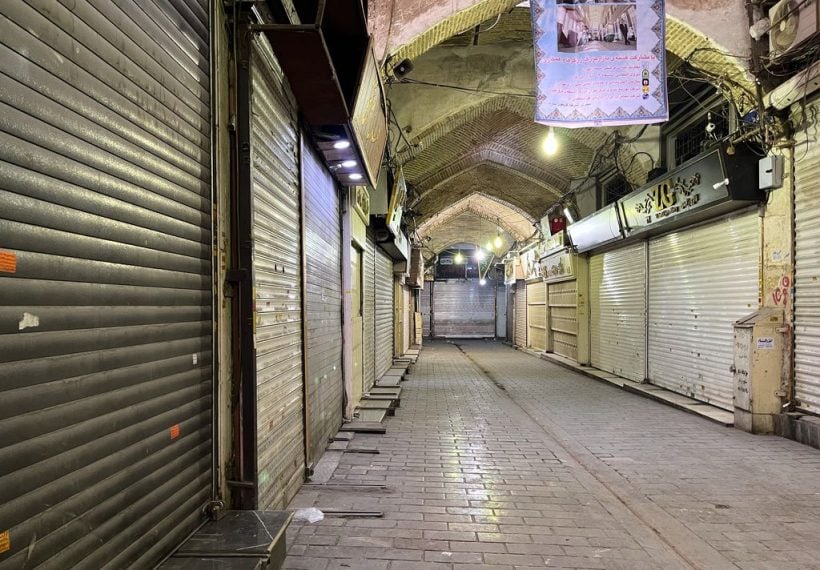
The fuse was not lit by students or political activists, but by the “Bazaaris”—the powerful market merchant class. Historically, this group has been the regime’s political backbone; back in 1979, the Bazaaris were the financial lifeline that fueled the Islamic Revolution and helped overthrow the monarchy.
But today, those very merchants are shuttering their shops and marching in the streets.
The primary cause is economic ruin. The Iranian Rial has freefallen into the abyss—now trading at 1.4 million to the US dollar—while inflation soars above 40%.
Aggravating the misery, the government decided to scrap subsidies and price controls, causing basic imports to skyrocket overnight. Essentials like cooking oil and chicken have become rare luxuries, priced far beyond the reach of ordinary people. The government attempted to stem the bleeding with a monthly handout of roughly $7, a sum the public views as completely futile.

Hunger-driven protests bring hope for the Monarchy’s return
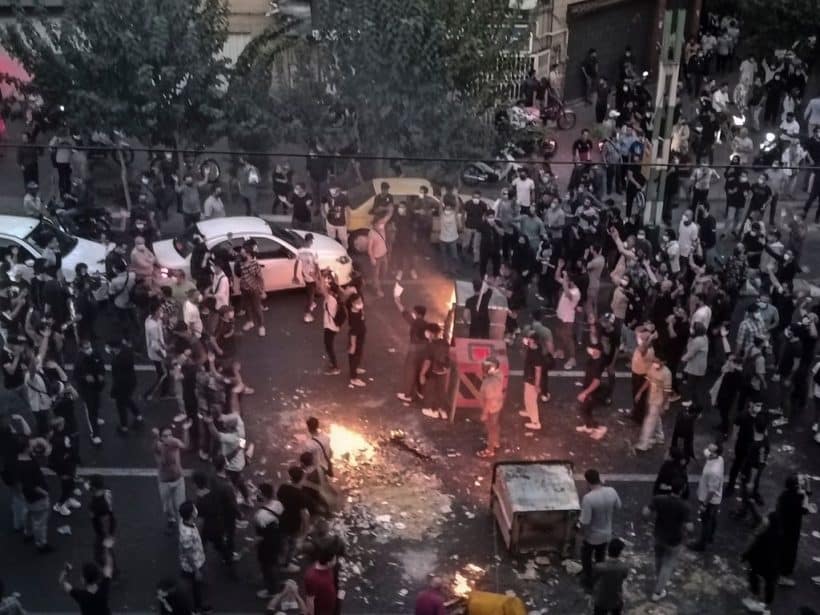
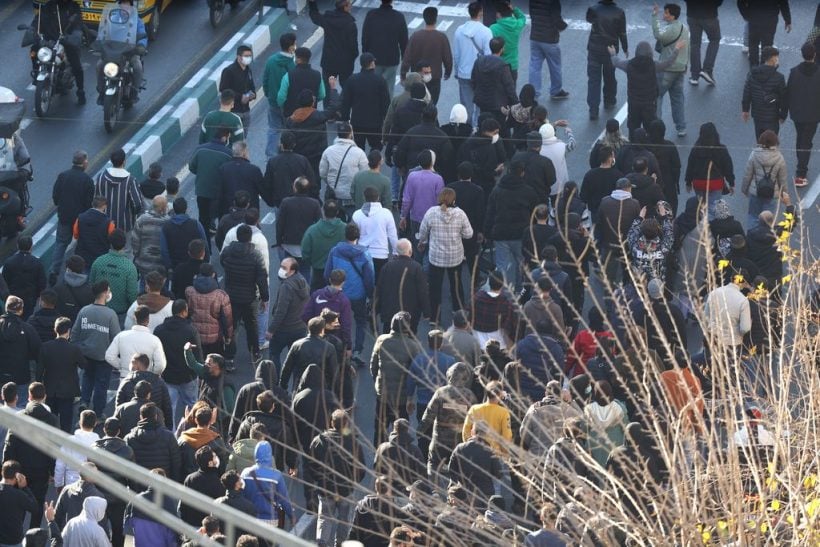
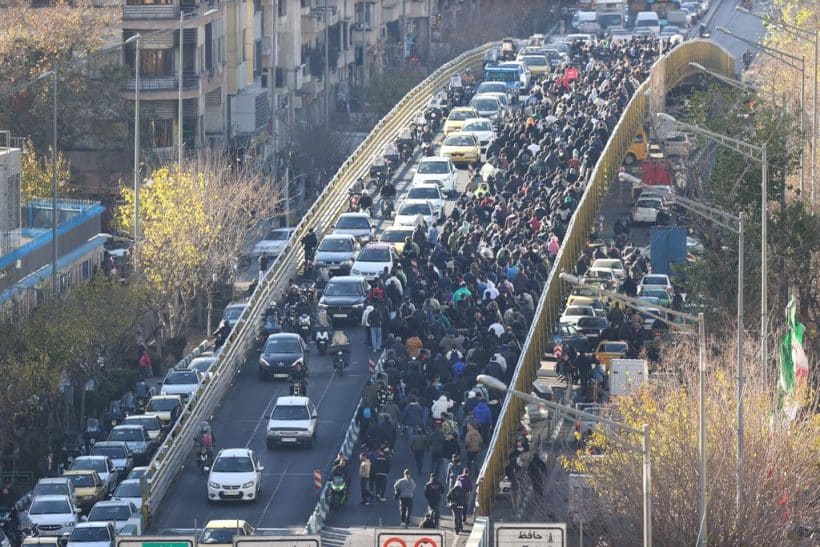
When starvation takes over, fear dissipates. Protests that began in Tehran have spread to over 100 cities, and the demands have shifted drastically.
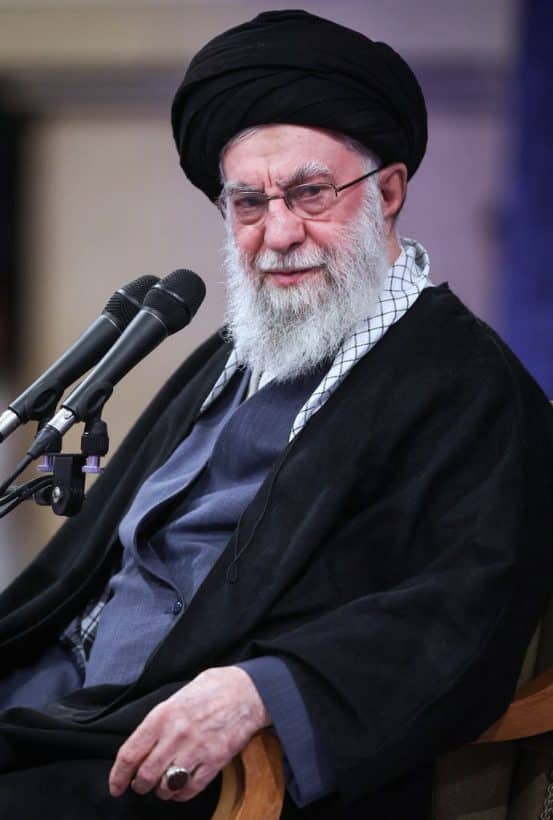
No longer asking for economic solutions, crowds now chant “Death to Ayatollah Ali Khamenei,” burning flags and government buildings.
Most strikingly, a haunting nostalgia has ignited across the nation. Huge crowds are chanting the slogan, “This is the last battle, Pahlavi will return,” referring to Reza Pahlavi, the exiled son of the Shah ousted 40 years ago. The sight of generations—some of whom once supported the religious state—now calling for the return of the monarchy reflects a people pushed to the absolute limit of despair.
One Iranian footballer sacked, another suspended, for supporting protesters
US Threatens to “Strike Again,” Exposing Iran’s Fragility
This uprising strikes at a moment when Iran is at its weakest.
Geopolitically, the nation is still reeling from the 12-day war with Israel and the US in June 2025, which destroyed key nuclear facilities. Furthermore, Iran’s long-nurtured “Axis of Resistance” has crumbled: Hamas has been defeated in Gaza, Hezbollah is leaderless in Lebanon, and the Assad regime in Syria has collapsed.
Sensing this vulnerability, US President Donald Trump has issued a stark warning: “If the Iranian government starts killing people, the US will hit them very hard.” Trump even cited the recent capture of Venezuelan President Nicolás Maduro as a direct warning to Iran’s leaders.
Internet Blackout. Silencing the Dead.
The government has reverted to its standard playbook when threatened: a total internet blackout to disrupt organization and hide the slaughter. Cybersecurity watchdogs warn that this digital darkness signals imminent “decisive brutality.”
Human rights organizations report at least 45 death, including eight children and over 2,000 arrests. Security forces have also suffered casualties in clashes with enraged protesters.
Despite pleas for restraint from President Masoud Pezeshkian, his words come too late for a people struggling to afford medicine and food.
“Life here hangs by a thread,” says one Tehran resident. “No wings to fly away, no hope to stay. It’s unbearable.”
Another protester adds, “I smell freedom. When we take to the streets, we show our faces because we have nothing left to lose.”
The situation in Iran is no longer just about the price of chicken or oil. It is a final, desperate gamble by the people to reclaim their future, unfolding under the watchful eyes of world powers ready to shift the chessboard the moment the regime makes a wrong move.
Latest Thailand News


















Follow The Thaiger on Google News: