Trump reclassifies cannabis in major US drug policy shift

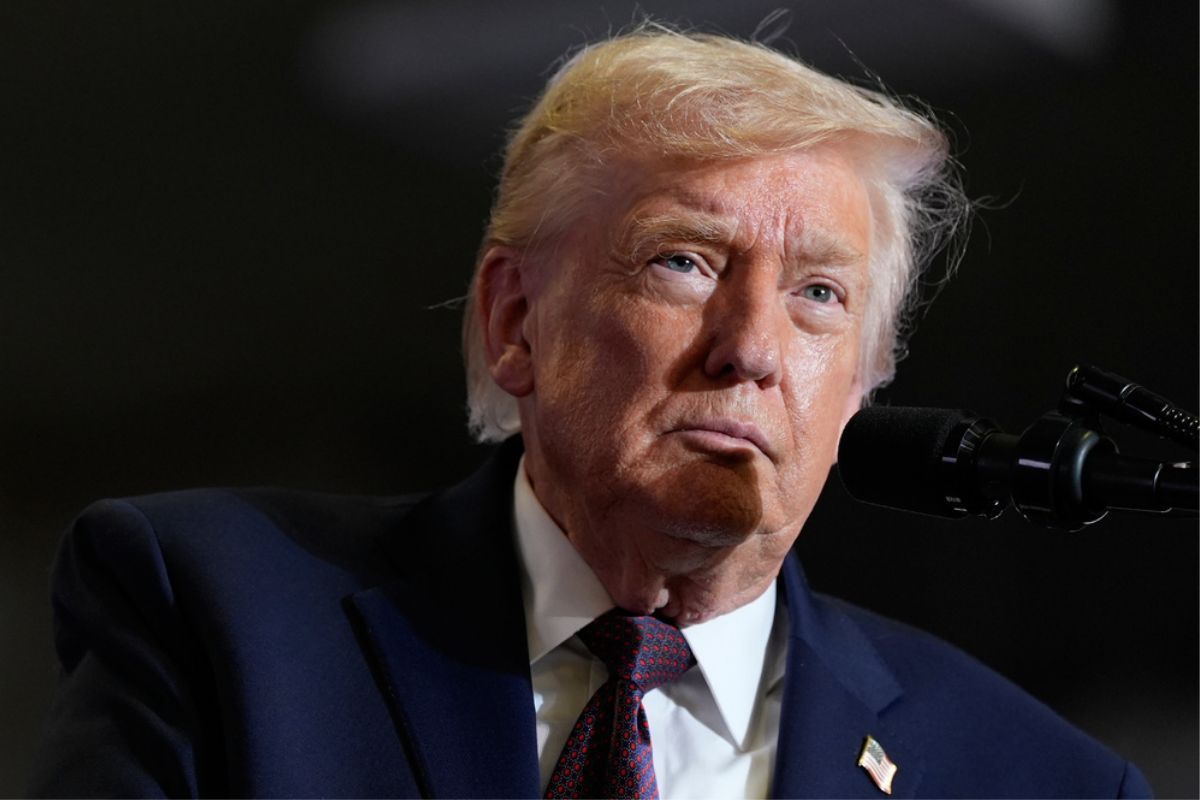
US President Donald Trump has ordered a change to federal drug regulations, signing an executive order to downgrade cannabis from a Schedule I to a Schedule III narcotic, the most significant shift in American drug policy in decades.
The reclassification would place cannabis in the same category as ketamine, anabolic steroids, and Tylenol with codeine, substances considered to have legitimate medical uses and moderate potential for physical and psychological dependence.
While cannabis remains illegal at the federal level, the reclassification is expected to expand medical research and ease tax restrictions on state‑authorised cannabis businesses. During the signing ceremony, Trump said the move had long been sought by people suffering from chronic pain, cancer, seizure disorders, and service‑related injuries, adding that cannabis, like prescription painkillers, could offer relief but also carried risks, and should be guided by scientific evidence.
The order also instructs federal officials to work with Congress to expand access to cannabidiol, or CBD. Health agencies have been directed to develop frameworks to assess the real-world health effects of CBD on the public. A senior White House official called the move a sensible action aimed at advancing understanding of cannabis and CBD through research.
Supporters of the decision, including Tim Barash, chairman of the Coalition for Cannabis Scheduling Reform, said the policy would benefit hundreds of thousands of workers in the cannabis sector, drive investment, and support the industry’s positive impact on society.
Despite growing public support, the reclassification has faced criticism from conservative lawmakers. In a letter to the White House, 22 Republican Senators cautioned that loosening cannabis restrictions could harm economic revitalisation and healthy lifestyles.
A separate letter from nine Republican Representatives claimed there was insufficient scientific evidence to justify the change, and argued that the move could mislead young Americans into thinking cannabis is harmless.


BBC reported that Cannabis has been listed as a Schedule I narcotic since 1971, defined as having no accepted medical use and high potential for abuse.
Over the past decade, however, most US states have legalised cannabis for medical use, and nearly half allow recreational use.
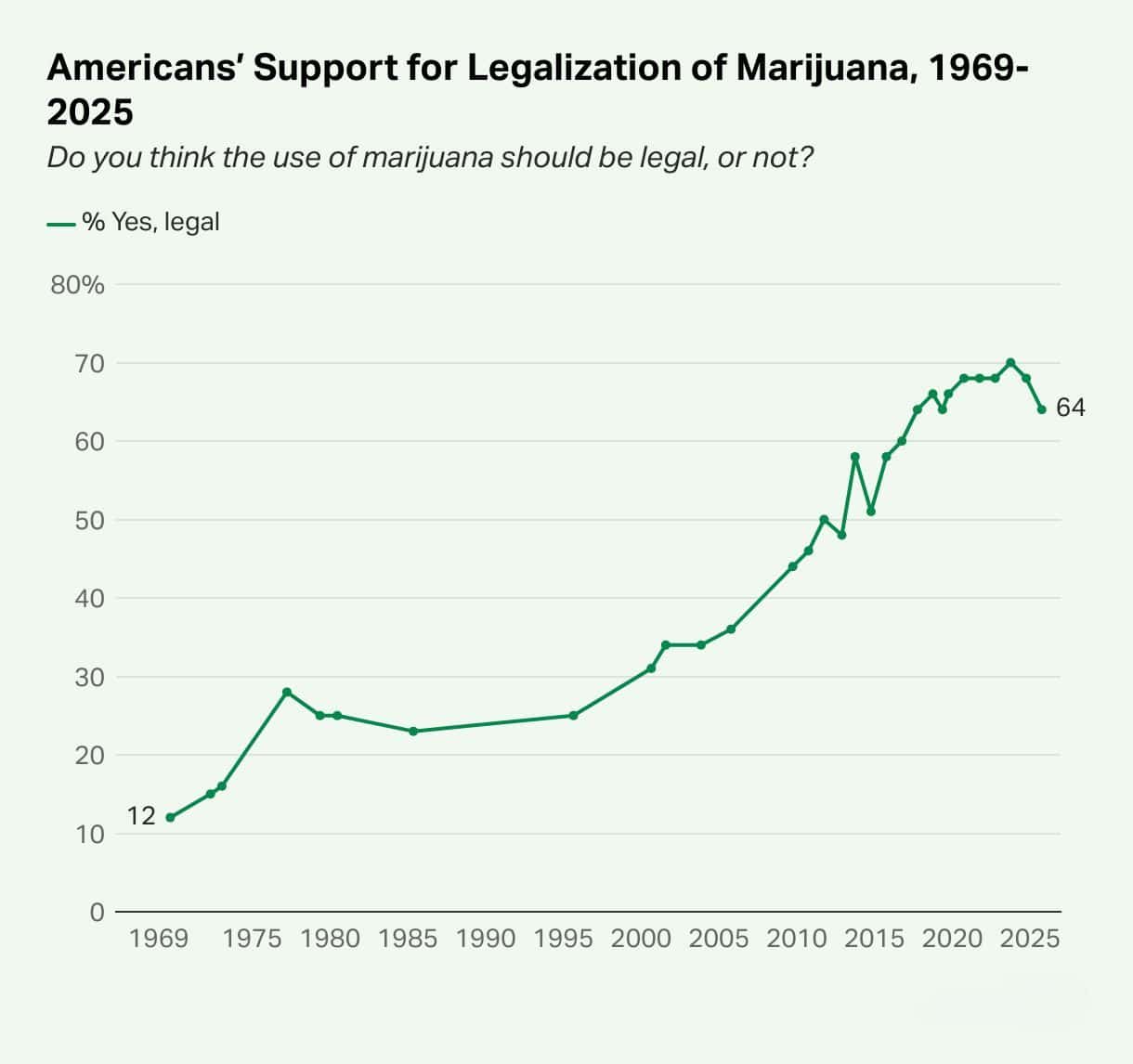
A recent Gallup poll shows that 64% of Americans support legalising marijuana, though support has declined slightly due to falling approval among Republican voters.
In similar news, a foreign tourist tried to pay his 2,000-baht taxi fare from Bangkok to Pattaya with a giant bag of marijuana, leaving the stunned cabbie out of pocket and steaming mad.
Latest Thailand News

























Follow The Thaiger on Google News: