The deadly Rama 2 Road: Why Thailand’s ‘Seven-Generation Road’ keeps claiming lives
How decades of construction, weak oversight, and legal loopholes turned a vital highway into a public danger

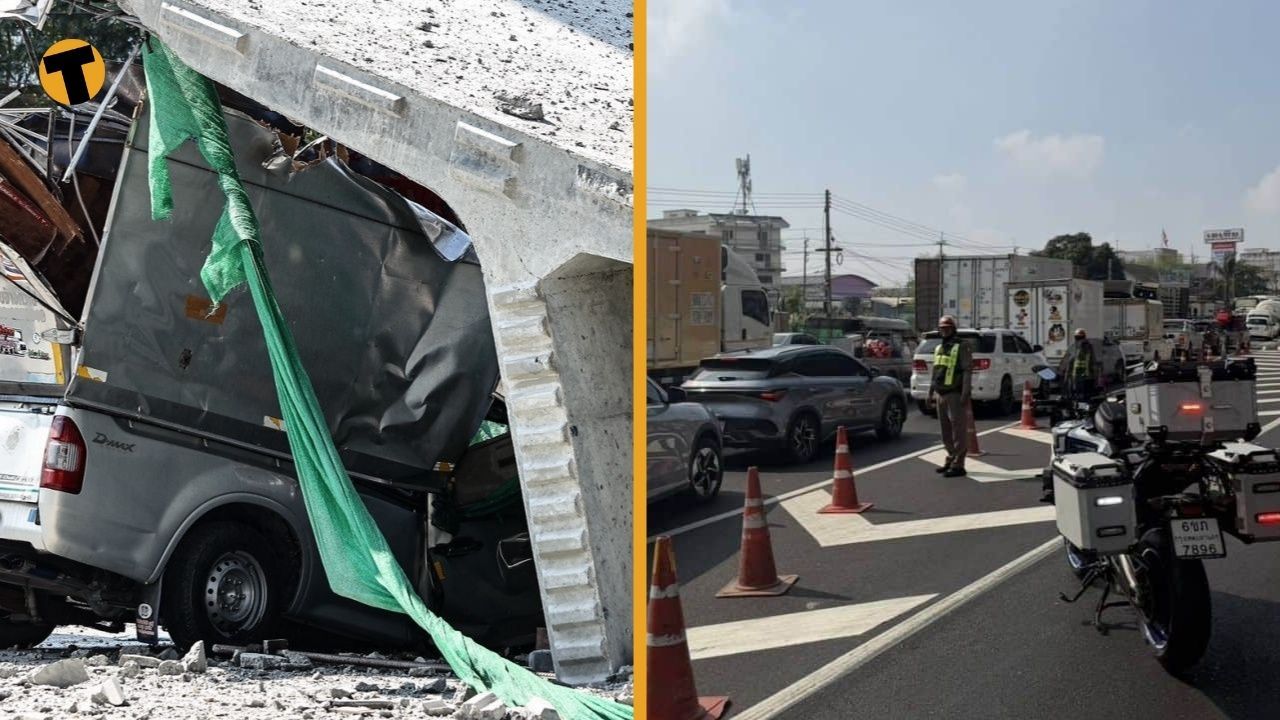
Dissecting the crisis of ‘Seven-Generation Road’ Rama 2, where repeated construction accidents and crane collapses continue to claim lives, yet contractors keep receiving new projects, exposing legal loopholes that amount to paper tigers.
If there is one road in Thailand that has become legendary for both its extraordinary length and the dangers hidden behind its development, Rama 2 Road, or Highway No. 35 (Dao Khanong–Wang Manao), is the first name that comes to mind for many people.
This route functions like a major artery, pumping travel and economic activity from Bangkok down to the southern region. At the same time, over the course of more than five decades, the road has never been free from heavy machinery, massive concrete structures, and construction projects that seem to have no end. As a result, the public has given it a painfully ironic nickname: the “Seven-Generation Road”.
The fear surrounding Rama 2 Road in the present day no longer comes solely from its rough surface or the severe traffic congestion of the past. Instead, it has transformed into a killing zone, where death can fall from the sky at any moment.
To understand the roots of this problem, it is necessary to look back at the history of Rama 2 Road’s construction. The project officially began in 1970 during the government of Field Marshal Thanom Kittikachorn and was first opened to traffic on April 1, 1973.
In its early days, the road consisted of only two opposing lanes, to shorten travel to the southern region by more than 40 kilometres compared to Phetkasem Road.
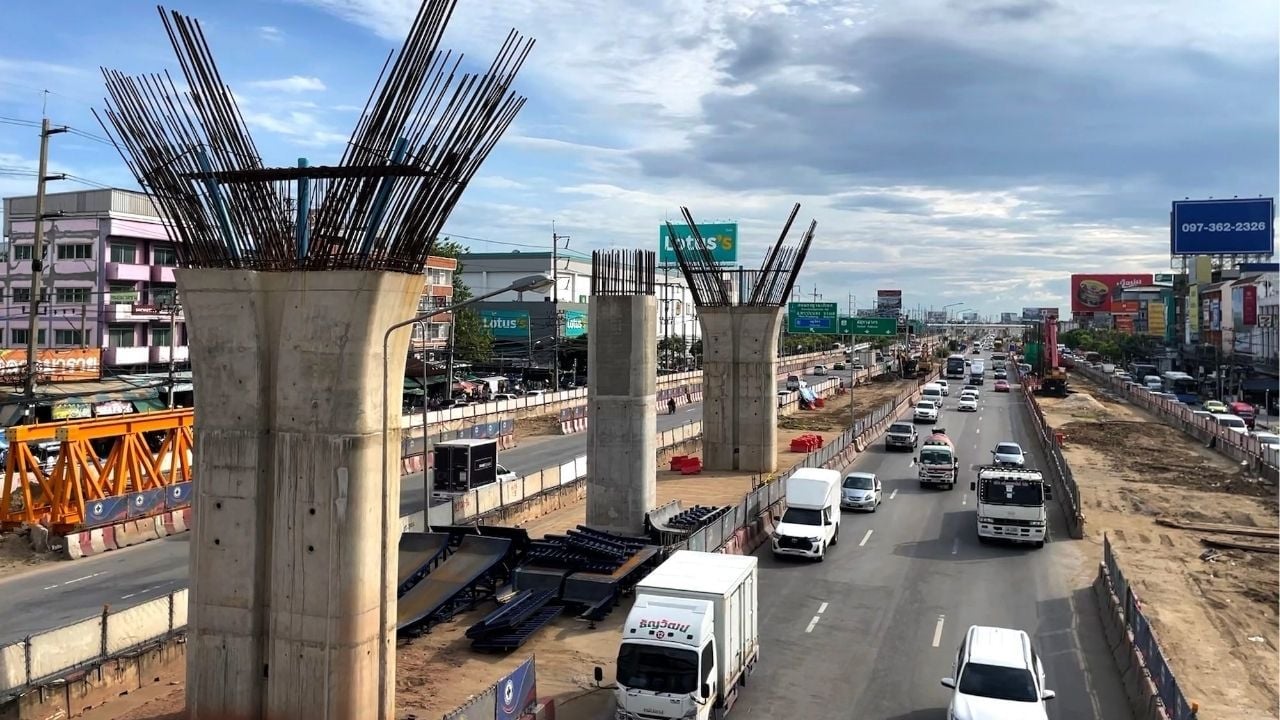
However, urban expansion and the growth of industrial estates pushed Rama 2 Road into an endless construction cycle. From the second phase between 1989 and 1994, which focused on lane expansion, to the present third phase beginning in 2018, the road has entered the most dangerous period in its history. The reason is that this is no longer a horizontal road expansion, but the construction of massive overlapping elevated expressways above a roadway that carries traffic 24 hours a day.

At present, two major overlapping projects are under construction. These are the Rama 3–Dao Khanong–Outer Ring Road Expressway project by the Expressway Authority of Thailand, and the M82 Motorway elevated Bang Khun Thian–Ban Phaeo project by the Department of Highways.
With different project owners, multiple contractors, and contracts split into numerous segments, Rama 2 Road has become a chaotic engineering jigsaw puzzle, making it extremely difficult to manage safety in a unified manner.
On this page
| Section (Jump to section) | Short summary |
|---|---|
| Bloody statistics | Shows how routine traffic hazards escalated into lethal structural failures, leaving ordinary road users exposed to risks beyond their control. |
| Why do construction accidents keep happening? | Reveals how joint ventures, layered subcontracting, and weak on-site supervision allow safety failures to repeat across projects. |
| Laws that are little more than paper tigers | Highlights how procurement rules and minimal penalties protect major contractors while accountability for deaths remains limited. |
| A cost higher than the construction budgets | Examines the long-term damage to public trust, mental health, logistics, and regional economies caused by prolonged danger and disruption. |
Bloody statistics: the reality behind Rama 2 Road accident figures
In-depth statistics from the 2018 fiscal year to the present reveal shocking levels of loss. A total of more than 2,242 accidents have occurred on Rama 2 Road, resulting in at least 132 deaths and more than 1,305 injuries.
In the early period from 2018 to 2020, most accidents were caused by basic physical conditions, such as narrowed lanes, unclear warning signs, or improperly placed barriers, leading mainly to minor collisions. However, from 2022 onwards, the nature of the disasters changed dramatically. Accidents became far more severe and were directly linked to “structural engineering failures.”
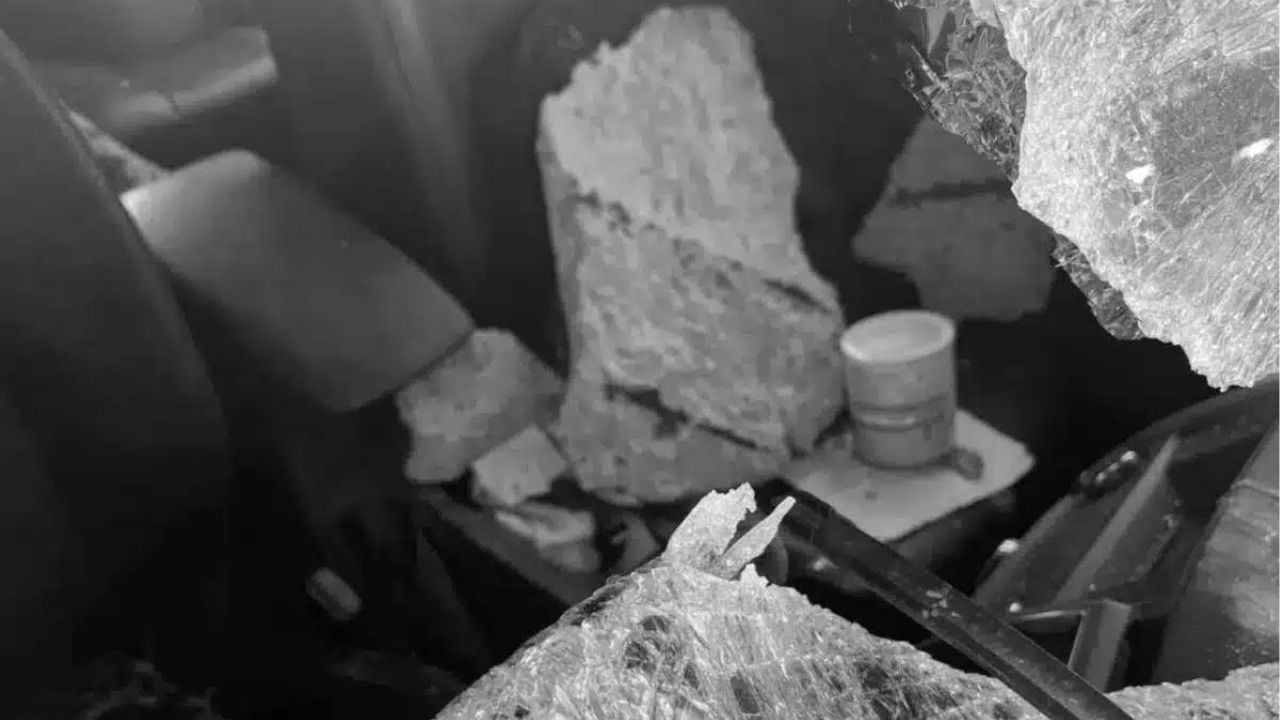
These were no longer crashes caused by driver negligence. Instead, they involved collapsing bridge beams, massive cranes toppling onto the roadway, or construction materials falling onto vehicles travelling lawfully below. These are risks that innocent road users have no way to protect themselves against.
How many times must society revisit the same lessons from repeated accidents? One of the most tragic examples occurred on July 31, 2022, when a U-turn bridge collapsed near Vibharam Hospital in Samut Sakhon, killing two people after a bridge beam fell onto vehicles below.
Engineering analysis found that the root cause stemmed from improper maintenance procedures. Removing the bridge deck for recasting altered the load-bearing behaviour of the beam, leading to a loss of restraint. Without sufficient lateral support, the deteriorated beam overturned and collapsed. This reflected negligence in work procedures and a lack of thorough checks on the stability of temporary structures.
In May 2023, another terrifying incident occurred near a shopping centre when a large concrete beam segment fell. Investigations found that threaded bars used to secure the lifting structure to the beam had failed and separated, clearly pointing to issues with material quality and machinery maintenance by the contractor.
Later, in November 2024, a crane installation structure collapsed in Section 1 of the M82 project, killing four people. Preliminary findings linked the incident to failures in weight balance control during component movement.

Why do construction accidents on Rama 2 Road keep happening?
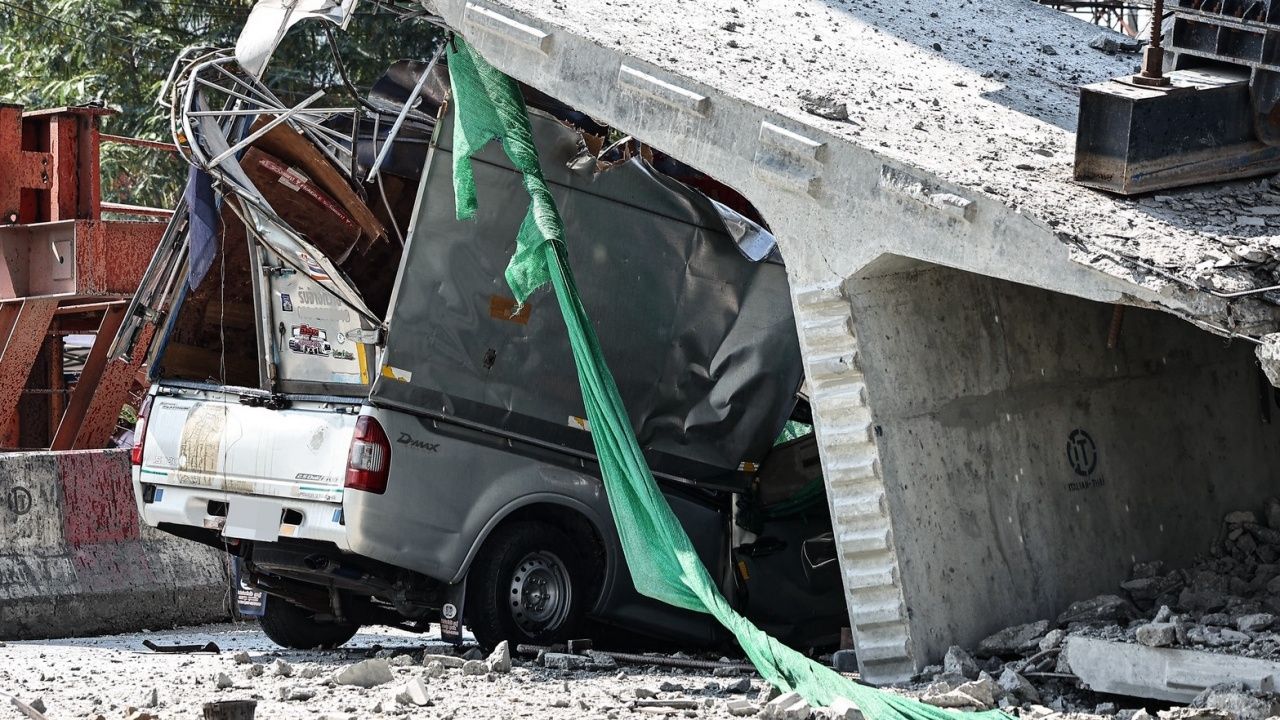
Most recently, on January 15, 2025, a construction crane collapsed on Rama 2 Road in Samut Sakhon province, before the Tha Chin River bridge. Initial reports stated that two vehicles were crushed. Emergency services are still conducting rescue operations, and two fatalities have been confirmed.
Looking behind the construction barriers, large-scale government infrastructure projects often set extremely high qualification requirements for bidders. As a result, construction companies frequently form joint ventures to meet capital and performance criteria.
While such partnerships can combine strengths, in practice, they often become a double-edged sword. Responsibility within joint ventures is frequently unclear. In some cases, the lead company does not closely supervise on-site operations, leaving work to partners or subcontractors.
An even more serious issue is the extended subcontracting supply chain. For example, in Section 1 of the project, the main contractor was Udomsak Chiang Mai Co., Ltd., yet on-site labour was provided by PSCI Construction Co., Ltd.
Multiple layers of subcontracting disrupt safety communication. Safety directives and measures issued by senior engineers are diluted as they pass down to operational levels. This problem is compounded by the fact that much of the workforce consists of migrant labourers, who may face language barriers and difficulties understanding complex technical procedures.
When negligence occurs at the lower labour level, the first victims are the workers themselves, followed by innocent members of the public travelling below. This employment structure encourages cost-cutting on safety and makes effective oversight extremely difficult.
Laws that are little more than paper tigers
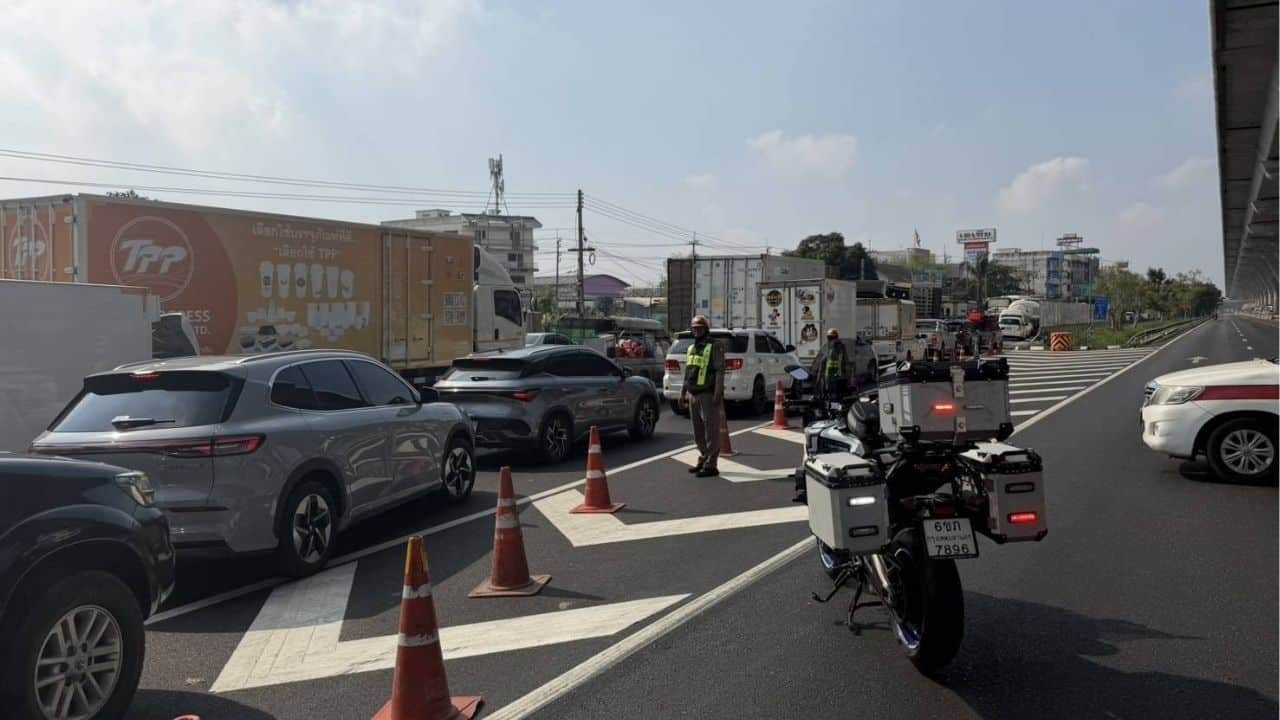
A question repeatedly asked by society is: “Why do contractors responsible for repeated deaths continue to win government contracts?”
The answer lies in weak enforcement mechanisms. Although the Comptroller General’s Department and the Ministry of Transport have attempted to introduce a “contractor performance record” system to deduct points and downgrade contractors involved in accidents, procurement laws still impose limitations on blacklisting large corporations.
Government agencies often face a dilemma. Banning top-tier construction giants could trigger chain reactions affecting numerous other mega-projects that these companies are contracted to deliver.
As a result, penalties are largely limited to short-term work suspensions or fines, which are insignificant compared to projects worth tens of billions of Thai baht. These measures are insufficient to drive genuine change in organisational safety culture.
Compensation for victims is another deeply troubling issue. The lives of those killed are often valued at only a few million Thai baht, far too low to compensate families for their loss. Legal action to seek damages from state agencies and contractors becomes a heavy burden for victims, even though they are casualties of failed governance.
A cost higher than the construction budgets
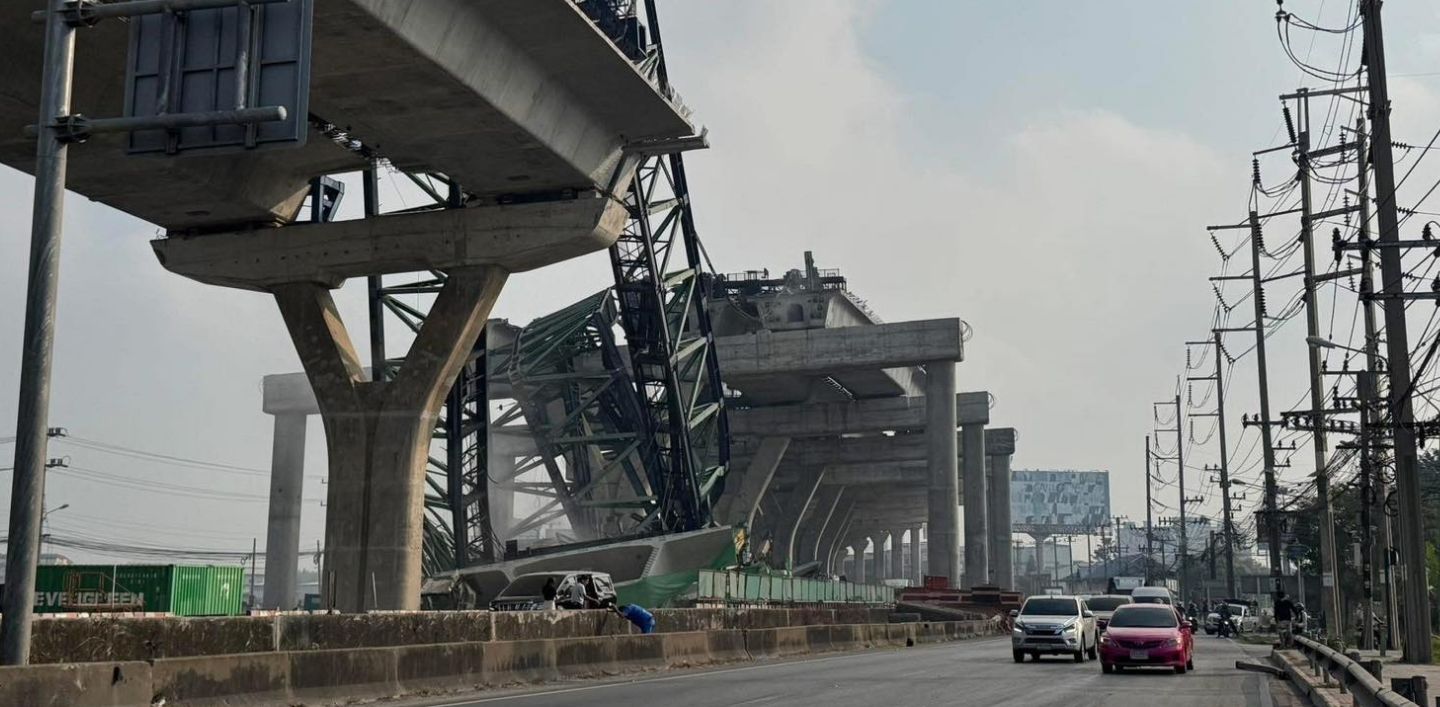
The damage caused by Rama 2 Road extends far beyond the construction zone. It has eroded broader economic and social structures. Tourism in Phetchaburi and Prachuap Khiri Khan, especially in Hua Hin and Cha-am, has suffered as visitors fear for their safety and grow frustrated with severe congestion, leading many to delay or avoid travel to the south.
Meanwhile, the transport and logistics sectors face higher costs due to time lost on the road. Most importantly, residents in Thonburi and Samut Sakhon endure declining mental health and quality of life, suffering from accumulated stress, dust pollution, and constant anxiety whenever they must pass beneath these massive concrete structures.
The story of Rama 2 Road is one of deep-rooted systemic failure, spanning procurement processes, contractor management, and law enforcement. Ending the legend of the “Seven-Generation Road” cannot be achieved simply by speeding up construction. It requires a major structural reform of oversight systems.
The government must seriously limit subcontracting tiers to prevent accountability from becoming diluted. Technologies such as sensors and AI should be deployed to monitor structural stability in real time, rather than relying solely on human observation. Most crucially, transparency is needed, with accident records disclosed contract by contract, enabling powerful social oversight.
As long as the value of human life remains lower than business profits, and as long as the law cannot penetrate the protective armour of large capital interests, Rama 2 Road will continue to stand as a monument to systemic failure, an expensive lesson paid for by Thai society in blood and tears, with no end in sight.
Latest Thailand News






















Follow The Thaiger on Google News: