Thailand’s April heat can kill, but it can also bankrupt you
Bangkok's heat index hits 53°C this April. Here's what that does to your body (and your hospital bill)

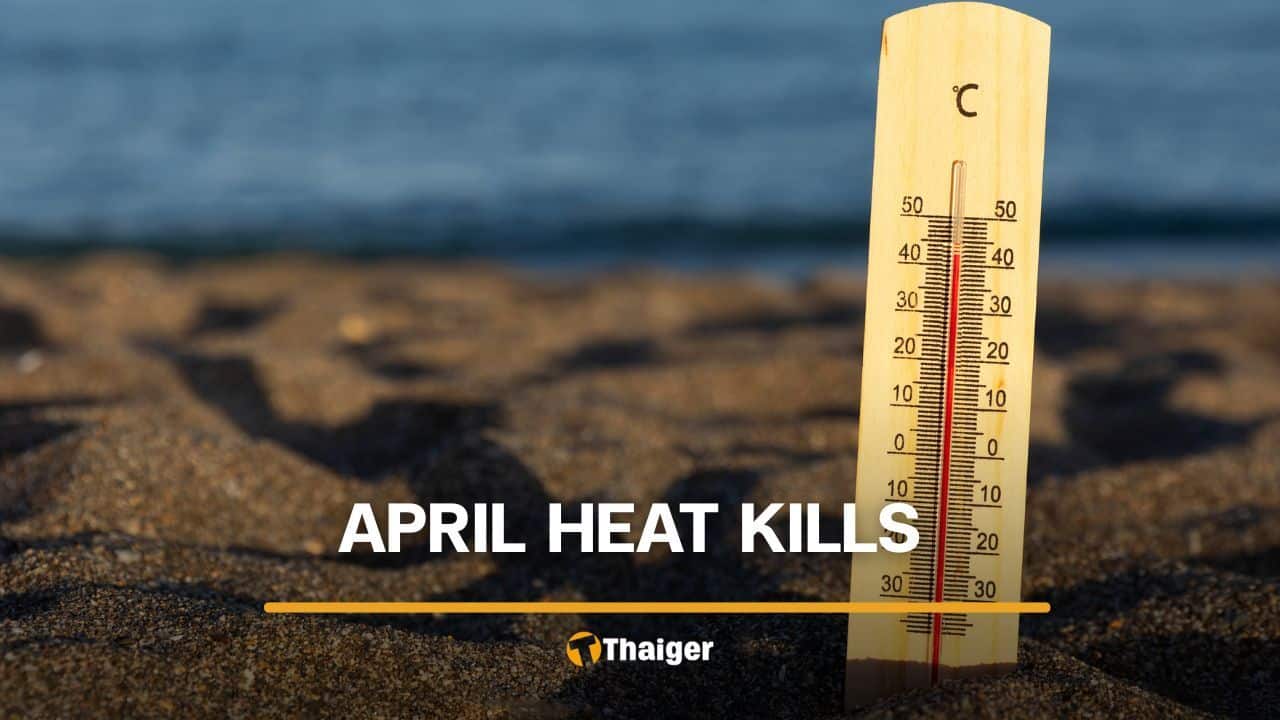
The heat in Thailand in April is not just uncomfortable. It is, by measurable standards, medically dangerous. Air temperatures regularly hit 40°C and above, but the number that actually matters is the heat index, which is how hot it feels when humidity is factored in. In Bangkok, that figure climbs to around 53°C on an average April afternoon.
The reason April hits harder than any other month is timing: Thailand’s northeast monsoon ends around mid-February, but the cooling rains of the southwest monsoon don’t arrive until mid-May. April sits right in the gap, with no cloud cover, no rainfall, and the sun passing almost directly overhead, heat building day after day, with nowhere to go.
Recent years have made this worse. On April 15, 2023, Tak province recorded 45.4°C, breaking Thailand’s all-time national temperature record, while the national heat index peaked at 54°C just days later.
In 2024, 26 of Thailand’s 77 provinces exceeded 40°C in April. The World Weather Attribution project found the 2023 heatwave was made at least 30 times more likely by climate change. April 2026 is unlikely to be an exception.
Here is what the numbers look like across Thailand’s three main and well-known cities.
| City | Forecast | Humidity | Feels like |
|---|---|---|---|
| Bangkok | 35.4°C | 72% | ~53°C |
| Chiang Mai | 36.5°C | 57% | ~48°C |
| Phuket | 33.9°C | 75% | ~49°C |
The “feels like” column is what matters here as Phuket’s air temperature looks manageable at 33.9°C, but coastal humidity pushes the felt temperature to nearly 49°C. Direct sun exposure adds another 8°C on top of that. To keep up with the ever-changing heat, it wouldn’t hurt to keep up to date with this forecast from the Thai Meteorological Department.
On this page


| Section (Click to jump) | Summary |
|---|---|
| What heat actually does to the body | Thailand’s April heat can quickly progress from exhaustion to heat stroke, which is a medical emergency. |
| Staying safe | Hydration, avoiding peak heat hours, and using indoor cooling spaces are the main ways to reduce risk. |
| What’s the cost if you end up in the hospital? | Private hospital treatment for heat illness can range from a few thousand baht to intensive-care costs above 100,000 baht per day. |
| Where Cigna comes in | Cigna is presented as covering heat-related emergencies and offering direct billing at major private hospitals across Thailand. |
What heat actually does to the body
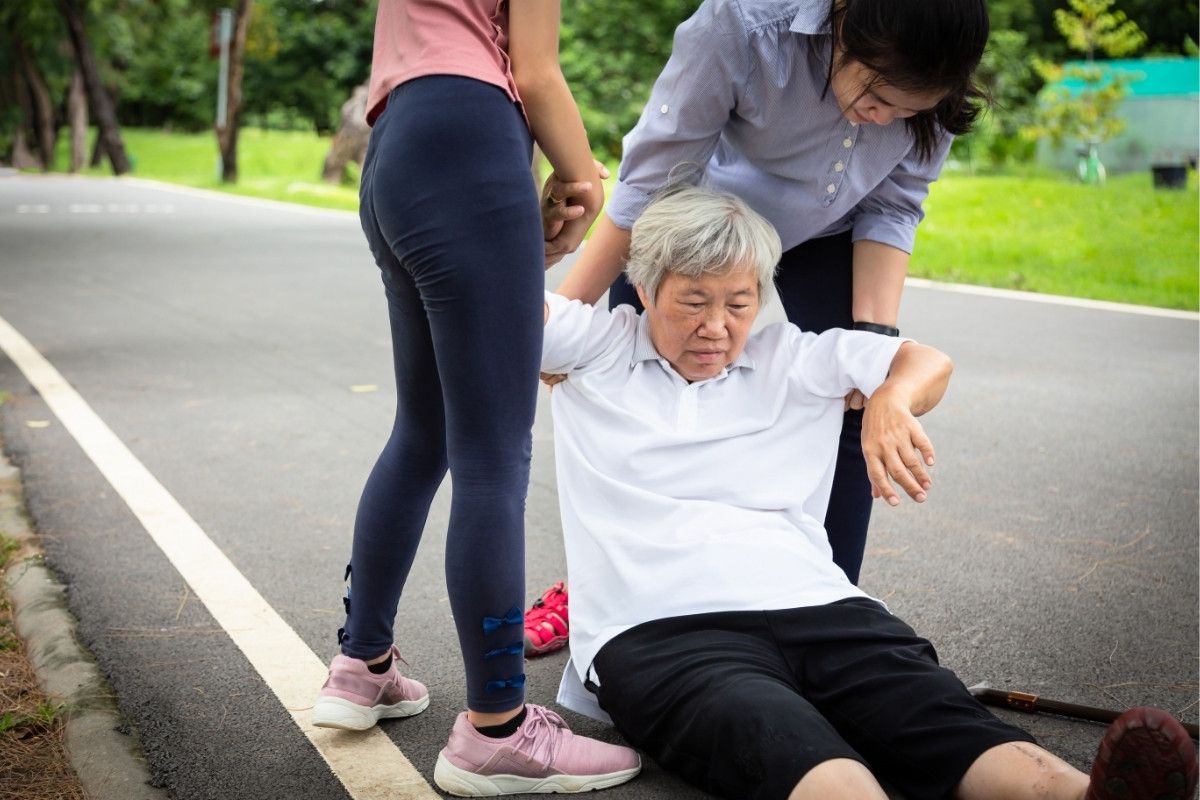
Heat-related illness moves along a spectrum, and it can accelerate quickly. Heat exhaustion, not to be confused with heat stroke, is the earlier stage, which means the body is still trying to cool itself but struggling.
Symptoms include:
- Heavy sweating
- Dizziness and nausea
- Muscle cramps
- Headache and weakness
Moving indoors, resting, and rehydrating usually resolves it. If symptoms persist beyond an hour or vomiting sets in, seek medical attention.
Heat stroke IS a medical emergency. This is when your body’s cooling system stops working entirely, and core temperature reaches 39.4°C or higher. Here, warning signs are neurological and often more severe.
Symptoms include:
- Confusion or slurred speech
- Seizures
- Loss of consciousness
- Hot, dry skin as sweating stops
The CDC is direct about this, as heat stroke can cause death or result in a permanent disability without immediate treatment. Brain, kidney, and heart damage can all occur within a short window.
Thailand recorded 63 heatstroke deaths in April 2024 alone, nearly double the year before. For expats and newly arrived tourists, the risk is highest in the first few days. Make sure your coverage is in place before you need it. Get a free quote from Cigna Global today.
Thailand’s Department of Disease Control recorded 63 heatstroke deaths in 2024, with roughly 70% of those occurring in April. That is nearly double the 37 deaths recorded across all of 2023.
Groups most at risk are the elderly, young children, anyone with underlying conditions such as heart disease, diabetes, or hypertension, and, critically for Thaiger readers, tourists and newly arrived expats who are not yet acclimatised to tropical heat.
Research from OSHA shows that 50 to 70% of outdoor heat fatalities happen in the first few days of exposure to a hot environment. Stepping off a flight from a European spring into 42°C Bangkok and spending the afternoon at temples is genuinely high-risk behaviour, even for otherwise healthy adults.
Staying safe
The single most effective combination is to drink water before you are thirsty and get indoors during peak hours. The WHO recommends two to three litres of water daily in hot weather.
When you are active outside, walking between sites, at the beach, exploring markets, that rises to roughly one litre per hour. Electrolyte sachets are available at any Thai pharmacy for around 20 to 50 baht and should be used after an extended time outdoors.
The peak danger window runs from 11am to 4pm, when the Thai government advises against outdoor activity during extreme heat events. Structuring your day around this, outdoor activities before 10am, indoor time during the middle of the day, makes a significant difference.
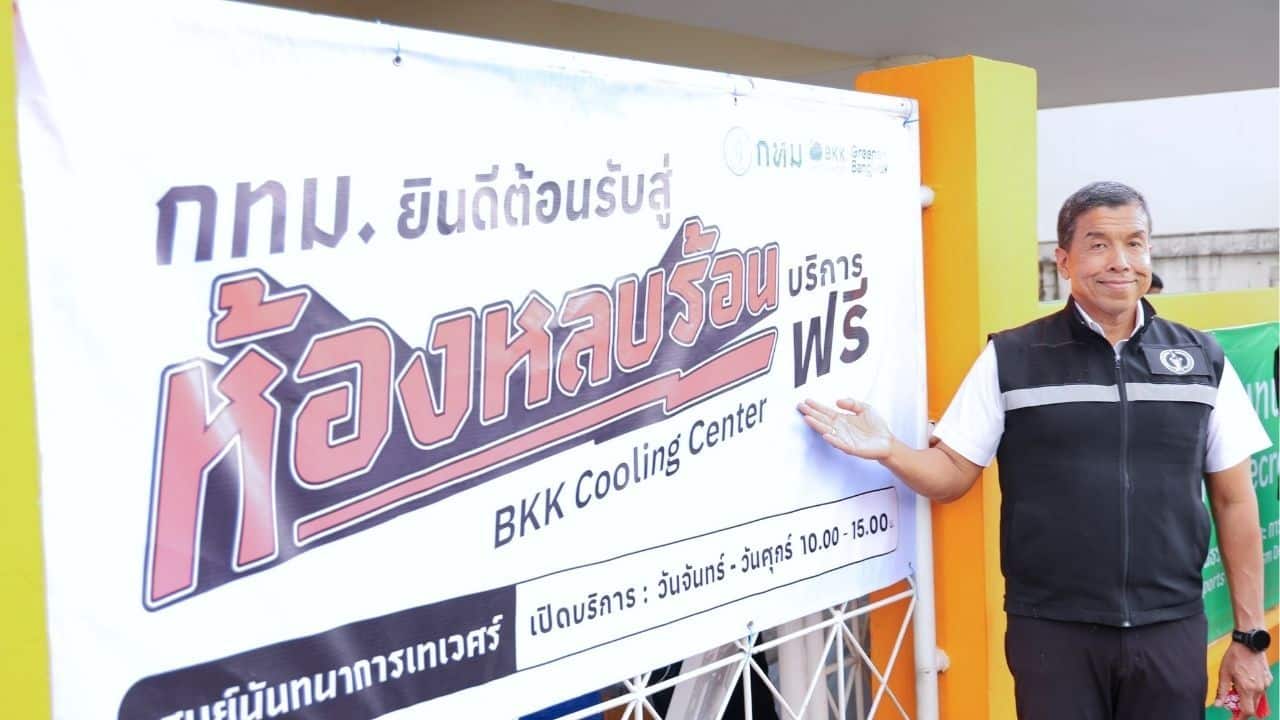
Bangkok has now erected 255 designated cooling centres across the city, operating in schools, health centres, and district offices during peak heat hours, with free drinking water available. Shopping malls, BTS and MRT stations, and the ever-present 7-Eleven stores also provide reliable relief elsewhere.
For clothing, linen is the best option for Thailand’s humid heat, as it breathes well and releases moisture faster than cotton. Light colours, loose fits, wide-brimmed hats, UV sunglasses, and SPF 50+ sunscreen reapplied every two hours round out the basics. None of this is complicated, but it requires conscious planning, especially in the first week of being in-country.
If someone around you shows signs of heat stroke, confusion, very high body temperature, hot, dry skin, loss of consciousness, call Thailand’s emergency number 1669 immediately and begin cooling them down while waiting for help.
What’s the cost if you end up in the hospital?

Thai private hospitals, where most foreigners receive treatment, deliver excellent care. But the bills move fast, and certain hospitals may require a substantial upfront deposit before treatment begins, with full payment expected before discharge.
| Severity | Treatment | Estimated cost |
|---|---|---|
| Mild heat exhaustion | ER visit, IV fluids, consultation | 3,000 to 8,000 baht |
| Moderate | Observation, blood work, multiple IV drips | 8,000 to 20,000 baht |
| Severe heat stroke | Intensive cooling, labs, and possible ICU | 20,000 to 100,000+ baht |
| ICU admission | Per day | Up to 100,000 baht/day |
| Medical evacuation | Uninsured | US$50,000 to US$150,000 |
Some hospitals require up to 200,000 baht upfront before treatment begins, and won’t discharge you until the bill is settled. Cigna Global’s direct billing network covers major private hospitals across Bangkok, Chiang Mai, Phuket, Pattaya, and Koh Samui, so that barrier disappears. Get a free quote today.
Embassies do not cover medical bills. These are not edge cases, as they are standard practice at the hospitals most foreigners prefer.
Where Cigna comes in

Cigna Global covers heat-related emergencies, heat stroke and heat exhaustion fall under emergency medical, not into policy exclusions. More practically, Cigna operates direct billing at major hospitals across Thailand, which means the upfront deposit barrier largely disappears
In Bangkok alone, that network includes Bumrungrad International, Bangkok Hospital, Samitivej Sukhumvit, BNH, and MedPark. Direct billing coverage extends to Chiang Mai, Phuket, Pattaya, and Koh Samui, covering the destinations where most expats and long-term visitors spend their time.
Outside the USA, Cigna Global members have free choice of any doctor or hospital with no reduction in benefits. If direct billing is not available at a particular facility, Cigna aims to reimburse within five working days of receiving complete documentation, well ahead of the industry standard of two to four weeks.
Cigna Global’s plans are tiered to suit different needs and budgets:
- Close Care: US$500,000 annual coverage for treatment in Thailand and your home country
- Silver: US$1,000,000 coverage for essential hospital stays and emergency treatment
- Gold: US$2,000,000 coverage, adding cancer screenings, specialists, and broader outpatient coverage
- Platinum: US$2,000,000+ coveage with comprehensive coverage including mental health services
In a country where medical inflation is running at over 14% annually, and a single cardiac admission can exceed two million baht, how a bill gets paid matters as much as whether it gets covered at all.
Travel insurance for short-term visitors covers heat-related emergencies too, at roughly US$1 to US$2 per day, less than the cost of a single ER visit in most scenarios.
April 2026 will almost certainly follow the pattern of recent years, where temperatures can exceed 40°C across much of the country, heat index values well into the danger range, and a spike in heat-related hospitalisations.
For anyone in Thailand this month, whether you arrived last week or have lived here for years, the practical steps are the same: hydrate early and consistently, stay indoors during peak hours, and make sure your health coverage is actually in place before you need it. The heat does not wait for you to sort out the paperwork.
Whether you just landed in Thailand or have been here for years, now is the time to make sure your health cover is in place. Get a free quote from Cigna Global and know you’re covered before the heat hits.
Sponsored
Latest Thailand News























Follow The Thaiger on Google News: