Four ways direct billing in Thailand saves you money
How it works and why it matters more than your coverage limit


Most expats shopping for health insurance focus on the wrong number. Coverage limits matter, but the more consequential question is how the bill actually gets paid, and who carries the financial risk while that happens.
In Thailand, a private hospital can demand a deposit of up to 200,000 baht before treatment begins. Without direct billing, you pay the full bill upfront, submit your paperwork, and wait two to four weeks for reimbursement that may arrive incomplete or not at all.
With medical costs rising at 14.2% annually and a single cardiac surgery capable of exceeding 2 million baht, the difference between direct billing and the reimbursement route is not administrative. It is financial.
On this page
| Section (Click to jump) | Short summary |
|---|---|
| What direct billing actually is | Direct billing means the hospital bills the insurer directly, so the patient usually avoids paying high costs upfront. |
| Four ways direct billing in Thailand helps expats save money | Direct billing can reduce costs through negotiated rates, lower FX losses, no large deposits, and fewer claim errors. |
| What Thai private hospital bills look like | Private hospital costs in Thailand can range from hundreds of thousands to several million baht, especially for major procedures. |
| Where Cigna’s network covers you in Thailand | Cigna’s direct billing network covers major private hospitals in Bangkok, Chiang Mai, Phuket, Pattaya, and Koh Samui. |
What direct billing actually is
Direct billing is a settlement arrangement between your insurer and your hospital. When you arrive at a network facility, you present your insurance card at registration.
For outpatient visits below a certain threshold, the hospital verifies your coverage electronically and bills the insurer directly. For inpatient admissions or higher-value treatments, the hospital requests a Guarantee of Payment from your insurer, a formal confirmation of the diagnosis, planned treatment, and estimated cost.
For planned procedures, this typically arrives within 48 hours. For emergencies requested by phone, it can come through within two hours. Once the Guarantee of Payment is in place, the hospital invoices your insurer. You pay only any applicable deductible.


Without direct billing, you pay the full bill upfront, in cash, by card, or via international bank transfer, then submit claim forms with original invoices, diagnostic codes, and treatment explanations, and wait.
Generally, industry-wide, reimbursement takes two to four weeks, while paper claims submitted by post can take 30 to 45 days. Initial claim denial rates across the insurance industry run at 15 to 20%, most often due to paperwork errors rather than medical judgment.
The core distinction is that, with direct billing, the financial risk sits with the insurer from the outset. With reimbursement, it sits with you until the claim clears.
Cigna Global’s direct billing network covers major hospitals across Bangkok, Chiang Mai, Phuket, Pattaya, and Koh Samui. Get a free quote today.
Four ways direct billing in Thailand helps expats save money

Most expats in Thailand think of direct billing as a convenience. That’s because it is. But it’s also a mechanism that saves money in four distinct and compounding ways.
Negotiated rate discounts
Insurers negotiate contracted rates with network hospitals that sit substantially below published rack rates. Cash-paying patients consistently pay more for identical treatment at the same facility.
A total knee replacement at a private hospital in Thailand may cost approximately 315,000 baht, and cardiac bypass surgery starts from 720,000 baht. Even a modest negotiated discount on either procedure represents a saving of tens of thousands of baht, on a single admission.
Elimination of currency conversion losses
Paying a large Thai hospital bill via international bank transfer carries an FX markup of 1 to 3% above the mid-market rate, plus sending fees, intermediary charges, and a Thai receiving bank fee.
On a 350,000 baht bill, the total currency conversion loss can run to 9,000 to 19,000 baht. On a major surgery, it can reach far more. With direct billing, the insurer absorbs all currency conversion at institutional rates, and this cost disappears entirely.
No deposit demands or cash-flow crises
Thai private hospitals require deposits of 50,000 to 200,000 baht before treatment even begins. For major surgery or a serious accident, a boat collision, a road incident, a bad fall, that deposit is just the opening charge on a bill that can reach 1 million baht or more within days.
If your insurer does not offer direct billing at that hospital, the instruction will be the same regardless: pay the bill and claim later. Whether you can follow that instruction depends entirely on what you have in your account that day. Direct billing removes the gamble.
Reduced claim denial risk
With reimbursement, administrative errors, a missing diagnostic code, a late submission, or an invoice in Thai rather than English can delay or kill a claim. With direct billing, the hospital’s insurance coordination team handles the paperwork, meaning for a much more streamlined process.
What Thai private hospital bills look like
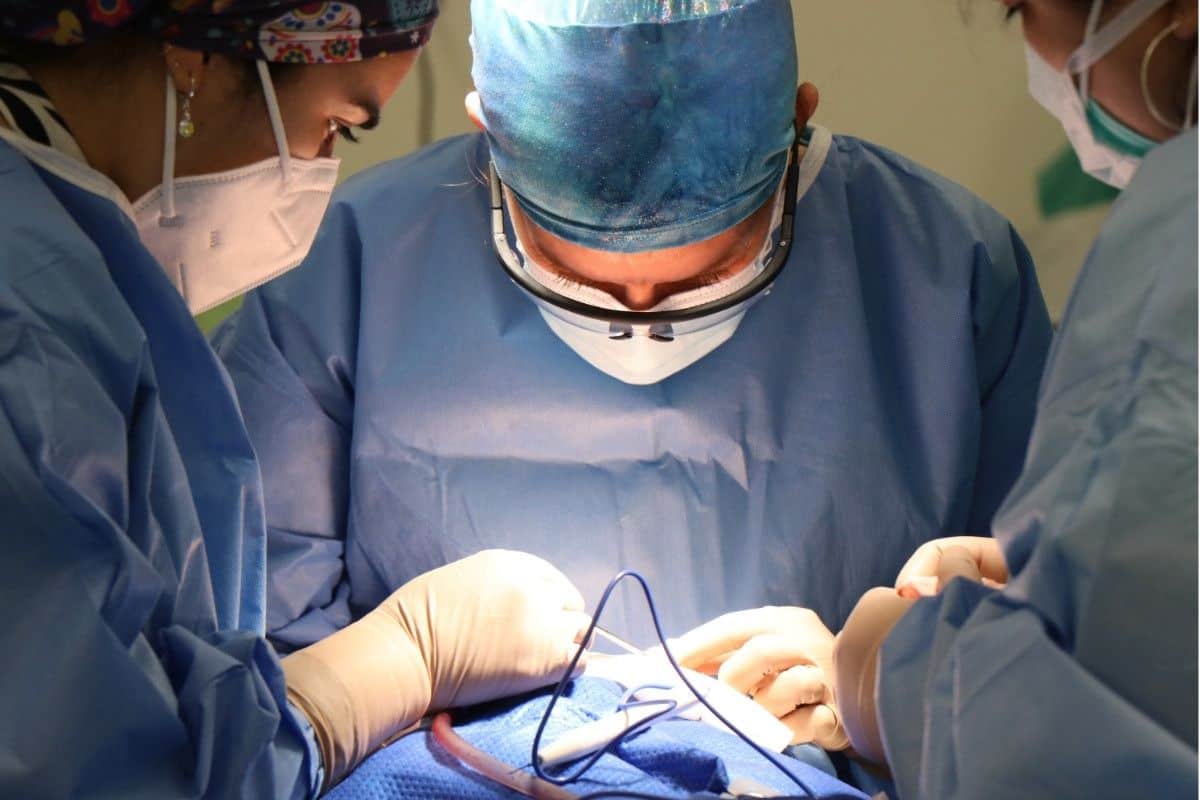
Understanding the scale of potential costs makes the argument for direct billing concrete rather than theoretical. Based on published figures from Bangkok Heart Hospital, Bumrungrad International, and insurers:
- Heart bypass surgery generally runs 680,000 to 850,000 baht, reaching up to 2 million baht at premium facilities.
- Heart valve replacement costs 750,000 to 950,000 baht, while 3D endoscopic repairs can exceed 1.6 million baht
- A total knee replacement generally starts at 350,000 baht.
- ICU care runs 25,000 to 80,000 baht per night.
- A hospitalised dengue fever case, far from rare for long-term residents, costs 100,000 to 500,000 baht.
- A motorbike accident, depending on severity, can run anywhere from 70,000 to 2 million baht.
- International medical evacuation costs anywhere from 1.75 million to 5.25 million baht.
According to Willis Towers Watson, Thailand’s medical inflation reached 15.2% in 2024 against a general CPI of just 0.4%, making healthcare costs rise at roughly 38 times the general rate. A procedure that costs 315,000 baht today will cost approximately 360,000 baht within a year at that trajectory.
The negotiated rate protection that comes with direct billing becomes more financially valuable every year this gap persists.
Plans start from Close Care℠ for Thailand-focused cover through to unlimited Platinum. Explore Cigna Global’s options for expats in Thailand.
Where Cigna’s network covers you in Thailand
Most expats in Thailand live within easy reach of a Cigna Global direct billing hospital. The Bangkok network alone covers five major international facilities (Bumrungrad, Bangkok Hospital, Samitivej Sukhumvit, BNH, and MedPark).
Beyond the capital, Chiang Mai, Phuket, Pattaya, and Koh Samui are all served by direct billing hospitals, meaning the practical coverage gap for most long-term residents is actually smaller than most people may think.
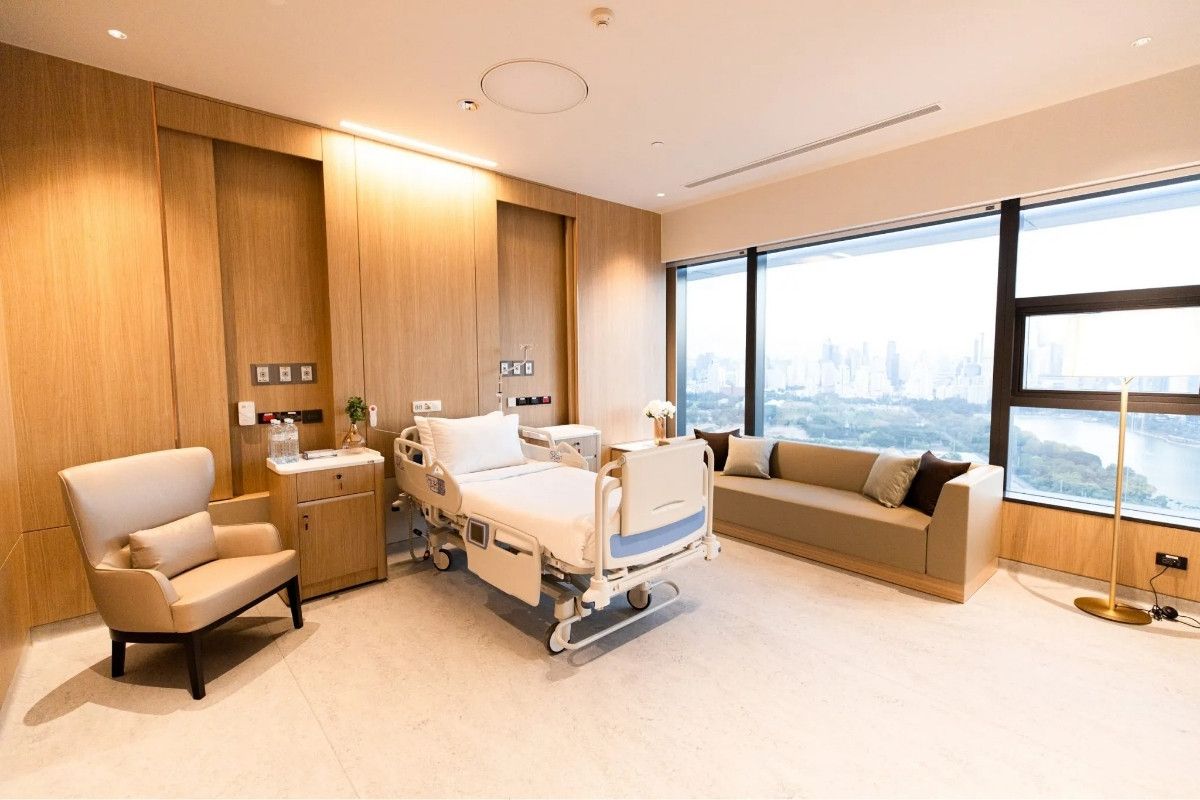
Outside the USA, Cigna Global members have free choice of any doctor or hospital with no reduction in benefits. If direct billing is unavailable at a particular facility, Cigna aims to reimburse within five working days of receiving complete documentation, well ahead of the industry norm of two to four weeks.
One important caveat to note is that public hospitals in Thailand rarely offer direct billing with international insurers.
Cigna Global’s international health insurance plans come in four tiers, including:
- Close Care℠: US$500,000 annual coverage for treatment in Thailand plus your home country. This plan works well for teachers who want strong local coverage and the option to return home for treatment if needed.
- Silver: US$1,000,000 annual maximum covering essential hospital stays and emergency treatment.
- Gold: US$2,000,000 annual maximum, adding cancer screenings, specialist treatments, and more comprehensive outpatient coverage.
- Platinum: US$2,000,000+ with comprehensive coverage including mental health services. This is particularly relevant in Thailand, which has only 1.28 psychiatrists per 100,000 people according to insurance industry data.
Direct billing saves money through negotiated rates, eliminates currency conversion losses, prevents large upfront payment demands, and reduces the risk of claim denials that affect roughly one in five submissions industry-wide.
In a country where medical inflation is running at over 14% annually, and a single cardiac admission can exceed 2 million baht, how a bill gets paid matters as much as whether it gets covered.
Whether you’re new to Thailand or reviewing your existing cover, get a free quote from Cigna Global for direct billing at your nearest hospital.
*The prices listed are based on published 2026 hospital package rates and industry reports (e.g., WTW, Pacific Prime). Actual costs may vary based on individual medical complications, surgeon fees, and specific diagnostic requirements. Package prices often exclude certain pre-operative clearances or post-discharge medications. Always request a formal ‘Letter of Guarantee’ or a detailed cost estimate from your provider prior to elective surgery.
Sponsored
Latest Thailand News























Follow The Thaiger on Google News: