Why Ganesha remains one of Asia’s most enduring cultural figures

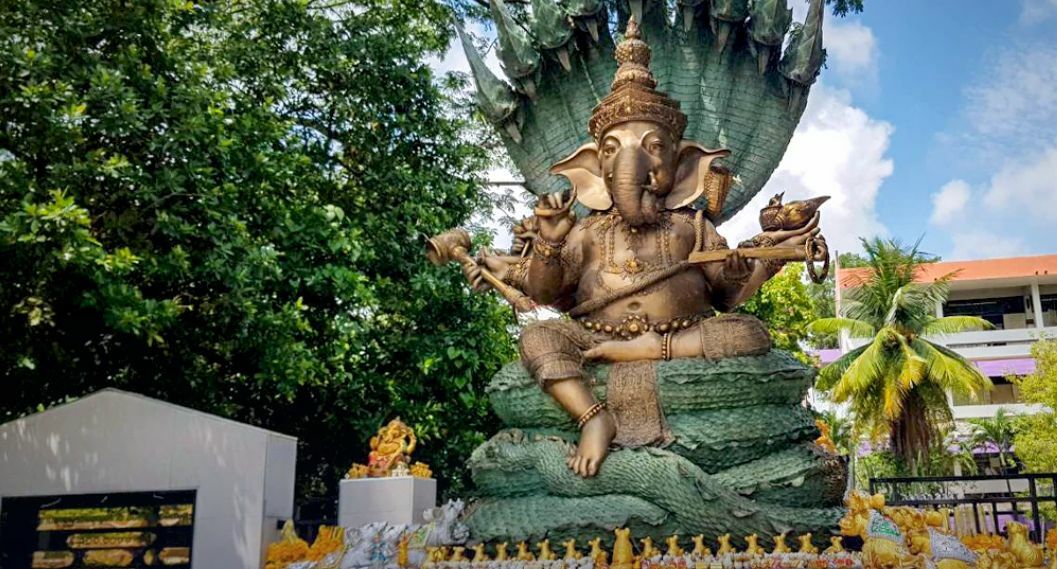
Asia is a massive landmass, home to huge nations like Russia and China and dotted with tiny islands like the Cocos Islands and the Maldives. It’s also home to some of the oldest cultures in the world, stretching back to the earliest human civilisations. And despite this long history, specific images, traditions, and figures have become so familiar that they feel deeply rooted and almost unchanged by time. They pop up in architecture, festivals, and everyday scenarios, and even as societies change, they simply adapt to new settings as they are.
Ganesha is one of the most significant examples of cultural continuity, recognisable even outside of temples and traditional contexts. The figure with the visually famous elephant head, rounded silhouette, and human body has appeared in several countries, including centuries-old temples in India, regional iconography in Sri Lanka and Myanmar, and even public monuments in Thailand.
Ganesha Through History and Culture
Ganesha has roots in Hindu mythology. According to traditional stories, he was created by the goddess Parvati from turmeric paste during her bath, brought to life as her loyal son. When Ganesha was assigned to guard the home and didn’t allow Shiva, Parvati’s husband, to enter, Shiva severed his head. To restore him, the creator god Brahma replaced it with an elephant’s head, giving Ganesha his distinctive appearance.
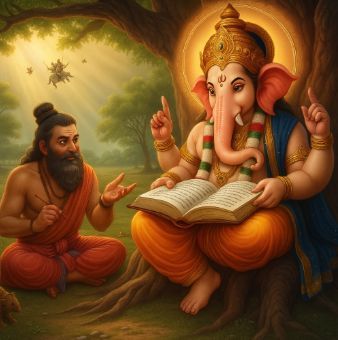
Because of these origin stories, he became a widely recognised cultural figure associated with beginnings, wisdom, and learning. He is frequently described as a remover of obstacles, which reflects cultural values around getting ahead and careful planning. Ganesha is often seen in business, education, and transitional settings as a reminder to make thoughtful decisions before starting a new chapter. Naturally, Ganesha’s image and stories have been an important part of literature, shrines, and art, serving as a vehicle for exploring ideas of reflection and life’s journeys.
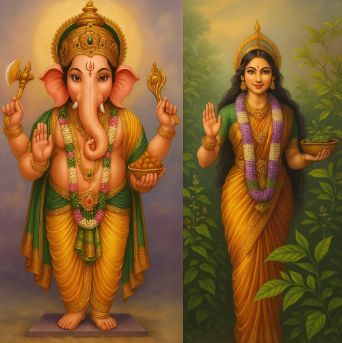
Ganesha’s lasting global appeal and influence can also be attributed to his iconic features. His unusual combination of elephant and human traits makes him instantly identifiable across cultures and time periods. Each part of Ganesha carries meaning, with the broken tusk often interpreted as a symbol of perseverance and his large ears suggesting attentiveness. These visual traits are memorable and sometimes even startling, reinforcing his status as a cultural icon.
Ganesha’s Influence Outside India
Although Ganesha has centuries of history in India, his influence has spread beyond the country’s borders, thanks in part to cultural exchange and shared values.

In Thai Culture (Phra Phikanet)
People in Thailand know Ganesha as Phra Phikanet, and it’s common to find shrines and statues of him across the country, including at the shopping plaza Central World in Bangkok. In the country, he represents a blend of Hindu and Buddhist traditions and values, appearing in public spaces without always implying worship like in India. Thai designers and artists also use his image in creative contexts, whether as decorative motifs or in contemporary paintings. They tend to highlight his symbolic association with beginnings and good fortune, rather than home in on devotional practices.
In Hindu-Buddhist Symbolism Across Southeast Asia
But Thailand is far from the only place you’ll spot Ganesha’s imagery. Travel through other parts of Southeast Asia, such as Cambodia and Indonesia, and you may see him depicted in classical temple reliefs and local art. Ganesha travelled along trade routes and with the movement of artisans and texts, so that as his image reached new places, motifs were created to complement local beliefs and practices. Over time, the adoption and adaptation of Indian motifs in Buddhist frameworks built a lasting cross-cultural connection. In a sense, Ganesha also represents how the exchange of knowledge and values has linked societies across regions.
The Evolution of Ganesha
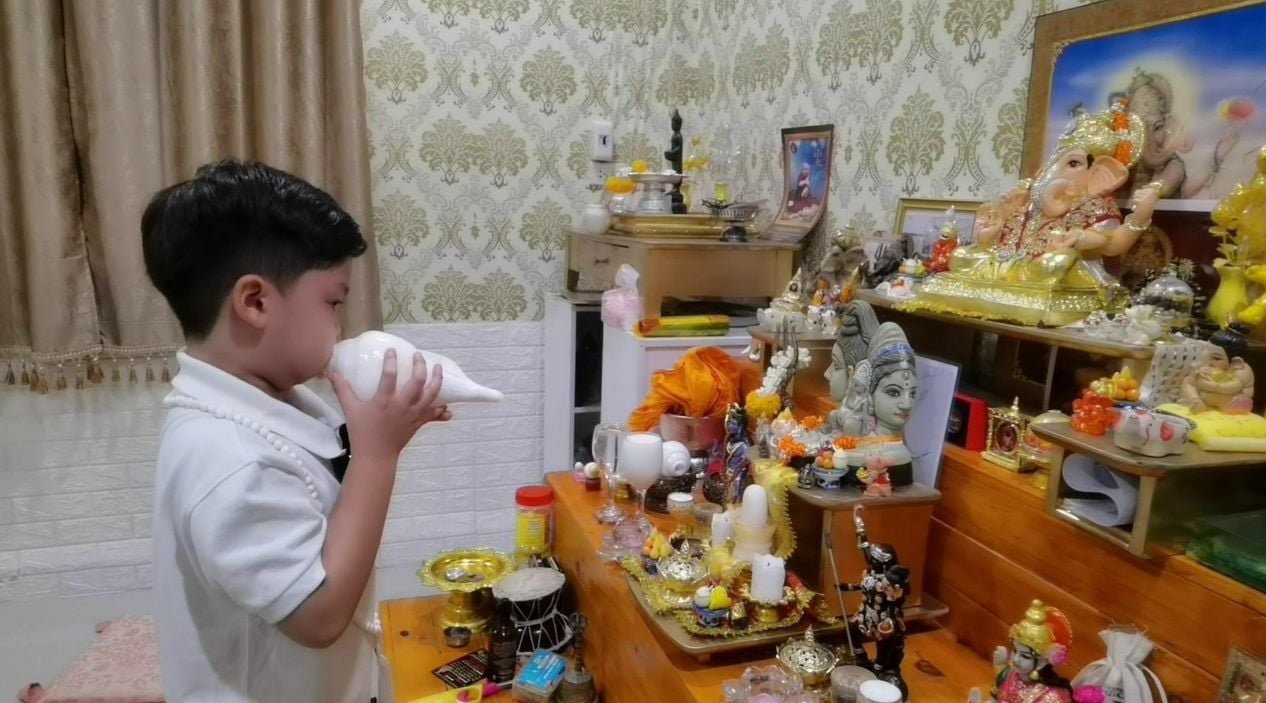
Historically, Ganesha’s early stories are religious in context, but his image and symbolism quickly became cultural, extending beyond strictly religious settings. Modern artists reinterpret Ganesha in street art and contemporary works, using his form as a visual motif. With positive associations and a bold appearance, it’s an appealing choice for cultural storytelling.
Cultural festivals may include him in processions or decorations, presenting him as a figure associated with inspiration and growth. Meanwhile, classrooms and novels might portray Ganesha in more playful or educational roles, making him relatable and interesting to children as a figure of curiosity.
Because he is so versatile in form, Ganesha serves as a brilliant cultural icon that inspires and connects people from all walks of life. His image conveys commonly cherished qualities of creativity and process, and his traditional associations make him a great fit for art and design. Unlike Buddha statues, sacred images of bodhisattvas, or saint icons in the West, Ganesha has evolved into a figure appreciated for visual interest and cultural continuity.
How Ganesha Appears in Digital and Creative Spaces
Ganesha continues to inspire creativity, even in modern digital spaces. The animated feature Bal Ganesh effectively packaged Ganesha’s stories into a family-friendly format, focusing on fun adventures that feature classic story elements such as battling against evil and protecting the world. In the video game Uncharted: A Lost Legacy, the Tusk of Ganesh is a mystical artefact that represents dominance and power and is integral to the storyline.
In the game SMITE, the character modelled after Ganesha boasts abilities such as “Good Fortune,” “Turn of Fate,” “Remove Obstacles,” and “Dharmic Pillars.” All of these abilities allude to the traditional qualities and symbolism associated with Ganesha, translating them into a gameplay context for entertainment. Back in the days of the GameCube, Bloody Roar: Primal Fury featured an elephant warrior named Ganesha, who served as a powerful bodyguard—a nod to the original story.
Meanwhile, iGaming offerings like the Ganesha Fortune slot and Ganesha Gold slot games draw on visual elements inspired by traditional imagery like elephant-head symbols, lotuses, and temple aesthetics. Rather than simply being reused, these ancient symbols are reinterpreted in new media, so their abstract cultural meanings can resonate with younger and more diverse audiences.
The Lasting Appeal of Ganesha’s Symbolism
Because the qualities Ganesha represents are so universally relevant, people can easily relate to him in everyday life. The impact of cultural figures like Ganesha persists because they’re adaptable to new contexts and stay relevant in old ones. His image can evolve while keeping core symbolism, like the broken tusk and elephant head, intact. We’ve seen Ganesha in animated films, video games, digital design, and physical artworks, allowing him to stay meaningful to new generations while sparking curiosity about his historical and cultural roots.
Ganesha has typically been respectfully reinterpreted. With his ties to mythology and religion (in some cases), people tend to exercise great care and respect, highlighting cultural and symbolic meaning above all. That way, these modern adaptations don’t diminish his historical resonance or cultural significance. People still look for inspiration to navigate the inevitable obstacles of life, and Ganesha is the perfect visual shorthand for these ideas.
Celebrating Ganesha in Tradition and Today
Ganesha’s enduring presence is thanks to generations of storytellers, designers, artists, and communities who deliberately adapt, celebrate, and reinforce his image. Actively choosing to include him in festivals, literature, public art, temples, and creative media has ensured his symbolism remains alive. His versatility means he can be used as a tool for cultural education, bridge the past and present, and adapt to universal human experiences. Because of globalisation and technology, his visibility has gone far beyond Southeast Asia.
When cultural figures are preserved and respected while adapting to the times, their stories and symbolism continue to resonate long after they first appeared.
Latest Thailand News

























Follow The Thaiger on Google News: