Why the gold price surging past 4,700 USD is both a blessing and a headache for Thailand’s central bank

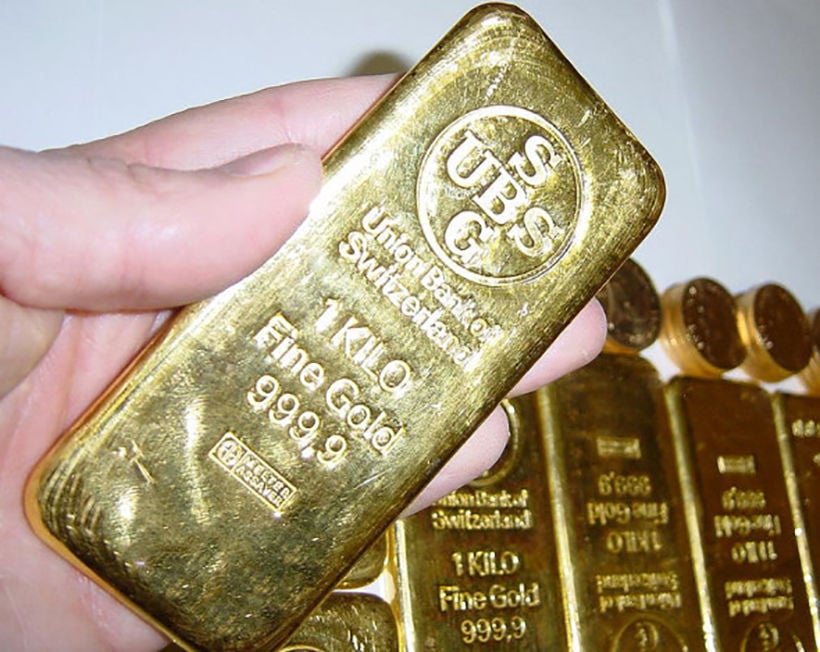
Thailand has always had a deep relationship with gold. It is savings, family wealth, emergency money, and a trusted asset when markets feel unstable. But in 2026, gold has become more than a household favourite. It has turned into a serious currency issue for the Bank of Thailand.
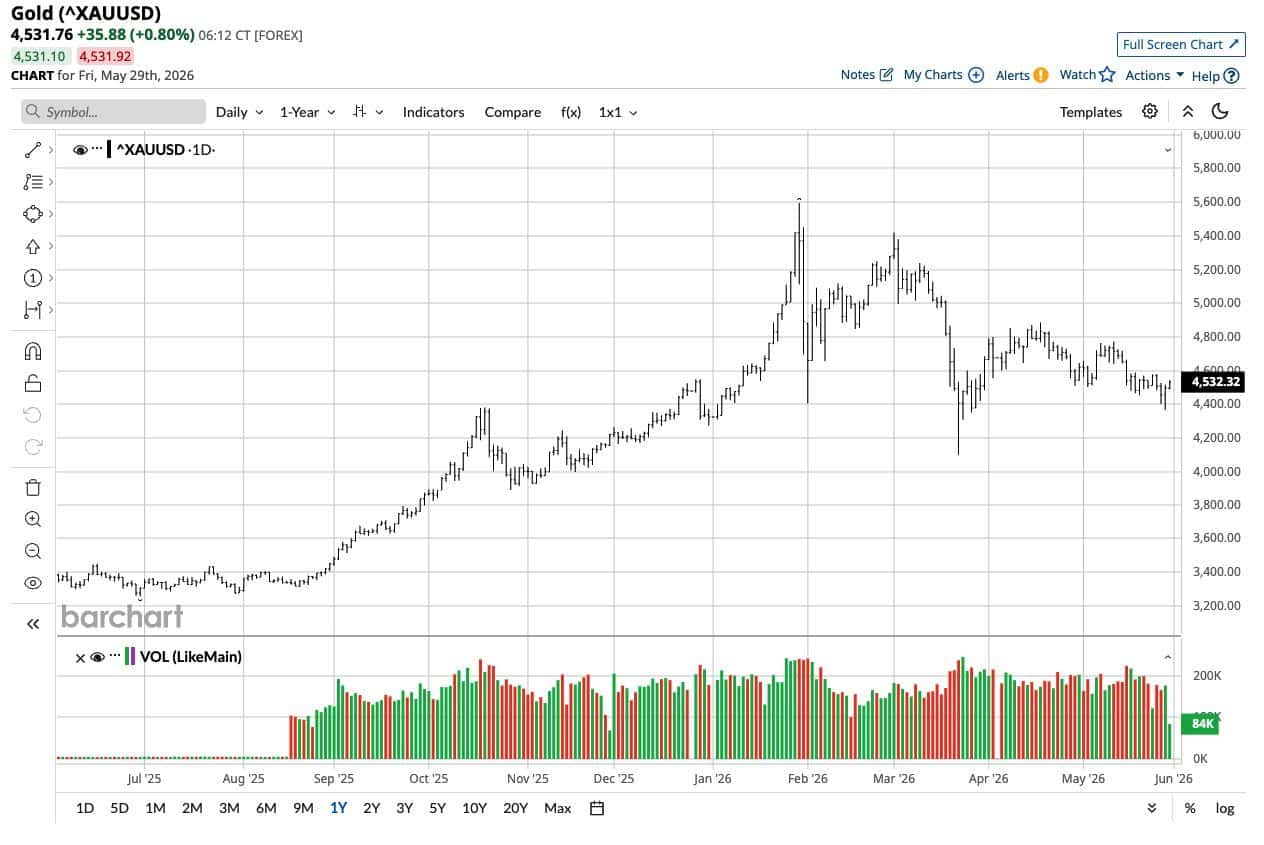
The gold price surging past 4,700 USD is a blessing because it strengthens the value of Thai gold holdings and attracts investors looking for safety. Reuters reported that gold later surged to record levels above 5,100 USD in January 2026 as global uncertainty pushed investors toward safe-haven assets. For Thai savers, that kind of rally feels powerful. For the central bank, it creates a much more complicated problem.
The headache comes from how gold trading interacts with the baht. When Thai traders buy and sell large amounts of gold online, those transactions can create heavy foreign exchange flows. That can push the baht around in ways that do not always match Thailand’s economic fundamentals.
Why Gold Is A Blessing For Thai Investors
Gold’s rally has given Thai investors something familiar to trust during a noisy market year. Stocks can feel uncertain, tourism data can disappoint, and the baht can move sharply against the dollar. Gold, by contrast, feels simple and tangible.
For many households in Bangkok, Chiang Mai, and Hat Yai, gold is not viewed as a risky financial product. It is something people understand. They buy it, hold it, sell it when needed, and pass it through families. When global prices rise sharply, that old habit suddenly looks smart again.
This is the blessed side of the story. Higher gold prices can improve household confidence, support wealth preservation, and give Thai savers an asset that feels stronger than cash during uncertain times.



Why It Becomes A Currency Headache
The same gold rally that helps savers can also create stress for the Bank of Thailand. Gold is priced globally in US dollars, but Thai traders often settle locally in baht. Large online transactions can therefore create major dollar and baht flows.
Reuters reported that the Bank of Thailand introduced rules including a daily online gold trading cap of 50 million baht per person per platform, after gold traders were found to be responsible for a significant share of foreign exchange transactions during periods of baht appreciation.
That explains the problem clearly. When gold trading becomes too large, it can start influencing the currency. For a central bank trying to keep the baht stable, that is not just market activity. It is a policy challenge.
The Baht Is At The Centre Of The Problem
Thailand’s economy depends heavily on exports and tourism. A baht that strengthens too quickly can make Thai goods more expensive overseas and reduce the competitiveness of tourism services. That is why the central bank watches sudden baht moves closely.
Reuters reported that Thailand planned gold trade caps to curb baht gains after the currency rose sharply in 2025 and continued appreciating in early 2026. The central bank linked part of that rise to gold trading and foreign fund inflows.
For Thai traders, this means gold is no longer just a price chart. It is connected to the baht, exports, tourism, and central bank policy. The market has become bigger than the metal itself.
Why Online Gold Trading Is Getting More Attention
Online gold platforms have made trading faster and easier. That convenience is useful for investors, but it also means large flows can move quickly. When many traders act at once, the effect on currency markets can become stronger.
Reuters also reported that large Thai gold traders with average annual transactions of at least 10 billion baht over the past five years must report activities and keep transaction records for at least three years. That shows the Bank of Thailand wants better visibility over gold-linked currency flows.
This does not mean Thailand is turning against gold. It means the authorities want to slow the market down enough to understand and manage its impact. Think of it like traffic control on a busy Bangkok road. The road stays open, but speed matters.

The gold price surging past 4,700 USD is both a blessing and a headache for Thailand’s central bank because it helps savers while complicating currency management. Thai households benefit from stronger gold values, but large online gold flows can push the baht in ways that affect exports, tourism, and market stability.
For Thai traders, the message is simple. Gold remains one of the country’s most trusted assets, but it is now part of a much bigger macro story. In 2026, trading gold in Thailand means watching not only bullion prices but also the baht, central bank rules, dollar flows, and the wider economic impact of every major move.
Latest Thailand News

























Follow The Thaiger on Google News: