Why Thai travellers keep queuing for Singapore’s Hainanese chicken rice
Why a familiar dish tastes so different in Singapore, even for people from Thailand

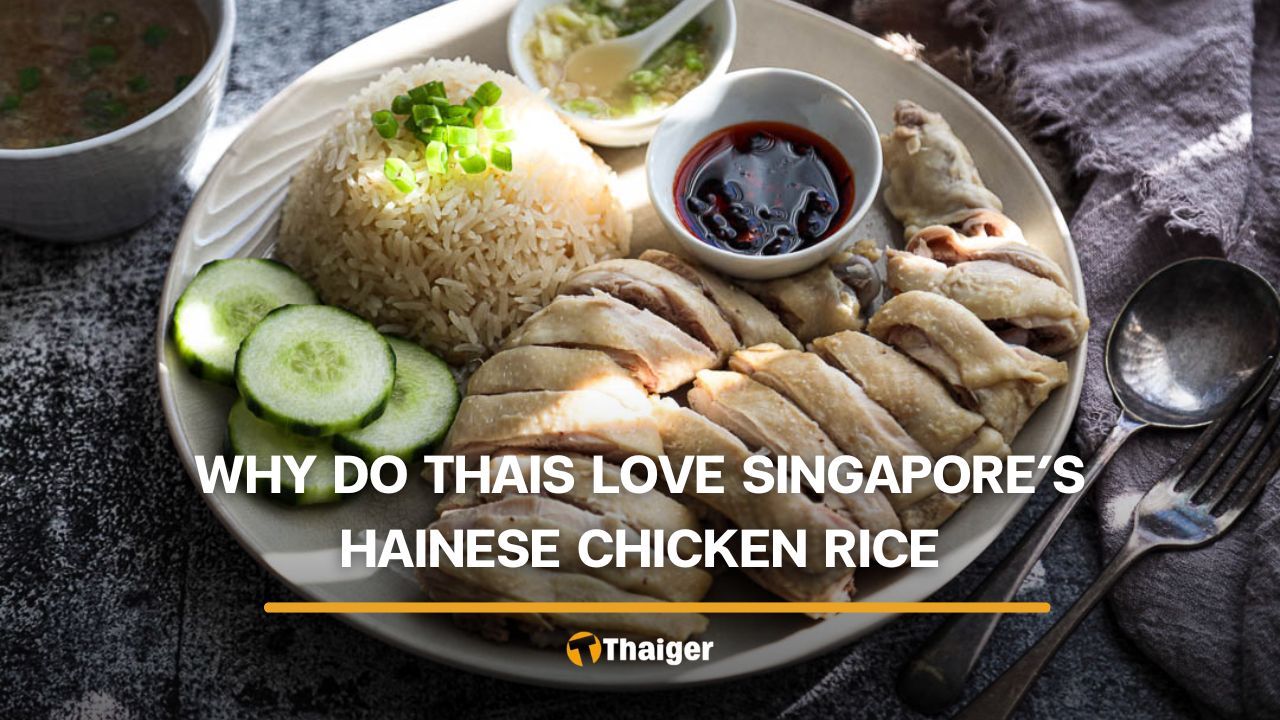
Chicken rice is sold on almost every street corner in Thailand for under 70 baht. You can find it from morning until midnight. So why is it that every time Thai people travel to Singapore, chicken rice ends up on the first list of must-eat dishes, to the point where some say you have not really reached the Merlion land if you have not tried it? Some famous stalls even require people to queue for more than an hour for a single plate.
The answer is not just branding, but it also comes down to ingredients and technique.
On this page
| Section (Click to jump) | Short summary |
|---|---|
| Where did Singapore chicken rice come from, and why did a Chinese dish become a national symbol? | Singapore chicken rice originated from Hainanese migrants and became a national symbol through its multicultural appeal and everyday presence. |
| How is the original recipe different from the Singapore version, and what makes it unique? | The Singapore version adapts the original Hainan dish with local ingredients, richer rice, firmer chicken, and a signature three-sauce system. |
| From street carts to hawker centres | Chicken rice evolved from street food into a staple of Singapore’s hawker centres, helping preserve its accessibility and cultural identity. |
| Why did chicken rice become a “national dish” when it does not belong to every ethnic group? | It became a national dish because it is widely shared across communities and reflects Singapore’s multicultural daily life. |
| Recommended famous shops for delicious Hainanese chicken rice in Singapore | Well-known spots like Tian Tian, Ah Tai, and Boon Tong Kee offer reliable flavours, ranging from hawker stalls to sit-down dining. |
| Is Singapore Hainanese chicken rice available in Thailand? | Singapore-style chicken rice is available in Thailand, though differences in ingredients and atmosphere mean it rarely matches the original experience. |
Where did Singapore chicken rice come from, and why did a Chinese dish become a national symbol?
If there is one country in the world that can truly call itself a multicultural nation, Singapore is one of them. Its population includes Chinese, Malays, Indians and dozens of other ethnic groups living together.
But if you ask what Singapore’s national dish is, the answer is very often chicken rice. This dish was passed down by a small Chinese community that migrated from a small island south of China more than 150 years ago.
Hainan, the original home of the flavour
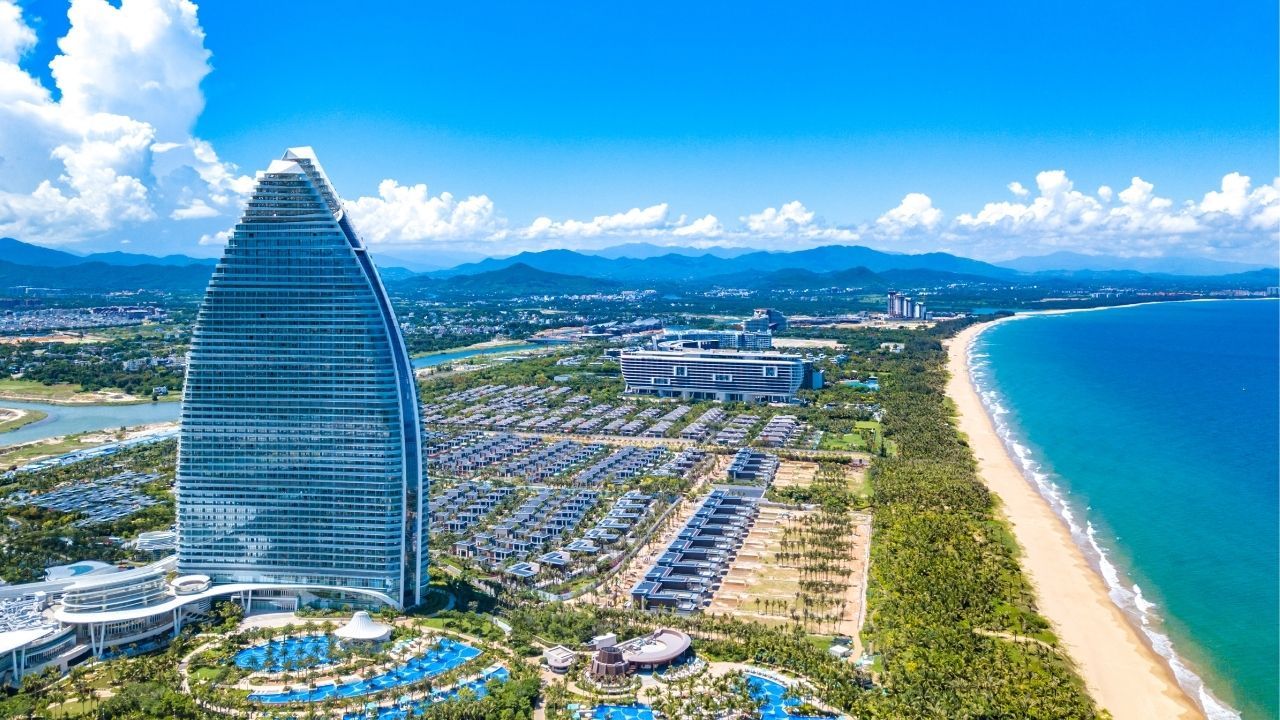
Singapore chicken rice carries its origin in its formal name: Hainanese chicken rice. Hainan is China’s southernmost island province, located in the Gulf of Tonkin, some distance south of Hong Kong.
Hainanese people have a long history of migration. In the late 19th and early 20th centuries, many travelled south along British trade routes, and many settled in Singapore as the port city was growing rapidly.

They brought everything with them, including home recipes passed down for generations. One of them was a dish of chicken poached in carefully prepared stock, served with rice cooked in the same fat and broth.
How is the original recipe different from the Singapore version, and what makes it unique?
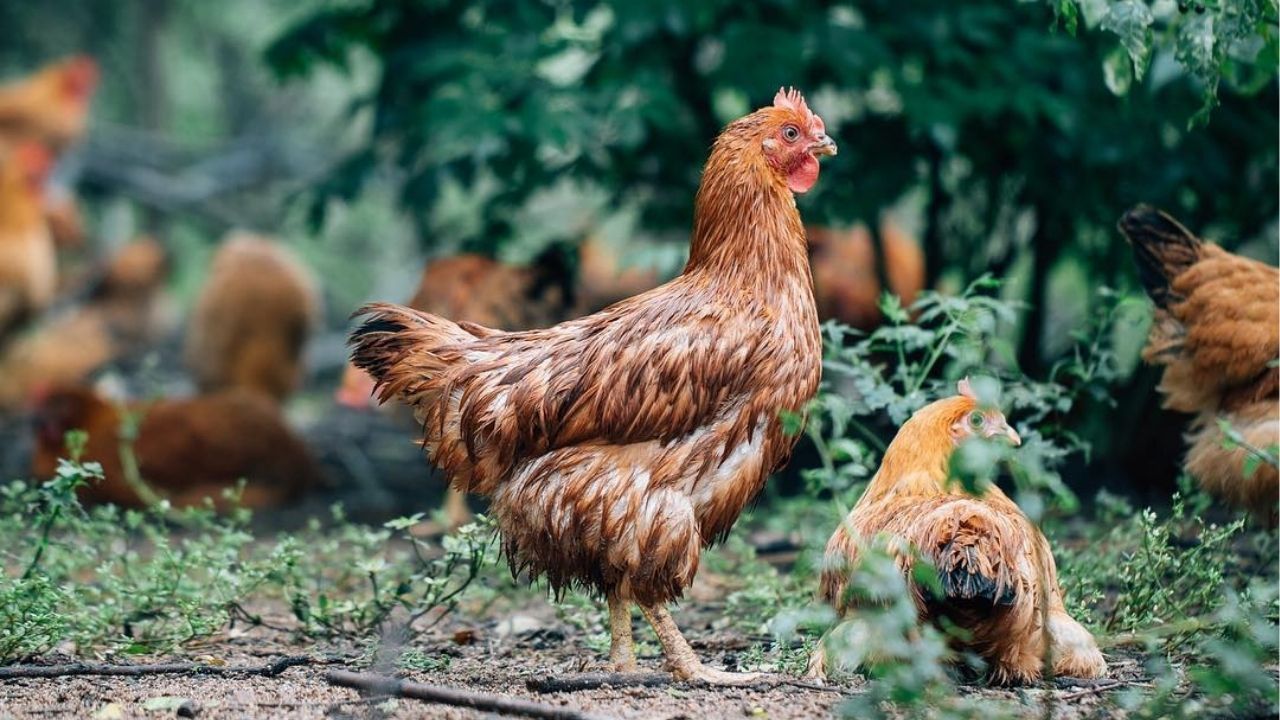
The original Hainan recipe is known as Wenchang chicken, from Wenchang city, which is famous for a special breed of chicken raised on coconut and grains, giving the meat its own distinct flavour.
When Hainanese migrants brought the recipe to Singapore, they immediately faced one problem: Wenchang chicken was not available. So they adapted the dish using local Southeast Asian chickens found in the market, and adjusted the seasonings to suit the ingredients they had.
Over time, that adaptation developed its own identity, because Singapore had ginger, garlic and fragrant herbs that gave the dish a different flavour profile.
So the Singapore version is not simply a copy of Hainanese chicken rice. It is a new dish born from a blend of its place of origin and its new home.
1. The chicken is smaller, firmer, and a different breed
Traditional Singapore chicken rice shops use kampong chicken, a free-range native chicken common in Southeast Asia. It is much smaller than a regular meat chicken, weighing only around 1 to 1.5 kilogrammes, but the meat is firmer, more muscular, and far more flavourful.
Most Thai chicken rice shops use industrial broiler chickens raised for fast growth. The meat is softer, the portions are larger, and the cost is lower, but the flavour of the meat itself is much lighter.
2. Every grain of rice is coated in broth and fat
Singaporean rice is cooked in long-simmered chicken broth mixed with chicken fat, chopped ginger and fried garlic, so each grain absorbs flavour and fat from the chicken. The result is rice that is fragrant, rich and flavourful on its own, even before any sauce is added.
Thai chicken rice is also usually cooked with chicken fat and garlic, but the ratios and method are different. Many Thai shops use plain water mixed with a smaller amount of broth, making the rice lighter and milder in taste.
3. Three sauces, not one
Singapore chicken rice is always served with three sauces. The first is a bright red chilli-ginger sauce, spicy from fresh chillies with a clear ginger kick, and usually the strongest flavour booster.
The second is thick, sweet dark soy sauce, with a sweet-salty taste, poured directly over the chicken to give it colour and add the aroma of fermented soy.
The last is minced ginger in oil, often mixed with spring onion or coriander, which helps cut through the richness and adds freshness.
This means you can adjust every bite. Some bites are dipped only in chilli, some get soy sauce, and some have extra ginger. One plate can therefore offer much more variety in flavour.
Most Thai chicken rice comes with only one chilli-ginger dipping sauce. Some shops may have their own extra options, such as mala-style sauce, but the Singapore system of three sauces is still uncommon.
4. Temperature, the difference people often overlook
Singapore serves its chicken warmer than Thailand does. It sounds like a small detail, but it clearly affects the texture. Chicken that is still warm stays juicier because the liquid in the muscle has not fully tightened up, so it feels softer and moister when chewed compared with chicken that has been chilled and then sliced for serving.
Some Thai chicken rice shops soak the chicken in ice water after boiling to make the skin firmer. That creates a different texture. It is not worse, just a different style.
5. The soup, the thing that shows whether the shop really makes it properly
A good Singapore chicken rice meal comes with a clear soup simmered all day from chicken bones and meat. The broth tastes clean and rounded, often with Chinese cabbage or cucumber in it. This bowl of soup is not just a free extra. It is an important part of the meal, just as important as the rice and the chicken.
From street carts to hawker centres
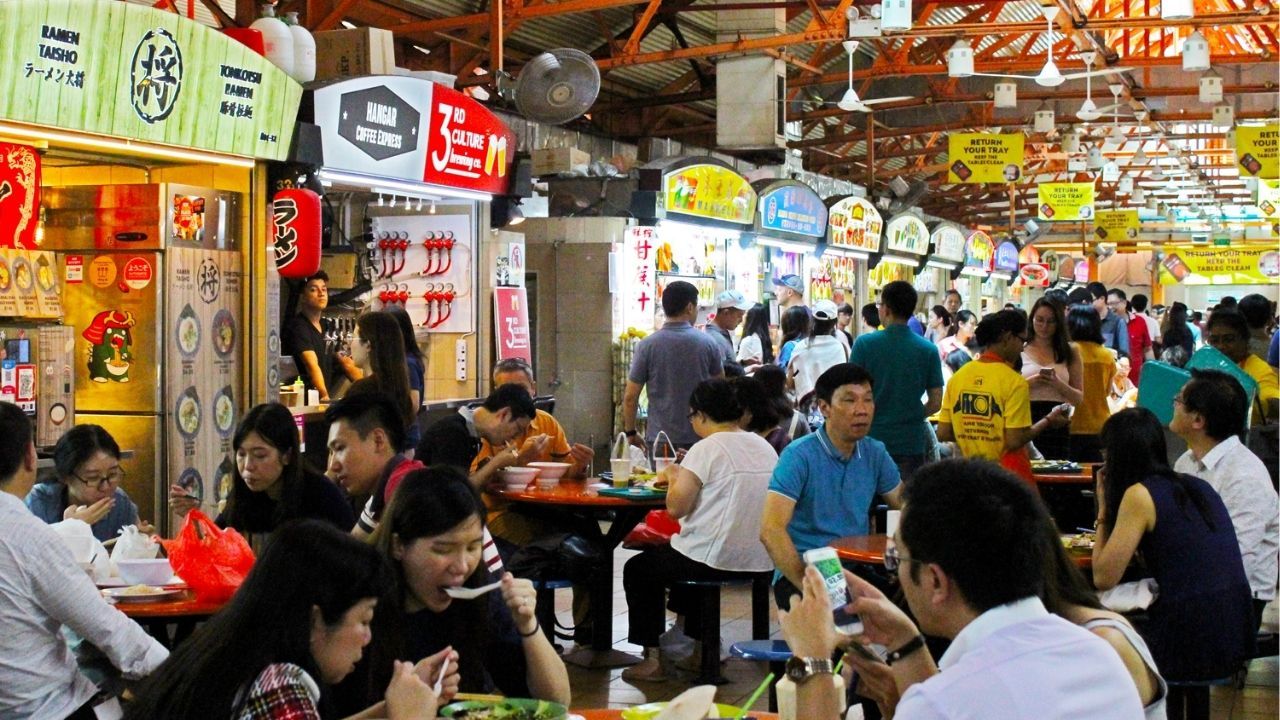
In the early days, chicken rice was not sold in restaurants. It was sold from pushcarts on the streets. Hainanese vendors pushed carts around different neighbourhoods, selling to labourers, dock workers and ordinary residents at prices working people could afford.
When the Singapore government under Lee Kuan Yew introduced policies to regulate street hawkers in the 1970s, vendors were moved into hawker centres, public food courts that later became one of Singapore’s defining symbols.
That move did not weaken chicken rice. It actually helped preserve it in a form that remained accessible, sustainable and easier to pass down from generation to generation.
Why did chicken rice become a “national dish” when it does not belong to every ethnic group?
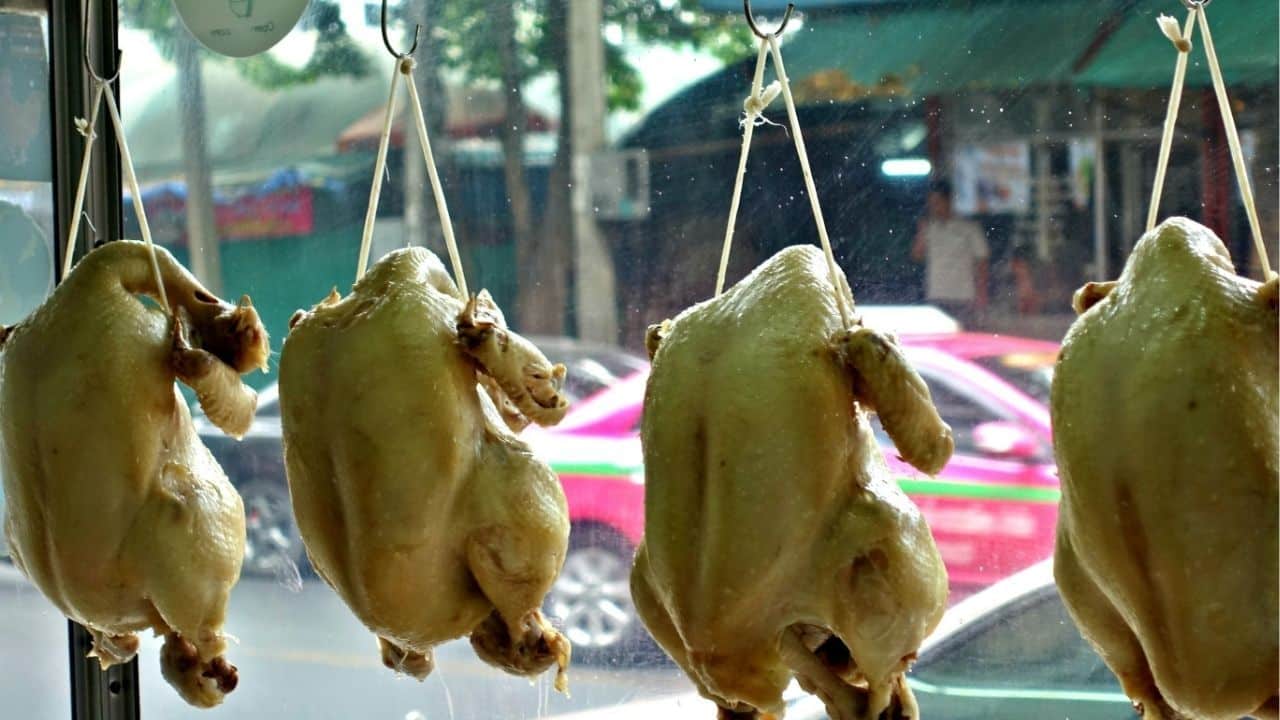
This is an interesting question, because Singapore has large Malay and Indian communities, and chicken rice does not come from their own cultural histories.
Part of the answer is that chicken rice became a dish that crossed ethnic boundaries because it was eaten in hawker centres, where everyone went, whether Chinese, Malay or Indian. Hawker centres themselves were created as shared public spaces where everyone gathered, and the food there gradually became something shared by all.
Chicken rice became a symbol not because it represented one particular culture, but because it became something everyone ate, every day, and remembered eating since childhood.
From hawkers to Michelin recognition
In 2016, UNESCO recognised Singapore’s hawker culture. In the same year, Tian Tian Chicken Rice at Maxwell Food Centre received recognition from the Michelin Guide as a good-value establishment, which in Michelin terms means food priced at only a few dollars but prepared to a standard worth talking about.
Gordon Ramsay once queued at Tian Tian and spoke positively about the dish. That image spread around the world and helped make Singapore chicken rice even more internationally known.
Recommended famous shops for delicious Hainanese chicken rice in Singapore
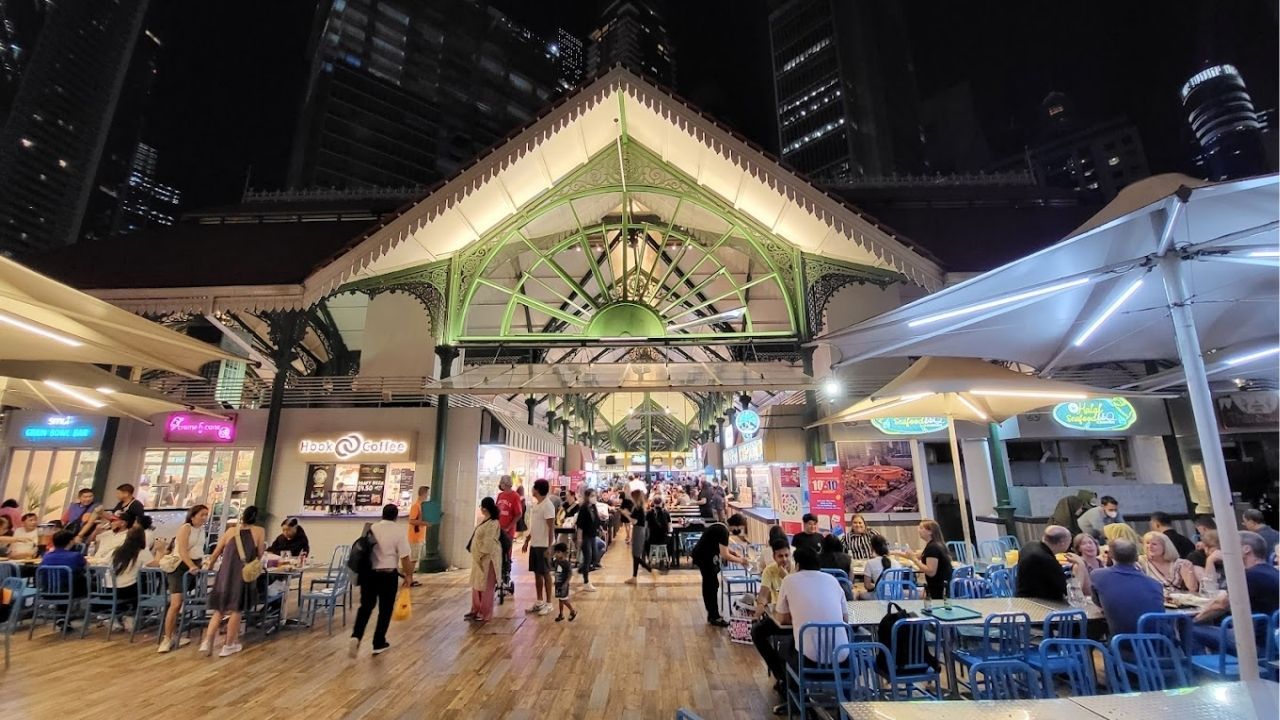
1. Tian Tian Chicken Rice at Maxwell Food Centre
This is the most talked-about stall and the one recognised by the Michelin Guide. It is located at Maxwell Food Centre near Chinatown. The rice is fragrant, the chicken is juicy, and the chilli sauce is intense. Prices are around SGD 5 to 6 per plate, or roughly 130 to 160 baht.
The queue is very long at lunchtime, especially from 11.30am to 1.30pm. During Songkran, it gets even more crowded. It is best to come before 11am or after 2pm. Most hawker centres stay open until late afternoon if the food has not sold out, and afternoon queues are far shorter than lunch queues.
2. Ah Tai Hainanese Chicken Rice at Maxwell Food Centre
This stall is in the same Maxwell Food Centre, only a few steps from Tian Tian. The owner is a former Tian Tian cook who branched out on his own. The taste is very similar, but the queue is shorter because it is less famous with tourists, even though locals know it well. Prices are similar, around SGD 5 to 6. It is a good choice for people who want something close to Tian Tian quality without waiting as long.
3. Boon Tong Kee with several branches
This is a sit-down restaurant with air conditioning, and it already has several branches in Bangkok, though the original comes from Singapore. The flavour is consistent, the service is better than at a hawker stall, and queues are shorter because it can handle more customers. Prices are a bit higher, around SGD 8 to 12 per plate, or roughly 210 to 315 baht, though it is still reasonable for a meal. It suits families with children or people who want cool air and a more comfortable setting.
Is Singapore’s Hainanese chicken rice available in Thailand?
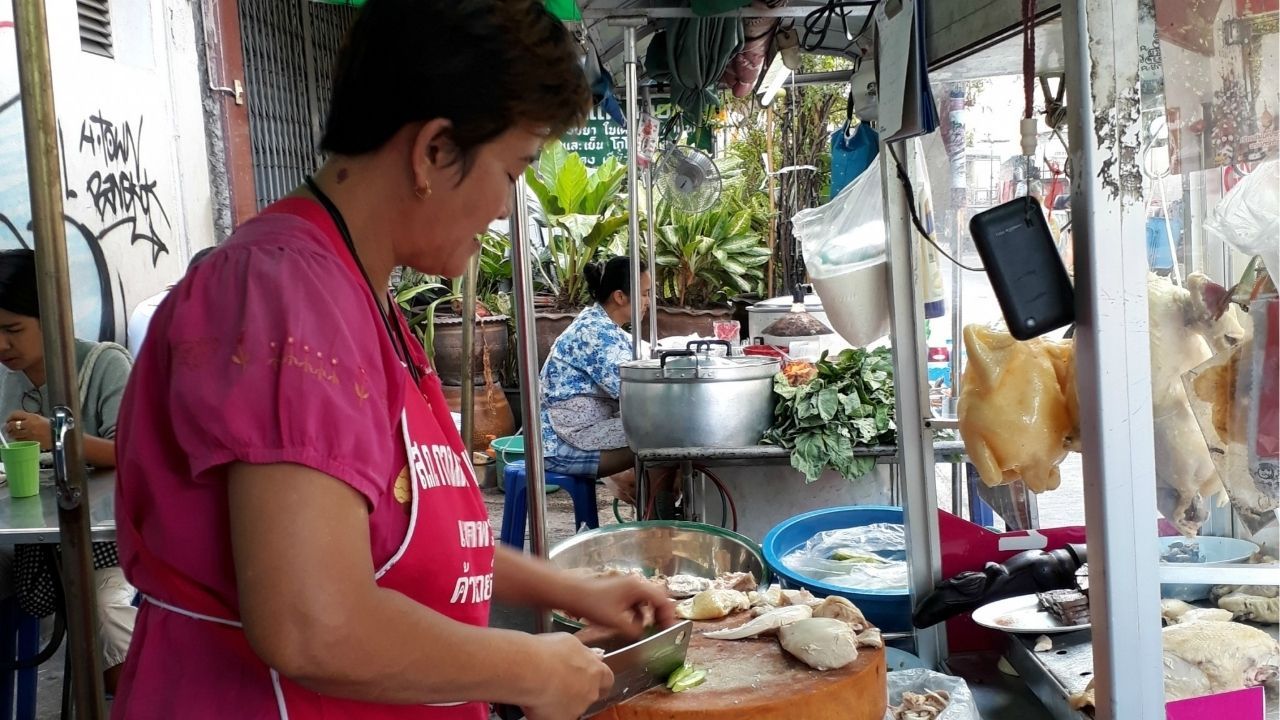
Of course. These days, more and more shops serving this style of chicken rice are opening in Thailand.
In Bangkok, several places genuinely try to make Singapore-style chicken rice, using free-range chicken, cooking the rice properly with chicken fat, and serving the three sauces, and the flavour can come quite close.
But if you ask whether it tastes exactly like the original in Singapore, the honest answer is no. Part of that comes down to different ingredients. Another part is that the experience of eating it in a decades-old hawker centre has an atmosphere that cannot really be recreated.
But if you simply want to know how the flavour differs without buying a plane ticket, look for a place that serves all three sauces together. That is the first sign the shop is doing it properly.
Latest Thailand News
























Follow The Thaiger on Google News: