How to secure your Muay Thai DTV visa without the risk

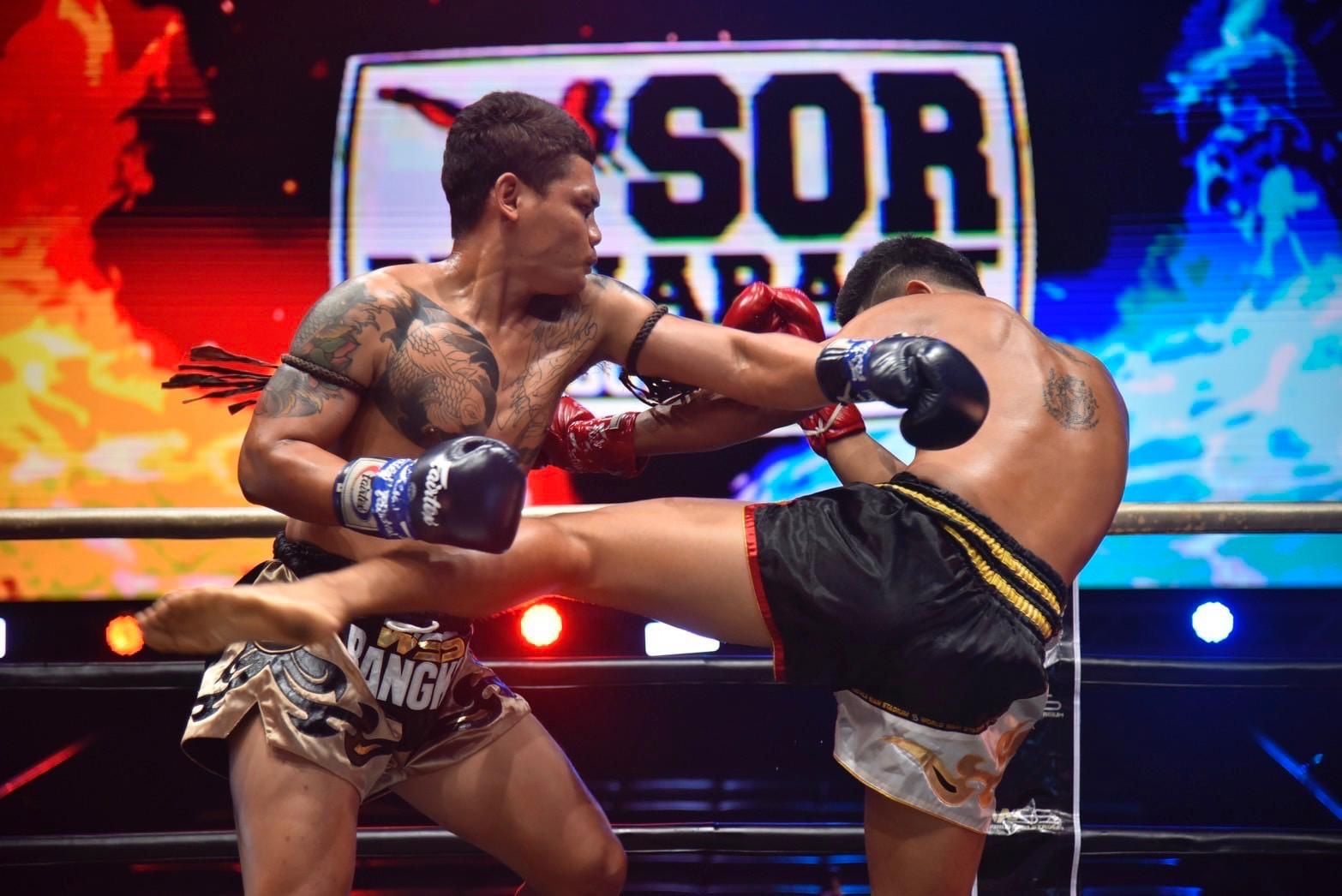
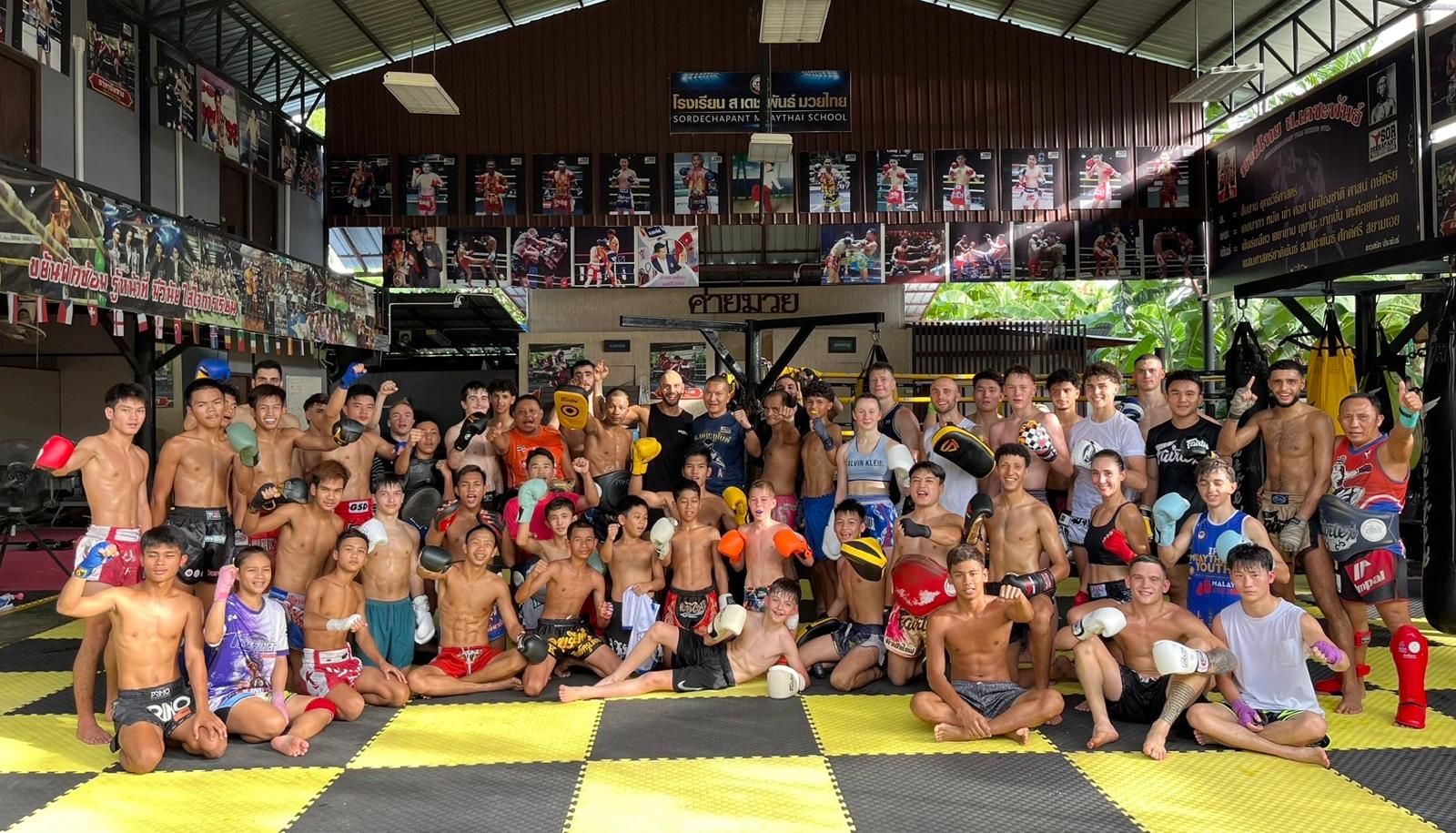
A note to readers: This is commentary from Muay Thai Visa Thailand (MTVT), which provides enrollment in Muay Thai training and documentation support for the Muay Thai DTV visa and Muay Thai ED visa for international trainees. They earn revenue when clients purchase Muay Thai training and documentation services connected to visa applications. MTVT operates through Sor.Dechapant Muay Thai School, a Ministry of Education-licensed school in Bangkok, License No. สช.กร. 00025/2568.
They are not neutral observers. They are participants in the training-tourism economy. That also means they see recurring patterns in how long-stay trainees plan, enrol, and prepare documentation for DTV submissions, including what commonly triggers consular follow-ups or refusals.
Limitations of this piece: What follows reflects patterns visible from their operational position: training enrollment and documentation support for foreign trainees, primarily based in Bangkok. They have not conducted independent market research or formally surveyed applicants across all embassies. Treat this as an informed operator’s view, not comprehensive reporting.
The shift from ‘gold rush’ to verification
The Destination Thailand Visa (DTV) soft power pathway has stabilised. What was once a relatively new option has now processed thousands of applications worldwide, and with that volume has come a natural tightening of verification standards.
As Muay Thai training establishes itself as a recognised “Thai soft power-related activity” within the DTV framework, the application standard has evolved. It’s no longer sufficient to simply state “I want to train Muay Thai.” Applicants must now prove the legitimacy of their training provider through specific documentation that demonstrates program structure and institutional credibility.
For remote workers planning long stays and international visa agents managing client portfolios, the goal isn’t just submission; it’s submitting a “clean file” that passes embassy scrutiny without triggering requests for additional documents or creating delays.


Here’s what compliant, verifiable documentation actually looks like in 2026.
The documentation failure pattern that is seen most often

In their experience supporting DTV applications through the Muay Thai soft power route, the most common failure mode is rarely about the applicant’s qualifications. It’s that the supporting documentation fails to convincingly demonstrate a structured program offered by a credible provider.
Many Thai embassies and consulates listed on the Thai e-Visa portal require a “letter of acceptance from the responsible authority” for soft power activities. This is where many applications encounter problems. If that letter comes from a provider with no Ministry footprint, no verifiable physical location, or inconsistent business registration, it raises questions that slow or stop the approval process.
What “audit-proof” documentation contains
A clean file is bureaucratic and precise. To ensure your application stands on firm ground, your supporting documents should contain:
Ministry of Education verification: A valid Private School license number (such as License No. สช.กร. 00025/2568) clearly visible on official letterhead. This allows consular officers to verify the provider’s legal status.
Authorised accountability: A company affidavit or acceptance letter signed by the registered director, matching the ID documentation provided in the application pack, not a generic staff signature.
Location certainty: A clear, verifiable address with a publicly available footprint and matching registration details.
Program structure: Documentation that describes a defined training curriculum rather than vague “gym membership” language.
They don’t “fix” visas. They operate a professional Muay Thai school (Sor.Dechapant) that produces fighters for ONE Championship and Rajadamnern Stadium. Because their facility functions as a registered educational institution, their paperwork naturally meets the embassy’s standard for verifiable soft power participation.
The DTV mechanics: What you actually receive
Let’s establish the facts of DTV permissions as defined by official consular regulations:
Validity: 5 years, multiple entries
Stay duration: Each entry grants a 180-day stay stamp
Extension: Current immigration rules allow a one-time extension of 180 days per entry at local immigration offices (bringing a single stay to nearly a year before you need to exit and re-enter)
Financial requirement: Proof of funds of at least 500,000 Thai baht (or foreign currency equivalent) to demonstrate financial stability
These are the documented mechanics. The value proposition for remote workers is straightforward: you stop planning your life around 30 to 60-day tourist stamps and border-run logistics.
The infrastructure question: Why Thailand for long stays

For digital nomads, the DTV isn’t just about training; it’s about accessing reliable infrastructure while maintaining legal long-stay status.
Many remote workers compare the DTV investment against the “tourist visa run” approach. But when you examine Thailand’s current infrastructure benchmarks, the country has evolved well beyond its “holiday destination” reputation:
Connectivity: As of February 2025, Speedtest Global Index data ranked Thailand 13th globally for fixed broadband speeds (averaging approximately 237 Mbps), outperforming many Western nations. 5G coverage in Bangkok and the Eastern Economic Corridor was reported at approximately 99% in early 2025.
Healthcare value: Numbeo’s Health Care Index 2026 ranked Thailand among the global top 10 for perceived healthcare quality, making it a viable long-term base for professionals seeking reliable medical access.
A DTV allows you to stop living in temporary arrangements. It provides the legal status needed to sign 12-month condo leases (often cheaper than month-to-month short stays) and may make opening Thai bank accounts easier, though policies vary by bank and branch. It effectively transforms your status from “tourist” to “long-stay visitor.”
The work-first training schedule
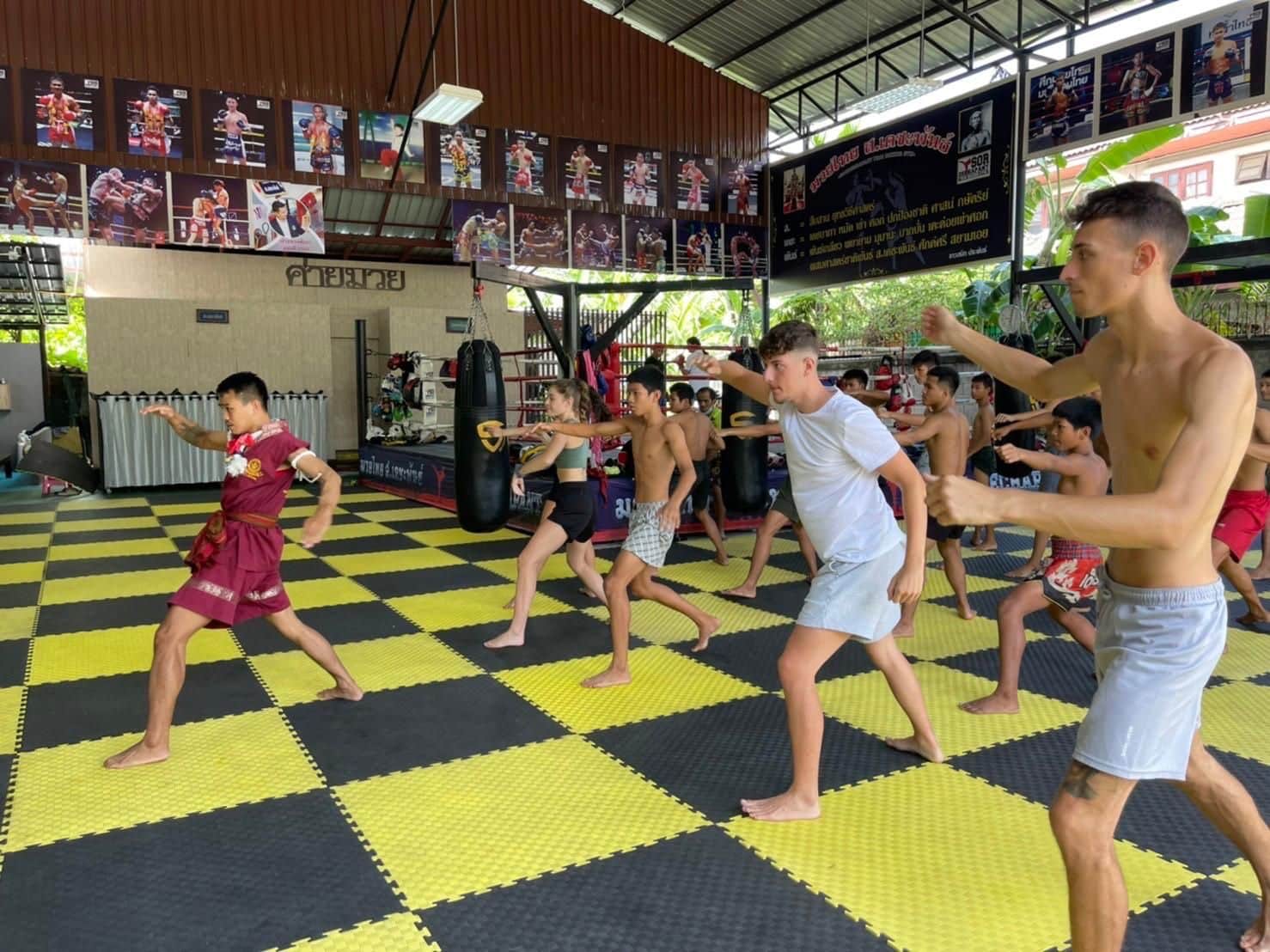
They understand that DTV applicants using the Muay Thai route are typically professionals, developers, consultants, marketers, and designers. You cannot train six hours daily like a teenage fighter preparing for competition.
That’s why modern Muay Thai programs designed for long-stay professionals must be work-first. Unlike the older Education (ED) Visa that required mandatory daily attendance tracking, DTV-oriented training schedules are built around the reality of remote work: morning and afternoon session options that accommodate your Zoom calls, client meetings, and project deadlines.
You train to respect the culture, maintain fitness, and participate in the stated soft power activity, not to satisfy a daily roll call.
A note to international visa agents
If you operate an agency in the UK, the US, Europe, or elsewhere that helps clients relocate to Thailand, your business reputation depends entirely on the reliability of your ground partners.
Submitting client applications with documentation from unverifiable providers creates unnecessary risk. If a client pays you US$2,000 to US$3,000 for visa support services and receives a refusal because the gym was flagged as having inconsistent registration, that client relationship is typically lost permanently.
MTVT works with international agents who require white-glove documentation standards. Because they handle all paperwork in-house, directly from their Ministry-licensed administration team, they provide the consistency and verifiability your clients expect. They are the source institution, not a reseller or middleman.
The criticism they take seriously
Two structural critiques of training tourism deserve honest acknowledgement because they reflect real economic and social dynamics:
Neighbourhood pressure: Concentrated training tourism can transform areas into consumption zones oriented toward foreign visitors, with housing and services repriced accordingly. This affects local residents who aren’t part of the training economy.
Sport incentive drift: When beginner and lifestyle trainees become the stable revenue base, gym scheduling and coaching time can tilt toward high-volume instruction rather than fighter development.
These are not questions with simple answers, and this piece doesn’t pretend to resolve them. The point is narrower: long-stay training is now a durable part of Thailand’s tourism economy, and the DTV soft power pathway reinforces it by making structured training and provider documentation legible within a long-stay visa framework.
What accountability looks like for operators
For providers like us, responsibility is straightforward:
- Disclosing commercial interests clearly
- Avoiding any promise of visa outcomes that they cannot control
- Producing documentation that accurately describes real training programs rather than inflating claims
- Maintaining verifiable Ministry registration and business credentials
If the DTV soft power channel is going to scale sustainably, the credibility of the entire pathway depends on whether providers treat documentation as verification rather than marketing.
Moving forward
You can rely on conflicting advice from forums, or you can work with institutions that have verifiable credentials and transparent processes for your Muay Thai visa.
MTVT are Sor.Dechapant. They are a fight camp first and a visa documentation facilitator second. That order matters. It means your visa application is backed by a registered educational institution with fighters in national stadiums, not just a document printer.
Press Release
Latest Thailand News





















Follow The Thaiger on Google News: