How Thai stand-up comedy is learning to stand on its own
Complete with insights and interviews with the comedians of the Thai stand-up scene

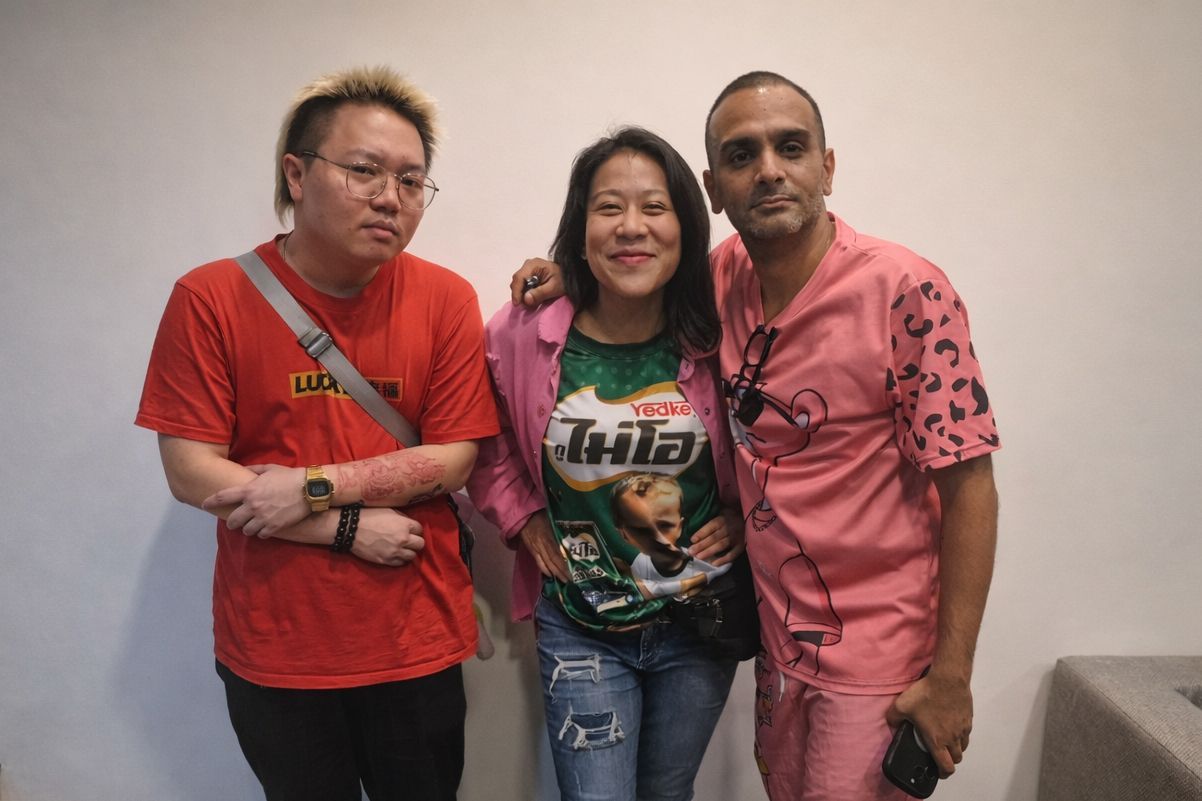
Stand-up comedy in Thailand is young, unstable, and quietly interesting. It does not follow the American club system or the British circuit model. There are no clear ladders, few sponsors, and almost no shared language for what stand-up is supposed to be. And yet, it is growing slowly, improvising as it goes.
At the centre of this growth for the Thai stand-up comedy scene are a handful of comics who perform regularly, experiment publicly, and absorb the backlash that comes with being early.
Note Udom and the shadow of the first mover
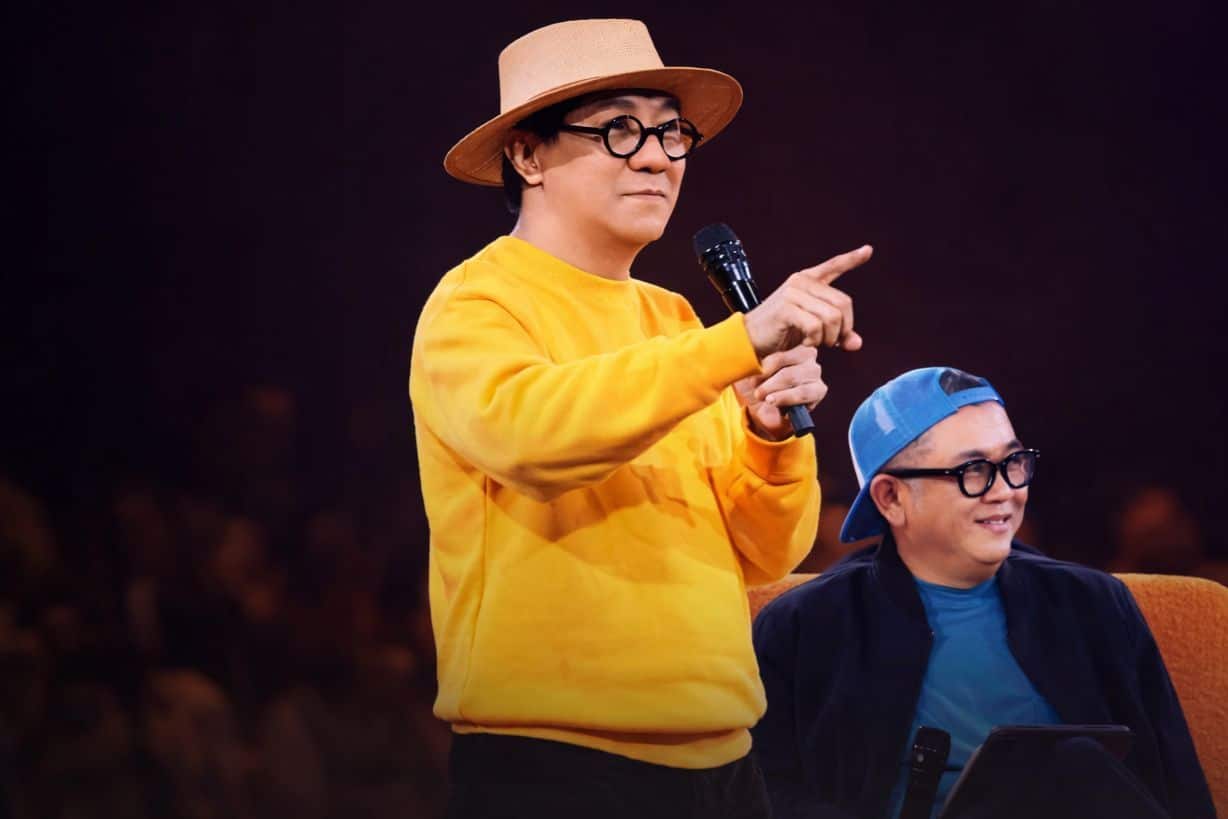
Any discussion of Thai stand-up begins with Note Udom. For many Thai audiences, he is stand-up comedy. His storytelling style, solo microphone format, and observational humour defined what people think a comedian does on stage. To this day, audiences often refer to stand-up simply as “deal, microphone,” a direct inheritance from his performances.
That influence cuts both ways. Younger comics benefit from the path he opened, but they also struggle against it. Repeating a joke in another city can be seen as laziness. Sharing a similar rhythm can trigger accusations of copying. Noh Tudung shaped the taste, but that taste now limits experimentation.
Mo and the economics of laughter
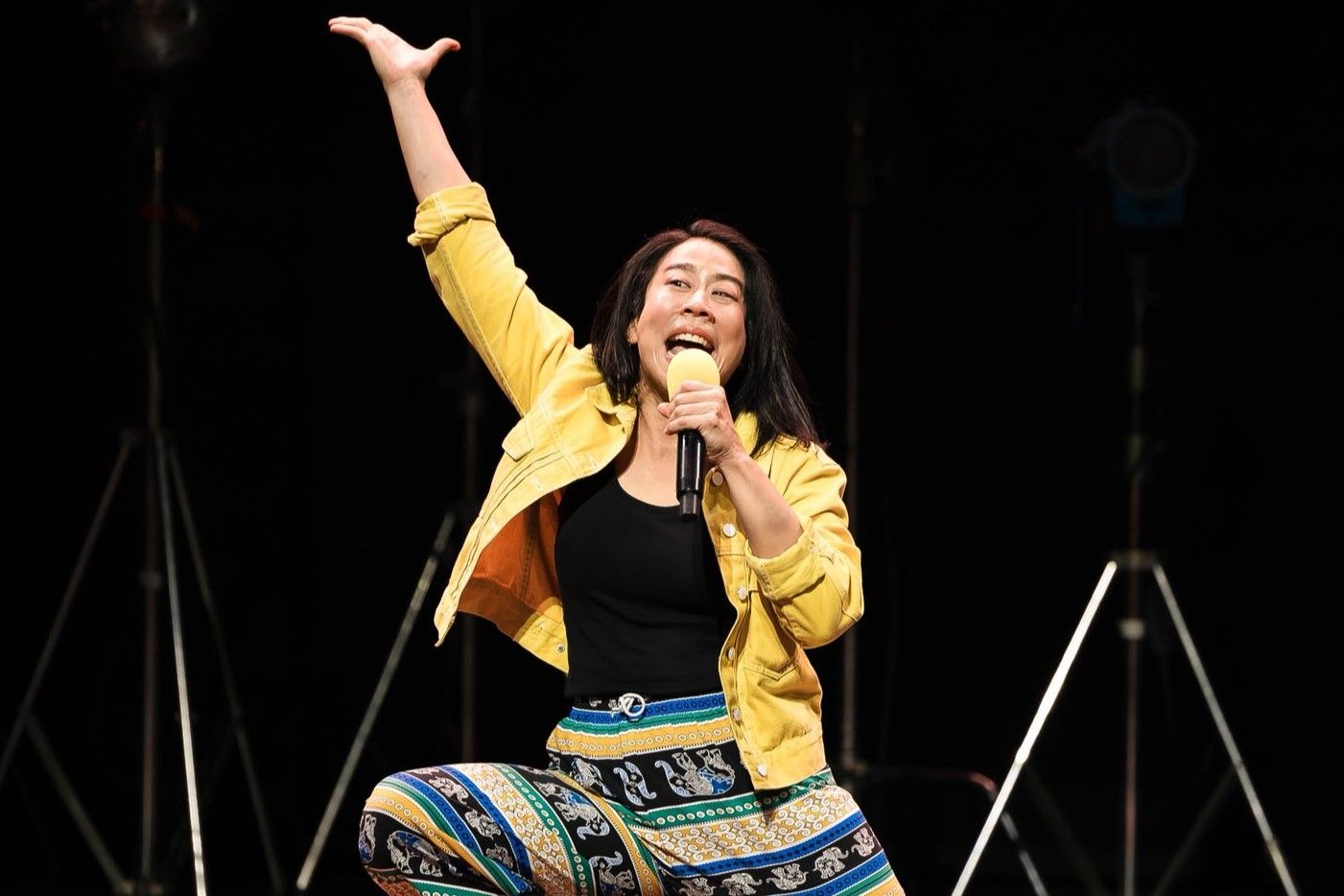
Kittiporn Rodvanich, who performs as “Mo” or “Bang Mo,” gives a nuts-and-bolts view of why the scene feels different from the US. She started around 2019 in English, then moved into Thai stand-up in 2021 and 2022. She won the Young Men Can’t Stand Up competition, Season 1, which led to more bookings.
She says many shows are theme-based and made for video, like Halloween nights that go straight to YouTube. That pushes comics to write “one-time” sets instead of building a tight five-minute or ten-minute set they can sharpen over the years.
Interviewer: ” So what is the Thai stand-up scene like?”


Mo: “Well, it’s here, and even though we have it, it’s very niche. I feel like people who would come to see it, it’s not going to be you going out to eat dinner. It’s not like you just look it up online and call your friend like, ‘let’s go find some stand-up comedy club around here and check it out.’ No. It’s going to be more. A friend brought you, because they saw it and it just travels like that, word of mouth.”
Mo also highlights the limits around content. Thai comics have to think hard about who is saying what, and how it lands, especially with politics and other sensitive topics. Even dark humour can work, but trust matters. She describes telling jokes about her father’s death on stage, and seeing mixed reactions online when the clips lost the energy of the room.
KC King and the outsider advantage
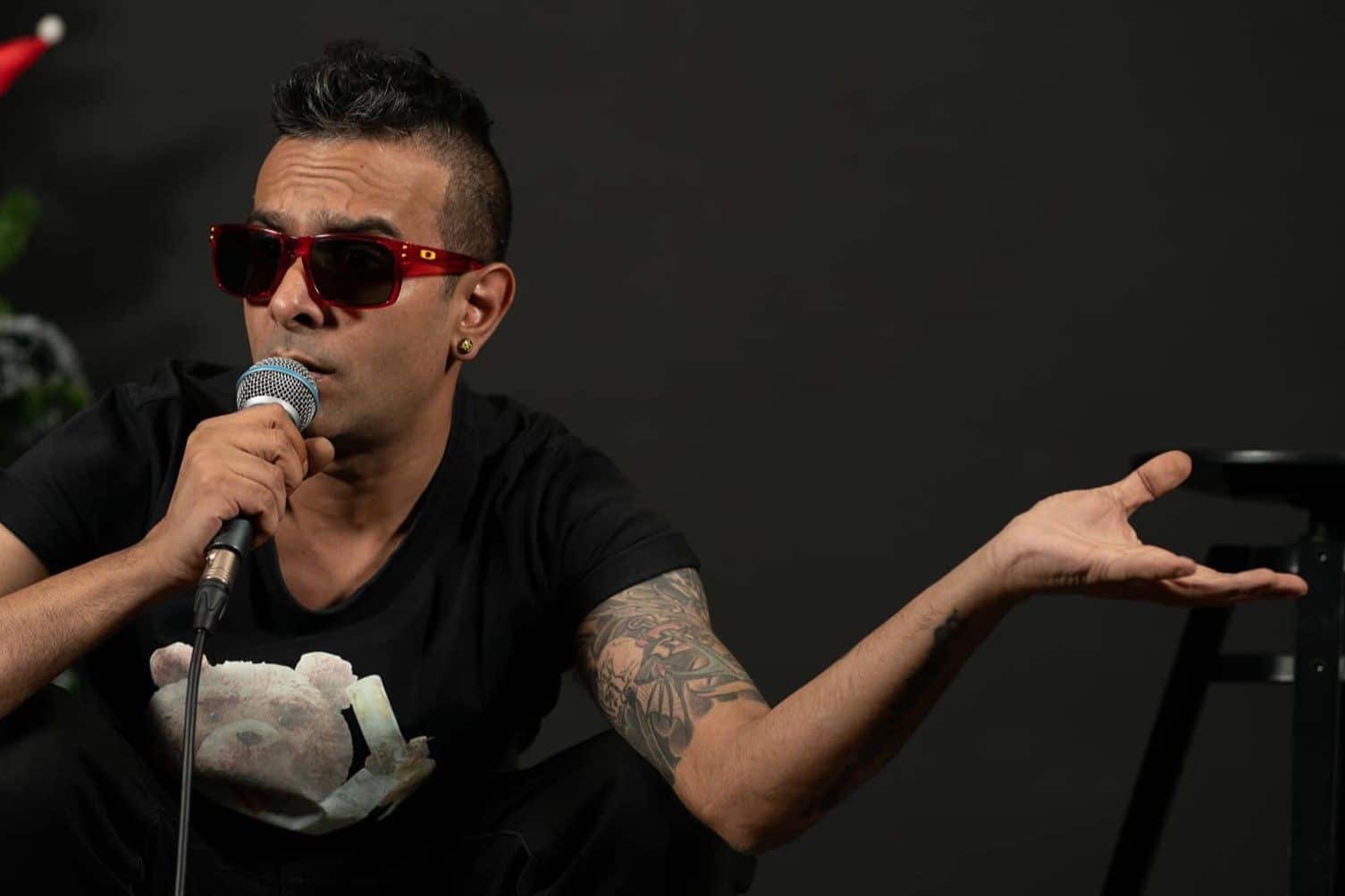
KC (Noonan Ariyawongmanee) occupies a strange position in Thai comedy. He speaks fluent Thai, looks foreign, and uses that tension directly on stage. Many audiences are initially drawn in not by punchlines, but by disbelief. Why does this man speak Thai so well? Is he Thai? Indian? Muslim? Something else?
Interviewer: “But there have been Indians living in Thailand for many generations, right?”
KC: ” Yes, Thai people know us, right? But most of the time when they see me speak Thai, they act like they’re seeing a ghost. Like they don’t understand the concept of Thai Indian.”
That confusion becomes material. KC’s comedy lives in misidentification, cultural shortcuts, and the small daily shocks that reveal how little people know about Thai-Indian communities. He jokes about food, religion, dating, and language, often walking a thin line between education and offence. It works because it is lived, not theoretical.
For Thai audiences, he offers a mirror from an unexpected angle. For expats, he exposes cultural assumptions they often miss.
Linen and the craft-first approach
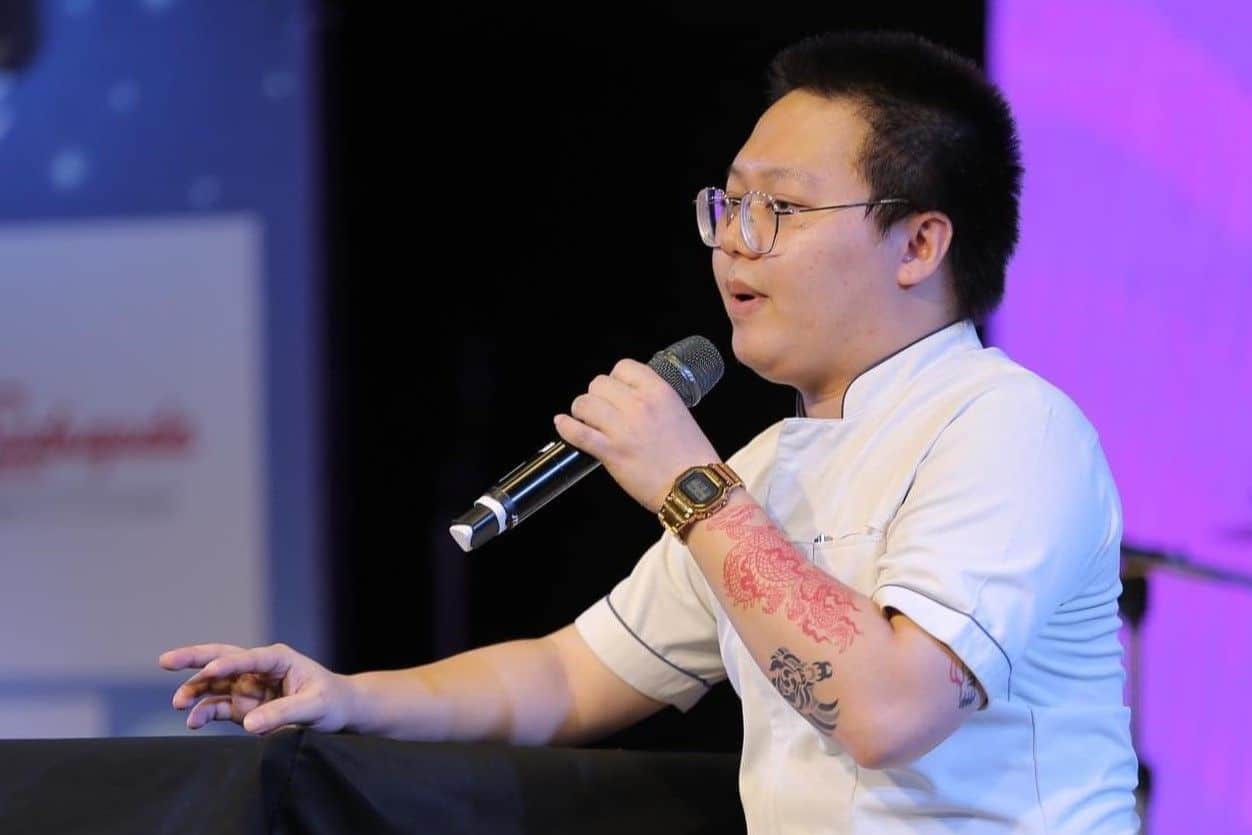
Linen (Niwatchai Sapphaisan) represents another direction. Thai, Chinese-Thai by background, and performing exclusively in Thai, he is less interested in defining what Thai stand-up is than in refining how it works. He watches Western comics closely, especially Dave Chappelle, but borrows selectively. Not the swagger, but the pacing. Not the controversy, but the control on the stage.
Interviewer: ” What makes you stand out from the other stand-ups?”
Linen: ” I’m confident, but I don’t look confident. People think, ‘Oh, he’s quite a nerd.’ Then Everything comes out, Then their like, ‘What the f***!? He’s very confident.’
He speaks often about “reading the room”. Knowing when not to roast. Knowing when dirty jokes will fail. Knowing that Isan audiences react differently from Bangkok crowds. For Linen, stand-up is not rebellion. It is human observation under pressure.
A scene still learning its own rules
Thai stand-up comics are learning in public. There are no five-minute light systems, no brutal club discipline, and little shared feedback culture. Some thrive. Some stall. Most survive.
What makes the Thai stand-up comedy scene compelling is not the polish, but honesty. These comedians are not copying the West. They are translating it, misusing it, and slowly turning it into something local. When Thai stand-up finally settles into its own form, it will not sound imported.
It will sound familiar, awkward, and very Thai.
Latest Thailand News



















Follow The Thaiger on Google News: