Samut Songkhram officials launch crackdown on fake coconut water

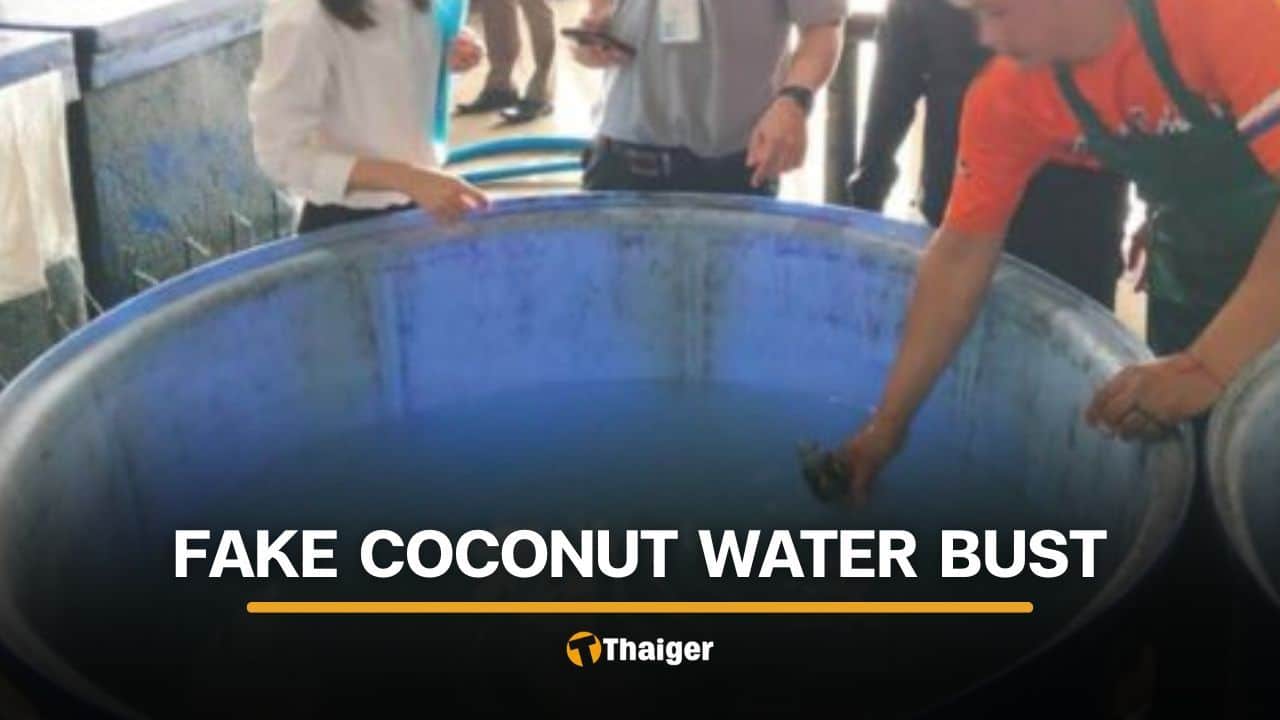
Police raided two production facilities in Samut Songkhram yesterday, April 7, over fake coconut water made from water and flavourings, which officers say was harming local farmers, consumers and the reputation of Thai coconut products.
Local coconut farmers sought government action after coconut prices fell and exports to China, one of the sector’s biggest markets, declined. They said the problems were linked to Chinese nationals allegedly investing illegally in coconut plantations in Samut Sakhon, Samut Songkhram and Ratchaburi.
Farmers said Chinese-owned plantations had grown to dominate the industry, allowing investors to influence prices. They added that these operators sold coconuts at lower prices and expanded their businesses by buying more land, leaving fewer Thai farmers in the market.
Some farmers also alleged that certain production facilities were making fake coconut water. They warned that the products could affect consumer health and damage confidence in Thai goods made from genuine natural coconut water.

Residents called on the government to investigate and provide justice for local farmers. Following those complaints, Samut Songkhram Governor Chayachai Saeng-in told KhaoSod that officials inspected two facilities and found their products did not meet GMP standards.
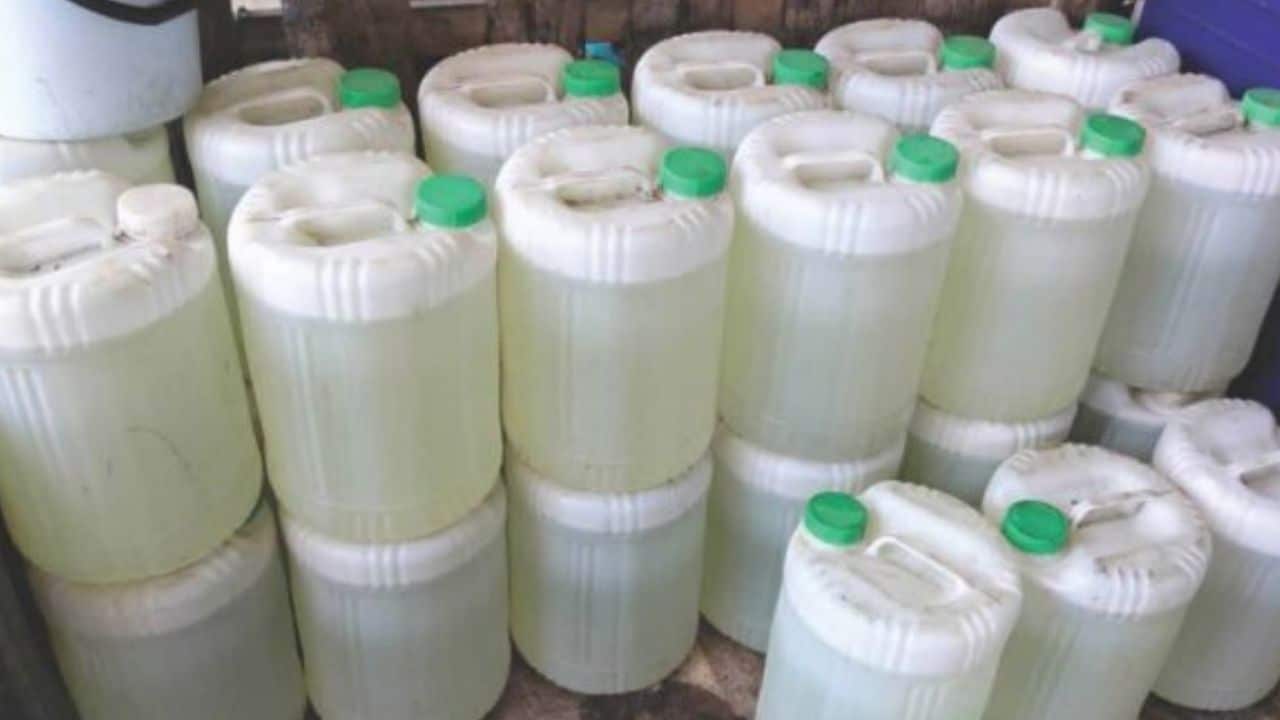
Officials said the two sites were producing fake coconut water by mixing water with flavourings to imitate natural coconut water. Samples of the artificial coconut water were collected for further testing.
If dangerous substances are found, the owners of the facilities will likely face prosecution. Chayachai said the province would continue to address the fake coconut water issue and related concerns to protect public health and the reputation of Samut Songkhram’s fresh coconut water.


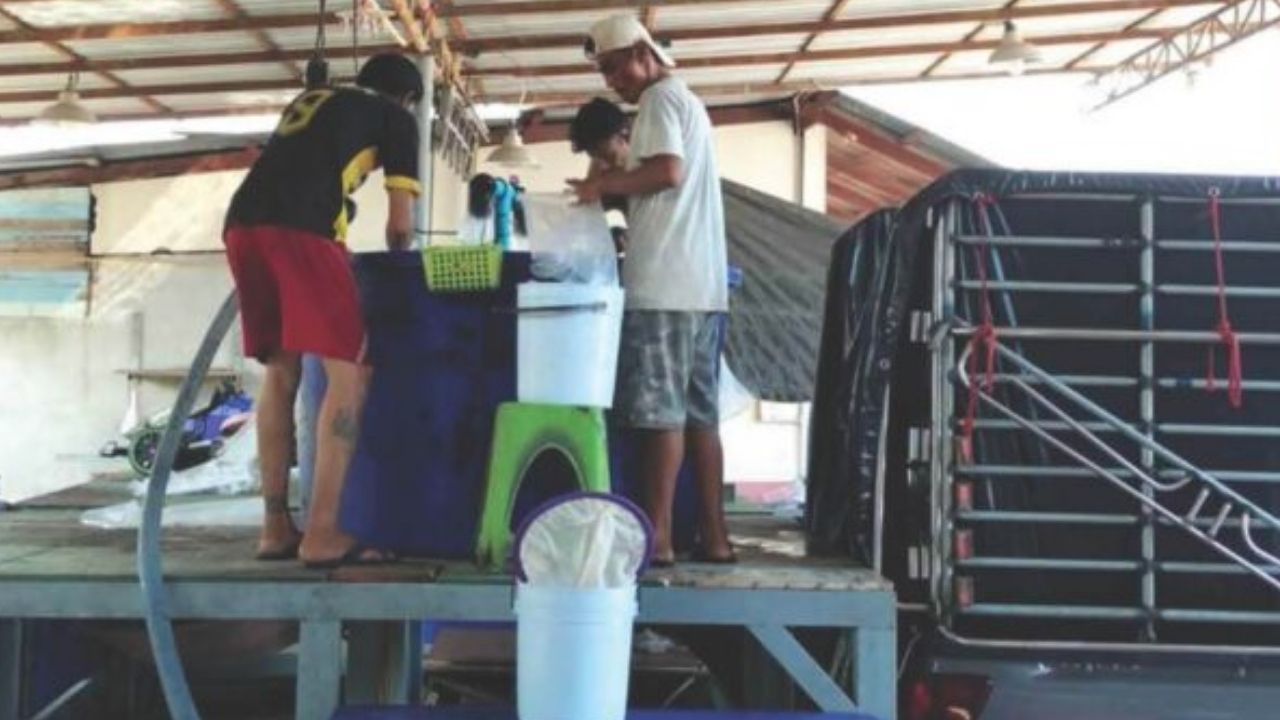
The province also said it would work with the Food and Drug Administration and the Department of Medical Sciences to develop accurate testing methods for fake coconut water and create a consistent enforcement standard.
In a similar report in March last year, the Thai coconut drink brand IF filed a complaint with the Department of International Trade Promotion (DITP) after finding counterfeit products on a Chinese e-commerce platform.
The imitated products had similar appearances to IF products, but the ingredients and taste were different, leading to complaints by Chinese customers.
Latest Thailand News
























Follow The Thaiger on Google News: