Teaching jobs in Thailand – How to move, what you’ll earn, and documents needed

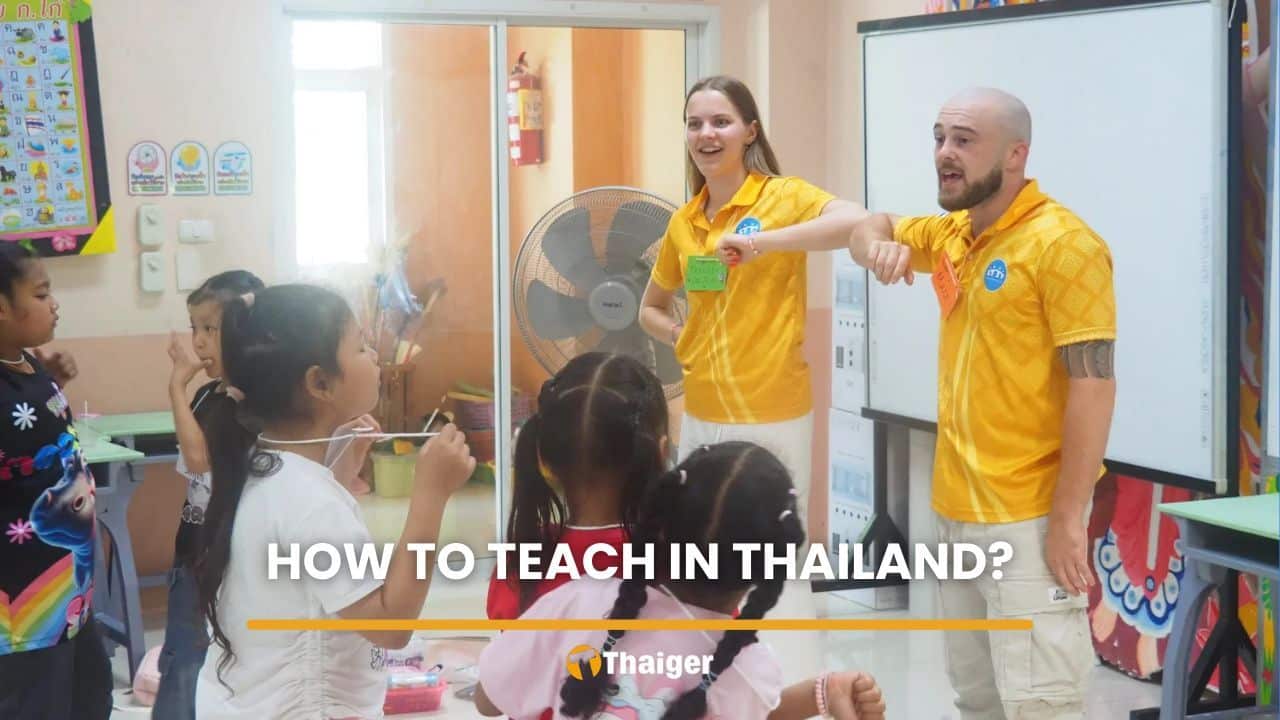
Looking for teaching jobs in Thailand? The process is more straightforward than it looks from the outside, but it does require getting a few things right up front. The legal side matters as you need the correct visa and work permit before you start teaching.
The key is understanding what to expect at each stage and budgeting properly for the first few months.
Here’s what you actually need to know about visas, finding jobs, what you’ll earn, and how to cover yourself for healthcare without overpaying or leaving gaps.
On this page
| Section | Short summary |
|---|---|
| Visas and work permits explained | Foreign teachers need both a valid visa and a work permit before they can legally start teaching in Thailand. |
| School types and what you’ll earn | Pay, benefits, and working conditions vary widely depending on whether you teach at a public, private, language, or international school. |
| Tax basics for teachers | Teachers staying 180 days or more usually become Thai tax residents and will see tax deducted from their monthly salary. |
| Social security vs private insurance | Social security provides basic legal cover, but many teachers use private insurance for faster access to private hospitals. |
| Cigna coverage for teachers in Thailand | Cigna’s plans are presented as a way for teachers to access private hospitals with direct billing and longer-term cover. |
| Timeline of your first few months | The first few months involve visa setup, work permit paperwork, banking, social security registration, and planning for extensions. |
| Extra things to note | Teachers should also understand hiring requirements, agency arrangements, classroom realities, and when schools recruit most heavily. |
| Let’s get started! | Teaching in Thailand is realistic for new arrivals, but success depends on preparation, budgeting, and getting healthcare sorted early. |
Visas and work permits explained
Thailand operates a two-step system for foreign teachers: one document lets you stay (visa), another lets you work (work permit). You need both, and the work permit must be issued before you start teaching. The penalties for getting this wrong affect both you and your employer.
Most teachers use a Non-Immigrant B (Teaching) visa combined with a teacher work permit.
How the Non-B visa works
You’ll typically apply through either Thailand’s e-visa system or at a Thai embassy, depending on your nationality. Some countries require you to apply at specific embassies, so check Thailand’s Ministry of Foreign Affairs guidance first.

The visa gives you an initial stay of up to 90 days, which you can extend to one year once you’re in Thailand with your work permit sorted. Single-entry costs 2,000 baht, and extending your stay costs 1,900 baht.
Documents you’ll need:
- Passport (valid for at least six months)
- Formal acceptance letter from your school
- Degree certificate
- TEFL certificate if required
- Professional resume, passport photos
- Potentially a police clearance certificate, depending on which embassy you’re applying through
Typically, your school handles the Thai education authority approvals that support your application.
The work permit process
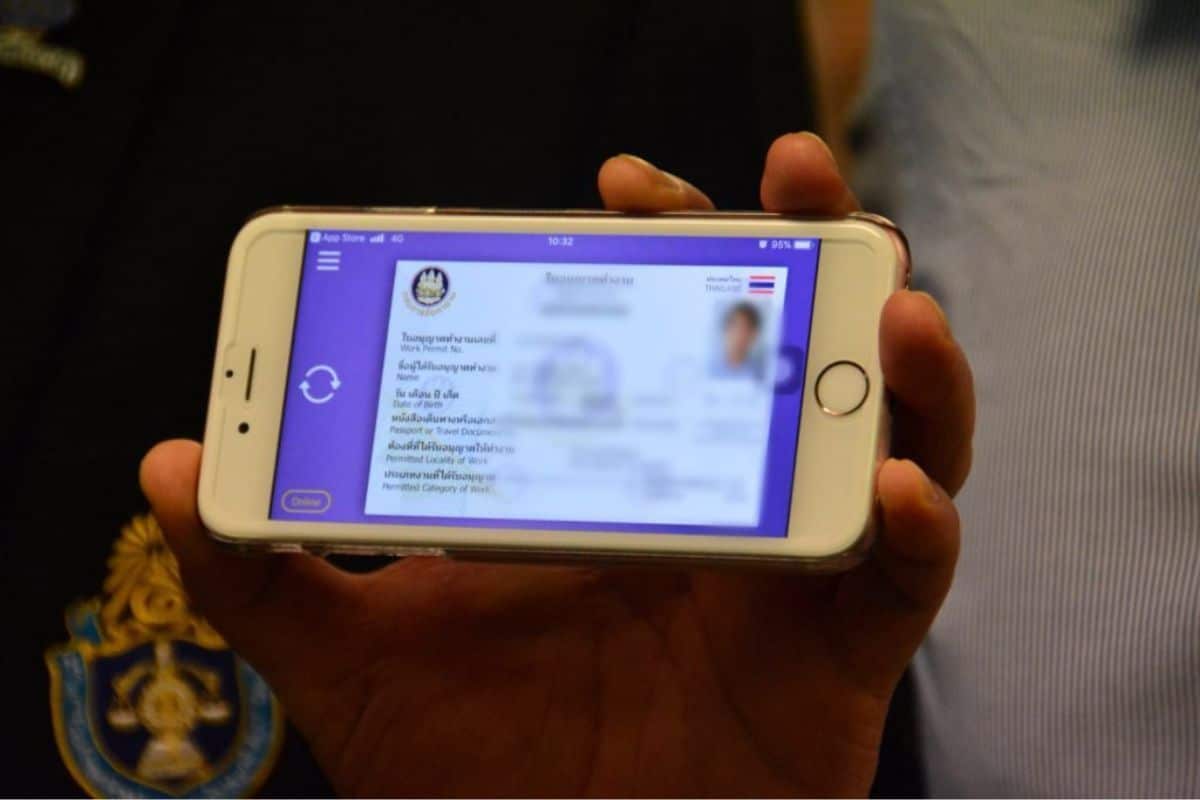
Your employer submits the application form WP.25 on your behalf, which requires a recent medical certificate from you. The medical exam checks for tuberculosis, drug use, alcoholism, and certain communicable diseases. The form can be found on the Department of Employment’s website.
The certificate needs to be issued within one month of your application. Processing takes three working days once all documents are submitted, though realistically, expect 1 to 2 weeks when including document gathering and medical exam time.
Your employer handles most of the paperwork, but you’ll need to provide your education certificates, passport copies, and photos. Any documents in foreign languages must be professionally translated into Thai.
Your school also applies for a temporary two-year teaching licence on your behalf (separate from the work permit, required if you don’t hold a Thai professional teaching licence). The permit can be renewed, though the total duration shouldn’t exceed six consecutive years.
As of 2026, all foreign teachers must complete a mandatory 7-module training curriculum via the official OnePlatform system to maintain teaching status. Your school should provide access details, but ensure this is completed within your first few months of arrival.
Common mistakes that derail teachers
Starting work before your work permit is issued is the biggest mistake. It’s illegal for both you and your employer, and can result in deportation and blacklisting.
90-day reporting trips up many teachers. You must report to immigration every 90 days. You can report 15 days before or up to 7 days after your due date. Beyond that, you face a 2,000 baht fine and potential complications. The count resets every time you leave and re-enter Thailand, which can be confusing.
TM30 address notification is your landlord’s responsibility, not yours, but if they don’t file it, you’ll face problems when extending your visa or filing other paperwork. Confirm with your landlord that they’ve handled this.
Document mismatches between your contract and school letters will cause application rejections. Your work permit is tied to a specific employer, role, and location. If details don’t align perfectly, expect rejections.
The full process takes 4 to 8 weeks from job offer to legally starting work. Plan to arrive at least a month before your intended start date, and have enough savings to cover living expenses during this period.
School types and what you’ll earn
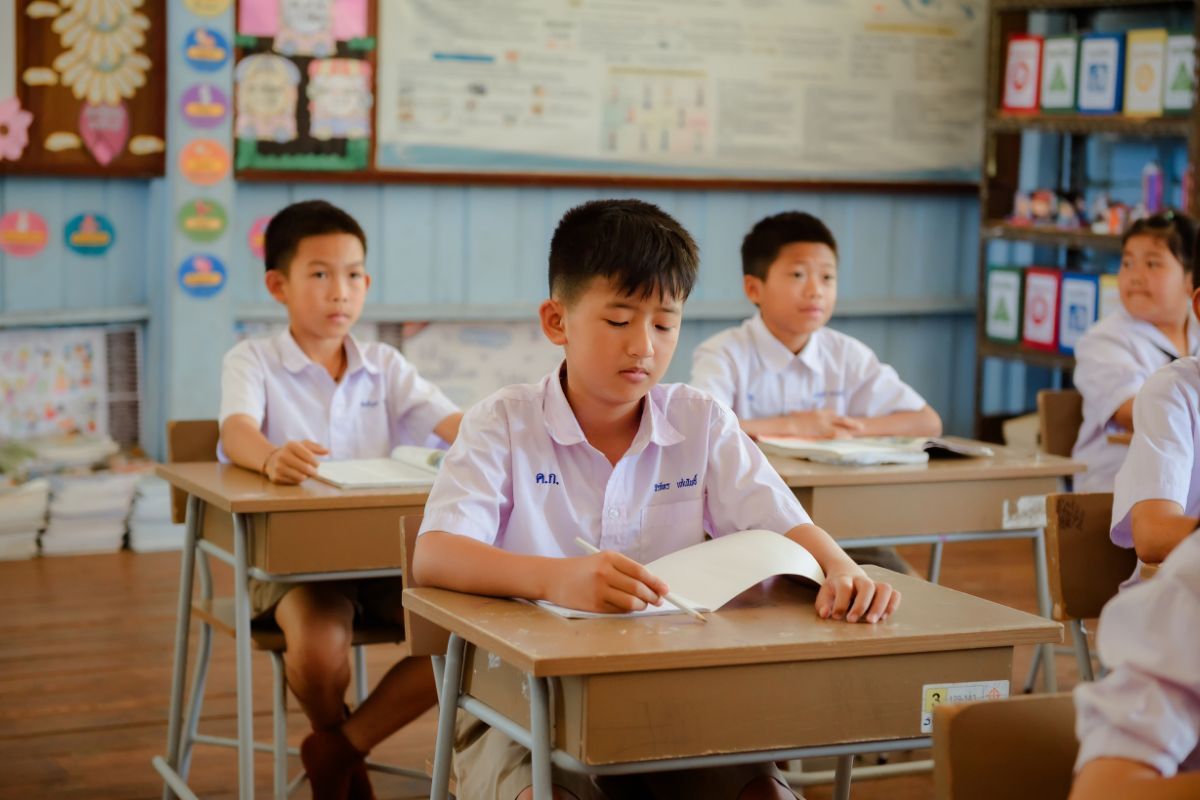
Not all teaching jobs in Thailand are the same. Where you teach affects your salary, benefits, and visa support.
Public and government schools pay 25,000 to 55,000 baht per month (gross) on average for entry-level roles. Schools hire heavily at term starts (May and November). The trade-off is lower pay and occasionally slower visa processing (though most public schools do provide proper work permit support). Class sizes can be large (30 to 50 students).
Private and bilingual schools pay 35,000 to 70,000 per month (gross) on average, depending on location and experience. Resources are better, class sizes are smaller, and some include housing allowances or insurance contributions.
Language centres pay 25,000 to 40,000 monthly (gross) on average for full-time positions, or 400 to 1,000+ baht per hour for part-time. This is often the easiest entry point for first-timers, though rates increase with experience. The downside is that schedules lean towards evenings and weekends, and hourly contracts typically don’t include paid holidays or health insurance.
International schools pay 80,000 to 170,000+ per month (gross) on average, typically with comprehensive benefits (furnished housing, medical insurance, flights home, tuition waivers).
Top-tier international schools now frequently exceed 135,000 baht monthly. These require formal teaching credentials, strong references, and usually two to three years of experience. First-timers rarely qualify.
Where to find jobs
Look for “visa and work permit provided” in listings. Check if the salary is gross or net. Be sure to also check for key benefits like social security (required), private medical insurance (often not included), and housing allowance.
Any school asking YOU to pay for visa/work permit costs, or suggesting you work on a tourist visa initially, is a RED FLAG.
You can find job listings on Ajarn.com (Thailand’s main teaching job board), Search Associates (international schools), JobsDB Thailand (broader market), and Facebook groups like “Teaching Jobs in Thailand” and “Bangkok Teachers”.
A realistic path for many teachers is to start at a language centre or government school, build experience, and move to private/international schools after one to two years.

Tax basics for teachers
You become a tax resident if you stay in Thailand for 180 days or more in a calendar year. Almost all teachers on one-year contracts hit this threshold.
As a tax resident, you’re taxed on your Thai-source income using progressive rates. Since January 2024, Thailand has tightened rules on foreign-sourced income. If you are a tax resident (living in Thailand for 180+ days), any foreign income (savings, investments, pensions) brought into Thailand is taxable, regardless of when it was earned.
A 2026 exemption proposal is under review but has not yet been enacted.
Your employer withholds tax from your salary each month. Rates start low (the first 150,000 baht of annual income is taxed at minimal rates) and increase progressively as income rises.
For entry-level teachers earning 30,000 to 45,000 baht per month, expect a monthly tax withholding of approximately:
- 30,000 baht/month: ~500 to 800 baht tax
- 40,000 baht/month: ~1,500 to 2,000 baht tax
- 45,000baht/month: ~2,000 to 2,500 baht tax
When budgeting, do note that your take-home pay is lower than your gross salary because of tax withholding and social security deductions.
When comparing job offers, always confirm whether the listed salary is gross (before deductions) or net (what actually hits your bank account). This can be a difference of 3,000 to 5,000 baht monthly.
Your employer should provide a breakdown of deductions on your payslip. If numbers don’t make sense or seem excessive, ask for clarification.
Social security vs private insurance
Your employer must legally register you for Social Security within 30 days of starting work. This is a legal requirement. Starting in 2026, if you earn 17,500 baht or more per month, you will have 875 baht deducted from your salary, with your employer contributing an additional 875 baht on your behalf, for a total system contribution of 1,750 baht monthly
Social security covers treatment at designated healthcare facilities. You register with one specific facility when you join the system, and that’s where you go for routine care.
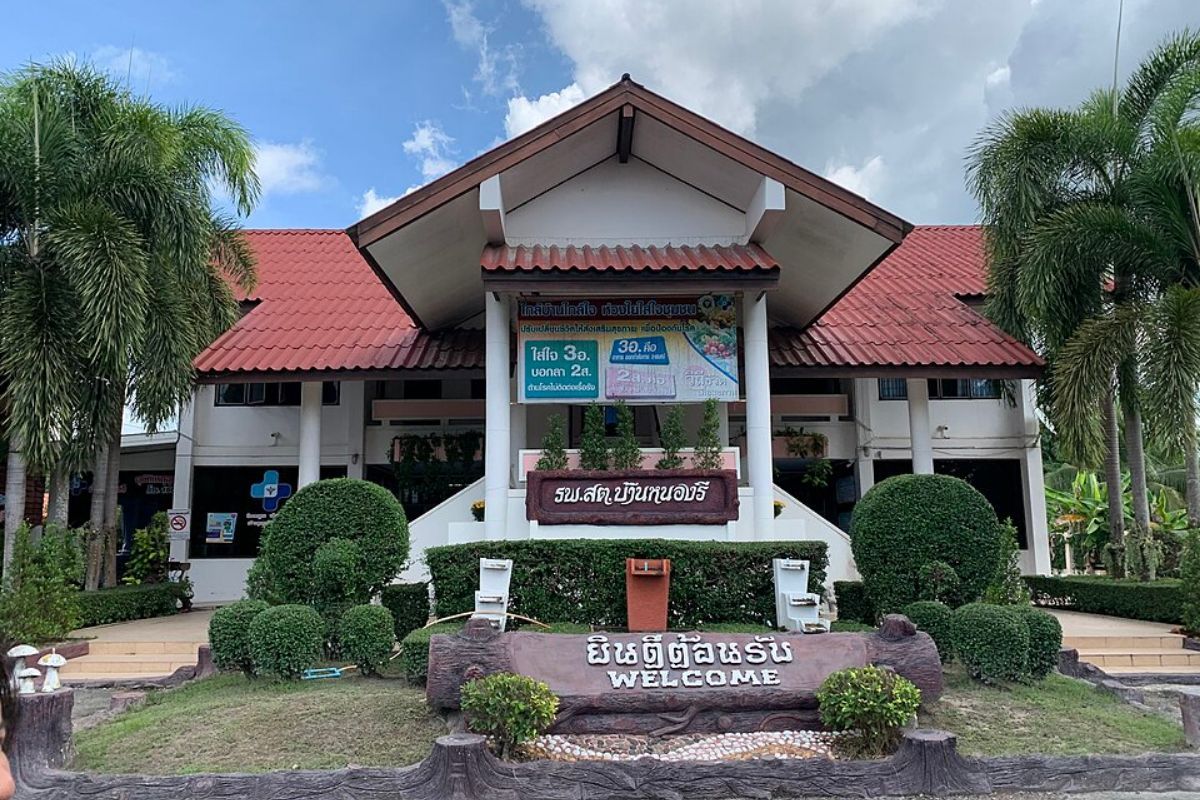
For emergencies, you can receive initial treatment at nearby private hospitals for up to 72 hours with social security covering the costs. After stabilisation, you’re typically transferred to a public facility.
However, it has practical limitations. You need to register with a specific facility, and changing your registered facility can only be done during certain windows (usually once per year). If you move cities or your registered facility is far from your new home, this becomes a significant inconvenience. Administrative processes can also be slow, and wait times for non-emergency care can stretch to hours.
This is why many foreign teachers prefer private hospitals, as popular facilities such as Bangkok Hospital, Bumrungrad International, Samitivej, and similar private facilities offer English-speaking staff, modern equipment, and much faster service.
The cost difference is substantial. Annual preventive health check-up packages at these hospitals range from 5,500 to 35,000 baht, depending on what’s included. These are preventive check-ups, not emergency treatment. Actual hospital stays, surgeries, or serious illnesses can run into hundreds of thousands of baht.
While social security gives you legal coverage at designated facilities, it doesn’t provide cashless access to private hospitals outside the programme for routine care or non-emergency situations. If you want to use private hospitals regularly, you need private insurance.
Most Thai schools provide social security (required by law), but NOT private medical insurance. Only international schools and top-tier bilingual schools typically include private insurance.
Many teachers bridge this gap with international health insurance that covers private hospitals. Cigna Global’s plans for teachers in Thailand offer direct billing at facilities like Bumrungrad and Bangkok Hospital, eliminating upfront payment and claim paperwork.
Coverage teachers actually need

Minimum coverage should include inpatient and emergency treatment with limits high enough to cover serious hospitalisation at a private hospital (at least 1,000,000 baht annual limit).
If you’re teaching on islands or in provincial areas far from Bangkok, medical evacuation coverage is worth including. Evacuation to Bangkok can cost tens of thousands of dollars without insurance.
Balanced coverage adds outpatient care (doctor visits, prescriptions, preventive check-ups) and direct billing arrangements with private hospital networks. This is the most common tier for teachers who want to use private hospitals without paying up front and filing claims later.
Direct billing means you show your insurance card, receive treatment, and walk out. The hospital bills the insurer directly.
Family coverage becomes essential if you’re moving with a spouse or children (who can join you on dependent visas once your work permit is approved). International school tuition can run 200,000 to 600,000+ baht per year per child. If your kids need medical care on top of education costs, expenses compound quickly.
Make sure maternity and paediatric care are explicitly covered in your policy, not excluded or subject to long waiting periods.
Cigna coverage for teachers in Thailand
Cigna Global’s international health insurance plans offer coverage that works at private hospitals across Thailand with direct billing, which means you don’t pay upfront and file claims later.
- Close Care℠: US$500,000 annual coverage for treatment in Thailand plus your home country. This plan works well for teachers who want strong local coverage and the option to return home for treatment if needed.
- Silver: US$1,000,000 annual maximum covering essential hospital stays and emergency treatment.
- Gold: US$2,000,000 annual maximum, adding cancer screenings, specialist treatments, and more comprehensive outpatient coverage.
- Platinum: US$2,000,000+ with comprehensive coverage including mental health services. This is particularly relevant in Thailand, which has only 1.28 psychiatrists per 100,000 people according to insurance industry data.
Why international plans matter for teachers:
Lifetime renewability is the key difference between local Thai insurance and international plans, and it becomes important if you plan to teach and remain in Thailand long-term. Many local Thai insurers drop coverage at age 70 or 75. International plans renew for life, meaning your coverage continues as long as you pay premiums.
Direct billing at JCI-accredited hospitals like Bumrungrad International and Bangkok Hospital means you show your insurance card and walk out. The hospital bills Cigna directly. No upfront payment, no reimbursement paperwork.
With Cigna’s plans, you remain covered even if you change schools, move cities, or eventually leave Thailand. Your coverage moves with you rather than being tied to a single employer or location.
Getting coverage early locks in better rates, as premiums at age 25 can be 50 to 70% lower than starting coverage at age 40.
Get a quote from Cigna Global for teaching in Thailand.
Timeline of your first few months

Before departure:
- Sort visa pathway (e-visa or embassy)
- Negotiate contract benefits (housing, insurance, work permit support)
- Arrange health insurance to start on arrival
- Budget 50,000-80,000฿ for first month (deposits, furniture, initial expenses)
Weeks 1 to 3:
- Confirm the landlord filed the TM30 address notification
- Start work permit application (need education certificates, passport copies, medical exam costing 500 to 1,000 baht)
- Open a bank account (Bangkok Bank, Kasikorn, or SCB)
Months 2 to 3:
- Employer registers you for social security (THB 437.50 monthly deduction).
- Track 90-day reporting deadline. Clear three-month probation period.
Months 4 onwards: Plan visa extension around month 8 to 9 and adjust insurance coverage if needed.
If you are still stuck on which province to settle in next, be sure to check out our guide on the friendliest Thai provinces for expats.
Extra things to note
Qualifications and hiring requirements
A bachelor’s degree is the baseline requirement for most positions. Teaching certification (TEFL, TESOL, or CELTA) is essential. Many schools accept online certifications, but in-country programmes like XploreAsia and TEFL Heaven offer month-long courses in Bangkok, Chiang Mai, and Phuket with better job placement support.
Some schools prefer teachers under 50, particularly government schools. International schools often require stricter credentials, which may include an education degree, as well as a post-graduate teaching certificate, and two to three years of experience. Some schools hire only native English speakers from the US, UK, Canada, Australia, and New Zealand.
Working with teaching agencies
Agencies recruit teachers for schools and decide placements. You’re paid by the agency (not the school), and they take 10 to 20% of what the school pays. In exchange, agencies often provide teaching resources, lesson plans, and administrative support.
When to apply
The school year ends late September and starts late October/early November. Most hiring happens in March for May starts, but jobs are available year-round due to high teacher turnover. Apply in February or March for the widest selection.
What to expect in the classroom
Working hours: 7am to 4pm are typical. Class sizes range from 15 (private schools) to 50 (government schools).
Age flexibility: Schools change teaching assignments with little notice. You might be hired for kindergarten and reassigned to teenagers. Go with the flow.
“No fail” policy: Students advance regardless of attendance or performance. Frustrating for many foreign teachers, but it’s a nationwide policy.
Dress code: Men wear slacks and button-up shirts. Women must wear knee-length skirts (trousers usually not permitted). Many schools require tattoos to be covered.
Let’s get started!
Moving to Thailand to teach is realistic and achievable for first-time teachers. Thousands do it successfully every year, building careers and lives that would have been difficult to imagine back home. The difference between teachers who thrive and those who leave within a year comes down to preparation and realistic expectations.
Get your visa and work permit process right from the start. Choose a job tier that matches your experience level (language centres and government schools are legitimate starting points, not consolation prizes). Budget accurately based on the specific city you’re moving to, because Bangkok, Chiang Mai, and rural Thailand operate on completely different financial equations.
And most importantly, sort out proper healthcare coverage before you need it, because Social Security is a legal baseline, not comprehensive protection.
Get a quote from Cigna Global for Thailand teaching. Having health coverage locked in before you need it is the difference between peace of mind and a financial crisis when something goes wrong.
Teachers also have to do their homework. The visa system works, but only if you follow the steps. Teaching jobs exist across the country, and the lifestyle genuinely delivers if you approach it realistically rather than as an extended working holiday.
Sponsored
Latest Thailand News



















Follow The Thaiger on Google News: