Cryptocurrency in Thailand: Legal status, use cases, and global perspectives

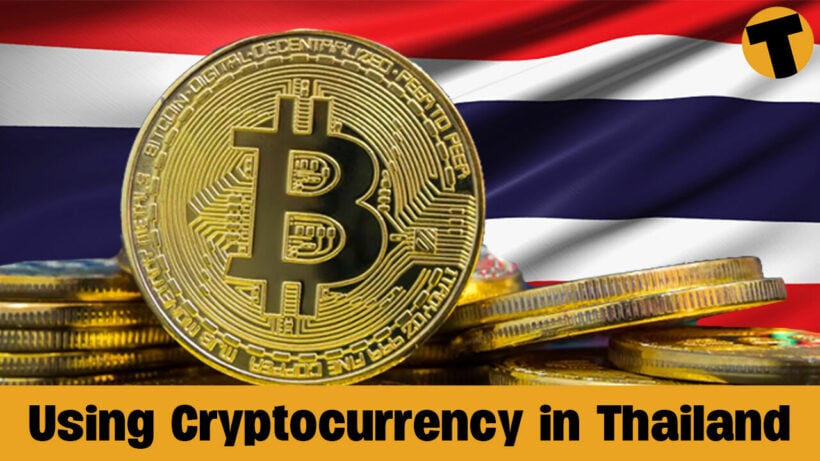
Cryptocurrency has rapidly risen from a high-risk, highly volatile, don’t-touch-it-with-a-ten-foot pole commodity to a globally accepted form of payment. But even in 2026, not every country is on board. While the likes of Singapore and Malta embrace it with open arms, others, like Thailand, have a more cautious approach.
What’s the current status of using cryptocurrency in Thailand? Let’s find out.
The Thai Government’s Stance on Cryptocurrency
After some toing and froing, the status of cryptocurrency use in Thailand is pretty clear-cut. The bottom line is that it can be held and traded but not used as legal tender. As always in Thailand, however, there are ways around everything, and cryptocurrency transactions have possibilities. Here are the regulations.
What You Can Do with Crypto in Thailand
Currently, the Thai government views cryptocurrency as a digital asset only. This means it can be held and traded only on the Securities Exchange Commission (SEC) and Ministry of Finance (MOF)-licensed exchanges.
The government is encouraging the trading of digital assets and initially introduced a 15% tax on capital gains, which has now been waived until 2029 to stimulate the industry. It’s clearly working; in August 2025, Thailand’s digital asset market reached 100 billion baht.
Cryptocurrency Restrictions in Thailand
In March 2022, the government issued a ban on the use of crypto for the payment of goods and services. The reasoning behind this was the volatility of digital assets, concerns over financial instability, and consumer protection. However, many people believe that the real reason was to protect the baht and make way for the Retail Central Bank Digital Currency (CBDC).
For now, the government is more than happy for you to trade and stockpile your crypto via licensed exchanges, but you can’t buy things with it—or can you?



How Cryptocurrency Is Used in Thailand
As mentioned, direct payment for goods and services isn’t permitted, but in an attempt to further boost tourism, the Thai government has offered a way around its own law.
Holding and Trading
Bitkub is the most commonly used government-approved crypto exchange in Thailand. Bitcoin and Ethereum are the most popular cryptocurrencies, with Tether the most traded stablecoin. There are limitations, though. Opening an account requires a Thai ID or a work permit, making it straightforward for residents but limiting options for short-term visitors.
Crypto Cards and the Tourist Sandbox
As crypto isn’t legal tender in Thailand, theoretically, you can’t just pop down to the local 7-Eleven and pay with Bitcoin. However, you can via either of these two alternative options:
Crypto Cards: There are crypto-linked debit cards on the market that instantly convert your digital assets into Thai baht at the point of sale via the Visa network. Oobit is a popular choice and can be used at stores like 7-Eleven that accept Visa.
Tourist Sandbox Program: In the last quarter of 2025, the TouristDigiPay app for foreign visitors was launched. It allows for the conversion of crypto into Thai baht through a regulated e-money system. To make payments in stores, just scan the QR code provided. The app involves strict know your customer (KYC) and anti-money laundering (AML) checks for participants, so be prepared to submit ID from your home country.
Using Crypto to Pay for Entertainment like Gambling
Many Thai people, expats, and visitors access online gaming sites via international platforms, but this is a complex area. Thailand’s government blocks access to offshore gambling sites, but these are relatively easy to access via VPNs. Many offshore crypto casinos accept cryptocurrency payments once accessed. However, these fall under a legal gray area, as they involve both Thailand’s payment restrictions and its strict gambling laws.
The Crypto Casino Scene in Thailand
Gambling in Thailand is forbidden. It’s been a rough two years for the Thai government, marked by frequent leadership changes and regional instability due to the ongoing conflict with Cambodia. Amid this political turmoil, gambling law reform has essentially stalled, leaving the current prohibition firmly in place and public attitudes largely unchanged.
The Thai Government’s Stand on Gambling
Thailand’s Gambling Act of 1935 prohibits all forms of gambling except government-run lotteries and horse racing. Casinos, both physical and online ones, are strictly prohibited.
In 2025, there was some hope on the horizon with the cabinet approving the Entertainment Complex Bill, which would have allowed for a giant retail and entertainment complex, including a licensed casino. However, mid-2025 was a bad time for the Thai government. A leaked phone call between then Prime Minister Paetongtarn Shinawatra and the Cambodian Prime Minister caused her to step down, and the Entertainment Complex Bill was also shut down. In 2026, the current PM Anutin Charnvirakul pledged not to revisit the issue.
So where do Thai people who want to gamble go? To offshore platforms.

Offshore Casino Use
Offshore casino use is rampant across the globe, and access from Thailand is part of that. The platforms claim that they can’t be prosecuted by Thai law as they’re offshore, and except for blocking them, there isn’t much the Thai authorities can do.
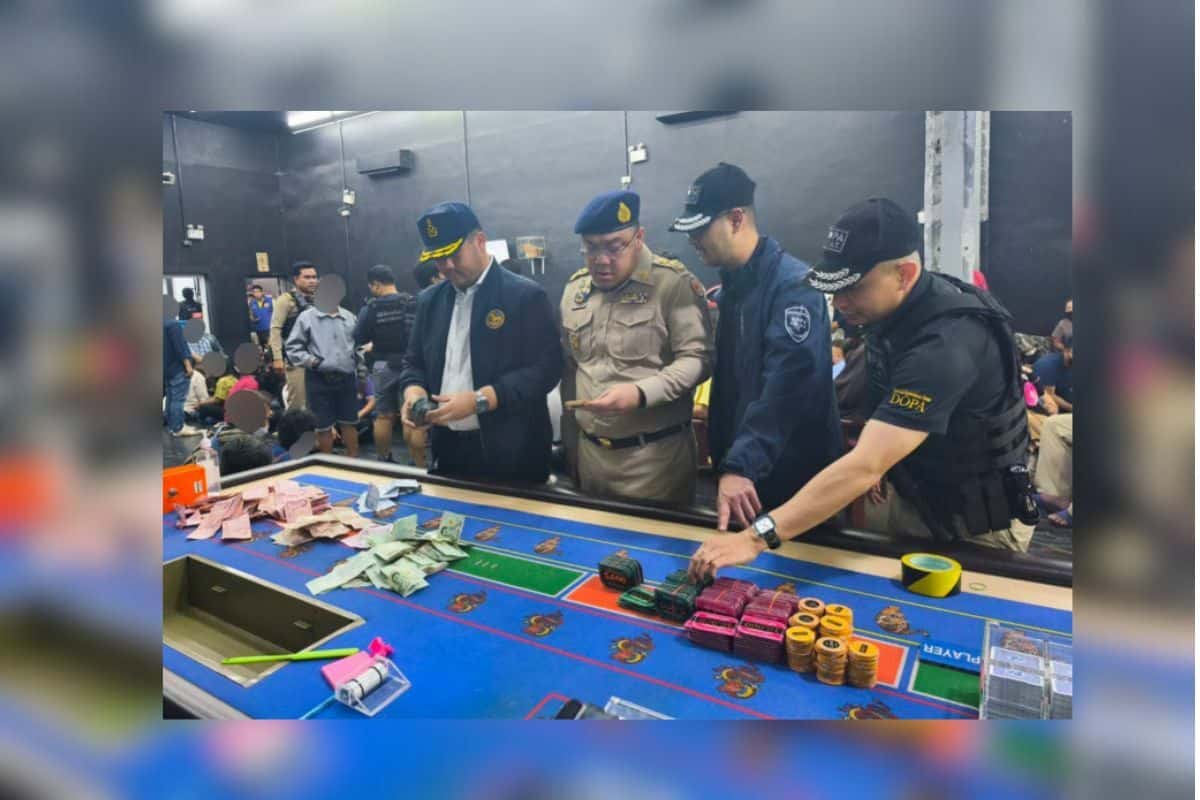
While the Thai government has managed to block hundreds of sites, that doesn’t prevent users with a VPN from accessing them. However, as the users are physically in Thailand, they’re breaking the laws around gambling, and if caught, could be prosecuted. Currently, fines begin at 5,000 THB with two years’ jail on the table for serious offences. While most users get away with it, the government performs major crackdowns around big sporting events. For example, during Euro 2024, 769 gamblers were arrested, and 80 sites were shut down.
The Thai Political Situation in Early 2026
With the dissolution of the Thai government in December 2025 and a caretaker government in place until elections, cryptocurrency and gambling regulations are on hold.
When the new government is sworn in—and who knows how long that will take—it will need to examine how other countries regulate cryptocurrency for purchases and the legality of residents playing at crypto casinos.
What Thailand Can Learn from Other Countries
The two pain points for Thai people and their visitors are not being able to use crypto for everyday purchases or gambling at crypto casinos. Other countries are making positive strides in both areas. For Thailand to stay relevant in these areas, it could learn from the following:
US Crypto Use and Crypto Casino Access
The US is complicated, as the laws are all state-based; what isn’t allowed in one state is allowed in another if you cross over the border.
Cryptocurrency isn’t legal tender in any state. Digital assets are viewed as property and not something liquid. However, some businesses will accept it, and no laws prevent such transactions from happening.
And if you’re wondering what’s the legal status of crypto casinos in the US, that’s a complicated question to answer, as the gambling rules are also state-based. However, crypto casinos aren’t legal in any of the 50 states, but just like Thai residents and visitors, locals use VPNs to access them.

Malta’s Easy Crypto Use and Crypto Casino Allowance
Malta is one of the most progressive countries in the world in its approach to crypto and crypto casinos. It has had a clear regulatory framework in place for cryptocurrency since 2018. Cryptocurrency is fully legal under EU MiCA regulations, which means businesses can accept crypto through licensed providers. It’s attractive to trade too, as there is no capital gains tax on long-term crypto holdings.
As for crypto casinos, the Malta Gaming Authority (MGA) is the benchmark for most other gaming authorities worldwide. It has strict KYC and AML regulations that platforms must adhere to before it issues a license. The MGA provides licenses to crypto casinos, and they can be accessed legally in over 180 countries, provided they have EU passport rights. This is a significant step in the global acceptance of crypto casinos.
Singapore: The Crypto Hub of Asia
Singapore leads Asia in the digital asset economy. Crypto is legal tender and is classified as a Digital Payment Token (DPT). It’s regulated under the Payment Services Act by MAS. Merchants are free to choose to accept it for purchases.
For trading, all crypto service providers must be licensed, and plenty of them are jumping on board. February 2025 saw a record 30 major licenses granted.
The cryptocurrency ecosystem, including crypto casinos, is here to stay. But whether Thailand chooses to embrace it and move forward like Malta and Singapore or stay safely behind like the US remains to be seen. A new government may bring a fresh approach.
Latest Thailand News

























Follow The Thaiger on Google News: