Oil firms deny plans to sue government over diesel price controls

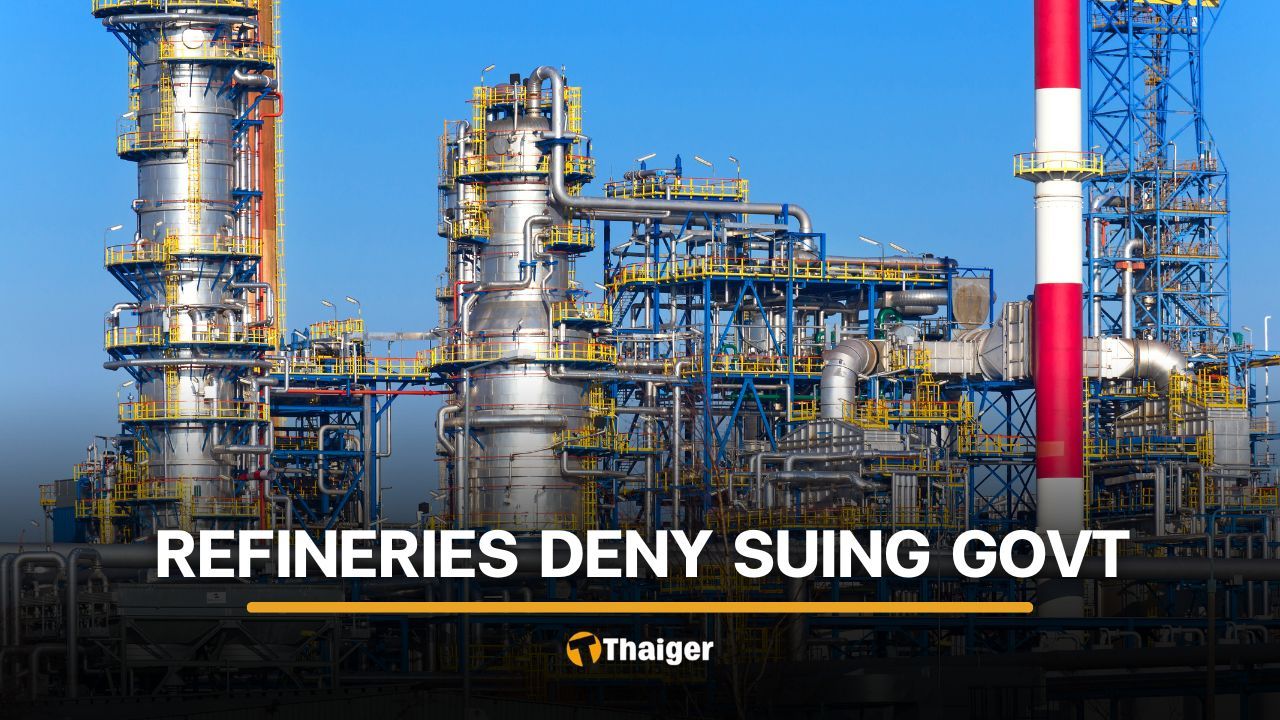
Two oil refineries denied legal action against the Thai government after the Ministry of Energy ordered a reduction in the diesel refining fee to lower retail prices during the ongoing energy crisis.
Energy Minister Akanat Promphan announced on April 7 that the refining margin for diesel types B7 and B20 would be cut by 2 baht. He added that retail diesel prices would fall by 2.14 baht per litre from April 8.
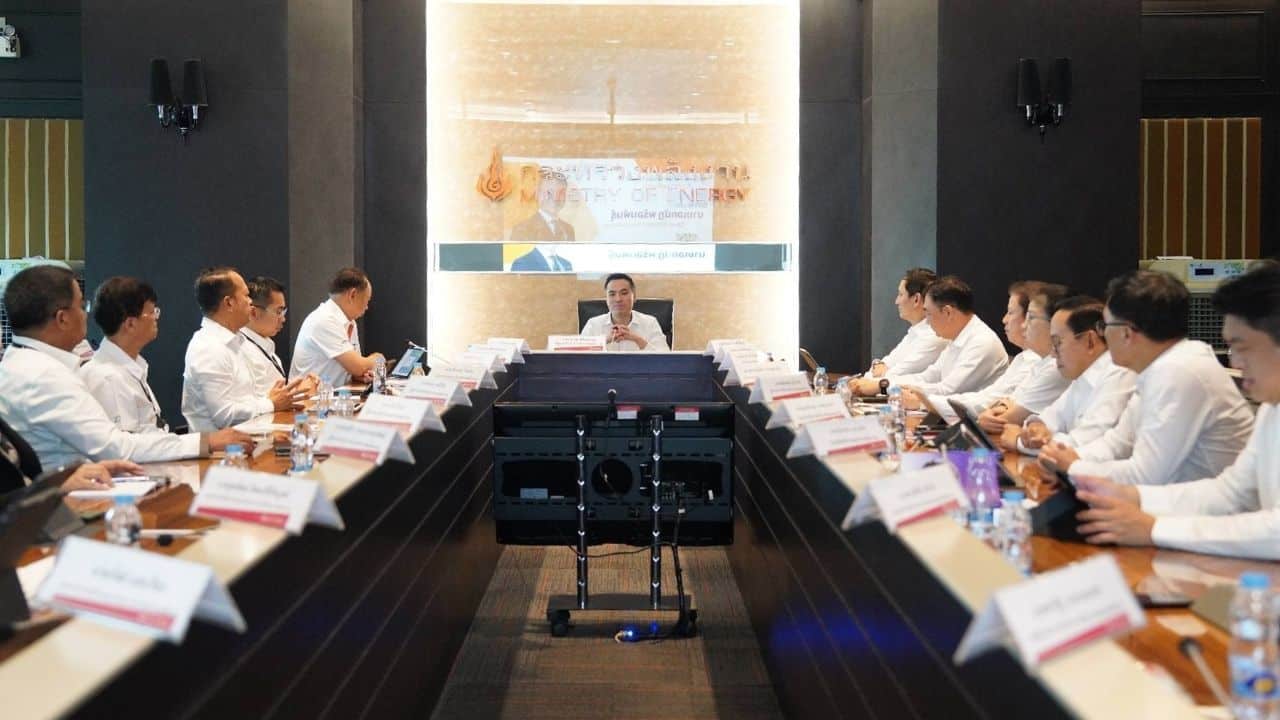
Before issuing the order, Akanat held discussions with six major oil refiners to explore ways to reduce refining margins. The companies invited included Thai Oil, IRPC, PTT Global Chemical, Star Petroleum Refining (SPRC), Bangchak Corporation, and Esso.
Bangchak did not attend the meeting, prompting speculation that the company opposed the government’s decision.
According to The Standard, SPRC’s chief executive officer told the meeting that its parent company could not accept the reduction. Several media outlets reported that the firm was considering legal action in response to the government’s price control measure.
The report stated that the fee reduction was implemented under the Emergency Decree on Remedying and Preventing Fuel Shortages. Despite the legal basis, the measure could be viewed as strict price control, potentially exposing the government to lawsuits, particularly from firms with foreign shareholders.
Yesterday, April 9, journalists questioned Prime Minister Anutin Charnvirakul about the potential legal risks linked to the diesel refining fee Thailand policy. He declined to comment and advised the media to seek updates from the energy minister.


Bangchak later issued a statement clarifying that its executives missed the meeting due to prior commitments. The company denied any plan to sue the government and said it was willing to cooperate with state measures.
The firm also addressed separate reports regarding payments related to passage through the Strait of Hormuz, stating it had not made any payments to the Iranian government. It credited the Ministry of Foreign Affairs for facilitating operations.
SPRC subsequently denied plans to pursue legal action. The company stated it had consistently cooperated with the government in discussions and implementation of measures aimed at maintaining energy stability and reducing the impact on the public.
Latest Thailand News
























Follow The Thaiger on Google News: