Everything you need to enter Thailand in 2024


Planning a 2024 trip to Thailand? Staying updated on the latest Thailand requirements is essential for a smooth travel experience. From visa regulations to health guidelines, understanding Thailand’s entry criteria can seem challenging, but with the right information, it’s manageable
Therefore, strap in as we dissect the details and provide you with reliable and current data to make your trip to Thailand in 2024 as streamlined as possible.
Visa requirements for Thailand 2024

Diving into Thailand’s entry dictates, let’s focus on the visa provisions for the year 2024. This part of your travel preparation is pivotal in your Thai adventure planning.
Understanding visa exemptions
Thailand provides certain Visa exemptions, based on bilateral agreements or national policies. Tourists from many countries benefit from these exemptions, permitting a stay of up to 30 or 90 days without visa issuance. For instance, citizens of Argentina, South Korea or Brazil can stay up to 90 days.
ASTA Global Convention often updates the list of countries having visa-free access. Stay alert for these updates, ensuring a smooth planning of your trip.
Types of visas available
Thailand provides a variety of visas to suit different travellers’ needs. For instance, tourists receive the TR visa, expiring after 60 days. Meanwhile, for those thinking of a prolonged adventure, the METV visa permits multiple entries over 6 months.
Business travellers often resort to the Non-Immigrant Business Visa, while students apply for the Education Visa. Categorising your travel purpose helps in choosing the right visa experience.


Applying for a visa
Applying for a Thailand visa begins with filling out the form from their consulate or embassy online portals. After submission, set a consular appointment to stamp your visa.
From submission to approval, the procedure usually spans 5-10 business days. Expedite your process using premium service, if needed.
Embarking on your Thai adventure, remember to cross-check entry conditions. Always stay updated on regulations for a hassle-free journey. Consult reputable sources or professionals for reliable visa-related or entry requirements guidance. Keep these points in mind as you set forth on your 2024 journey to stunning Thailand.
Guidelines for entry amid COVID-19

In the wake of COVID-19, Thailand has instituted precise health regulations for all visitors who are arranging a journey to the nation in 2024. This article delves into two critical components of these guidelines: vaccination prerequisites and health insurance stipulations.
Thailand’s door policy: Needles and all
If you’re packing your bags for Thailand, don’t forget to pack your vaccine certification too. They insist on all tourists getting fully vaccinated with any COVID-19 vaccine by the big-shot health authorities, like the World Health Organization. We’re talking AstraZeneca, Johnson & Johnson, Moderna, Pfizer-BioNTech, Sinovac, and Covishield here. Make sure you’re updated with the Vax Scoop because the world’s health scene is changing faster than fashion trends.
Health insurance mandates
During 2024, anyone exploring Thailand must comply with health insurance mandates. This policy implies that every traveller, including tourists, students, and businesspeople, must have valid health insurance. Specifically, a coverage amount of at least $100,000 dedicated towards COVID-19 treatment is a requirement. Thus, to ensure your journey remains smooth and hassle-free, understanding and adhering to this mandate becomes essential.
Exploring Thai customs and immigration: An in-depth analysis
The objective of this article is to illuminate the complex facets of Thailand’s immigration requirements in 2024, placing strong emphasis on its customs and immigration processes.
Fundamental documentation for travel
The labyrinthine nature of immigration can pose significant challenges, thus making the thorough preparation of travel documents a paramount factor in one’s travel. Below is a well-rounded compilation of the critical documents required upon your arrival at the Thai customs:
Valid passport – Ascertain the validity of your passport extends at least six months from your intended date of arrival in Thailand.
Visa relevant documents – The requirement for specific visa documents hinges on the intended purpose of your visit to Thailand. For a brief sojourn, a tourist visa or a business visa is typically required. Given the mercurial nature of immigration norms, it is advised to stay informed about the prevailing visa necessities for Thailand in 2024.
Comprehensive insurance coverage – Along with items for personal comfort, travellers must obtain an insurance policy with a coverage of a minimum of $100,000 for COVID-19 treatment that will add a safety layer to your visit to Thailand.
Vaccination certificate – Observance of necessary vaccination protocols is essential. Your certificate serves as proof of your readiness for the travel.
Please be aware that customs officials may ask for additional documentation based on the current situation or recent guideline modifications. This is standard practice and should not instigate alarm.
Entry and exit rules
Understanding entry and exit rules prevents unnecessary surprises during your travel. Generally, travellers must abide by the following rules:
-
Visa validity – While you might secure an entry visa, remember its validity starts from your date of issue, not from the date of entry into Thailand.
-
Overstays – Overstaying your visa can lead to fines and legal consequences. Pay strict attention to the expiry date on your visa to avoid such issues.
-
Visa extensions – Understanding the procedure for visa extensions can save you in unforeseen circumstances. It’s usually done through the local immigration office within Thailand.
-
Exit requirements – When exiting Thailand, ensure you do not carry forbidden items as per Thailand’s customs regulations. Non-compliance with these regulations can entail punitive action.
By adhering to these customs and immigration procedures, you ensure a smooth travel experience to Thailand in 2024. Explore deeper into specific regulations if you’re visiting for an extended period or purposes aside from tourism.
Long-term stays in Thailand
Read on for a deep dive into privilege and long-term residence visas, and understanding how to extend your stay legally.
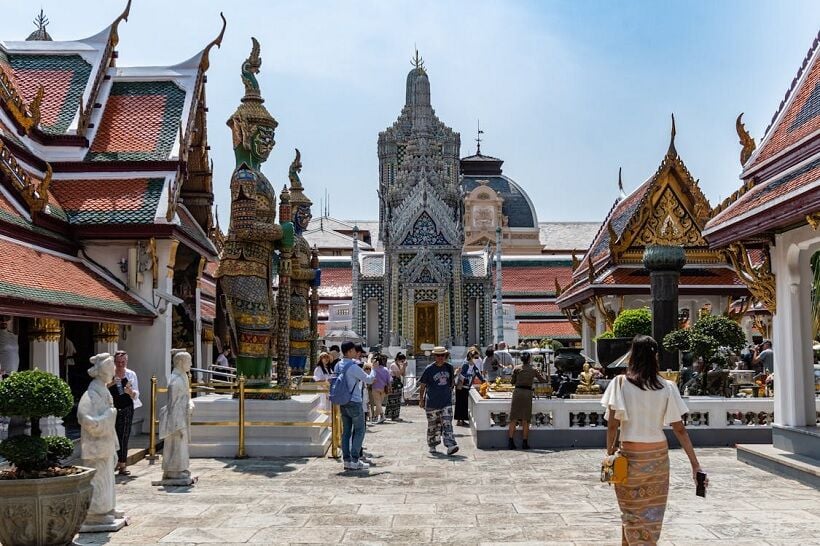
Privilege and long-term residence visas
Dominating the list of entry requirements for long-term stays, privilege and long-term residence visas hold key importance. They’re your passport to residing in Thailand beyond the usual tourist visa limitations. They come in several types, tailored to different situations. Let’s take an example – Elite visa, which provides the holder with numerous benefits, from multiple long-term entries (up to 20 years) to golf club memberships.
For professionals, there exists the Non-immigrant visa ‘B’, aimed at those intending to work or do business in Thailand. Additionally, the Non-immigrant visa ‘O-A’, also known as the long-stay visa for persons over 50 years of age, grants the holder a stay of 1 year, extendable in-country.
As a prerequisite, submission of financial proof is common across most residence visas. Furthermore, immigration officers at the point of entry have the power to request additional supporting documents, as deemed necessary.
Extending your stay legally
Extending your stay legally in Thailand goes beyond simply ‘living the dream’. Overstaying is met by strict penalties – from steep fines to deportation. Grasping the clear procedures for visa extensions is, thus, crucial.
For non-immigrant visas, extension is possible in-country at the Immigration Bureau. Processing generally takes a few weeks, therefore, timely application is critical. The cost of extension is around 1,900 Thai Baht, though, it may change based on yearly reviews.
Knowledge of visa run, once a popular method of maintaining legal stay, is noteworthy. Recent clampdowns on successive border hops mean it’s no longer a viable option. Stick to the rulebook for a hassle-free, long-term experience in Thailand.
Travel tips and advisories
In this section, you’ll find valuable advice regarding your health, safety, and observing etiquette during your stay in Thailand.

Travel tips for your Thai trip
Before you pack your bags for Thailand, let’s talk a little about staying healthy! No one wants to get sick on their holiday, right? So, the top tip is to get your shots before the trip. We’re talking about Hepatitis A, Typhoid, and Tetanus-Diphtheria. The good folks at WHO (World Health Organisation) are the ones who recommend these, so it’s smart to take their advice.
Dengue Fever and Zika Virus are mosquito-borne illnesses that you don’t want to catch! And don’t forget to drink loads of water and lather on the sunscreen like it’s your new favourite body lotion – ’cause the Thai sun isn’t messing around! So, stay safe under that tropical sun, my friend!
Road safety remains critical. Case studies reveal a high rate of road traffic accidents in Thailand. Hence, be cautious if you plan to use motorcycles or bikes during your trip. Always wear a helmet, keep in mind traffic laws, and avoid over-speeding.
Cultural etiquette and laws
In Thailand, culture demands respect. Acknowledge the Wai – the traditional Thai greeting – without the expectation to return it perfectly. Respect towards the Thai Royal Family constitutes a legal obligation – remember to stand still during the Thai National Anthem at public events.
Thai laws strictly prohibit insulting or defaming the monarchy (Lèse-majesté law). Offences under this law could lead to imprisonment, reflecting the severity of such actions.
Taking photographs with Buddha images for non-worship purposes is considered disrespectful and can be legally penalised. Similarly, note that it’s illegal to take historical artefacts out of the country.
Dress modestly, particularly when visiting religious sites. Shoulders and knees should be covered, and shoes removed when entering temples.
By navigating Thailand’s entry requirements and visa entry, and adhering to these tips and advisories, your trip is assured to be enjoyable, safe, and respectful of Thai culture.
Remember, meeting Thailand’s requirements is crucial for a smooth trip. Ensure you are fully vaccinated and have valid health insurance. If you plan a long-term stay, don’t overlook the visa extension procedures. Stay updated on travel tips and advisories, especially health advice and precautions against mosquito-borne diseases. Adhering to road safety measures is essential, and being culturally respectful will enhance your experience.
Respect local customs, laws, and the Thai Royal Family to ensure a memorable visit. By following these steps, you can look forward to an enjoyable, safe, and culturally rich adventure in Thailand. Your dream Thai journey awaits!
Are you preparing for a visa interview? Check out our article, The Ultimate Preparation Checklist for Your 2024 Visa Interview. It’s a crucial step on your journey to studying abroad, and getting it right can significantly boost your chances of success. Whether it’s your dream university in Thailand or another destination, the visa interview is where you make your case.
Latest Thailand News
























Follow The Thaiger on Google News: