Election Commission targets people over ballot image sharing and decoding


Election Commission of Thailand (ECT) filed a complaint against a group accused of sharing images of barcodes and QR codes on ballot papers online and attempting to decode them, saying the activity was intended to discredit the commission.
The ECT ballot barcode and QR code issue emerged during vote counting in the latest General Election. Members of the public gathered at polling stations to observe the count, with some livestreaming or filming the process as part of efforts to monitor transparency.
Images and videos of ballot papers later circulated on Thai social media, where some users said they noticed an unexpected barcode and QR code on each ballot. Questions were raised about whether votes would remain anonymous if the barcode could be used to trace a voter’s identity and how they voted.
As public pressure grew, the ECT was asked to clarify the matter. The report cited experts who stated that ballots could be tracked using the barcode printed on them.
The ECT later held a press conference, stating the barcode was not intended to be printed on each ballot. The commission said the factory producing the ballots required the barcode to support stock counting and manufacturing tracking.
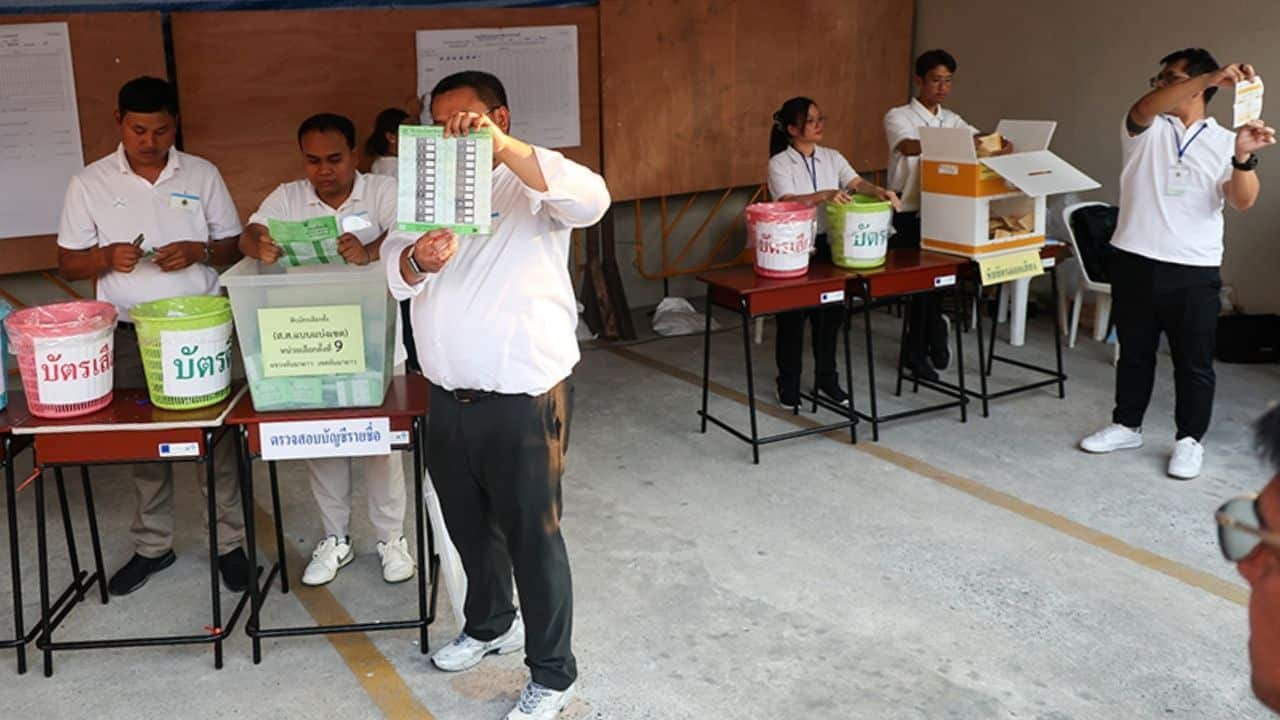
The commission also said the ballots would be kept securely by officials, and that votes would remain secret under the law even if the barcode could be traced.
Following the controversy, some people and politicians called for the election result to be invalidated due to the barcode issue, while others urged legal action against the ECT for allegedly violating laws related to protecting the secrecy and security of votes.


Amid multiple vote-counting concerns and allegations of corruption, re-elections were held on February 22 at several polling units nationwide, including in Kannayao, Bangkok. The report said many people were watching to see whether ballots used in the re-election would also include barcodes.
In addition to voters, others visited the polling station to monitor both the barcodes on ballots and the vote-counting process.
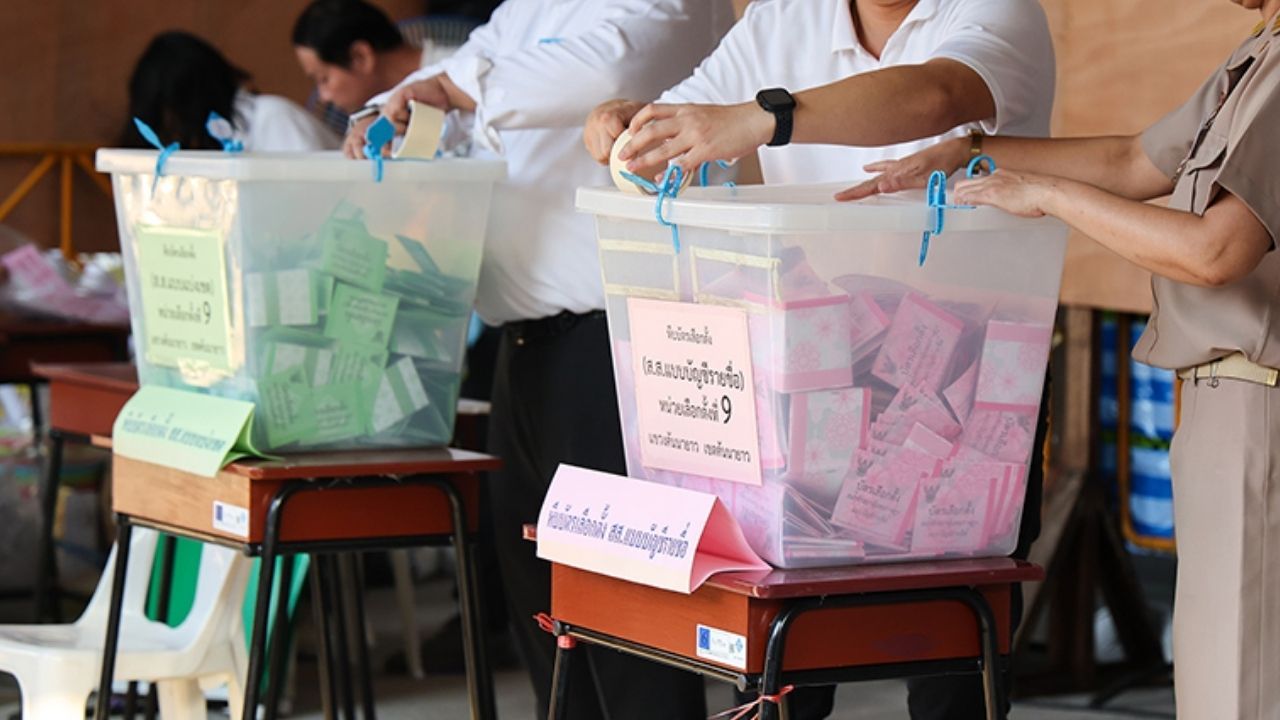
However, Bangkok Election Commission Director Samphan Saengkhamlert reportedly prevented people from taking photos of ballots and the codes, saying doing so was against the law. Despite the restriction, ballot images were still shared online and showed barcodes were present.
Yesterday, ECT Deputy Secretary-General Kanchit Charoen-in visited the Central Investigation Bureau (CIB) to file a complaint against a group of four to five people. He accused them of filming ballots without permission and attempting to decode the barcodes in a way he said was meant to undermine the ECT.
Kanchit said the group visited the Kannayao polling station and carried out actions he described as illegal, alleging they obstructed officials performing their duties and interfered with the General Election. He also said others who previously shared ballot images could face charges.

Kanchit did not disclose the identities of those named in the complaint. However, DomeCloud CEO Thanarat Kuawattanaphan said he believed he was among the group referred to.
Thanarat said he visited the Kannayao polling station to monitor voting and vote counting, and that he confronted Kanchit to raise concerns about the barcode issue.
He said he did not take photos of ballots or attempt to decode the barcode, adding that he knew the barcode could be traced. Thanarat called on the ECT to provide a clear public explanation, arguing it would be better than pursuing legal action against people who raised questions.

Latest Thailand News

























Follow The Thaiger on Google News: