How Thailand’s construction industry is turning to ERP systems for control, transparency, and scale


Thailand’s construction industry is entering a decisive phase of transformation. With large-scale infrastructure projects accelerating across the country, particularly under initiatives such as the Eastern Economic Corridor (EEC), contractors are facing increasing pressure to deliver projects faster, more efficiently, and with tighter cost control.
This shift is not only about scale. It is about complexity. Modern construction projects involve multiple stakeholders, international supply chains, strict regulatory requirements, and constantly changing conditions on-site. In such an environment, traditional methods of project management are proving insufficient.
As a result, construction companies in Thailand are increasingly turning toward integrated digital platforms, specifically, project-centric ERP (Enterprise Resource Planning) systems to manage the full lifecycle of their projects.
From fragmentation to integration
For decades, many construction firms have relied on a combination of disconnected tools to manage their operations. Budgeting might be handled in spreadsheets, scheduling in standalone planning software, procurement in separate systems, and financial reporting in accounting platforms that operate independently of project execution.
While each of these tools serves a purpose, the lack of integration creates systemic inefficiencies. Information must be transferred manually between departments, discrepancies are common, and decision-making is often based on outdated or incomplete data.
This fragmentation becomes particularly problematic in large infrastructure projects, where even minor inconsistencies can lead to significant financial and operational consequences.
The move toward integrated ERP platforms represents a fundamental shift away from this fragmented approach. Instead of managing projects through isolated systems, companies are adopting unified environments where all project data is interconnected.
![Everything you need to know about the Singha family drama in Thailand [So far] | Thaiger](https://thethaiger.com/wp-content/uploads/2026/05/สำเนาของ-23-34-2-4-220x150.jpg)

A new model built around the project
What distinguishes project-centric ERP systems from traditional enterprise software is their structure. Rather than focusing on generic business processes, these platforms are built around the logic of project execution.
At the core of this model is the integration of three key dimensions: the commercial scope of the project, the way it is executed, and the way costs are tracked. These are typically represented through the Bill of Quantities (BoQ), the Work Breakdown Structure (WBS), and financial cost codes.
When these elements are linked, every activity, whether it is a procurement transaction, a labour entry, or a subcontractor certification, carries a direct relationship to both the project structure and its financial framework.
This approach enables continuous alignment between what is planned, what is being executed, and what is being spent. It also eliminates the need for time-consuming reconciliation processes that traditionally occur at the end of reporting periods.
This type of integrated architecture allows construction companies to operate with a single data environment, where information is entered once and used across all functions, ensuring consistency and traceability throughout the project lifecycle.
Real-time visibility and decision-making

One of the most significant advantages of modern ERP platforms is the ability to monitor project performance in real time.
In traditional systems, cost overruns or delays often become visible only after financial reports are compiled, by which time corrective actions may be limited. In contrast, integrated ERP systems provide continuous feedback on project performance as it unfolds.
This includes visibility into cost consumption, resource utilisation, and progress against planned schedules. By linking operational data directly to financial outcomes, project managers can identify deviations early and respond accordingly.
For Thailand’s infrastructure projects, where margins can be tight and timelines critical, this shift from retrospective reporting to real-time insight represents a major advancement.
International solutions entering the Thai market
As demand for advanced construction technology grows, international software providers are increasingly focusing on Southeast Asia, including Thailand.
One such provider is DANAOS Projects Software Solutions LLC, a Dubai-based company specialising in enterprise software for project-driven industries. The company is the developer of ProjectVIEW ERP, an integrated platform designed specifically for construction, marine works, shipbuilding, mining, and other complex project environments.
DANAOS Projects operates globally, with offices in regions including Europe, the Middle East, and Asia, and positions ProjectVIEW ERP as a tier-one enterprise solution for large-scale organisations.
What differentiates ProjectVIEW ERP is its underlying business logic, which continuously aligns project processes against time and cost parameters derived from the Work Breakdown Structure and the Bill of Quantities. This creates a dynamic environment where deviations can be identified and addressed as they occur, rather than after the fact.
The system is designed to support the full lifecycle of a project, from bidding and budgeting through to procurement, site operations, and financial reporting. By integrating all these functions into a single platform, it enables construction firms to maintain control over complex operations while improving efficiency and transparency.
Digital transformation and Thailand 4.0
Thailand’s broader economic strategy, often referred to as Thailand 4.0, emphasises the adoption of digital technologies across key industries. Construction, as one of the country’s most critical sectors, is a central part of this transformation.
The adoption of ERP systems aligns with national objectives to improve productivity, enhance transparency, and support sustainable development. For construction firms, this means moving beyond traditional practices and embracing digital tools that enable better planning, execution, and control.
Enterprise ERP platforms also support compliance with international standards and best practices, which is increasingly important for companies involved in cross-border projects or partnerships.
DANAOS Projects, for example, operates under internationally recognised certifications, including ISO standards for quality management and information security, reinforcing its positioning as a provider of enterprise-grade solutions suitable for regulated and large-scale environments.
Toward a unified construction ecosystem
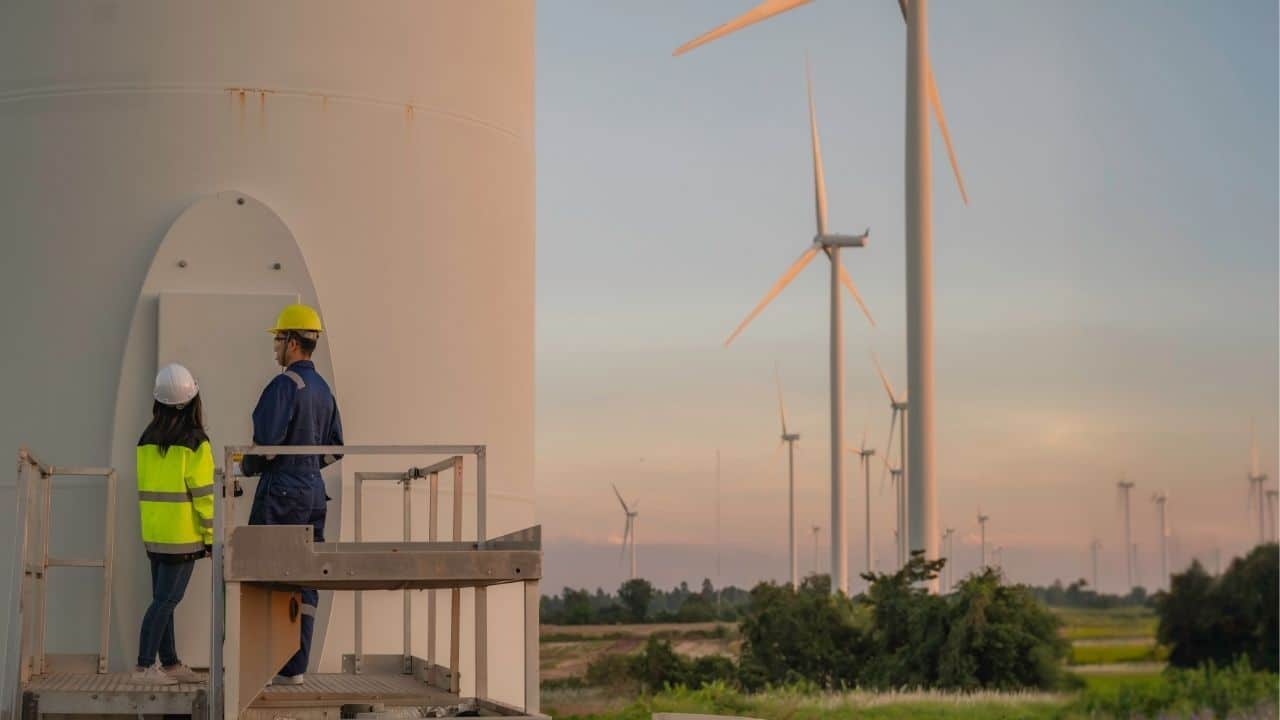
The evolution of ERP systems reflects a broader shift in how construction projects are managed. Rather than viewing project phases, such as estimation, procurement, execution, and finance, as separate processes, modern platforms treat them as interconnected components of a single ecosystem.
In this model, data flows seamlessly from one stage to another. A budget created during the bidding phase becomes the foundation for cost control during execution. Procurement activities are directly linked to project requirements, while site operations feed real-time data into financial reporting.
This level of integration enables companies to operate with greater precision and coordination, reducing inefficiencies and improving overall project outcomes.
It also supports a more strategic approach to decision-making, where leaders can rely on accurate, real-time information rather than fragmented reports.
A structural shift, not a trend
The adoption of project-centric ERP systems in Thailand is not simply a technological trend. It represents a structural shift in how construction companies operate.
As projects become more complex and competitive pressures increase, the ability to manage operations holistically, across time, cost, and execution, is becoming a critical success factor.
Companies that embrace integrated systems are better positioned to deliver projects on time, control costs, and maintain profitability. Those who continue to rely on disconnected tools may find it increasingly difficult to keep pace.
Looking ahead
Thailand’s construction sector is poised for continued growth, driven by infrastructure investment, urban development, and regional connectivity initiatives. As this growth continues, the role of digital platforms will become increasingly central.
Project-centric ERP systems, such as ProjectVIEW ERP, are likely to play a key role in shaping the future of the industry, providing the tools needed to manage complexity, enhance transparency, and support sustainable project delivery.
In a landscape defined by scale and precision, the integration of project data, processes, and financial control is no longer optional. It is becoming the foundation upon which modern construction is built.
Latest Thailand News
























Follow The Thaiger on Google News: