Questions raised after ITD wins safety award despite deadly construction accidents

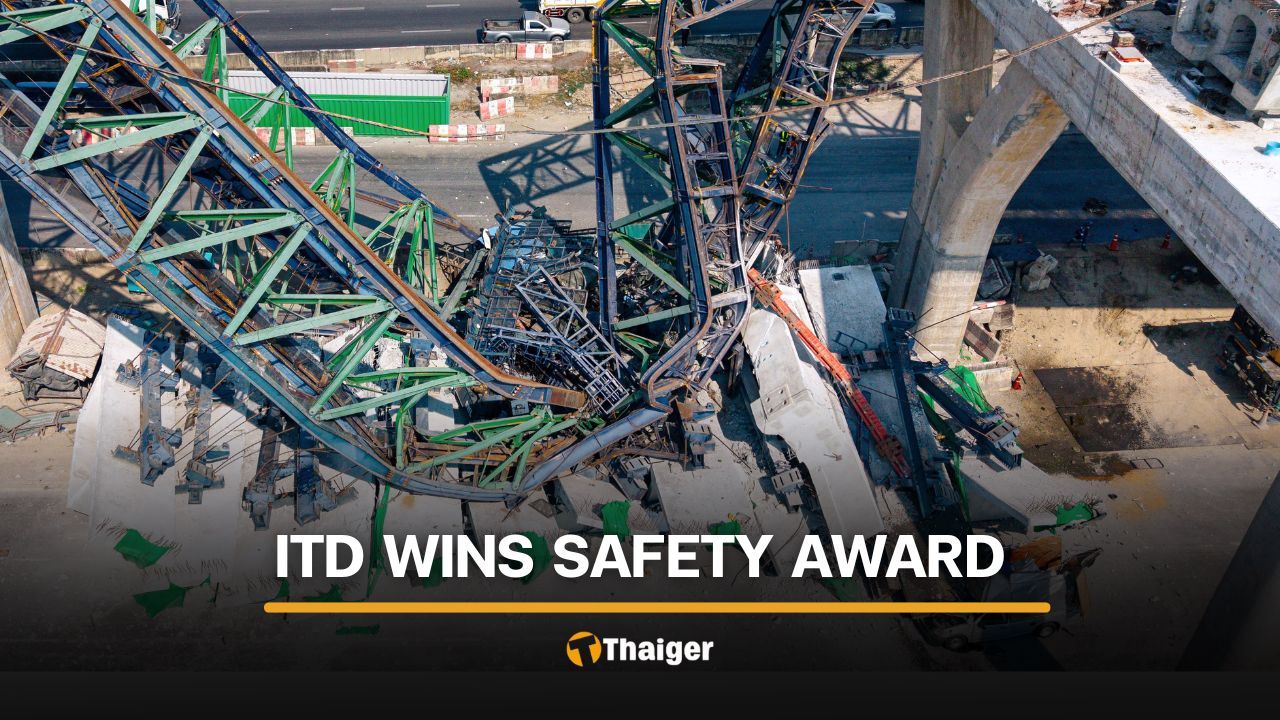
The Department of Labour Protection and Welfare came under heavy criticism after it emerged that Italian-Thai Development (ITD) received a national safety award despite a series of deadly construction accidents.
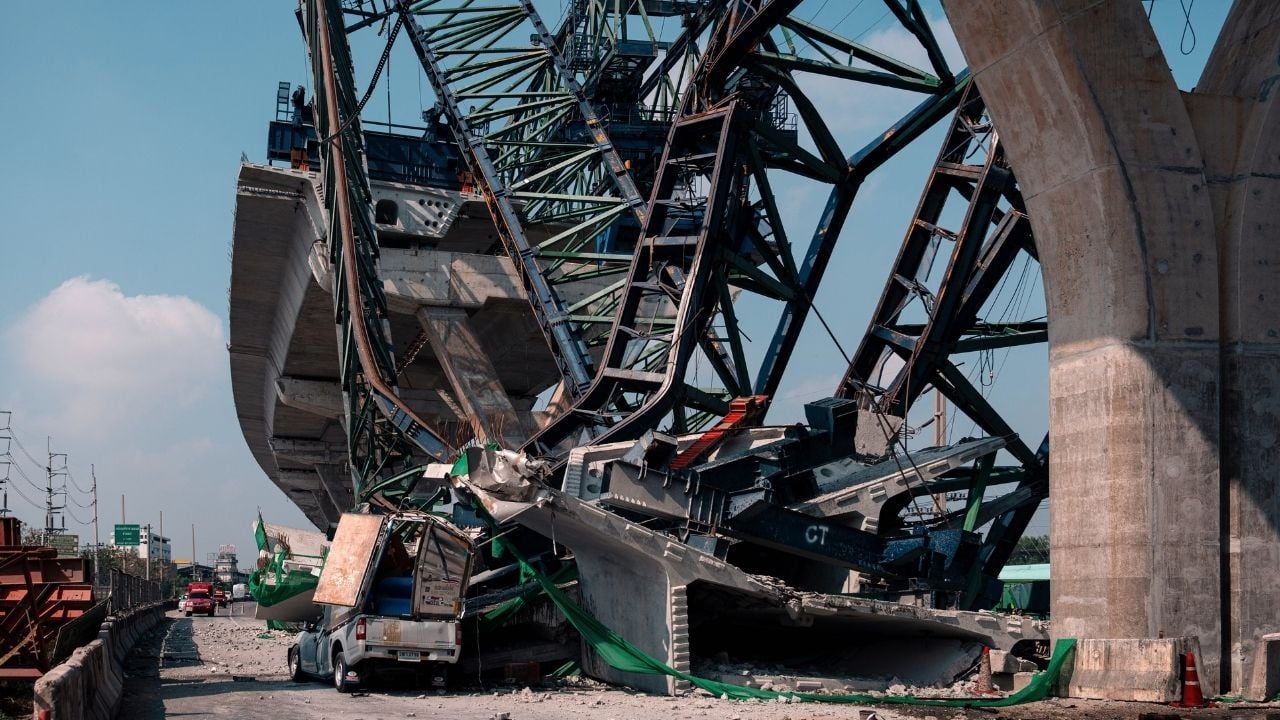
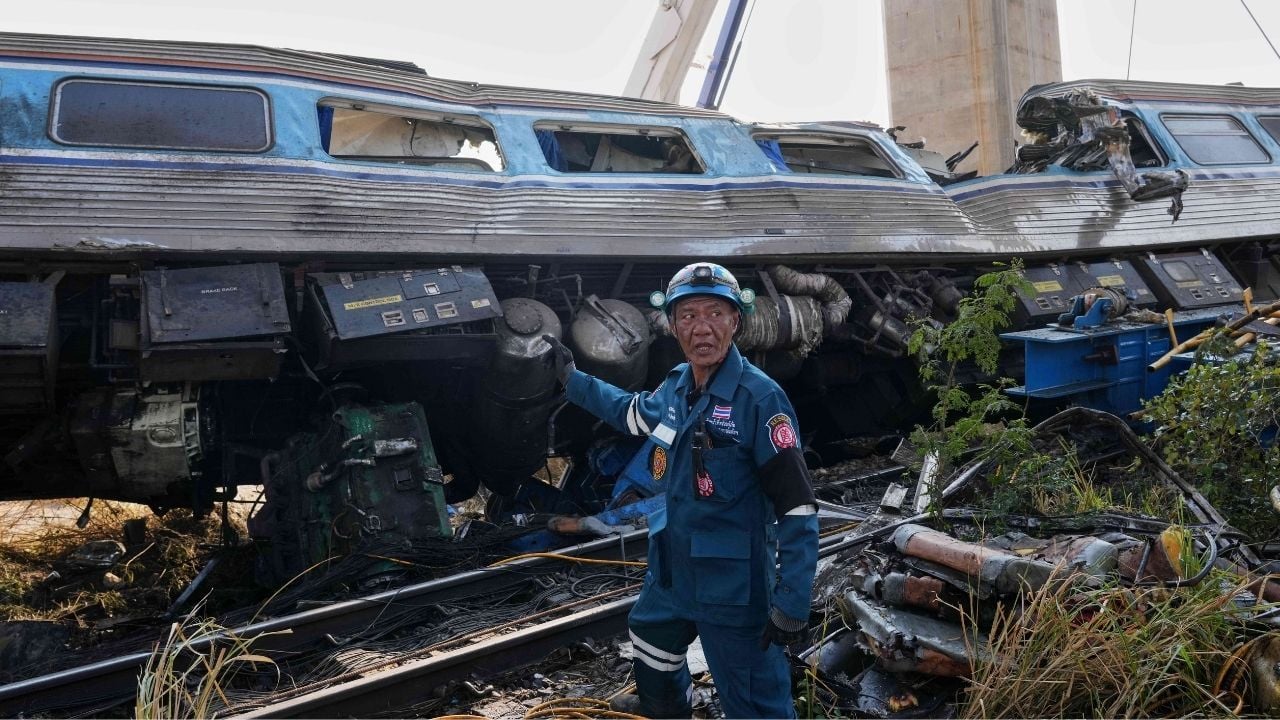
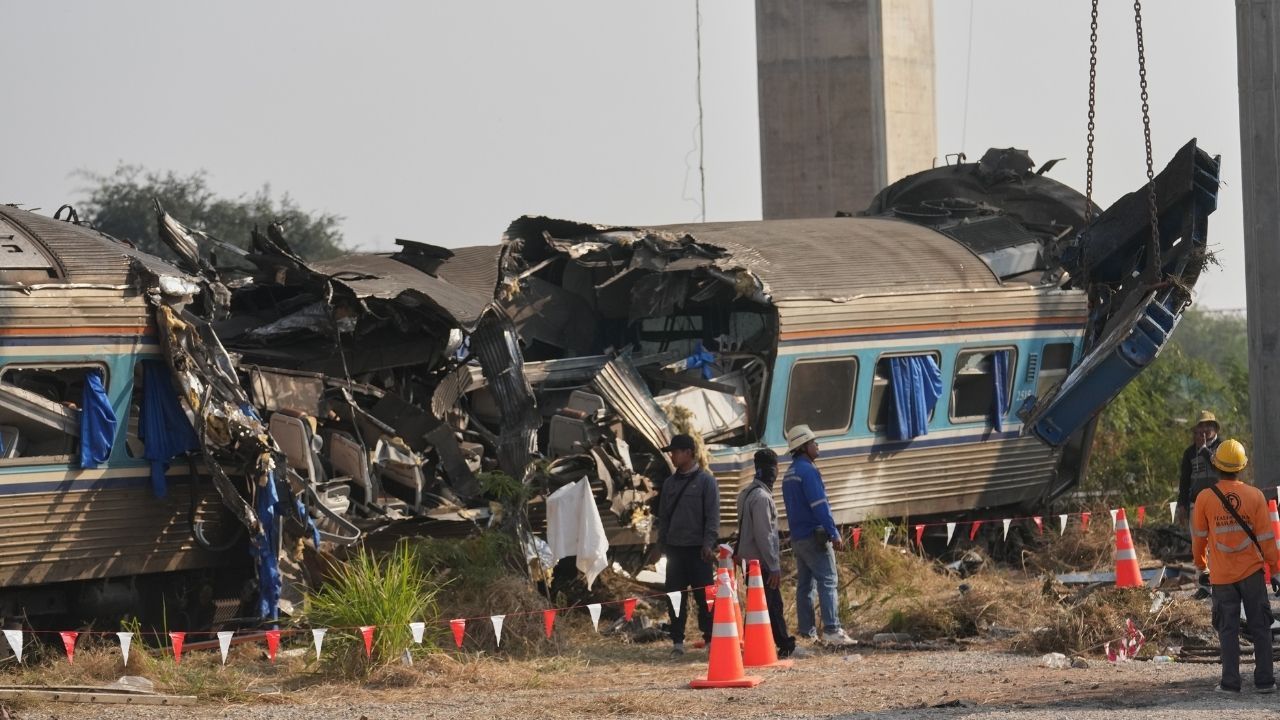
Public scrutiny intensified following the recent crane collapse in Nakhon Ratchasima, which struck a passenger train, and another collapse on Rama II Road near Bangkok. Both incidents resulted in deaths and multiple injuries.
These tragedies also revived public anger over a previous major disaster involving ITD, the collapse of the State Audit Office building, which caused widespread loss of life.
Online criticism escalated after netizens discovered that ITD was granted the Thailand Safety Award on December 19 last year. Many questioned how the company could qualify for such recognition in light of its history of fatal construction mishaps.
Some social media users accused authorities of applying questionable criteria, while others suggested that ITD benefited from protection due to the influence of its management and business connections.
In response to the backlash, Saroj Komkhai, Director-General of the Department of Labour Protection and Welfare, stepped forward to clarify the issue on Sunday, January 19.
Saroj explained that the award was not granted to ITD as a whole, but specifically to individual company units and construction projects that the firm submitted for evaluation. These included an industrial construction structure manufacturing facility in Saraburi and a hospital construction project in Bangkok’s Chatuchak district.


According to Saroj, both projects passed a strict assessment based on occupational safety standards, safety management systems, executive and employee participation, and safety performance outcomes.
He said the evaluated units had no records of safety-related criminal cases, no work-related fatalities, no permanent disabilities or loss of limbs, and no injuries requiring employees to take leave for more than three days.
The projects were also found to have clear policies on corporate social responsibility in occupational safety and health.
Saroj stressed that the department did not consider ITD’s other construction projects when granting the award, reiterating that the recognition applied only to the specific units and sites submitted for evaluation.
He added that the department places the safety, health, and working environment of workers as its top priority, and pledged that authorities would continue to closely monitor construction sites, strictly enforce labour and safety laws, and protect workers’ rights and quality of life.
Despite the clarification, public debate continues, with many calling for a broader review of how safety awards are granted and whether a company’s overall safety record should be taken into account rather than isolated projects.
Latest Thailand News

























Follow The Thaiger on Google News: