Thailand introduces guidelines for intoxication checks before alcohol sales

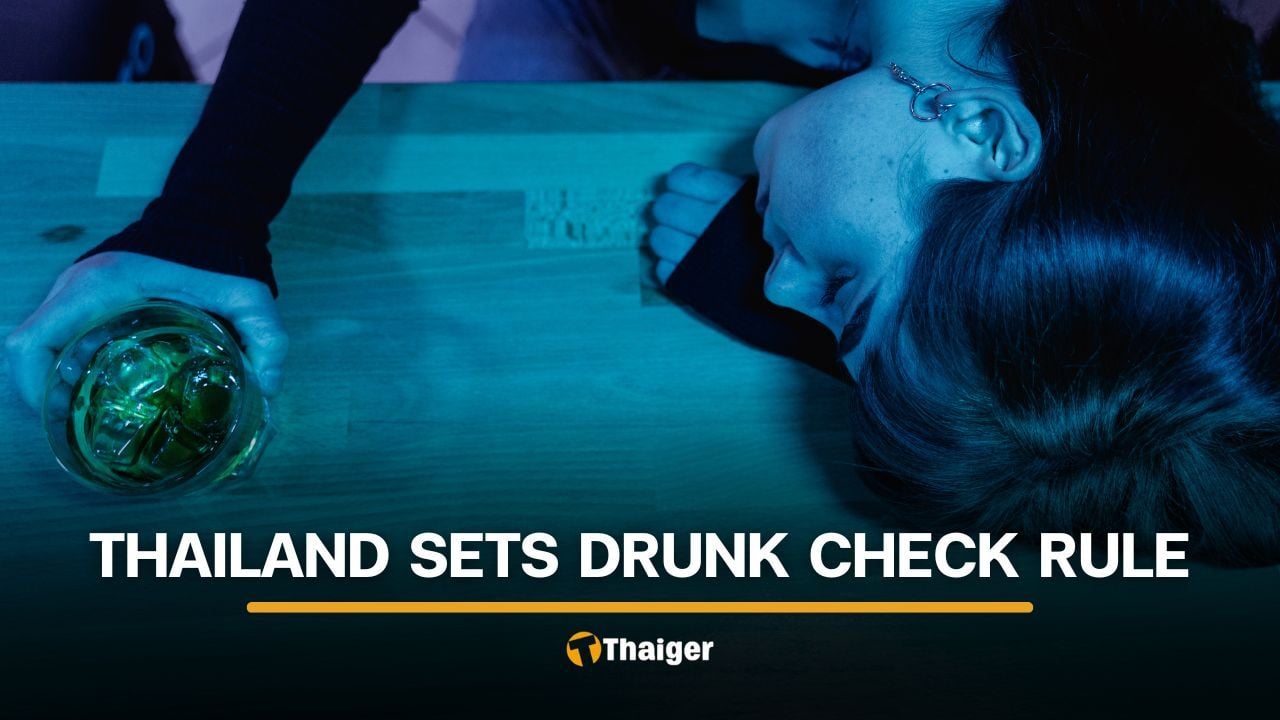
Thailand’s Royal Gazette published guidelines on how alcohol vendors should assess whether customers are intoxicated before serving further drinks, following a new regulation that bans sales to already drunk people.
The regulation was announced in December last year and is set out under Section 29 of the Alcohol Control Act. Under the rule, vendors are prohibited from selling alcohol to drunk customers.
Sellers who provide alcohol to drunk customers who later cause harm, damage, injury or death may face legal penalties and compensation claims.
When the measure was introduced, officials did not specify clear methods or criteria for determining who should be considered drunk, leaving vendors to rely on their own judgement. However, the Royal Gazette issued an announcement clarifying assessment methods and guidelines today, March 30.
Disease Control Department director Monthian Kanasawat said a person should be considered intoxicated if they show clear impairment in balance and body movement, such as unsteadiness or difficulty standing, or display behaviour that could endanger themselves or others, or disturb public order.
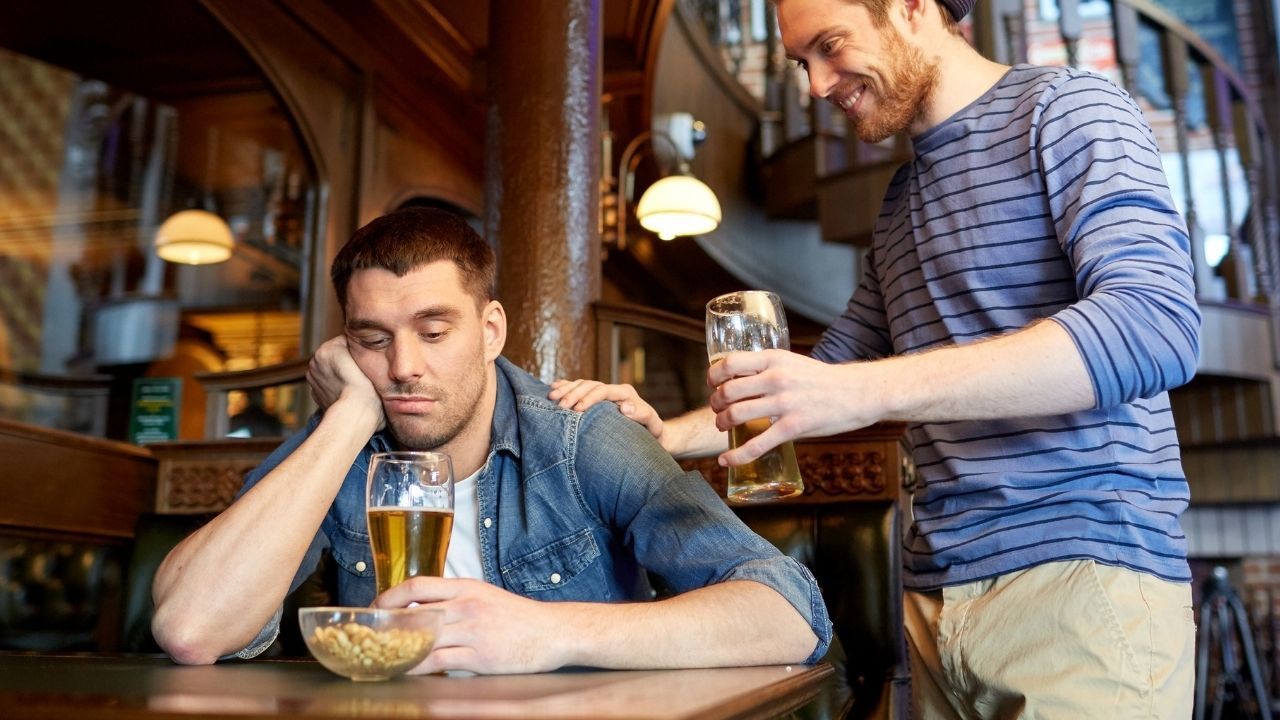
The announcement also lists signs to be considered when a person has an alcohol odour and shows one or more symptoms, including physical, verbal and behavioural indicators.
Physical signs include red eyes or eye twitching, and impaired motor control such as an unsteady gait, difficulty walking straight, difficulty standing, collapsing, or noticeable hand tremors.

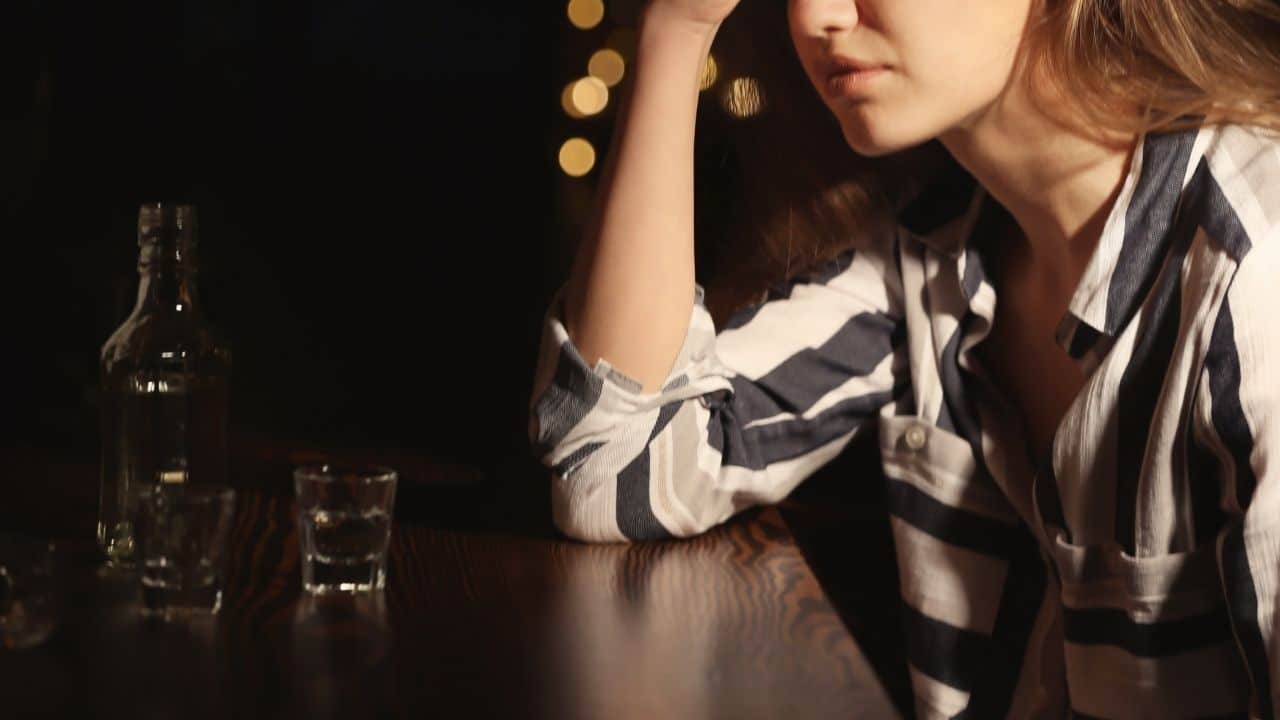
Verbal and behavioural signs include speaking indistinctly, incoherently or repetitively. Other signs include mood swings, irritability, aggression, harassing others, displaying sexually suggestive behaviour, making threats or provocative statements, and an impaired state of awareness, such as confusion or drowsiness.
The guidelines recommend three main methods for checking intoxication. The first one is a self nose-touching test. A person suspected of being drunk is asked to close their eyes, extend an arm forward and point a finger straight, then bend the elbow to touch their nose.
If the person shows noticeable hand tremors or misses their nose by more than one centimetre, they are considered intoxicated.
The second is a foot-to-foot alternating test. The person is required to walk 10 steps forward in a straight line, placing heel to toe while alternating feet, then turn around using one foot and walk another 10 steps back.
If any of the listed abnormalities are observed two or more times during the test, the person is considered intoxicated.
The abnormalities include being unable to walk continuously with the heel close to the toe, stepping off the line or clearly stumbling, extending the arms to support balance, stopping before completing 10 steps, or being unable to turn correctly.
The third method is a single-leg counting test. The person is asked to stand upright, lift one leg about 15 centimetres off the ground and count from 1,001 onwards for 30 seconds.
If the person puts the foot down early, uses their arms to maintain balance, sways, or stands on tiptoe, they are considered intoxicated.
ThaiRath reported the announcement has been in effect since March 28. Officials also urged drinkers to assess their own intoxication before placing further orders and avoid drinking after hours.
Latest Thailand News




















Follow The Thaiger on Google News: