PM Anutin orders termination and blacklisting of Italian-Thai Development

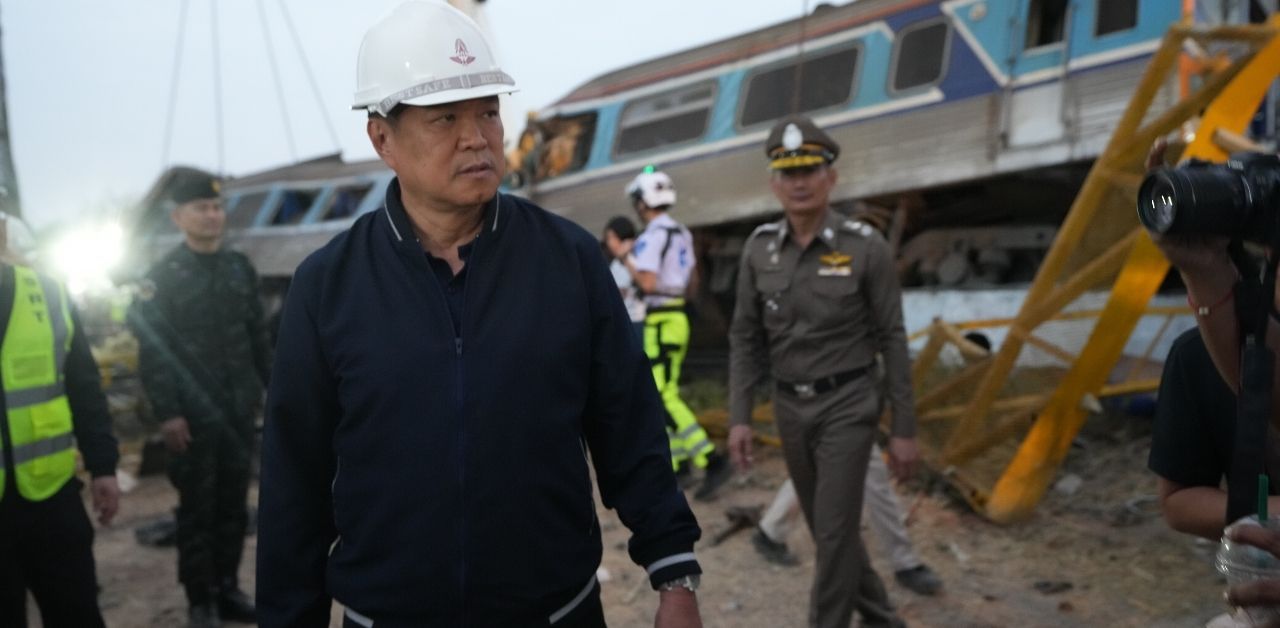
Thailand’s Prime Minister (PM) Anutin Charnvirakul ordered the Ministry of Transport to terminate construction contracts with Italian-Thai Development (ITD) and blacklist the contractor, following a series of deadly infrastructure accidents that sparked intense public backlash.
The decision comes in the wake of two high-profile tragedies: the crane collapse onto a passenger train in Nakhon Ratchasima and the crane accident on Rama II Road in Samut Sakhon, both of which were overseen by ITD.
The incidents sparked widespread criticism over construction safety standards and contractor accountability, prompting swift action from the government.
Speaking to reporters after a parliamentary meeting yesterday, January 15, Anutin said the Transport Ministry would revoke ITD’s contracts related to the two projects and pursue all legal avenues to prevent further danger to the public.
He stressed that blacklisting the contractor was necessary to restore public confidence and protect Thailand’s international image.
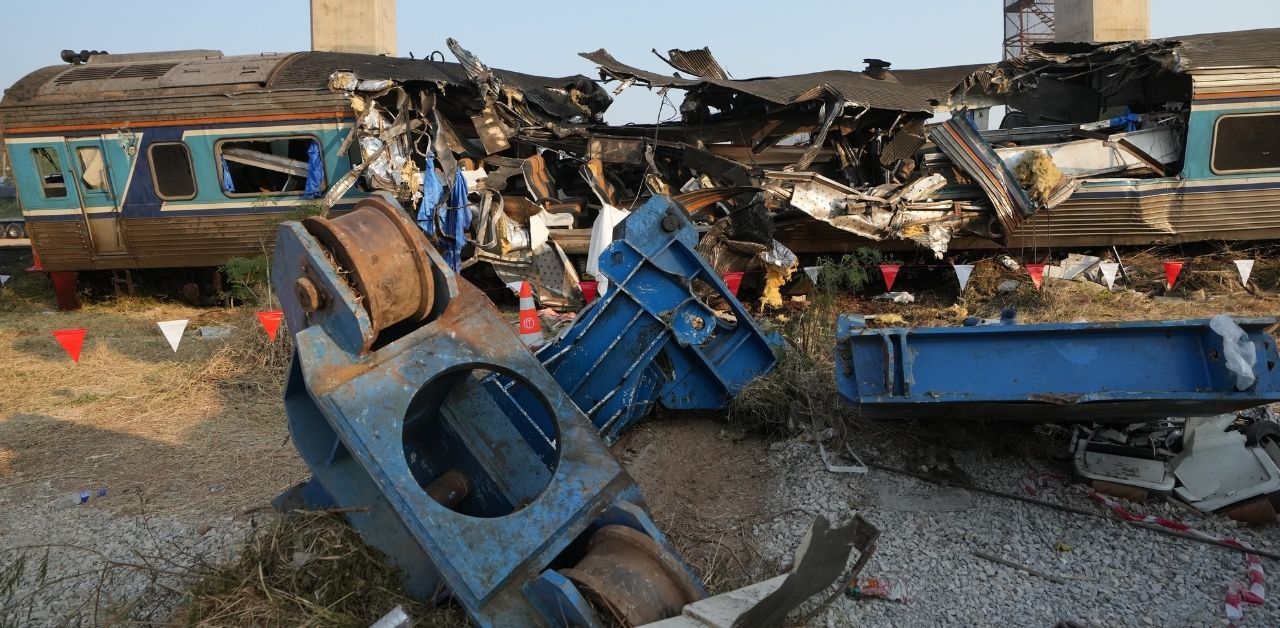
When asked whether contracts for other ITD-supervised projects would also be cancelled, Anutin said the government was prioritising the most recent fatal incidents first, adding that decisions regarding other projects would be considered later.
Anutin also referenced the earlier collapse of the Office of the Auditor General (OAG) building in Bangkok, a project jointly supervised by ITD and China Railway Engineering Corporation. He said he also urged the OAG to consider terminating its construction contract as well.


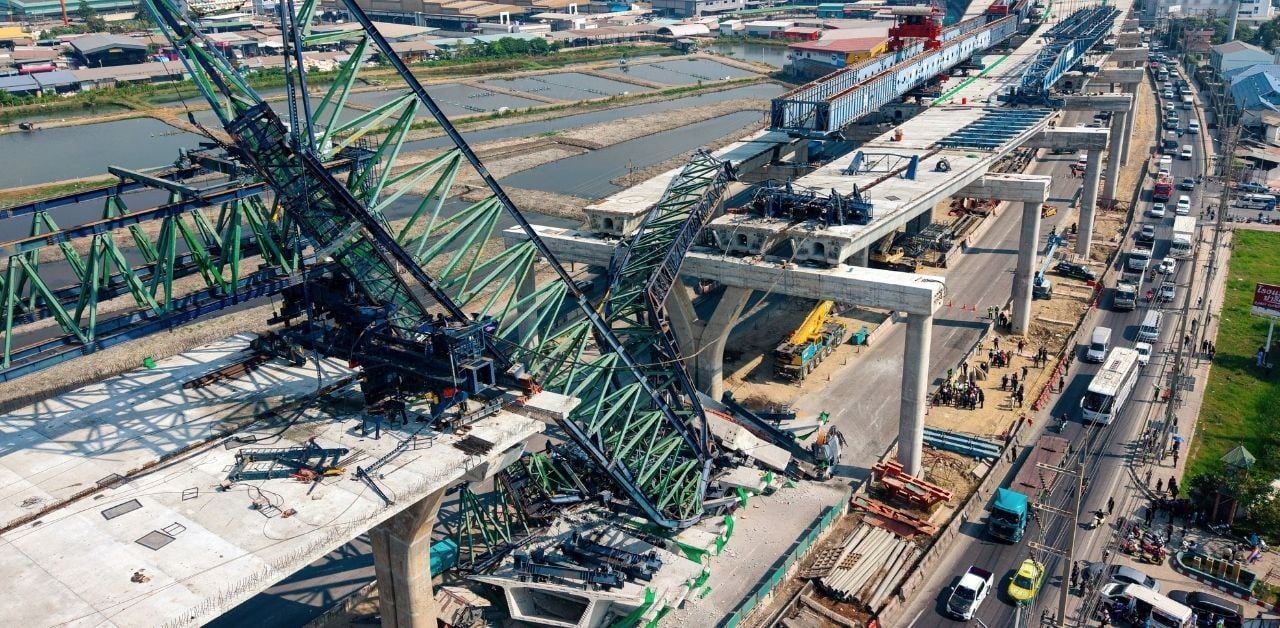
The PM added that the government would open new bids to appoint replacement contractors to continue the affected projects. He noted that if delays or rebidding processes result in increased costs, the state reserves the right to seek compensation from ITD.
According to ThaiRath, reporters also questioned Anutin about criticism directed at his Bhumjaithai Party, which was accused of favouring Chinese-backed contractors in major infrastructure projects, including those involving China Railway Engineering Corporation.
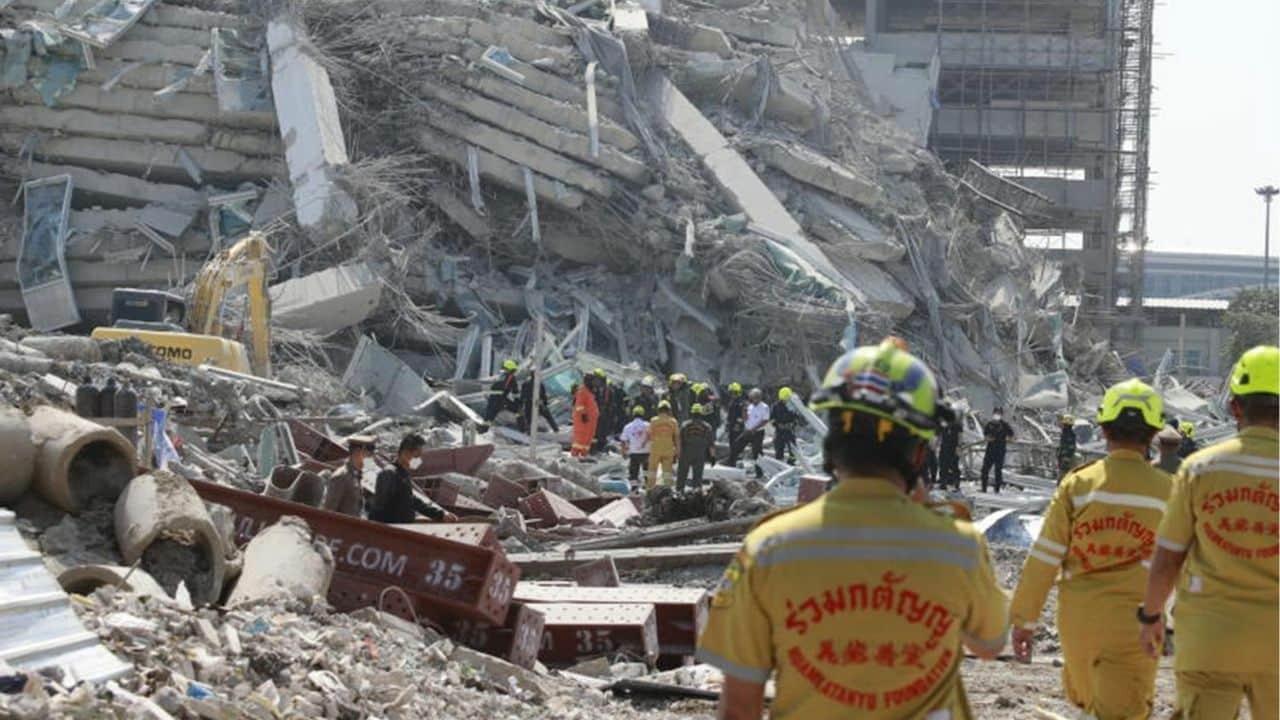
Anutin rejected the accusation, stating that all construction agreements were approved by the Thai government as a whole, not by Bhumjaithai alone, and that every contract had been carried out legally in line with existing laws and regulations.
He further suggested that the renewed criticism may be politically motivated, noting that Thailand’s General Election in February is approaching and that infrastructure controversies could be used as tools for political attacks.
Latest Thailand News
























Follow The Thaiger on Google News: