Government assures no oil shortage amid fuel measures review

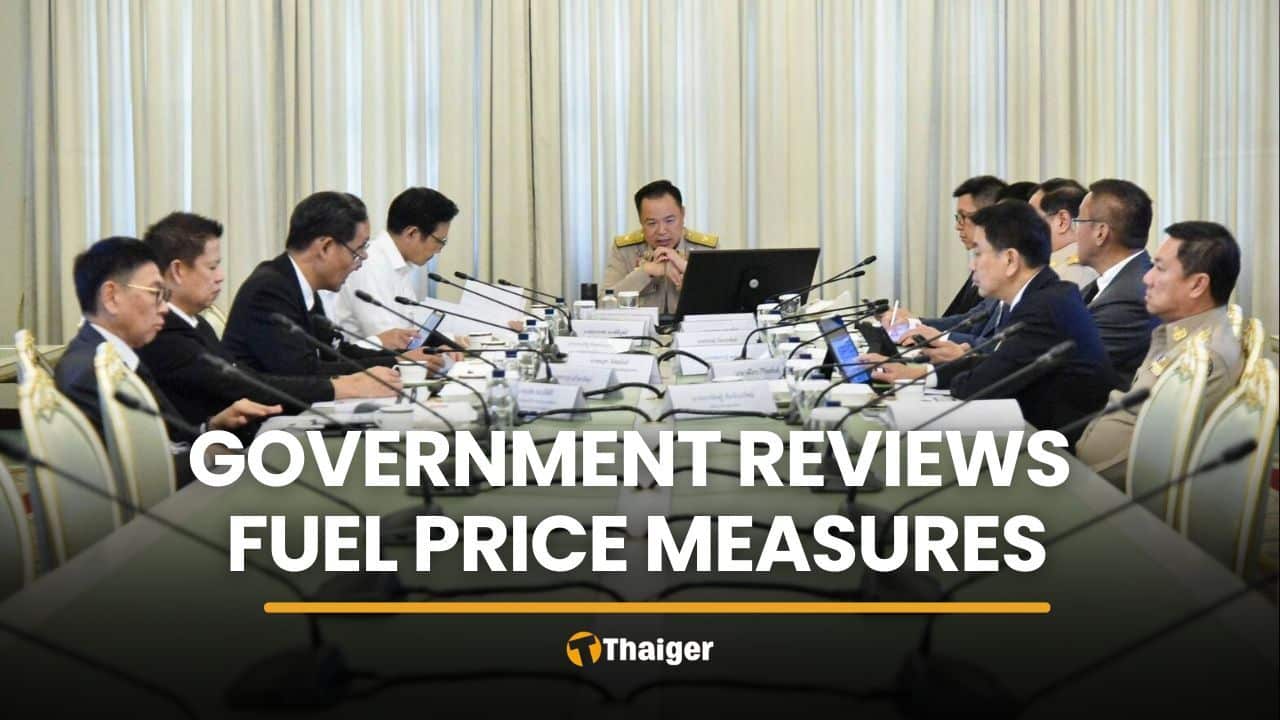
Fuel cost measures and supply planning were discussed at Government House in Bangkok yesterday, March 9, as the government responds to public concern about energy costs and risks linked to the Middle East.
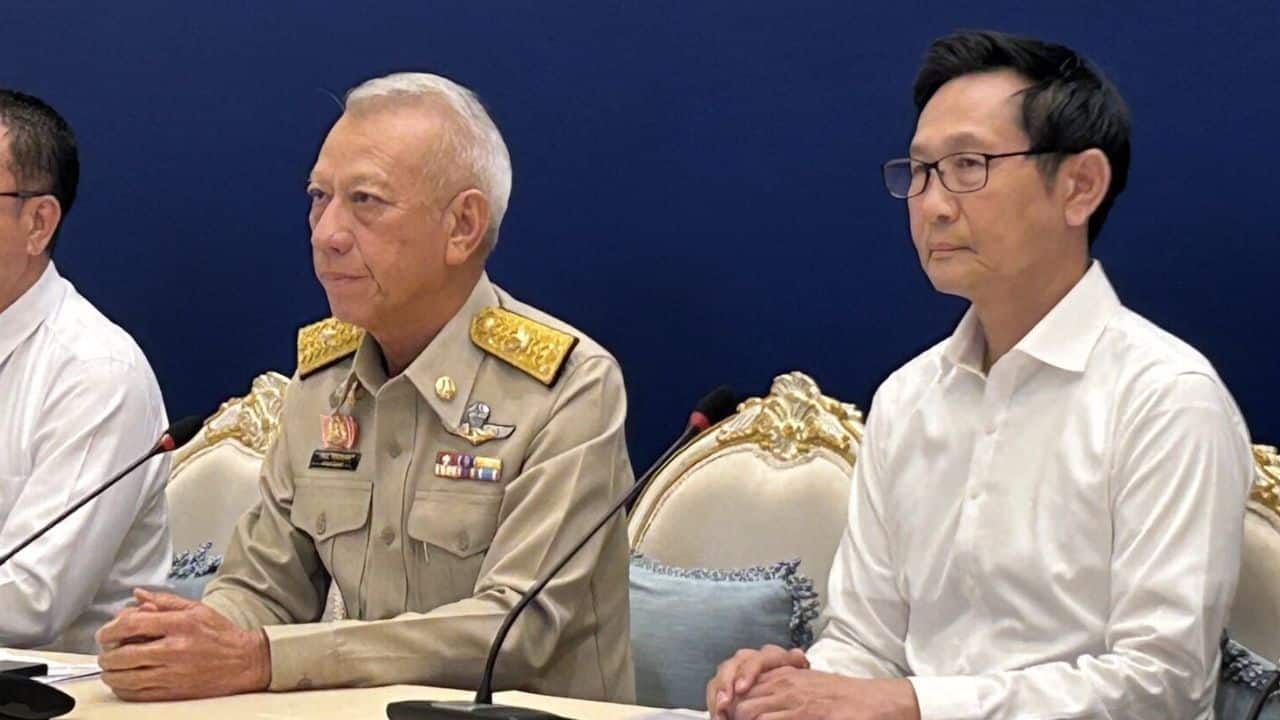
Deputy Prime Minister Phiphat Ratchakitprakarn, who is also the transport minister, briefed reporters after the energy meeting in his capacity as director of the Centre for Administration and Monitoring of the Situation of Fighting in the Middle East (ศบก.).
He said the discussion covered price measures for petrol, diesel, LPG and LNG, after concerns among the public about rising prices. According to the government, Thailand has enough oil for up to 95 days.
The meeting therefore considered what measures would be needed if crude oil could not be shipped through the Strait of Hormuz, including whether biodiesel could be used and how the period of available supply could be extended.
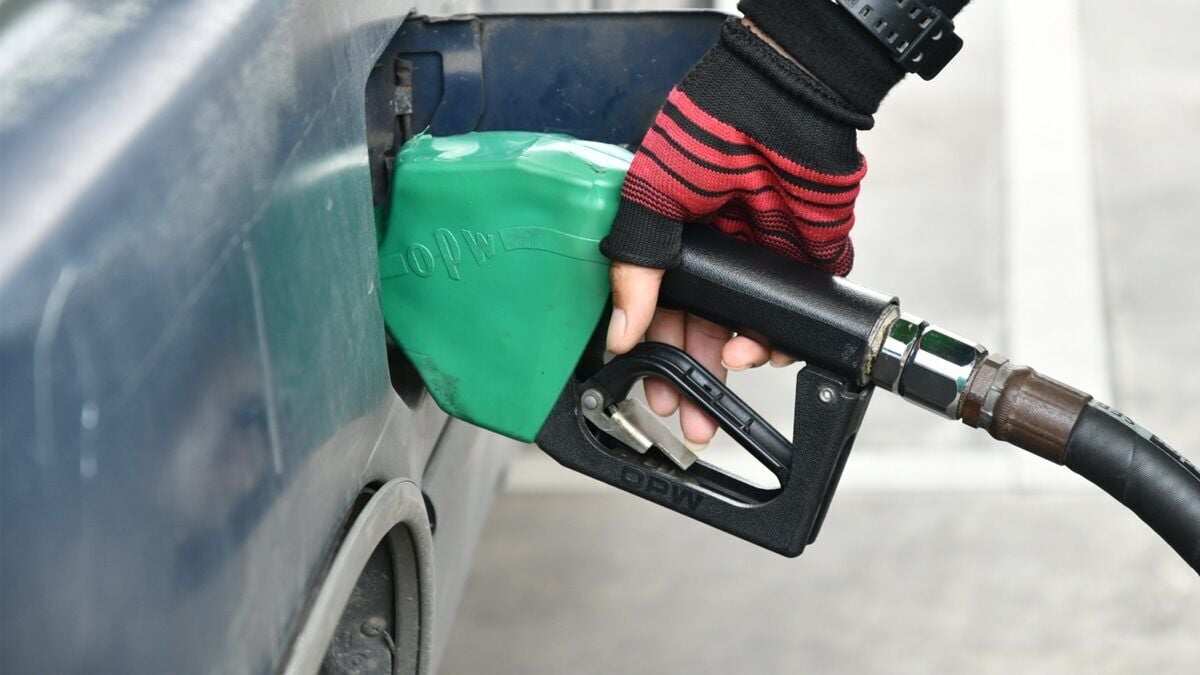
Phiphat said diesel prices are being frozen for 15 days, with the policy to be reviewed again as the end of that period approaches. Petrol prices, he said, are not being frozen.
He said the fund is currently being used to support petrol prices and that if the situation continues, the government may raise petrol prices in stages under PTT’s pricing mechanism.


According to him, there would be no oil shortage, and supplies would be topped up continuously from alternative sources. He added that much of the current confusion has come from industrial buyers purchasing through intermediaries rather than at service stations.
Phiphat said buying from jobbers should not be treated as a franchise arrangement linked to the six or seven fuel station brands operating in Thailand.
He described jobber transactions as buying and reselling, with purchases made wherever fuel is cheapest, rather than under time-based purchasing conditions. Therefore, when conditions turn into a crisis, a parent company or brand owner may refuse to sell to jobbers.
Fuel that was previously sold at lower prices, he said, has become more expensive, and cited an example in which diesel at service stations was 29.94 baht per litre while the Singapore benchmark price was close to 40 baht.
Phiphat said industrial users can still buy fuel, but may have to pay prices close to 40 baht, because service stations do not have reserves to supply external customers.
He told industrial operators to collect their past purchase invoices and submit them to the provincial governor or the provincial energy office. Invoices from the past two months can be used to buy fuel from the same depots they previously used, such as PTT, Bangchak or PT, at prices set by the Energy Ministry.
Otherwise, he said buyers may face a floating price, which he said had been announced at 10 baht, reported Khaosod.
In a separate development, earlier this month, Phuket motorists queued to fill up at a Bangchak station in Kathu as Middle East uncertainty fuelled fears of price rises. Many filled their tanks rather than the usual 300 to 500 baht for cars and 50 to 100 baht for motorcycles, leaving some stations short of fuel.
Latest Thailand News






















Follow The Thaiger on Google News: