Senator proposes law requiring public to stand during royal anthem


During a March 24 Senate session, a senator proposed amending the law to require people to stand in respect when the royal anthem is played, arguing that the Thai national anthem is protected by law, while the royal anthem is not.
The proposal was raised by Senator Alongkot Worakee, who updated the chamber on the work of a special committee studying ways to protect and uphold the monarchy.
During his remarks, Alongkot said the difference between the national anthem and the royal anthem had made him “uncomfortable for a long time”, arguing that the national anthem is protected by law and that failing to stand is an offence punishable by fines and imprisonment.
However, he said there is no legal requirement stating people must stand or show respect when the royal anthem is played. He added that this had led to incidents in cinemas where children who did not stand were scolded or assaulted, and that “in the end the attacker faced consequences themselves.”
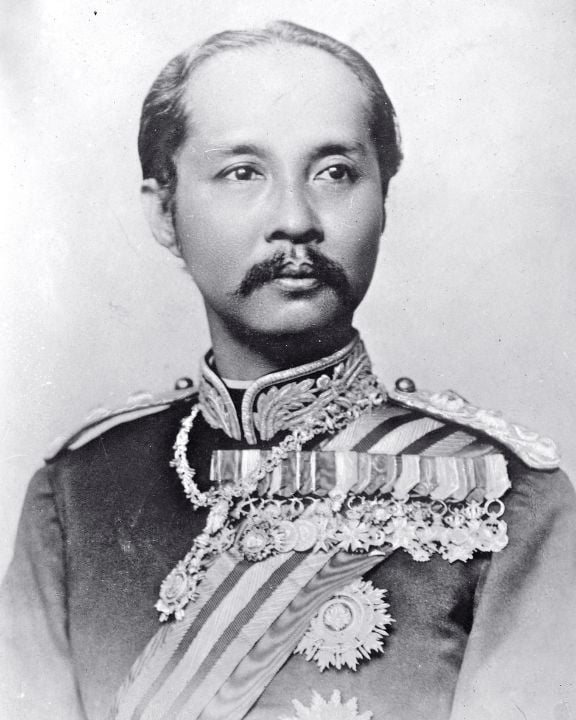
Matichon reported that Alongkot also outlined the royal anthem’s origins, linking it to the reign of King Rama V after the monarch travelled to Europe and heard royal anthems performed in countries including England, Germany and France.
He said that on returning to Thailand, King Rama V adapted King Rama II’s composition Bulan Loi Luean into the royal anthem for use when the King made appearances. Since then, the royal anthem has remained in use to the present day with almost no changes to its lyrics or melody.
After the 1932 change of government, Thailand began using the national anthem and later enacted a law covering the Thai national flag and the national anthem, which set out requirements to stand in respect. This has left Thailand with two national songs, the national anthem and the royal anthem.



“Therefore, based on the roots of the song, and if senators are to take part in campaigning, there must be a law like the one for the Thai national anthem stating that the royal anthem requires people to stand in respect,” Alongkot said.
Failing to stand, he stressed, should be treated “as an offence under criminal law and subject to fines”, adding that the committee had studied both the national anthem and the royal anthem “in depth” and had worked to promote respect for both songs “at all times.”
In separate news, Thai police summoned a 14 year old girl to a police station for questioning after a royalist accused her of royal defamation, also called lèse-majesté, according to Thai Lawyers for Human Rights. She is the youngest person ever to be charged with the offence.
Latest Thailand News

























Follow The Thaiger on Google News: